Marshmallow Root — health benefits and uses
Traditional European demulcent for irritated throats and digestion.
The Short Answer
Marshmallow root is a herbal demulcent containing mucilage, a gel-forming fiber that coats and protects the throat and stomach lining. It is primarily used to soothe dry coughs, sore throats, and digestive irritation by creating a physical barrier against
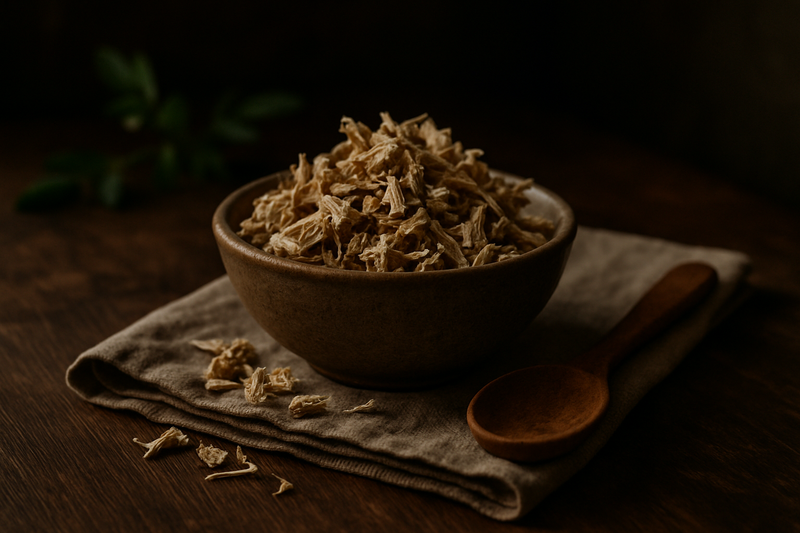
Marshmallow Root · Photograph
Discover marshmallow root benefits and how to use it as a cold infusion, tea, or supplement. Learn what the evidence says about digestion, sore throats, skin, and more — plus safety tips and medication interactions.
Key Nutrients
% Daily Value based on 2,000 cal diet
Key active compounds
- Mucilage (polysaccharide complex) — The star ingredient. This gel-forming carbohydrate swells in water to create a viscous, slippery solution that coats mucous membranes (the moist inner linings of the gut, throat, and urinary tract). It acts as a demulcent, meaning it relieves irritation by forming a protective film.
- Pectin — A soluble fiber found in plant cell walls that contributes to the gel-like texture and may support gut barrier function and healthy stool consistency.
- Flavonoids — Polyphenolic compounds (plant-based antioxidants) that may help reduce oxidative stress and calm local inflammatory responses.
- Tannins — Astringent polyphenols (tightening plant compounds) that add a mild protective layer over irritated tissues, complementing the mucilage coating.
- Polyphenolic acids — Plant-derived antioxidants that may support the body's defenses against cellular damage and complement mucilage's physical soothing actions.
- Asparagine and amino compounds — Nitrogen-containing building blocks, including the amino acid asparagine, that contribute to the root's nutritive profile and may support tissue repair.
What does marshmallow root actually do? Key benefits explained
Digestive health and gut lining
This is where marshmallow root has the most traditional and emerging support. When you drink a marshmallow root tea or cold infusion, the mucilage coats the esophagus and stomach lining in a thin, gel-like layer. This physical barrier may help buffer excess stomach acid and protect already-irritated tissue.
Small, uncontrolled human studies and traditional use reports suggest that marshmallow-containing preparations can reduce subjective symptoms of heartburn, gastritis (stomach lining inflammation), acid reflux, and general gut irritation. However, because most of these studies used multi-herb formulas, it is difficult to pin the effect on marshmallow root alone. Deeper gut-healing effects — such as repairing intestinal permeability ("leaky gut") or calming IBS — are supported mainly by animal and in-vitro research and remain speculative in humans.
Bottom line: Good preliminary rationale for daily mucosal support. Evidence for specific conditions like IBS or ulcers is not yet robust enough to make strong claims.
Respiratory health — marshmallow root for cough and sore throat relief
Marshmallow root for cough and sore throat relief is arguably its best-documented use in humans. When mucilage coats the throat and upper airways, it can physically soothe the dry, scratchy sensation that triggers coughing reflexes. Small clinical studies and herbal monographs consistently describe symptomatic relief of dry cough and throat irritation when marshmallow-containing syrups or lozenges are used several times a day.
A 2013 observational study cited in herbal medicine literature found that a marshmallow root syrup reduced cough frequency and severity in both adults and children over a short treatment period. While not a randomized controlled trial (the gold standard for evidence), this is among the most direct human data available for the herb.
Inflammation and recovery
Marshmallow root exerts its anti-inflammatory effect primarily at the local tissue level — meaning the surfaces it touches — rather than systemically (throughout the whole body via the bloodstream). Flavonoids, polyphenolic acids, and tannins in the root may help reduce redness, irritation, and tissue damage in the gut lining, airways, and skin.
In-vitro and animal studies show promising antioxidant and anti-inflammatory activity. Human data measuring systemic markers like C-reactive protein (a blood marker of inflammation) are not yet available, so whole-body anti-inflammatory claims should be treated as theoretical.
Blood sugar and metabolism
Some clinical commentary suggests marshmallow root may modestly lower blood sugar, possibly by slowing carbohydrate absorption through its mucilage lining the gut wall. However, no well-designed human trials have confirmed this. The relevance here is mainly a caution: if you take medications for diabetes, discuss marshmallow root with your prescriber because of possible additive blood-sugar-lowering effects.
Heart and circulation
No direct human studies exist for cardiovascular outcomes. Some sources note that marshmallow root has mild diuretic (fluid-releasing) properties and supports kidney and urinary tract comfort, which could theoretically influence fluid balance. These links have not been tested in cardiac-focused research. Any cardiovascular benefit remains highly speculative.
Skin irritation and eczema
Topically applied marshmallow root preparations — creams, gels, and poultices — leverage the same demulcent and emollient (skin-softening) properties to calm minor irritation, dry skin, eczema, and dermatitis. Evidence here is largely experiential and based on traditional use rather than standardized clinical trials, but the mechanism is sound: mucilage physically moisturizes and soothes irritated skin surfaces.
Prep and pairing ideas
Marshmallow root is mild and slightly earthy with a faint natural sweetness — it blends easily into both single-herb infusions and multi-herb blends.
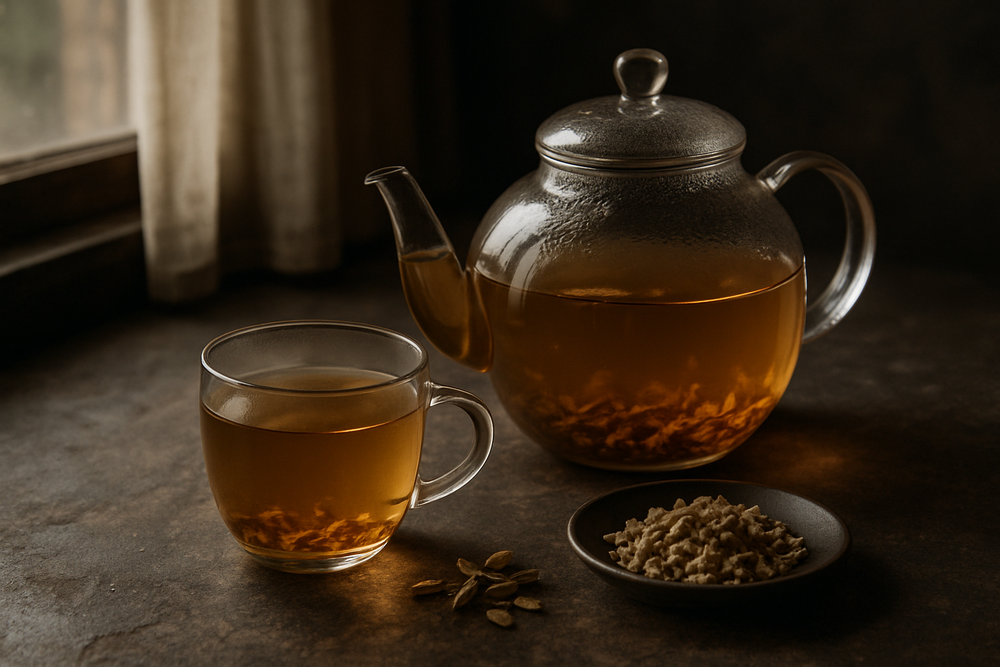
Cold infusion overnight jar Combine 1–2 tsp dried marshmallow root with 1 cup cold water. Let steep overnight. Strain and sip slowly first thing in the morning before eating. This is the classic preparation for digestive and mucosal support.
Soothing throat blend (hot tea) Combine dried marshmallow root, dried licorice root (a small amount — it is very sweet), and dried peppermint leaf. Steep in water just below boiling for 10 minutes. Strain and add a small amount of raw honey if desired. The licorice root complements marshmallow's mucilage with its own soothing glycyrrhizin compounds; peppermint adds a cooling, antispasmodic quality.
Gut-calm evening ritual Combine marshmallow root cold infusion with a small amount of chamomile tea (brewed separately and cooled). Chamomile contributes its own anti-inflammatory and antispasmodic properties, and the combination creates a gentle, relaxing evening drink that may help calm digestive irritation before bed.
In smoothies A tablespoon of cooled, strained cold infusion can be added to a morning smoothie for subtle mucilage content without a noticeable flavor change. Useful for those who do not enjoy herbal teas but want occasional mucosal support.
Bottom line
Marshmallow root is a well-tolerated, gently effective botanical with a long history and a sound biological rationale for the uses people most commonly reach for it: digestive soothing, throat and cough relief, and skin calming. Its mechanism — forming a physical mucilage barrier over irritated tissue — is real and plausible even where clinical trials are thin. The evidence is not at the level of pharmaceutical-grade proof, but it is enough to make this a reasonable option for symptomatic support within a broader healthy lifestyle.
If you take medications, the spacing rule (1–2 hours apart) is non-negotiable and should be treated as a hard instruction rather than a guideline. Pregnant individuals, people with diabetes, and those with chronic kidney disease should consult a healthcare provider before using it medicinally.
If you're looking for food-first ways to support your digestive comfort, explore more on our digestive health goals page.
How Marshmallow Root Compares
| Compared with | What's different |
|---|---|
| Marshmallow Root vs. Slippery Elm Bark | Marshmallow root contains mucilage for soothing coatings; slippery elm contains more fiber. |
| Marshmallow Root vs. Licorice Root | Marshmallow root is a soothing demulcent; licorice is sweeter and has potent anti-inflammatory effects. |
Health Benefits
Things to Know
Medication timing is critical.: Mucilage can physically coat the gut and reduce or delay absorption of other drugs taken at the same time. Space marshmallow root by at least 1–2 hours before or after any oral medications. This is especially important for drugs with a narrow therapeutic index (where precise blood levels matter), such as thyroid medications, blood thinners, or seizure medicines.
Diabetes and blood sugar medications.: Marshmallow root may mildly lower blood glucose. If you take insulin or oral diabetes medications, monitor your blood sugar and inform your prescriber.
Pregnancy and breastfeeding.: Concentrated medicinal use has not been adequately studied in these populations. Traditional use has been benign, but current professional guidelines recommend caution. Discuss with your midwife or doctor before using beyond typical food amounts.
Malvaceae family allergy.: Marshmallow belongs to the Malvaceae plant family (which includes hibiscus, okra, and hollyhock). If you have known allergies to plants in this family, check with an allergist before using.
Kidney disease.: Marshmallow's mild diuretic action and mucosal effects in the urinary tract have not been studied in people with chronic kidney disease. Use cautiously and consult your nephrologist.
Side effects are uncommon but possible.: These include mild bloating, loose stools, nausea, or stomach upset — usually at higher doses or when first starting. Starting with a lower dose and increasing gradually can help.
Not a replacement for medical care.: Persistent gut pain, severe reflux, chronic cough, or unexplained skin conditions all warrant professional diagnosis.
Glossary
Shop This Ingredient
Stock your pantry with quality marshmallow root.
Buy on AmazonAs an Amazon Associate, Plantopedia earns from qualifying purchases. This costs you nothing extra and helps us keep the encyclopedia free.
Frequently Asked Questions
Short answer: for extracting maximum mucilage, yes — a cold infusion is generally preferred. Heat above about 60 °C (140 °F) can partially break down or alter mucilage's texture, reducing its thick, gel-forming quality. A cold or room-temperature infusion preserves the full mucilage structure, producing a noticeably more viscous, coating drink. How to make a cold infusion: Place 1–2 teaspoons (2–4 g) of dried marshmallow root in a glass jar. Cover with 250–300 ml (about 1 cup) of cold or room-temperature water. Let it steep for 4–8 hours, or overnight in the refrigerator. Strain and drink slowly, giving the mucilage time to coat the throat and upper digestive tract. Hot tea is still useful — especially when combined with other herbs for coughs or sore throats — and retains flavonoids and other compounds even if some mucilage structure is lost. Gentle simmering rather than a rolling boil helps preserve more of the root's soothing qualities. Capsules and supplements offer convenience and consistent dosing. They are a good option if you travel frequently or dislike the slightly earthy, mildly sweet taste. Look for products listing the amount of root per capsule (typically 400–500 mg) and a clear list of excipients (fillers and binders used in tablets). Syrups and lozenges are effective for acute throat or cough symptoms where direct contact matters most.
The frequent heartburn or reflux sufferer Experiences burning discomfort after meals or when lying down Has already addressed lifestyle triggers (meal size, timing, trigger foods) and wants additional mucosal support May find a cold infusion taken 20–30 minutes before meals helps buffer the esophagus and stomach Should still work with a doctor to rule out structural causes like GERD or hiatal hernia The person prone to dry coughs and winter throat irritation Deals with recurring dry coughs, post-nasal drip irritation, or seasonal sore throats Wants a non-pharmaceutical first-line option for symptom relief Can use a marshmallow root syrup or lozenge several times a day during acute episodes Benefits from combining it with honey and licorice root (if not contraindicated) for added soothing effect
Traditional adult doses generally range from 2–5 g of dried root, taken up to three times daily — though this is not backed by large clinical trials and should be seen as a starting reference rather than a firm prescription. Practical guidance: Start low: Begin with 1–2 g (roughly 1 teaspoon of dried root) once daily to assess tolerance. Increase gradually: If well tolerated, increase to two or three servings per day spread throughout the day. Short-term vs. long-term: Most traditional protocols suggest using marshmallow root for a specific period of need (weeks to a couple of months) rather than indefinitely, though it is generally considered safe for extended use when doses are moderate. Capsule dosing: Standard commercial preparations typically provide 400–500 mg per capsule; two capsules two to three times daily is a common label recommendation, but always follow the specific product's instructions. Children: Reduced doses based on body weight, and ideally under the guidance of a paediatric herbalist or physician. The drug spacing rule applies regardless of dose: Always take marshmallow root at least one to two hours away from other medications. There is no established "upper safe limit" from clinical research. Excessive amounts may cause loose stools or mild gastrointestinal discomfort.
Quick Answers
Common questions, answered in a line.
Marshmallow root contains a polysaccharide complex called mucilage that creates a slippery gel when mixed with water. This gel acts as a demulcent, forming a protective film over the moist inner linings of the throat, gut, and urinary tract to relieve irritation.
Yes, marshmallow root is among the best-documented herbal remedies for soothing a dry cough and throat irritation. The plant's mucilage coats the upper airways, which can physically dampen the scratchy sensations that trigger coughing reflexes.
Marshmallow root may support digestive health by coating the esophagus and stomach lining with a protective gel-like layer. This physical barrier can help buffer excess stomach acid and has been used to address symptoms of heartburn, gastritis, and acid reflux.
You should space marshmallow root at least 1–2 hours apart from any oral medications. Because the root's mucilage can coat the gut, it may physically reduce or delay the absorption of drugs, which is especially critical for thyroid or blood-thinning medications.
Marshmallow root can be applied topically to calm minor skin irritation, dryness, eczema, and dermatitis. Its emollient and demulcent properties allow it to physically moisturize and soothe the skin surface when used in creams, gels, or poultices.
People with diabetes should use marshmallow root cautiously because it may modestly lower blood sugar by slowing carbohydrate absorption. It is recommended to monitor blood glucose levels closely and consult a healthcare provider before use to avoid additive effects with diabetes drugs.
To make a cold infusion, combine 1–2 teaspoons of dried marshmallow root with one cup of cold water and let it steep overnight. This method is considered the classic preparation for maximizing the mucilage content needed for digestive and mucosal support.
For Readers in the USA
Local context — sourcing, seasonality, and regional notes.
Marshmallow root is most commonly found in the United States at natural food cooperatives, specialized herb shops, and major health-focused chains like Whole Foods Market or Sprouts Farmers Market. You can typically find it in the bulk herb section, as a bagged medicinal tea, or in the supplement aisle as a tincture or capsule.
In the United States, marshmallow (Althaea officinalis) grows best in USDA Hardiness Zones 3 through 9, thriving in the moist, sunny conditions found across the Northeast, Midwest, and Pacific Northwest. While it is native to Europe, it has naturalized in many American wetlands and is a popular perennial in US medicinal herb gardens.
When shopping in the US, look for the USDA Organic seal to ensure the root was grown without synthetic pesticides, and check for "USP Verified" or third-party testing marks on supplements. Since the FDA regulates marshmallow root as a dietary supplement rather than a drug, these labels provide extra assurance regarding purity and ingredient accuracy.
AI Clinical Review
- Clearly explains marshmallow root’s demulcent action: its mucilage forms a protective coating that can quickly soothe the throat, esophagus, and irritated gut lining.
- Appropriately frames the evidence as preliminary and strongest for short‑term relief of dry cough and sore throat (e.g., syrups/lozenges), with plausible symptomatic help for reflux/heartburn.
- Highlights a practical preparation point: cold infusions preserve mucilage better than hot preparations, which many users notice as a thicker, more soothing texture.
- Emphasizes the key safety takeaway that marshmallow root can delay medication absorption and should be taken 1–2 hours apart from oral drugs.
- Benefits for reflux/GERD and gastritis largely come from small, observational, or multi‑herb studies; effect size, durability, and optimal dosing remain uncertain.
- Claims about “gut healing” (IBS, ulcers, intestinal permeability) and systemic anti‑inflammatory effects are based mainly on in‑vitro or animal data without confirmatory human trials.
- Potential impacts on blood sugar are theoretical; human studies haven’t established consistent glucose‑lowering effects or clinical significance.
- Topical benefits for eczema/dermatitis are supported by tradition and mechanism, but standardized clinical trials are limited.
- Dosing: traditional adult amounts are roughly 2–5 g dried root per serving, up to three times daily; start low and increase as tolerated. Capsules commonly provide 400–500 mg each; product potency can vary by brand.
- Separate from medications by at least 1–2 hours. Extra caution if you take narrow‑therapeutic‑index drugs (e.g., thyroid, anticoagulants, seizure meds) or diabetes medications; monitor glucose if applicable.
- Generally well tolerated; possible mild bloating or loose stools. Avoid if you have known Malvaceae (e.g., hibiscus/okra) allergies. Discuss use with a clinician if pregnant, breastfeeding, or living with chronic kidney disease.
- Form matters: cold‑water infusions maximize mucilage; gentle hot teas are reasonable; for acute throat symptoms, direct‑contact forms (syrups/lozenges) may feel more effective. Consider sugar content in syrups/lozenges if you’re monitoring carbohydrate intake.
May slow absorption of medications taken at the same time; space doses.
References
- USDA FoodData Central — general plant nutrition reference (fdc.nal.usda.gov)
- WebMD Vitamins & Supplements — marshmallow safety and drug interaction overview (webmd.com)
- Medical News Today — marshmallow root: benefits, risks, and uses (medicalnewstoday.com)
- Healthline — marshmallow root benefits, side effects, and forms (healthline.com)
- Herbal Reality (Herbal monograph) — Althaea officinalis: traditional use, phytochemistry, and clinical evidence (herbalreality.com)
- Acıbadem International Health Library — marshmallow root explained by medical evidence (acibademinternational.com)
- SingleCare — marshmallow root benefits and uses (singlecare.com)
- 1MD Nutrition — marshmallow root for immune health (1md.org)
- Dr. Will Cole — marshmallow root benefits for gut health (drwillcole.com)
- Centre of Excellence — marshmallow root uses and preparations overview (centreofexcellence.com)
Know Your Numbers
Eating healthy is a start. Now get to know your biomarkers.
Food changes bloodwork — inflammation, lipids, blood sugar and nutrient status all respond to what you eat. 59 markers from $59.
- Results in 7–10 days at 2,000+ Quest sites
- Licensed provider reviews every result
- One flat price, no membership, HSA/FSA eligible
Educational information only, not medical advice. Panels are ordered and reviewed through our licensed partner; Plantopedia may earn a commission.