Masa Harina — health benefits and uses
Central to Mesoamerican foodways, produced by an alkaline process thousands of years old.
The Short Answer
Masa harina is a gluten-free flour made from corn that has been soaked in an alkaline solution (nixtamalization), which makes its niacin content bioavailable and allows it to form a cohesive dough.
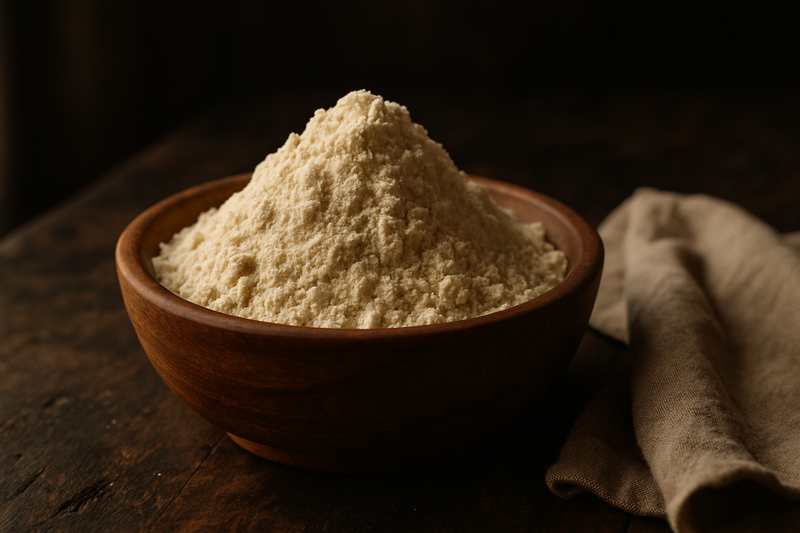
Masa Harina · Photograph
Discover the masa harina health benefits and how to use it for tortillas, tamales, and pupusas. Learn about nixtamalized corn flour nutrition facts, gluten-free status, and how whole-grain masa harina fits a plant-based diet.
Key Nutrients
% Daily Value based on 2,000 cal diet
Key active compounds and phytochemicals
- Niacin (bioavailable form): In untreated corn, niacin is "bound" in a form the body cannot absorb. Nixtamalization breaks those bonds and releases free niacin, making it far more bioavailable (meaning: easier for your body to use).
- Ferulic acid and other phenolic acids: Plant-based antioxidant compounds naturally found in corn bran and germ. Some survive nixtamalization and cooking, and may help reduce oxidative stress (cellular damage from unstable molecules called free radicals) — though human data specific to masa are limited.
- Carotenoids (lutein and zeaxanthin): Fat-soluble yellow pigments in yellow corn masa that may support eye health and provide antioxidant activity. Levels depend on corn variety; whole-grain yellow masa retains more than refined white masa.
- Resistant starch and cereal fiber: Portions of starch and corn cell walls that resist digestion in your small intestine and instead feed beneficial gut bacteria in your large intestine, potentially supporting regularity and metabolic health.
- Calcium (from the lime process): The alkaline solution used in nixtamalization contributes calcium that binds into the corn matrix, raising the calcium content of masa above that of raw cornmeal.
Buying guide
Fresh-ground vs dry flour: Fresh nixtamalized masa (wet dough) from a tortilleria or Latin grocery store produces the most authentic flavor and texture. It is perishable and should be used within a day or two. Dry masa harina (shelf-stable flour you reconstitute with water) is far more practical for most home cooks and retains good nutritional value.
What to look for on the label:
- "Nixtamalized" or "lime-treated corn" should appear in the ingredients — this is non-negotiable. If the label says only "corn flour," it may not be nixtamalized.
- "Whole grain" or "whole corn" near the top of the ingredient list indicates more bran and germ are retained.
- "Enriched" means added B vitamins and iron — a plus for populations relying on tortillas as a daily staple.
- Look for certified gluten-free labeling if you have celiac disease or non-celiac gluten sensitivity, as some facilities process masa alongside wheat.
Grind options:
- Tortilla grind (fine): everyday tortillas, sopes, gorditas
- Tamal grind (medium/coarse): tamales, pupusas, thicker masa dishes
Prep and pairing ideas
Making the dough: Combine 2 cups (240 g) of masa harina with 1½ to 1¾ cups of warm water and a pinch of salt. Mix until a soft, pliable dough forms — it should feel like Play-Doh. Too dry, add water a tablespoon at a time; too sticky, add a sprinkle of masa harina. Let it rest 5 minutes before pressing.
Tortillas: Divide dough into golf-ball portions. Press between two sheets of plastic wrap using a tortilla press or a heavy skillet. Cook on a dry, medium-high comal or cast-iron pan about 45–60 seconds per side until lightly freckled.
Tamales: Use a slightly coarser grind. Spread the masa dough on soaked corn husks, add a filling of beans and roasted chiles or a plant-based mole, fold, tie, and steam for 60–90 minutes.
Pupusas: Form a thick disc of masa, create a pocket in the center, add refried beans and plant-based cheese (or just beans), seal, and cook on a comal until golden.
Three practical pairings and why they work
- Masa + black beans: A nutritional power couple. Beans supply the lysine (an amino acid) that corn is low in, while corn supplies methionine (another amino acid) that beans are low in — together they form a complementary complete protein, plus a fiber boost that slows carbohydrate absorption.
- Masa + avocado: Avocado's healthy monounsaturated fats help your body absorb the fat-soluble carotenoids (like lutein) in yellow masa, turning a simple tortilla into a more nutrient-complete snack.
- Masa + salsa or tomato-based toppings: Vitamin C in fresh tomatoes and citrus can enhance the absorption of the non-heme iron in masa, making a fresh pico de gallo more than just a topping — it's a functional pairing.
Bottom line
Masa harina is one of the oldest and most nutritionally thoughtful food technologies in human history. The nixtamalization process does something genuinely remarkable: it unlocks niacin that is otherwise trapped and unusable in corn, adds calcium from the lime bath, and produces a flour with a distinct flavor and texture that no other corn product can replicate. When made from whole-grain corn and prepared simply — as tortillas, tamales, or pupusas filled with beans and vegetables — masa-based foods are a practical, affordable, gluten-free whole-grain staple that fits well within a plant-forward diet. The evidence doesn't support calling it a superfood, but it absolutely qualifies as a smart, versatile, culturally rich whole grain worth including regularly.
How Masa Harina Compares
| Compared with | What's different |
|---|---|
| Masa Harina vs. Cornmeal | Nixtamalized with lime to release niacin and create a pliable dough for tortillas. |
| Masa Harina vs. Corn flour | Untreated corn flour that lacks the distinct alkaline flavor and elasticity of masa. |
| Masa Harina vs. All-purpose flour | A wheat-based flour containing gluten, used for soft wraps rather than traditional corn tortillas. |
Health Benefits
Things to Know
Celiac disease and gluten sensitivity: Masa harina made from pure corn is inherently gluten-free, but cross-contamination in processing facilities is a real risk. Only certified gluten-free products are reliably safe if you have celiac disease.
Diabetes and insulin resistance: Masa-based foods contain a moderate amount of carbohydrate per serving. Portion awareness and pairing with protein, fat, and high-fiber fillings (beans, vegetables) can help manage postprandial (after-meal) blood sugar. Speak with your dietitian or doctor about how to fit tortillas into your specific meal plan.
Chronic kidney disease (CKD): Masa contributes phosphorus (about 70–75 mg per serving) and potassium (about 85 mg per serving). These are modest amounts, but people on phosphorus- or potassium-restricted diets should account for all food sources with their care team.
Medication timing: High-fiber meals — especially if masa is paired with beans and vegetables — can slow the absorption of some oral medications, including levothyroxine (a thyroid hormone) and certain antibiotics. A general rule is to take those medications on an empty stomach or well away from large meals; confirm timing with your pharmacist.
Carbohydrate-sensitive medications: If you take medications adjusted based on carbohydrate intake (some diabetes drugs), count the carbohydrate from masa-based foods as you would any grain and discuss adjustments with your provider.
Pregnancy: Enriched masa harina contains folic acid, which supports neural tube development. This is a positive for those who are pregnant or planning to conceive, though prenatal supplements remain important. Masa is otherwise considered safe during pregnancy when prepared hygienically.
No known specific drug-herb interactions: have been documented for masa harina itself; considerations are those common to all cereal grains.
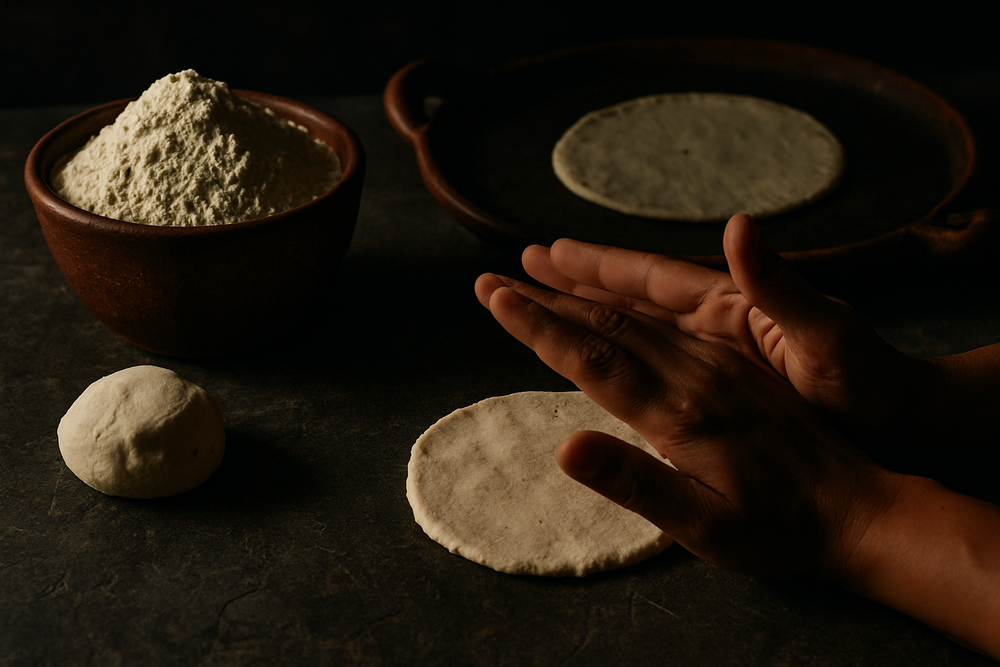
Prep Ideas
- — **Masa + black beans:** A nutritional power couple. Beans supply the lysine (an amino acid) that corn is low in, while corn supplies methionine (another amino acid) that beans are low in — together they form a complementary complete protein, plus a fiber boost that slows carbohydrate absorption.
- — **Masa + avocado:** Avocado's healthy monounsaturated fats help your body absorb the fat-soluble carotenoids (like lutein) in yellow masa, turning a simple tortilla into a more nutrient-complete snack.
- — **Masa + salsa or tomato-based toppings:** Vitamin C in fresh tomatoes and citrus can enhance the absorption of the non-heme iron in masa, making a fresh pico de gallo more than just a topping — it's a functional pairing.
Glossary
Shop This Ingredient
Stock your pantry with quality masa harina.
Buy on AmazonAs an Amazon Associate, Plantopedia earns from qualifying purchases. This costs you nothing extra and helps us keep the encyclopedia free.
Frequently Asked Questions
Heart and circulation No randomized controlled trials (the gold standard of research) have tested masa harina specifically on heart disease outcomes. However, broader evidence consistently links higher whole-grain and dietary fiber intake with lower LDL cholesterol (the "bad" type) and reduced coronary heart disease risk. Masa harina fits this pattern: it is low in saturated fat, cholesterol-free, low in sodium, and provides complex carbohydrates, fiber, magnesium, and potassium — all nutrients associated with cardiovascular support. Nixtamalization's improvement of niacin status may also support healthy lipid (fat) metabolism. The biggest caveat here: preparation method matters enormously. Deep-fried chips or tamales loaded with lard and high-sodium fillings flip the cardiovascular equation. Digestive health and microbiome Masa harina provides about 7 g of dietary fiber per 100 g of dry flour. At a typical 30 g serving, you get roughly 2 g — a modest but real contribution. Fiber adds bulk to stool, supports regular bowel movements, and feeds the beneficial bacteria in your gut (your microbiome). Nixtamalized corn may also have a slightly altered resistant starch structure that promotes fermentation by gut microbes, though detailed human mechanistic data are still emerging. Pairing masa-based foods with beans and vegetables — as in a classic burrito bowl or bean-filled pupusa — meaningfully amplifies the fiber benefit. Blood sugar and metabolism Research has not directly compared masa harina's glycemic response (how quickly it raises blood sugar) head-to-head with wheat flour in clinical trials. What we know from general whole-grain research is that complex carbohydrates with intact fiber tend to produce a more gradual blood glucose rise than refined white flour. Two small tortillas from a 30 g dry serving provide about 23 g of carbohydrate and 2 g of fiber — a moderate carbohydrate load that is manageable for most people. The effect on blood sugar improves significantly when masa-based foods are eaten with protein, healthy fats, and additional fiber from fillings like black beans, avocado, and grilled vegetables. Inflammation and recovery Evidence here is still emerging. Whole-grain diets are observationally linked to lower levels of inflammatory markers (proteins in the blood that signal systemic inflammation) compared with refined grain patterns. Masa's phenolic compounds — especially ferulic acid — show antioxidant activity in laboratory studies, but translating that to meaningful anti-inflammatory effects in people who eat tortillas regularly is not yet well established. This is a promising area, not a proven benefit. Niacin bioavailability — the standout story This is where the evidence is strongest. Nixtamalization converts bound niacin into a form the body can absorb and use. Historically, populations eating plain corn as a staple without nixtamalization developed pellagra (a deficiency disease causing skin lesions, digestive problems, and neurological symptoms), while those using nixtamalized corn did not. This is a real-world, population-level demonstration that the process works. Nixtamalized masa also contributes meaningfully more calcium than plain cornmeal, thanks to calcium hydroxide used in processing.
The short answer: match the grind to the dish. Fine grind masa harina is ideal for corn tortillas. It presses into thin, even discs without cracking and cooks quickly on a comal (a flat griddle). Most widely sold brands (such as Maseca) are fine-grind. Medium or coarser grind masa harina works better for tamales and pupusas, where a slightly denser, more textured dough holds up to fillings and steaming. Some brands specifically label their product as "tamal grind." Whole-grain masa harina retains more corn bran and germ, producing a slightly denser, nuttier product with higher fiber and micronutrient content. It is worth seeking out if whole-food, plant-based nutrition is a priority. Enriched masa harina has added iron, folic acid, thiamin, riboflavin, and niacin — useful if tortillas are a daily staple and micronutrient gaps are a concern. For most home cooks making tortillas from scratch, any fine-grind nixtamalized masa harina will work well. For tamales, look for a coarser grind or a product labeled "tamal."
There is no official recommended daily intake specific to masa harina. General dietary guidelines (such as those from MyPlate and the 2020–2025 Dietary Guidelines for Americans) recommend that at least half of daily grain servings be whole grains — roughly 3 to 5 servings per day for most adults, depending on calorie needs. In practice: 2 to 4 small corn tortillas (made from about 30–60 g of dry masa harina) is a reasonable daily amount for most adults as part of a varied diet. Traditional diets in Mexico and Central America may include 6–12 tortillas daily as a primary carbohydrate source — evidence suggests this is safe in the context of an otherwise whole-food, vegetable-rich diet. Start with 1 to 2 tortillas per meal if you are new to masa-based foods or managing blood sugar, and observe how your body responds. Whole-grain masa harina aligns better with whole-food, plant-based (WFPB) eating patterns and is worth choosing when available. As with any grain, variety is key. Rotating masa-based foods alongside oats, brown rice, quinoa, and other whole grains gives you a broader range of nutrients and reduces dietary monotony.
Quick Answers
Common questions, answered in a line.
Masa harina is inherently gluten-free because it is made from corn, but you should look for certified gluten-free labels to avoid cross-contamination. While corn itself contains no gluten, some facilities process masa alongside wheat products.
Nixtamalization is an alkaline soaking process using lime (calcium hydroxide) that makes niacin bioavailable and increases the calcium content of corn. This ancient technology transforms corn into masa by breaking down cell walls and unlocking essential nutrients.
To make masa dough, mix 2 cups of masa harina with 1½ to 1¾ cups of warm water and a pinch of salt until it reaches a Play-Doh-like consistency. Let the mixture rest for five minutes before pressing or shaping it into tortillas, tamales, or pupusas.
Pairing masa with black beans creates a complete protein source because the amino acids in corn (methionine) and beans (lysine) complement each other. This combination also adds fiber, which helps slow down the absorption of carbohydrates.
Masa harina is a good source of bioavailable niacin (Vitamin B3), calcium from the lime-treatment process, and antioxidants like ferulic acid. It also contains resistant starch and fiber, which feed beneficial gut bacteria and support metabolic health.
If you have diabetes, you should pair masa-based foods with protein, healthy fats, and high-fiber fillings to help manage blood sugar levels. While masa contains carbohydrates, these pairings help moderate post-meal glucose spikes.
Whole-grain yellow masa harina contains carotenoids like lutein and zeaxanthin, which are fat-soluble pigments that may support eye health. To maximize absorption, the article suggests pairing these foods with healthy fats like avocado.
For Readers in the USA
Local context — sourcing, seasonality, and regional notes.
In the U.S., you can find masa harina at most major grocery chains like Walmart, Kroger, and H-E-B, typically in the baking or international food aisle. For the freshest options, look for local tortillerias or Latin American markets (mercados) that may sell fresh-ground masa dough (masa preparada).
The most widely recognized brand of masa harina in U.S. supermarkets is Maseca, though Bob’s Red Mill and King Arthur Baking offer popular organic and non-GMO varieties. For artisanal or heirloom corn options, brands like Masienda have gained a significant following among American home cooks and chefs.
The USDA requires masa harina to be enriched with folic acid to help prevent neural tube defects, a standard implemented to support public health in communities where corn tortillas are a primary staple. When shopping, look for the "Enriched" label if you want these added B vitamins and iron.
While masa harina is shelf-stable and available year-round, its consumption in the U.S. peaks during the winter holidays, particularly for making tamales. During November and December, many U.S. retailers stock larger quantities and bulk bags to accommodate traditional family holiday gatherings.
AI Clinical Review
- Clear explanation of nixtamalization and why it matters: it frees niacin (vitamin B3) for absorption and modestly raises calcium content—historically linked to prevention of pellagra in corn‑based diets.
- Correctly notes that masa harina is naturally gluten‑free and highlights the importance of certified GF products for people with celiac disease due to cross‑contact risks.
- Positions masa (especially whole‑grain versions) within a heart‑ and gut‑healthy pattern: fiber, magnesium, and complex carbs with low sodium and minimal fat—while emphasizing that preparation method (e.g., frying vs. griddling) changes the health impact.
- Provides practical serving context (about two small tortillas per 30 g dry masa) and smart pairings (beans, avocado, vegetables) that improve amino acid balance and tame the glycemic response (how quickly blood sugar rises).
- There are few masa‑specific randomized trials for cardiometabolic outcomes; most benefits are inferred from broader whole‑grain research and from historical/observational data.
- Glycemic effects likely vary by grind, dough hydration, thickness, and cooking/storage conditions; direct head‑to‑head studies versus wheat flour or among different masa products are limited.
- Antioxidant/phenolic and resistant starch claims are biologically plausible but rest largely on lab or small mechanistic studies; actual magnitude of benefit in everyday tortilla or tamal consumption is not firmly quantified.
- Gluten‑free safety: choose third‑party certified GF masa if you have celiac disease or strict gluten sensitivity, and verify practices at tortillerias where cross‑contact with wheat may occur.
- Blood sugar management: two small tortillas (~23 g carbohydrate) is a reasonable starting portion; pair with protein, healthy fats, and vegetables, and adjust if you use glucose‑lowering medications—check with your clinician for individualized targets.
- Kidney and mineral considerations: masa contributes modest potassium and phosphorus and only a small amount of calcium; people with chronic kidney disease or on mineral‑restricted diets should account for cumulative servings with their care team.
- Medication timing: high‑fiber meals can interfere with absorption of certain drugs (for example, levothyroxine and some antibiotics). Take these as directed, typically away from large, fiber‑rich meals.
Naturally gluten-free; a whole-grain masa retains more of the corn.
References
- USDA FoodData Central — Corn Flour (Masa Harina) nutrition data (fdc.nal.usda.gov)
- MyPlate / USDA Dietary Guidelines — Whole grains and daily grain recommendations (myplate.gov)
- Nixtamalization benefits, niacin bioavailability, and pellagra prevention overview (tortillerianixtamal.com)
- Masa harina nutrition facts and macronutrient data — FitNutrition (fitnutrition.net)
- Masa harina tortilla grind ingredient and nutrition information — Santa Fe School of Cooking (santafeschoolofcooking.com)
- King Arthur Baking — Organic Masa Harina product nutrition label (enrichment info) (shop.kingarthurbaking.com)
- Masa harina cooked nutrition facts — MyFoodData (tools.myfooddata.com)
- Lime-treated cornmeal (masa harina) nutrition — FatSecret (foods.fatsecret.com)
- NIH Office of Dietary Supplements — Niacin fact sheet for health professionals (ods.od.nih.gov)
- Whole grain intake and cardiovascular risk — Harvard T.H. Chan School of Public Health overview (hsph.harvard.edu)
Know Your Numbers
Eating healthy is a start. Now get to know your biomarkers.
Food changes bloodwork — inflammation, lipids, blood sugar and nutrient status all respond to what you eat. 59 markers from $59.
- Results in 7–10 days at 2,000+ Quest sites
- Licensed provider reviews every result
- One flat price, no membership, HSA/FSA eligible
Educational information only, not medical advice. Panels are ordered and reviewed through our licensed partner; Plantopedia may earn a commission.