Microgreens — health benefits and uses
A modern living food prized for nutrient density in a tiny leaf.
The Short Answer
Microgreens are nutrient-dense young seedlings containing significantly higher concentrations of vitamins C, E, and K than their mature counterparts. They provide roughly 100 mcg of Vitamin K and 10 mg of Vitamin C per cup while adding potent antioxidants like

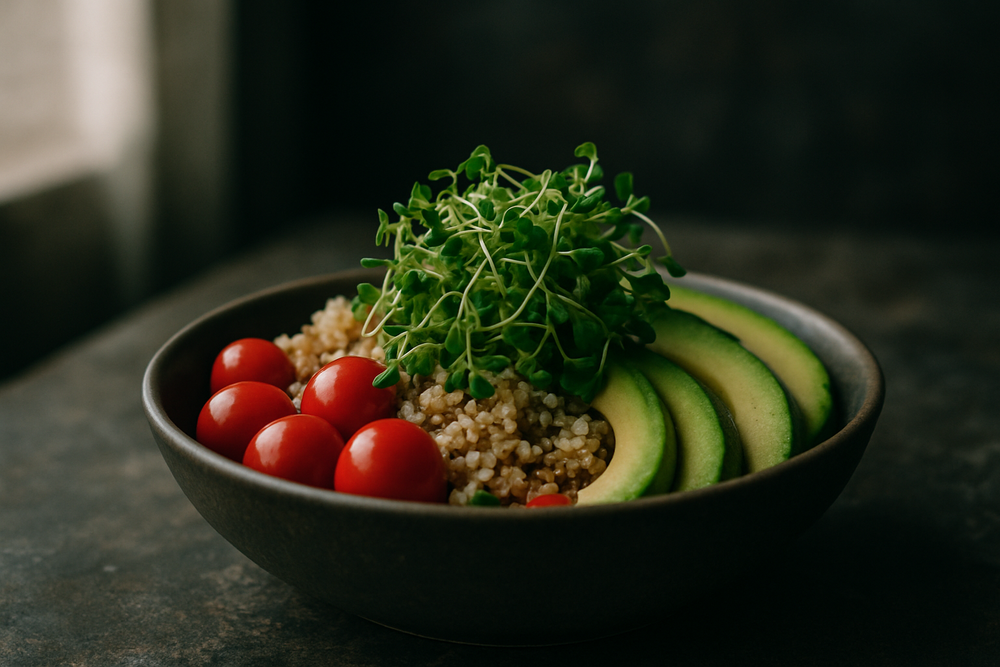
Microgreens · Photograph
Discover microgreens health benefits and how to use them every day — from antioxidant-rich broccoli microgreens to immune-supporting herb varieties. Learn microgreens nutrition facts, safety tips, how much to eat, and which types best fit a whole-food, plant-based diet.
Key Nutrients
% Daily Value based on 2,000 cal diet
Key active compounds
Microgreens aren't just vitamins in miniature form — they also carry a rich mix of phytochemicals (plant compounds with biological activity). Here are the main ones to know:
- Glucosinolates (e.g., glucoraphanin) — Sulfur-containing compounds concentrated in brassica microgreens (broccoli, kale, mustard). When plant tissue is chewed or cut, an enzyme called myrosinase converts them into isothiocyanates such as sulforaphane, which activates the body's own antioxidant and detoxification pathways.
- Sulforaphane precursors — Related to glucoraphanin; broccoli microgreens can contain substantially higher amounts than mature broccoli heads, making them a particularly potent source.
- Flavonoids (quercetin, kaempferol, rutin) — Polyphenolic compounds (plant-based antioxidants) found across many microgreens varieties; linked to vascular, metabolic, and brain-health effects in broader research.
- Phenolic acids (chlorogenic acid, ferulic acid) — Major contributors to the high total antioxidant capacity of microgreens; studied for anti-inflammatory and anti-diabetic properties in laboratory and animal models.
- Carotenoids (beta-carotene, lutein) — Pigments that give microgreens their green, yellow, and orange hues; precursors to vitamin A and directly active in the retina for eye health.
- Anthocyanins — Water-soluble pigments in red and purple microgreens (e.g., red cabbage, amaranth); potent antioxidants that may also support vascular and cognitive health.
- Chlorophyll — Green pigment produced during the photosynthesis (energy-from-light process) that happens in the days of growth; acts as an antioxidant and may support gut detoxification pathways.
- Saponins and tannins — Secondary plant metabolites with potential cholesterol-lowering and antimicrobial properties in preclinical models; their specific contribution from culinary microgreens is still being characterized.
Prep and pairing ideas
Microgreens + avocado toast Top toasted whole-grain bread with mashed avocado and a small handful of pea or sunflower microgreens. The healthy fat in avocado enhances absorption of the fat-soluble vitamins (E, K, beta-carotene) in the microgreens.
Microgreens + lentil soup Scatter broccoli or radish microgreens over a warm lentil soup just before serving. The vitamin C in the microgreens helps the body absorb the non-heme iron in lentils more efficiently — a combination particularly useful in plant-based diets.
Microgreens + grain bowl Add a nest of mixed microgreens to a farro, quinoa, or rice bowl alongside roasted vegetables and a tahini dressing. The bitterness and peppery note of brassica microgreens balances the nuttiness of the grain and adds color, crunch, and concentrated phytochemicals without any extra cooking.
Bottom line
Microgreens are a genuinely nutrient-dense, versatile whole plant food that can add meaningful vitamins, minerals, and protective phytochemicals to meals in a very small volume. The evidence base is growing: mechanistic and early human data suggest real potential for supporting cardiovascular health, blood sugar regulation, immune function, and inflammation management. However, large-scale human clinical trials are still limited, so microgreens are best understood as a valuable component of a diverse, plant-rich diet — not a standalone remedy.
From a practical standpoint, they are one of the easiest foods to incorporate: rinse, scatter, eat. A single handful on a daily bowl, soup, or toast is enough to get started. Choose a variety you enjoy, keep them cold, and treat them like the fresh produce they are.
How Microgreens Compares
| Compared with | What's different |
|---|---|
| Microgreens vs. Mature Leafy Greens | Microgreens are harvested at 7–21 days, containing up to 40 times more nutrients than mature leaves. |
| Microgreens vs. Sprouts | Microgreens grow in soil or substrate and are cut at the stem; sprouts grow in water and are eaten whole. |
Health Benefits
Things to Know
Rinse every time.: Like other raw produce, microgreens can carry bacteria if grown or stored carelessly. Always rinse under cold running water before eating, even if the package says pre-washed.
Warfarin (blood thinner) users: Microgreens — especially leafy and brassica types — are rich in vitamin K, which can interfere with anticoagulant dosing. Do not suddenly increase or decrease intake; keep it consistent and inform your prescriber.
Diabetes medications: Early evidence suggests microgreens may have mild blood glucose-lowering effects. People on insulin, sulfonylureas, or metformin should monitor blood sugar when making significant dietary changes and consult their care team.
Thyroid conditions: Large amounts of cruciferous microgreens (broccoli, kale, cabbage, radish) contain goitrogenic compounds (substances that can theoretically affect iodine metabolism and thyroid function). Typical culinary portions are unlikely to cause harm, but those with thyroid disorders should not consume these in unusually large amounts.
Allergy alert: Microgreens are the seedlings of their parent plant. If you are allergic to mustard, sesame, sunflower seeds, or specific legumes, avoid microgreens from those species.
Immunocompromised individuals: Those undergoing chemotherapy, taking immunosuppressants, or with uncontrolled infections should apply the same caution as for raw sprouts — consult a clinician before eating raw microgreens regularly.
Pregnancy and young children: Standard food safety guidance recommends extra caution with raw sprout-like produce. Thorough rinsing and sourcing from reputable growers is especially important for pregnant people and children.
Kidney stone history: Microgreens generally contain lower oxalate levels than mature leafy greens, which may be an advantage — but speak to a dietitian about total dietary oxalate if you have a history of calcium-oxalate stones.
Glossary
Shop This Ingredient
Stock your pantry with quality microgreens.
Buy on AmazonAs an Amazon Associate, Plantopedia earns from qualifying purchases. This costs you nothing extra and helps us keep the encyclopedia free.
Frequently Asked Questions
Evidence is building but is still mostly early-stage for microgreens specifically. Here's a section-by-section look at what research suggests. Heart and circulation Several reviews highlight brassica microgreens — broccoli, kale, and mustard in particular — as especially promising for cardiovascular health. They're rich in glucosinolates, flavonoids, and polyphenols, all of which show antioxidant, anti-inflammatory, and potential lipid-lowering properties in laboratory and animal studies. Microgreens also supply potassium, magnesium, folate, and vitamin K — nutrients involved in blood pressure regulation, vascular function, and blood-clotting balance. A small pilot study noted that incorporating microgreens into the diet was associated with reductions in blood glucose and better weight control, which are recognized indirect risk factors for cardiovascular disease. However, that study involved few participants, lacked a standardized dose, and has not been replicated in large trials. Current evidence is enough to frame microgreens as a smart addition to a heart-healthy, plant-forward diet — not as a stand-alone intervention. Digestive health and microbiome Microgreens provide small but meaningful amounts of dietary fiber, chlorophyll, and diverse polyphenols. Fiber helps bulk stool and feeds beneficial gut bacteria, which in turn produce short-chain fatty acids (SCFAs — molecules that fuel the cells lining the colon and support immune balance). Research also notes that many microgreens contain lower levels of oxalic acid than their mature counterparts, which may make them gentler for people who need to watch oxalate intake (a concern related to certain types of kidney stones). No clinical trials have yet specifically tested microgreens for microbiome changes or digestive symptoms, so digestive benefits in humans are inferred from what we know about vegetables generally and from early mechanistic research. Blood sugar and metabolism In vitro (cell culture) and animal studies suggest microgreens may help lower blood glucose by modulating carbohydrate-digesting enzymes, improving insulin sensitivity, and reducing oxidative stress that accompanies poor blood sugar regulation. The pilot human study mentioned above also reported blood glucose reductions — encouraging but preliminary. Herb microgreens such as fenugreek, coriander, and basil have been highlighted in preclinical models for glucose-regulating potential, but none of these findings have yet been confirmed in adequately powered human nutrition trials. For people managing diabetes or prediabetes, microgreens can be a sensible low-calorie, low-carbohydrate vegetable choice within a balanced diet, but they should not replace medical management. Inflammation and recovery Multiple reviews consistently report that microgreens show strong antioxidant activity and anti-inflammatory properties in cell and animal models — including suppression of pro-inflammatory signaling molecules called cytokines and reduction of oxidative damage to cells. Brassica microgreens rich in glucosinolates and sulforaphane precursors, and colorful anthocyanin-rich microgreens (red cabbage, amaranth), appear particularly active in these experimental systems. Direct human trials measuring inflammatory biomarkers such as C-reactive protein (CRP — a blood marker of inflammation) in response to microgreens have not yet been published. Benefits for inflammation in people are reasonably inferred from broader evidence on polyphenol-rich vegetable diets, but clinical validation specific to microgreens is still needed. Brain health and neuroprotection Sulforaphane — the compound derived from glucosinolates in broccoli microgreens — has attracted interest in brain-health research because it activates the Nrf2 pathway, a cellular switch that ramps up antioxidant and anti-inflammatory defenses. Anthocyanins in purple microgreens are linked to cognitive function in broader flavonoid research. However, there are currently no published human trials directly testing microgreens for cognitive or neuroprotective endpoints. Research in this area remains largely mechanistic and preclinical.
Fresh, raw, and rinsed is the most evidence-aligned approach for maximizing nutrient content and bioactive compound availability. Here's how different forms compare: Fresh raw microgreens are the gold standard. Eaten raw, they retain their full complement of vitamins, glucosinolates, enzymes, and heat-sensitive antioxidants. A light rinse under cold running water immediately before serving is the most important food safety step. In salads and bowls — mixing microgreens with mature vegetables, legumes, and whole grains broadens the phytochemical profile and enhances overall antioxidant intake. This is the most practical everyday use. In smoothies — small amounts (around 15–20 g) of mild microgreens like pea shoots or sunflower can be blended into cold smoothies, adding chlorophyll and polyphenols. Strongly flavored varieties like mustard or radish can overpower a drink, so start small. Lightly wilted or on warm dishes — placing microgreens on top of a just-plated warm meal (stir-fry, soup, grain bowl) allows some gentle warmth without full cooking. Full cooking degrades heat-sensitive glucosinolates and vitamin C substantially, so microgreens lose much of their nutritional edge when cooked through. Powdered or freeze-dried forms are increasingly available and offer convenience, but current health evidence for these formulations is largely extrapolated from fresh microgreen data. They are not equivalent to fresh for enzyme-dependent pathways (like myrosinase activity that generates sulforaphane), and supplement quality varies widely.
The vegetable-gap eater Struggles to hit daily vegetable targets on busy days Finds strong-tasting leafy greens hard to enjoy Can use microgreens as a low-effort, mild flavor topper on almost any dish — eggs, toast, grain bowls, soups Gets a meaningful nutrient boost without overhauling meals The plant-based diet builder Follows or is transitioning to a whole-food, plant-based or vegan diet May have higher needs for iron, zinc, and B vitamins from plant sources Benefits from broccoli or pea microgreens as a way to increase mineral density; pairing with a vitamin C source improves non-heme iron absorption Appreciates variety of textures and flavors that microgreens bring to meals
There is no established therapeutic dose for microgreens. Human studies have not yet defined an optimal daily amount for any specific health outcome. In culinary practice, the most common range is 15 to 50 grams per day (roughly one to two small, loosely packed handfuls), used as a garnish, salad ingredient, or topping across one or more meals. This is the range that appears in the pilot studies and observational data reviewed in the literature. A practical starting point is about one small handful (15–20 g) added to one meal per day. If you're new to strongly flavored varieties (mustard, radish, arugula), start with milder ones like pea shoots or sunflower and build up. There is no known benefit to consuming very large amounts, and concentrated supplement forms (powders, capsules) should be used with the same care as any dietary supplement — check with a health professional if you are managing a chronic condition.
Fresh from a farmers' market or specialty grocer is the best choice when available. Look for: Vibrant color with no yellowing or sliminess A clean, fresh smell (not sour or musty) Sell-by or harvest date within the past 5–7 days Grown in soil or a clean growing medium (not just water), which tends to yield better flavor and nutrition Pre-packaged supermarket microgreens are convenient and usually fine. Check the date and inspect for any wilting. Open the package, rinse, and use within 2–3 days of opening. Grow-your-own kits are increasingly available and allow you to harvest to order — the freshest possible option. No special equipment is needed; a windowsill and a simple tray are enough for most varieties. Freeze-dried or powdered products add convenience for travel or people who don't consume fresh greens consistently. Read labels carefully: look for single-ingredient powders without fillers, and check that the product is third-party tested. Note that enzyme-dependent pathways (like sulforaphane generation) may be reduced or absent in these forms.
Quick Answers
Common questions, answered in a line.
Broccoli microgreens are a potent source of sulforaphane precursors, containing substantially higher amounts than mature broccoli heads. These compounds activate the body’s own antioxidant and detoxification pathways once they are converted into isothiocyanates during chewing or cutting.
Microgreens contain pigments like beta-carotene and lutein, which are carotenoids that act as precursors to vitamin A and are directly active in the retina. These compounds, along with antioxidants like flavonoids and anthocyanins, may also support vascular and cognitive health.
You should always rinse microgreens under cold running water before eating, even if the packaging indicates they have been pre-washed. Like all raw produce, microgreens can carry bacteria if they are grown or stored carelessly, making proper cleaning essential for food safety.
Individuals taking Warfarin should keep their microgreen intake consistent because these greens are rich in vitamin K, which can interfere with anticoagulant dosing. Additionally, those on diabetes medications or with thyroid conditions should consult their healthcare team due to potential blood sugar-lowering effects and goitrogenic compounds.
Pairing microgreens with healthy fats, such as avocado or tahini dressing, enhances the body's absorption of fat-soluble vitamins like E, K, and beta-carotene. You can also pair them with lentils, as the vitamin C in microgreens helps you absorb non-heme iron more efficiently.
Red and purple microgreens, such as red cabbage or amaranth, contain water-soluble pigments called anthocyanins which are potent antioxidants. These specific varieties are studied for their potential to support both vascular and cognitive health.
Microgreens contain glucosinolates and chlorophyll, which support the body's natural detoxification and antioxidant pathways. Chlorophyll, the green pigment produced during photosynthesis, specifically aids in gut detoxification processes.
For Readers in the USA
Local context — sourcing, seasonality, and regional notes.
You can find fresh microgreens at major US retailers like Whole Foods Market, Trader Joe's, and Sprouts Farmers Market, or at local year-round farmers markets. Many consumers also subscribe to regional "urban farm" delivery services that provide weekly harvests directly to their doorsteps.
Microgreens are grown year-round in the United States because they are primarily cultivated in climate-controlled indoor vertical farms or greenhouses. This controlled environment allows for a consistent supply regardless of your USDA hardiness zone or the outdoor winter temperature.
Look for the USDA Organic seal on microgreen packaging to ensure they were grown without synthetic pesticides or fertilizers. Because microgreens are often grown in soil-free media or hydroponically, organic certification also ensures the seeds used were not chemically treated.
The FDA classifies microgreens as "fresh produce" rather than "sprouts," meaning they are grown in soil or substrate and harvested above the root line. This distinction is important for US food safety, as microgreens generally carry a lower risk of foodborne illness compared to water-grown sprouts.
AI Clinical Review
- Clearly explains what microgreens are and how they differ from sprouts, including why fresh, raw, well‑rinsed microgreens best preserve sensitive nutrients and plant compounds.
- Accurately highlights their nutrient density (vitamins C, E, K, beta‑carotene) and diverse phytochemicals, especially brassica‑derived glucosinolates that can form sulforaphane (a compound that turns on cell‑protective antioxidant pathways).
- Emphasizes practical use: small servings (about 15–50 g/day) as toppers or salad components, pairing with a fat source to improve absorption of fat‑soluble nutrients.
- Notes that microgreens complement, not replace, a varied vegetable intake and that composition varies by species and growing conditions.
- Human trials on specific outcomes (heart health, blood sugar, inflammation, cognition) are limited; much of the support comes from cell/animal studies and a small pilot study, so effect sizes and ideal dosing for people remain uncertain.
- Comparisons showing higher nutrient concentrations than mature vegetables are weight‑for‑weight; because microgreen portions are small, total nutrient contributions at typical intakes may be modest.
- Microbiome and glucose‑regulation benefits are plausible based on broader produce research, but direct, well‑controlled human studies with standardized amounts are still needed.
- Evidence for powders/freeze‑dried forms is less robust; enzyme‑dependent effects (e.g., myrosinase → sulforaphane) may be reduced compared with fresh.
- Medication interactions: many microgreens are rich in vitamin K—if you take warfarin or similar anticoagulants, keep intake consistent and inform your clinician. People on glucose‑lowering drugs should monitor for changes if they significantly increase intake.
- Safety: rinse before eating and refrigerate promptly. Immunocompromised individuals, pregnant people, very young children, and older adults should discuss regular raw microgreen use with a clinician.
- Thyroid considerations: large, frequent amounts of cruciferous microgreens (broccoli, kale, cabbage, radish) contain goitrogenic compounds; typical culinary portions are fine for most, but avoid very high intakes if you have thyroid disease unless guided by your clinician.
- Allergies and kidney stones: avoid species that match known seed/legume allergies (e.g., mustard, sesame, sunflower, pea). Oxalate content is often lower than in mature greens but varies; those with calcium‑oxalate stones should individualize choices with a dietitian.
Rinse before use; keep cold to limit bacterial growth.
References
- USDA MyPlate — Vegetables food group guidance (myplate.gov)
- USDA FoodData Central — Nutrient database for fresh vegetables and emerging foods (fdc.nal.usda.gov)
- Microgreens — A Comprehensive Review of Bioactive Molecules and Health Benefits, PMC review (pmc.ncbi.nlm.nih.gov)
- Sprouts and Microgreens — Novel Food Sources for Healthy Diets, PMC review covering food safety and nutrition (pmc.ncbi.nlm.nih.gov)
- Microgreens on the Rise: Expanding Our Horizons from Farm to Functional Food, PMC review (pmc.ncbi.nlm.nih.gov)
- The Role of Emerging Micro-Scale Vegetables in Human Diet and Health Benefits, PubMed review (pubmed.ncbi.nlm.nih.gov)
- Nutritional quality profiles of six microgreens — species-specific nutrient data, Scientific Reports (nature.com)
- Pilot data on microgreens and blood glucose — USDA Agricultural Research Service summary (agresearchmag.ars.usda.gov)
- Comprehensive review on herb microgreens as emerging functional foods, PubMed (pubmed.ncbi.nlm.nih.gov)
- Microgreens: nutritional properties, health benefits, production, and quality — 2025 review, PMC (pmc.ncbi.nlm.nih.gov)
Know Your Numbers
Eating healthy is a start. Now get to know your biomarkers.
Food changes bloodwork — inflammation, lipids, blood sugar and nutrient status all respond to what you eat. 59 markers from $59.
- Results in 7–10 days at 2,000+ Quest sites
- Licensed provider reviews every result
- One flat price, no membership, HSA/FSA eligible
Educational information only, not medical advice. Panels are ordered and reviewed through our licensed partner; Plantopedia may earn a commission.