Millet Flour — health benefits and uses
A whole-grain flour central to African and South Asian flatbread traditions.
The Short Answer
Millet flour is a gluten-free whole grain flour providing 11g of protein and 3.9mg of iron per 1/3 cup serving. It is best used for flatbreads or blended with other flours to add a mild sweetness and tender crumb to baked goods.
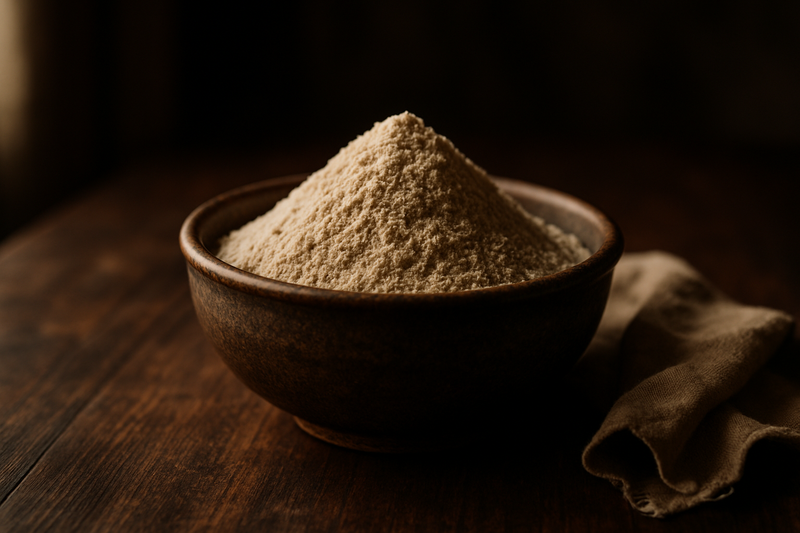
Millet Flour · Photograph
Discover the millet flour health benefits, full nutrition facts, and practical baking tips. Learn how this mild, gluten-free whole grain flour compares to wheat flour, who should use it with caution, and how to add it to your diet today.
Key Nutrients
% Daily Value based on 2,000 cal diet
Key active compounds
Millet flour's benefits come not just from its macronutrient profile but from a suite of phytochemicals (plant-derived bioactive compounds):
- Phenolic acids (e.g., ferulic acid): Found mainly in the bran layer of whole grain millet flour. Phenolic acids are antioxidant compounds that may help protect cells from oxidative stress — essentially, damage caused by unstable molecules called free radicals.
- Flavonoids: A broader class of polyphenolic (multi-ring, plant-based) compounds present in whole millet grains. Research suggests they may support blood vessel health and modulate inflammatory signals, though specific human data on millet flour are limited.
- Phytosterols: Plant sterols — molecules structurally similar to cholesterol — naturally found in grains and seeds. When consumed regularly and in sufficient amounts, phytosterols can modestly lower LDL ("bad") cholesterol by competing with dietary cholesterol for absorption in the gut.
Buying guide
What to look for on the label:
- "Whole grain millet flour" on the ingredient list — not just "millet flour" without clarification, which could be partially refined.
- Certified gluten-free seal if you have celiac disease or severe wheat sensitivity. Millet is naturally gluten-free, but cross-contact during processing is a real risk unless the product is produced in a dedicated facility.
- Organic certification if pesticide minimization matters to you, though evidence that organic grain flour is nutritionally superior is mixed.
- Short ingredient list — ideally just millet. Avoid blends with added starches or sugars unless you are intentionally buying a pre-blended mix.
Fresh vs. shelf life: Whole grain flours contain more natural oils than refined flours and can go rancid (develop an off, bitter smell) faster. Buy in smaller quantities, store in an airtight container, and refrigerate or freeze if you do not plan to use it within 2–3 months. Smell before using — fresh millet flour has a mild, slightly sweet, grain-like scent.
Prep and pairing ideas
Millet flour is versatile but behaves differently from wheat flour because it contains no gluten — the protein that gives wheat dough its stretch and structure. Here are practical ways to use it:
- Flatbreads and rotis: Millet flour shines in flatbreads. Mix with warm water, a pinch of salt, and optionally a small amount of oil. Cook on a dry cast-iron skillet. It holds together well in thin, unleavened (no-yeast) breads.
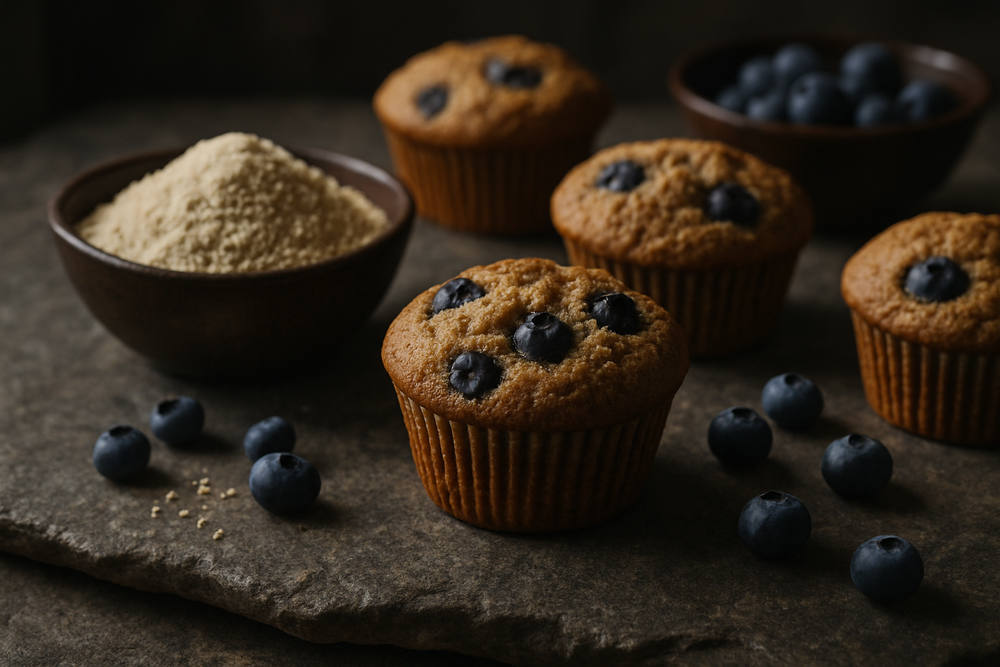
- Muffins and quick breads: Replace up to 25–50% of all-purpose or rice flour with millet flour in most muffin recipes. It adds a subtle sweetness and a tender crumb without making baked goods gummy.
- Blended gluten-free flour base: Combine with sorghum flour, tapioca starch, and a binder like psyllium husk or flaxseed for a versatile all-purpose gluten-free blend. A common ratio is 2 parts millet flour : 1 part tapioca starch : 1 part sorghum flour.
- Porridge and thickener: Millet flour can be whisked into hot liquid to make a creamy porridge or used to thicken soups and gravies.
- Coating for vegetables: Lightly dust vegetables in millet flour before pan-frying for a thin, crisp, gluten-free coating.
Common pairings:
- Millet flour + lemon + blueberries (muffins): The mild sweetness of millet flour complements citrus and berry flavors without competing. The acidity also helps activate baking powder for a better rise.
- Millet flour + cumin + carom seeds (flatbreads): Classic spice pairings for Indian-style millet rotis. The warming spices balance the nuttiness of the flour and support digestive comfort.
- Millet flour + sorghum flour + psyllium husk (bread blends): Sorghum adds protein and a mild sweetness; psyllium husk (a soluble fiber) acts as a gluten substitute, binding the dough and improving texture. This trio creates one of the most nutritionally complete gluten-free bread bases available.
Bottom line
Millet flour is a genuinely nutritious, naturally gluten-free whole grain flour that earns its place in a food-as-medicine kitchen. It delivers more protein, iron, magnesium, and B vitamins than most refined gluten-free alternatives, and its fiber and phytochemical content align with the broader whole-grain evidence base for heart, digestive, and metabolic health.
The honest caveat: direct human clinical trials on millet flour specifically are still limited. Most of what we know extrapolates from whole millet grain studies or animal research. That makes it a very promising ingredient — not a proven therapeutic. Used thoughtfully, as part of a varied, whole-food diet, millet flour is an easy, flavorful, and nutritionally meaningful upgrade to gluten-free baking.
Ready to explore how millet flour fits into your personal health goals? Browse the Plantopedia Goals Hub to find ingredient and recipe guidance tailored to what matters most to you.
How Millet Flour Compares
| Compared with | What's different |
|---|---|
| Millet Flour vs. Rice Flour | Higher in protein (11g) with a mild, sweet flavor, whereas rice flour is more neutral and starchy. |
| Millet Flour vs. Almond Flour | Nut-free and higher in iron, while almond flour provides more fat and a grain-free profile. |
| Millet Flour vs. Sorghum Flour | Naturally gluten-free with a yellow hue; sorghum has a more neutral taste and behaves like wheat. |
Health Benefits
Things to Know
Celiac disease / gluten intolerance: Millet flour is naturally gluten-free, but cross-contact with wheat during milling is possible. Always choose certified gluten-free products if you have celiac disease or non-celiac gluten sensitivity.
Thyroid conditions: Very high reliance on millet as a dietary staple — particularly in populations with low iodine intake — has been associated with thyroid dysfunction in broader millet grain literature. Using millet flour as one flour among many is very different from eating it as your sole starchy staple. If you have thyroid disease or are on thyroid medication (e.g., levothyroxine), discuss significant dietary changes with your provider.
Diabetes and blood sugar management: Millet flour is a high-carbohydrate ingredient and must be counted in carbohydrate budgets. Work with a dietitian to incorporate it sensibly.
Digestive sensitivity: The fiber content, while beneficial for most people, can cause gas, bloating, or changes in bowel habits if introduced too quickly. Start with small amounts and build up gradually.
Medication interactions:
Antidiabetic medications: Carbohydrate from millet flour contributes to post-meal blood glucose; monitor as directed if adjusting your diet significantly.
Levothyroxine (thyroid replacement): Standard practice is to take it on an empty stomach and separate it from high-fiber meals; consult your prescriber.
Antihypertensive medications: Increasing potassium and whole-grain intake may modestly affect blood pressure; monitor and inform your provider if you make large dietary shifts.
Millet allergy: Rare but possible. If you are new to millet flour, introduce it gradually and watch for any unusual reactions.
Pregnancy: Millet flour is generally considered safe in normal culinary amounts during pregnancy. Its iron and B vitamin content may be useful, but prenatal nutritional needs should be managed with a healthcare provider.
Prep Ideas
- — Flatbreads and rotis: Millet flour shines in flatbreads. Mix with warm water, a pinch of salt, and optionally a small amount of oil. Cook on a dry cast-iron skillet. It holds together well in thin, unleavened (no-yeast) breads.
- — Muffins and quick breads: Replace up to 25–50% of all-purpose or rice flour with millet flour in most muffin recipes. It adds a subtle sweetness and a tender crumb without making baked goods gummy.
- — Blended gluten-free flour base: Combine with sorghum flour, tapioca starch, and a binder like psyllium husk or flaxseed for a versatile all-purpose gluten-free blend. A common ratio is 2 parts millet flour : 1 part tapioca starch : 1 part sorghum flour.
- — Porridge and thickener: Millet flour can be whisked into hot liquid to make a creamy porridge or used to thicken soups and gravies.
- — Coating for vegetables: Lightly dust vegetables in millet flour before pan-frying for a thin, crisp, gluten-free coating.
- — Millet flour + lemon + blueberries (muffins): The mild sweetness of millet flour complements citrus and berry flavors without competing. The acidity also helps activate baking powder for a better rise.
- — Millet flour + cumin + carom seeds (flatbreads): Classic spice pairings for Indian-style millet rotis. The warming spices balance the nuttiness of the flour and support digestive comfort.
- — Millet flour + sorghum flour + psyllium husk (bread blends): Sorghum adds protein and a mild sweetness; psyllium husk (a soluble fiber) acts as a gluten substitute, binding the dough and improving texture. This trio creates one of the most nutritionally complete gluten-free bread bases available.
Glossary
Shop This Ingredient
Stock your pantry with quality millet flour.
Buy on AmazonAs an Amazon Associate, Plantopedia earns from qualifying purchases. This costs you nothing extra and helps us keep the encyclopedia free.
Frequently Asked Questions
The following sections summarize what the current science says — and where evidence is still emerging. Most research on millet flour specifically is limited; many findings are extrapolated from whole millet grain studies or broader whole-grain dietary research. Heart and circulation Millet flour contributes fiber, magnesium, potassium, and plant-based protein — all nutrients associated with better cardiovascular (heart and blood vessel) health in whole-grain-rich dietary patterns. Magnesium plays a role in regulating heart rhythm and blood pressure. Potassium helps counterbalance the effects of sodium on blood pressure. Animal research published in 2023 (PubMed ID 37272597) found that diets based on whole and germinated (sprouted) millet flour improved lipid profiles — including cholesterol and triglyceride levels — and biometric markers compared with control diets. This is promising, but direct clinical trials in humans are not yet available, so the heart-health case for millet flour rests mainly on its nutrient composition and the larger body of whole-grain research. Digestive health and microbiome Whole grain millet flour provides roughly 3.5 g of dietary fiber per 100 g, primarily insoluble fiber (the type that adds bulk to stool and supports regular bowel movements). Replacing very low-fiber refined flours with millet flour in everyday baking can meaningfully increase daily fiber intake. The same 2023 animal study noted improvements in intestinal morphology (the structure of the gut lining) in animals fed millet flour diets, suggesting possible prebiotic-like effects — meaning the flour may help support a healthier gut environment. Human studies confirming this are still needed. People with irritable bowel syndrome (IBS) or other digestive sensitivities should introduce millet flour gradually, as a sudden increase in fiber can cause temporary gas and bloating. Blood sugar and metabolism Millet flour is a high-carbohydrate food — about 75 g of carbohydrate per 100 g — but its protein, fiber, and micronutrient content may slow the rate at which those carbohydrates are absorbed compared with ultra-refined starch flours. A slower rise in blood glucose (blood sugar) after eating is generally considered beneficial. That said, direct human trials evaluating glycemic control specifically with millet flour products are limited. Current guidance extrapolates from studies on whole millet grains and the broader evidence that whole-grain intake is associated with lower type 2 diabetes risk. Millet flour is not a low-carb food, and people managing diabetes should still count it as a significant carbohydrate source in meal planning. Inflammation and recovery Millet flour's phenolic acids and flavonoids have demonstrated antioxidant activity in laboratory and animal settings, which may help reduce oxidative stress and low-grade, chronic inflammation — the kind linked to many lifestyle diseases. However, no direct human trials have measured inflammatory markers after millet flour consumption specifically, so any anti-inflammatory claim remains potential rather than clinically proven.
Not all millet flour is the same. Here is how the main forms compare: Whole grain millet flour: Milled from the entire grain, retaining bran and germ. Highest in fiber, iron, magnesium, and B vitamins. Best choice for maximizing nutritional value. May produce denser baked goods. Sprouted (germinated) millet flour: Made from millet grains that have been allowed to sprout before milling. The sprouting process can improve protein quality and may increase the bioavailability (how well your body absorbs) of certain nutrients. Emerging animal research is encouraging; human data are limited. Refined millet flour: Bran and outer layers are partially removed before milling. Lighter texture, milder flavor, but noticeably lower in fiber and micronutrients. Closer in profile to refined wheat flour. Blended gluten-free flour mixes containing millet flour: Often combined with sorghum, rice, or legume flours for better texture and protein balance. A practical middle ground for everyday gluten-free baking. Nutritional value depends on the specific blend. For most people using millet flour in a whole-food, plant-based diet, whole grain millet flour is the best default choice.
There is no established clinical dose for millet flour as a supplement; it is a food ingredient, not a medicine. In practical terms: Typical culinary serving: 30–60 g (roughly ¼–½ cup) per recipe serving, used as part of a mixed meal. Dietary pattern context: Studies on millet grain generally look at 50–100 g of millet per day as part of a varied diet. Using millet flour within that range — replacing, not just adding to, other carbohydrate sources — is a sensible benchmark. Start low if you are new to it: If your current diet is low in fiber, begin with smaller amounts (e.g., 30 g in one recipe a few times a week) and increase gradually to avoid digestive discomfort. No upper limit is officially established for healthy adults, but balance is key — no single flour should dominate the diet. Variety among whole grain flours (millet, sorghum, teff, oat, buckwheat) ensures a broader micronutrient and phytochemical intake. For people managing diabetes, carbohydrate counting remains essential regardless of flour type. A dietitian can help you find the right portion that fits your glucose targets.
Quick Answers
Common questions, answered in a line.
Millet flour is naturally gluten-free, but it is prone to cross-contact with wheat during processing. To ensure safety for celiac disease or severe sensitivities, look for a certified gluten-free seal on the label and products from dedicated facilities.
Millet flour is best stored in an airtight container in the refrigerator or freezer to prevent it from going rancid. Because whole grain flours contain natural oils, they can develop a bitter smell if left at room temperature for more than 2 to 3 months.
In most muffin and quick bread recipes, you can replace 25% to 50% of all-purpose or rice flour with millet flour. Because it lacks gluten, it is often blended with other ingredients like sorghum flour and starches to provide better structure for baked goods.
While millet flour is a nutritious whole grain, consuming it as a sole dietary staple may be associated with thyroid dysfunction, especially if iodine intake is low. Individuals with thyroid disease or those taking levothyroxine should consult a provider before making it a major part of their diet.
Fresh millet flour has a mild, slightly sweet, and grain-like scent. If the flour smells off or bitter, it has likely gone rancid due to its natural oil content and should not be used.
Millet flour contains phytosterols, which are plant molecules that compete with dietary cholesterol for absorption in the gut. Regularly consuming these plant sterols in sufficient amounts can help modestly lower LDL, or "bad" cholesterol.
Millet flour contains phenolic acids and flavonoids, which are phytochemicals that help protect cells from oxidative stress. These compounds may also support blood vessel health and help modulate inflammatory signals in the body.
For Readers in the USA
Local context — sourcing, seasonality, and regional notes.
You can find millet flour at major U.S. retailers like Whole Foods Market, Sprouts Farmers Market, and Kroger, often under brands like Bob’s Red Mill or Arrowhead Mills. Many shoppers also purchase it through online marketplaces or at local health food cooperatives and international grocery stores.
While millet is primarily grown in the Great Plains—specifically Colorado, Nebraska, and South Dakota—millet flour is available year-round in U.S. stores due to its long shelf life as a dry staple. Most domestic production is harvested in late summer or early fall, but the flour remains a consistent pantry item throughout the year.
To ensure safety for those with celiac disease, look for the "Certified Gluten-Free" seal, as the FDA allows a "gluten-free" label only if the product contains less than 20 ppm of gluten. Because grains are often processed on shared equipment, the third-party certification provides an extra layer of verification beyond standard FDA labeling.
In the U.S., millet flour is a staple in gluten-free baking circles and is frequently used to make traditional flatbreads like bajra roti in Indian-American communities. It has gained popularity in the American "ancient grains" movement as a nutrient-dense alternative for muffins, pancakes, and artisan gluten-free bread loaves.
AI Clinical Review
- Clearly explains that millet flour is naturally gluten‑free and generally more nutrient‑dense (iron, magnesium, some B vitamins) than many refined gluten‑free flours like rice or tapioca, which can improve the quality of gluten‑free baking.
- Accurately frames most health claims as extrapolations from whole‑grain research and limited animal studies, noting the lack of direct human trials with millet flour products.
- Offers practical, evidence‑consistent baking guidance (use in flatbreads; blend with sorghum/tapioca plus binders like psyllium) to address the absence of gluten for structure.
- Appropriately stresses certified gluten‑free labeling for people with celiac disease and gives sensible storage advice to prevent rancidity in whole‑grain flours.
- Cardiometabolic outcomes: animal data suggest lipid improvements with millet‑flour diets, but randomized human trials on cholesterol, blood pressure, or clinical endpoints are scarce; benefits remain plausible rather than proven.
- Glycemic impact: whole‑grain millet products may blunt post‑meal glucose versus ultra‑refined starches, yet standardized human studies using millet flour in real‑world recipes are limited and results likely vary by recipe and portion size.
- Gut health and inflammation: antioxidant and possible prebiotic effects are supported mainly by lab/animal work; human data linking millet flour to microbiome shifts or lower inflammatory markers are not yet robust.
- Variability by species and processing: nutrient and phytochemical profiles differ among millet types (e.g., proso, pearl, finger) and forms (whole, sprouted, refined), so one “millet flour” may not equal another nutritionally or glycemically.
- Portion and carbs: millet flour is still a high‑carbohydrate ingredient. A typical culinary amount (about 30–60 g or ¼–½ cup flour per serving) should be counted toward carbohydrate goals, especially for people managing diabetes; monitor post‑meal readings when you first incorporate it.
- Thyroid considerations: very high reliance on millet in the setting of low iodine has been linked to thyroid dysfunction. If you have thyroid disease or take levothyroxine, separate the medication from high‑fiber meals and discuss substantial dietary changes with your clinician.
- Celiac and gluten sensitivity: choose products certified gluten‑free to reduce cross‑contact risk; this is more important than with many other grains due to shared milling/packing lines.
- Form matters: whole‑grain flour generally offers the most fiber and minerals; sprouted flour may improve nutrient bioavailability, while refined flour is lighter but less nutritious. Introduce gradually to minimize gas/bloating, and be aware that millet allergy, while uncommon, can occur.
Naturally gluten-free and generally well tolerated.
References
- USDA FoodData Central — Millet flour nutritional data (fdc.nal.usda.gov)
- MyPlate — Grains guidance (millet as a whole-grain option) (myplate.gov)
- Germinated and non-germinated cooked whole millet flours: protein quality, biochemical profile, and intestinal health in vivo — PubMed (animal study, 2023) (pubmed.ncbi.nlm.nih.gov)
- Foodstruct — Millet flour nutrition and composition analysis (foodstruct.com)
- NutritionValue — Millet flour nutritional value profile (nutritionvalue.org)
- DietCompass — Millet flour nutrition facts (dietcompass.org)
- FitAudit — Millet flour nutrition summary (fitaudit.com)
- Kimecopak — Millet flour: meaning, benefits, nutrition, and uses (kimecopak.ca)
- TheHealthy — Is millet flour healthy? Benefits, nutrition, and uses (thehealthy.com)
- Purcell Mountain Farms — Organic millet flour product nutrition panel (shop.purcellmountainfarms.com)
Know Your Numbers
Eating healthy is a start. Now get to know your biomarkers.
Food changes bloodwork — inflammation, lipids, blood sugar and nutrient status all respond to what you eat. 59 markers from $59.
- Results in 7–10 days at 2,000+ Quest sites
- Licensed provider reviews every result
- One flat price, no membership, HSA/FSA eligible
Educational information only, not medical advice. Panels are ordered and reviewed through our licensed partner; Plantopedia may earn a commission.