Nutritional Yeast — health benefits and uses
A modern plant-based staple for savory, umami depth.
The Short Answer
Nutritional yeast is a deactivated yeast used as a savory seasoning, providing 5g of complete protein and over 200mcg of Vitamin B12 per serving. It is prized in plant-based cooking for its nutty, cheese-like flavor and high concentration of B vitamins.
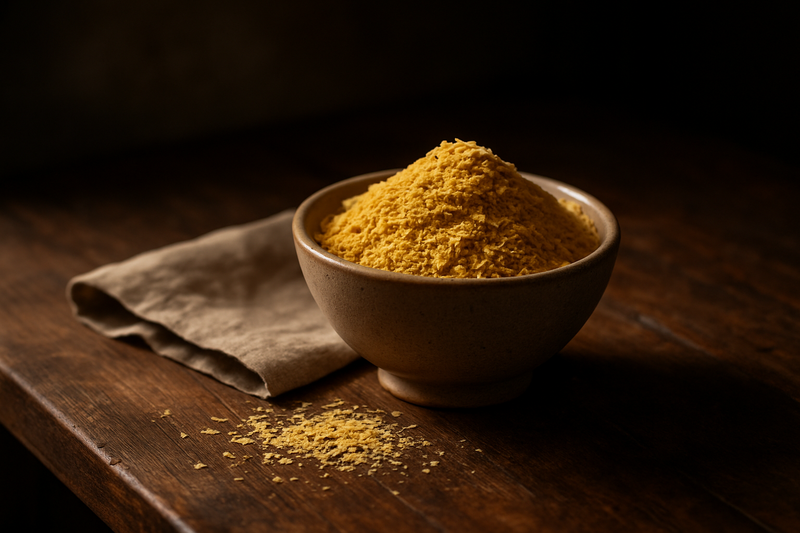
Nutritional Yeast · Photograph
Discover the science-backed nutritional yeast benefits and side effects in one clear guide. Learn how this cheesy, nutty seasoning supports energy, brain health, and B12 intake for vegans — plus who should use caution before adding it daily.
Key Nutrients
% Daily Value based on 2,000 cal diet
Key active compounds
- Yeast beta-glucans — Branched polysaccharide fibers (meaning long chains of glucose molecules) found in the yeast cell wall. They can bind bile acids and lipids in the gut, contributing to modest cholesterol reduction. Early research also suggests they may prime innate immune cells, though most evidence comes from cell and animal studies, not large human trials.
- Complete protein — Nutritional yeast contains all nine essential amino acids (the building blocks your body cannot make itself), making it one of the few plant-derived complete protein sources.
- B-vitamin complex (in fortified versions) — Thiamine (B1), riboflavin (B2), niacin (B3), vitamin B6, folate (B9), and vitamin B12 are added during fortification. These vitamins work as cofactors — helper molecules — in energy metabolism, DNA repair, and nervous system signaling.
- Glutamic acid — A naturally occurring amino acid that gives nutritional yeast its umami, cheese-like taste without the saturated fat of dairy.
- Tyramine — A naturally occurring compound in some yeast products. Relevant mainly for people taking MAOI medications or those prone to tyramine-triggered migraines (see cautions below).
Prep and pairing ideas
Nutritional yeast is one of the most flexible seasonings in a plant-based kitchen. Here are a few simple applications:
Classic popcorn topping Toss fresh-popped popcorn with a drizzle of olive oil or melted coconut oil, then shake over 1–2 tablespoons of nutritional yeast and a pinch of smoked paprika. The fat helps the flakes adhere and the result is genuinely cheesy tasting.
Quick pasta "parmesan" Finish any pasta dish with a tablespoon of nutritional yeast blended with toasted pine nuts, garlic powder, and a little lemon zest. Pulse in a blender for 20 seconds and store the mix in the fridge for up to two weeks.
Creamy sauce base Blend 3 tablespoons of nutritional yeast with 1 cup of unsweetened plant milk, 1 tablespoon of tahini, a squeeze of lemon, and a pinch of turmeric for a quick golden sauce that works over grains, cauliflower, or baked potatoes.
Common pairings and why they work:
- Lemon juice — Brightens the savory, slightly sulfurous notes of nutritional yeast and balances its richness, the same way acid balances aged cheese.
- Garlic and onion powder — Layering allium aromatics amplifies the umami depth and creates a flavor profile closer to a full cheese sauce.
- Cashews or sunflower seeds — Adding fat and creaminess from nuts or seeds turns nutritional yeast from a dry topping into a thick, pourable sauce suitable for pizza or pasta.
Bottom line
Nutritional yeast earns its place in a smart pantry. As a seasoning, it adds a genuinely satisfying cheesy flavor to plant-based dishes for very few calories and very little fat. As a nutritional tool, fortified varieties offer a practical, food-first route to meeting vitamin B12 needs on a plant-predominant diet — something that genuinely matters for long-term health. The supporting benefits — modest cholesterol support from beta-glucans, B-vitamin contributions to energy and nervous system health, and early-stage immune research — are real but should be held with appropriate perspective: most are based on early or indirect evidence, and nutritional yeast works best as part of a varied, whole-food diet rather than as a standalone supplement.
For most people, 1–2 tablespoons of fortified flakes per day is safe, enjoyable, and nutritionally meaningful. If you have a yeast sensitivity, histamine intolerance, IBS, IBD, or take MAOI medications, read the cautions section and check with your healthcare provider before making it a daily habit.
Curious how nutritional yeast fits into your specific health goals? Explore Plantopedia's goal-based guides to find ingredient combinations built around what matters most to you.
How Nutritional Yeast Compares
| Compared with | What's different |
|---|---|
| Nutritional Yeast vs. Active Dry Yeast | An active leavening agent used for baking bread, whereas nutritional yeast is inactive and savory. |
| Nutritional Yeast vs. Brewer's Yeast (Marmite) | A concentrated, salty paste made from yeast extract; nutritional yeast is sold as dry, nutty flakes. |
| Nutritional Yeast vs. Parmesan Cheese | Nutritional yeast provides a cheesy umami flavor and B12 without the saturated fats found in dairy. |
Health Benefits
Things to Know
Yeast allergy or sensitivity: Even though nutritional yeast is deactivated and non-living, some people with a yeast allergy or intolerance can still react. Start with a small amount and monitor for skin reactions, itching, or gastrointestinal symptoms.
Histamine intolerance: Yeast-derived products can contain or trigger histamine release in sensitive individuals. Those with histamine intolerance or mast cell activation syndrome should introduce nutritional yeast slowly or avoid it.
MAOI medications: Monoamine oxidase inhibitors — a class of antidepressants — combined with tyramine-containing foods (which include some nutritional yeast products) can cause dangerous spikes in blood pressure. If you take an MAOI, consult your prescribing physician before using nutritional yeast regularly.
Tyramine-triggered migraines: Some people with chronic migraines find that tyramine-rich foods worsen headache frequency. If nutritional yeast coincides with headaches, reduce your intake and track symptoms.
IBS and sensitive digestion: The fiber content can provoke bloating, gas, or loose stools if you increase intake suddenly. Start with 1 teaspoon, not a full tablespoon.
Inflammatory bowel disease (Crohn's, ulcerative colitis): Evidence is mixed on yeast antigens and IBD flares. Some people with Crohn's disease produce antibodies to Saccharomyces cerevisiae. Discuss with your gastroenterologist if you have active IBD.
Multiple fortified foods: If you already eat B12-fortified plant milks, cereals, or take a B-complex supplement, be mindful of cumulative niacin and B6 intake from fortified nutritional yeast, as very high ongoing intakes of these B vitamins — far above typical culinary use — can cause flushing (niacin) or nerve-related symptoms (B6).
Pregnancy and breastfeeding: Fortified nutritional yeast can contribute to meeting folate and B12 needs, but total intake from all sources should be coordinated with a midwife, OB, or dietitian.
Children: Small amounts of fortified nutritional yeast are used in many family plant-based diets, but B12 needs and upper limits differ by age. Consult a pediatric dietitian for children under 12.
Prep Ideas
- — **Lemon juice** — Brightens the savory, slightly sulfurous notes of nutritional yeast and balances its richness, the same way acid balances aged cheese.
- — **Garlic and onion powder** — Layering allium aromatics amplifies the umami depth and creates a flavor profile closer to a full cheese sauce.
- — **Cashews or sunflower seeds** — Adding fat and creaminess from nuts or seeds turns nutritional yeast from a dry topping into a thick, pourable sauce suitable for pizza or pasta.
Shop This Ingredient
Stock your pantry with quality nutritional yeast.
Buy on AmazonAs an Amazon Associate, Plantopedia earns from qualifying purchases. This costs you nothing extra and helps us keep the encyclopedia free.
Frequently Asked Questions
Heart and circulation Nutritional yeast contains beta-glucans, the same family of soluble fibers found in oats and barley. Soluble fiber can bind to cholesterol-containing bile acids in the gut, pulling them out of circulation before they are reabsorbed. In one human study cited in nutrition reviews, men with elevated cholesterol who consumed 15 g of yeast-derived beta-glucan daily for eight weeks saw roughly a 6% reduction in total cholesterol levels. The important caveat: that study used a concentrated beta-glucan supplement, not typical flake-sized culinary servings. Two tablespoons of nutritional yeast flakes provides only a fraction of 15 g, so the direct heart benefit from seasoning use alone is likely modest. That said, swapping nutritional yeast for high-sodium, high-fat cheese toppings still shifts the overall nutritional picture in a heart-favorable direction. Digestive health and microbiome A 2-tablespoon serving contributes roughly 2 g of fiber, which adds to daily stool bulk and helps support regular bowel habits. The fiber is also a potential prebiotic — meaning it may feed beneficial bacteria in the gut, though the evidence for nutritional yeast specifically acting as a prebiotic is still emerging. Some people, particularly those with irritable bowel syndrome (IBS) or generally sensitive digestion, may notice bloating or gas when they first introduce nutritional yeast. This is a normal adjustment response to increased fiber. Introducing it gradually — starting with one teaspoon — usually resolves the issue. Blood sugar and metabolism Nutritional yeast is low in sugar and contributes protein and fiber, two nutrients that slow the absorption of glucose (blood sugar) into the bloodstream after a meal. Replacing high-sugar or refined toppings with nutritional yeast may therefore contribute to a more moderate blood glucose response. However, no direct human trials have tested nutritional yeast as a specific intervention for blood sugar control. Any benefit here is indirect and should not replace evidence-based dietary strategies for people managing diabetes. Hormones and cycle health The B vitamins in fortified nutritional yeast — particularly B6 and folate — support hormone metabolism and are involved in the production of neurotransmitters such as serotonin and dopamine. Folate is especially important before and during early pregnancy, as it reduces the risk of neural tube defects. Nutritional yeast can be a convenient folate source within a balanced pre-conception or pregnancy diet, but total intake from all fortified foods and prenatal supplements should be tracked to avoid excessive levels. Inflammation and recovery Yeast beta-glucans and other cell-wall components have shown the ability to modulate cytokine responses — the chemical signals your immune system uses to coordinate inflammation — in laboratory and animal models. A process sometimes called "trained immunity" has been observed, where beta-glucans appear to shift immune cells into a more alert, responsive state. Translating this to human anti-inflammatory outcomes is a significant leap that current clinical evidence does not fully support. The research is mechanistically interesting but preliminary. Frame any inflammation benefit as possible and mechanism-based, not proven. Nutritional yeast for energy and brain health Fortified nutritional yeast can provide several hundred percent of the Daily Value for thiamine, riboflavin, niacin, and B6 in a single serving. These B vitamins act as coenzymes — molecules that help enzymes do their jobs — in the pathways your cells use to convert carbohydrates, fats, and proteins into usable energy (ATP). Vitamin B12 supports the fatty myelin sheath that insulates nerve fibers, which is why B12 deficiency can manifest as brain fog, numbness, or mood changes before other symptoms appear. No randomized clinical trials have directly shown that adding nutritional yeast to your diet improves subjective energy or cognitive performance in people who are already B-vitamin sufficient. The benefit is most meaningful for people who are at risk of falling short on B vitamins — such as vegans, older adults, or those with absorption issues. Nutritional yeast for immune support The immune-modulating properties of yeast beta-glucans are the most frequently cited immune claim for nutritional yeast. Early experimental work — including studies on innate immune cell activation and animal infection models — shows promise. However, well-controlled human clinical trials measuring real immune outcomes (such as reduced infection frequency or improved vaccine responses) using culinary amounts of nutritional yeast specifically are limited. Until that evidence matures, immune support claims should be treated as preliminary.
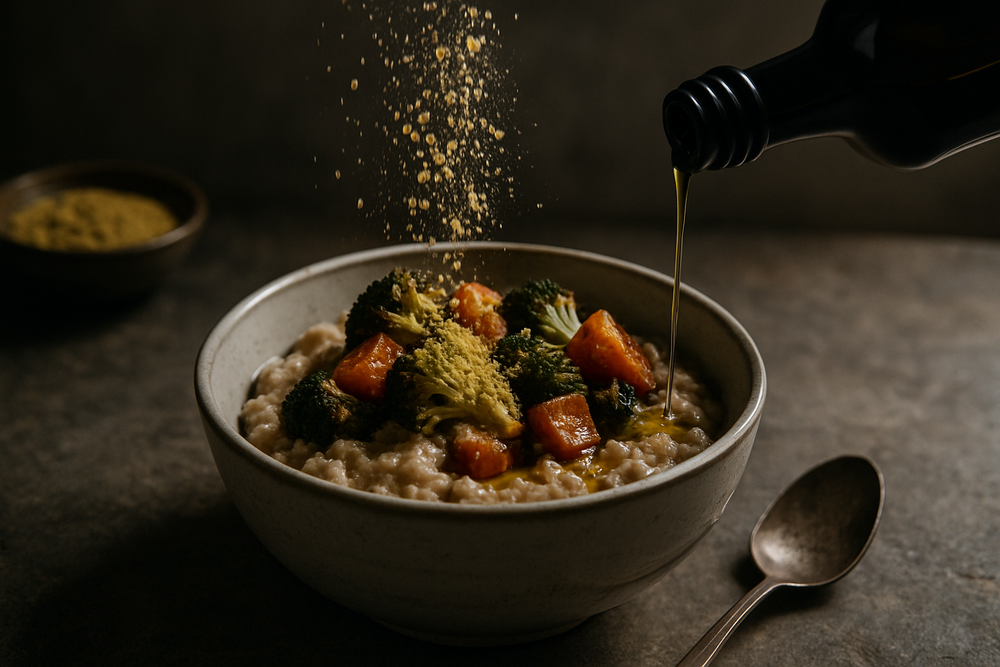
The plant-based eater navigating B12 Fortified nutritional yeast can cover or significantly contribute to the daily B12 requirement in just 1–2 tablespoons. Also adds complete protein, which can be harder to source on a vegan diet. Check the label every time — B12 content varies enormously by brand, and some unfortified products contain essentially none. The flavor-first cook trying to cut saturated fat Nutritional yeast's umami depth can replace or reduce parmesan, heavy cream sauces, or processed cheese in recipes. Very low in fat (less than 1 g per serving) and naturally low in sodium compared with most cheeses. Works in savory oatmeal, grain bowls, roasted vegetables, and homemade dressings — not just pasta.
Fortified flakes (recommended for most people) The large golden flakes sold in most health food and grocery stores. Fortification adds B12 (usually as cyanocobalamin, the stable synthetic form), thiamine, riboflavin, niacin, B6, and sometimes folate. This is the form most relevant to people seeking nutritional yeast health benefits beyond just flavor. Look for a product where the B12 content is explicitly listed in micrograms on the nutrition panel, not just the % DV. Unfortified flakes or powder Provides protein, fiber, glutamates, and some naturally occurring B vitamins, but negligible B12. A reasonable choice if you already get B12 from other reliable fortified sources or supplements and you simply want the flavor and protein benefit. Not a standalone B12 solution. Powdered nutritional yeast Finer texture than flakes; dissolves easily into sauces, dressings, and spice blends. Nutritional profile is similar to flakes but check the fortification on the label, as powdered versions vary by brand. Seasoning blends and "vegan cheese" sauces Nutritional yeast is often pre-blended with spices, nuts, or plant milks. Convenient, but you have less control over B12 dose and sodium content. Read the ingredient list and nutrition panel carefully. Concentrated beta-glucan supplements or yeast protein capsules These are a different category than culinary nutritional yeast. Clinical studies on cholesterol or immune effects often use these concentrated forms at doses (such as 15 g of beta-glucan) that are far above what culinary flake use provides.
Most culinary uses fall between 1 tablespoon (about 8 g) and 3 tablespoons (about 24 g) per day. Two tablespoons is the most commonly cited reference point in research and on product labels. Practical guidance: Start low: If you are new to nutritional yeast or have a sensitive gut, begin with 1 teaspoon per day for the first week, then increase gradually. For B12 specifically: Even a single serving of most well-fortified brands covers the 2.4 mcg adult daily requirement many times over. You do not need multiple tablespoons solely for B12 — one tablespoon of a fortified product is typically sufficient. Upper considerations: There is no established tolerable upper intake level for whole nutritional yeast, but the fortification of certain B vitamins (particularly niacin and B6) means that eating several tablespoons of a heavily fortified product every single day, alongside other fortified foods, could push cumulative B vitamin intake quite high. Moderate, consistent use at 1–2 tablespoons per day is a practical and safe target for most adults. Clinical beta-glucan studies have used around 15 g of isolated yeast beta-glucan daily — an amount that does not correspond to typical culinary sprinklings of flakes. Do not expect cholesterol-specific results from popcorn seasoning alone. Children: Use smaller amounts proportional to body weight and caloric need; consult a dietitian for precise guidance. If you are relying on nutritional yeast as a primary or sole B12 source, check your specific brand's label each time you buy, as B12 content can vary significantly between batches and brands.
Quick Answers
Common questions, answered in a line.
Nutritional yeast is considered a complete protein because it contains all nine essential amino acids that the human body cannot produce on its own. This makes it a rare and valuable plant-derived protein source for those following vegan or vegetarian diets.
Nutritional yeast contains yeast beta-glucans, which are branched polysaccharide fibers that can bind to bile acids and lipids in the gut to help lower cholesterol. While these findings are promising, most current evidence stems from animal and cell studies rather than large human trials.
Fortified nutritional yeast is an excellent source of vitamin B12, providing a food-based way for those on plant-predominant diets to meet their daily requirements. These fortified versions also contain a B-vitamin complex including thiamine, riboflavin, niacin, B6, and folate.
People taking Monoamine Oxidase Inhibitors (MAOIs) should be cautious because nutritional yeast contains tyramine, which can cause dangerous blood pressure spikes when combined with these medications. You should consult a physician before adding it to your diet if you take MAOIs.
Nutritional yeast has a savory, umami, and cheese-like flavor profile due to its naturally occurring glutamic acid. Its nutty and slightly sulfurous notes are often compared to aged cheese, making it a popular dairy-free seasoning.
To make a dairy-free cheese sauce, blend nutritional yeast with unsweetened plant milk, tahini, lemon juice, and a pinch of turmeric. Adding fats from sources like cashews or sunflower seeds helps transform the dry flakes into a thick, pourable sauce suitable for pizza or pasta.
Individuals with Crohn’s disease or Ulcerative Colitis should consult a gastroenterologist before consuming nutritional yeast, as some people with IBD produce antibodies to Saccharomyces cerevisiae. Evidence is currently mixed regarding whether yeast antigens can trigger flares.
If you have sensitive digestion or IBS, start with just one teaspoon of nutritional yeast rather than a full tablespoon to avoid bloating, gas, or loose stools. The fiber content in the yeast can provoke gastrointestinal symptoms if your intake is increased too suddenly.
For Readers in the USA
Local context — sourcing, seasonality, and regional notes.
In the U.S., you can find nutritional yeast at major grocery chains like Whole Foods, Trader Joe’s, Kroger, and Safeway, usually in the baking or health food aisle. Many natural food cooperatives also sell it in bulk bins, which is often the most cost-effective way to purchase it by the ounce.
The USDA does not have specific grading for nutritional yeast, but it does oversee the "Organic" certification which ensures the yeast was grown on organic beet molasses or sugar cane. Look for the USDA Organic seal if you want to avoid synthetic fertilizers or pesticides used in the substrate growing medium.
While available year-round across the country, nutritional yeast is especially popular in U.S. plant-based cooking during the fall and winter for "comfort foods" like vegan mac and cheese or soups. Because it is a deactivated, shelf-stable dry product, it is not subject to the regional growing seasons that affect fresh produce.
In the U.S., "nooch" is the most common colloquial name for nutritional yeast, frequently used in vegan communities and Pacific Northwest or California health food circles. You may also see it labeled as "Savory Yeast Flakes" in specialty stores or "Engevita" in some international markets.
AI Clinical Review
- Fortified nutritional yeast can meaningfully cover vitamin B12 needs, which is especially helpful for vegan or mostly plant-based eaters; label-to-label variability is real, so checking the microgram amount is key.
- It accurately frames B vitamins as “helpers” in energy metabolism and nerve health, noting that benefits are most relevant when intake or absorption is low.
- The discussion of beta-glucans and heart health is balanced—any cholesterol effect from typical culinary amounts is likely modest, and swapping for higher-fat cheese can still improve the overall diet pattern.
- Clear differentiation between fortified vs. unfortified products, plus practical serving ranges (about 1–2 tablespoons/day for most adults) and culinary uses.
- Immune support: most data come from lab/animal studies or concentrated yeast beta‑glucan supplements; there are few well‑controlled human trials using culinary amounts of flakes to show fewer infections or stronger vaccine responses.
- Blood sugar benefits are plausible via added protein/fiber and meal pattern changes, but direct trials testing nutritional yeast as an intervention for glycemic control are limited.
- Microbiome/prebiotic effects are suggested but not firmly established in humans specifically for deactivated S. cerevisiae flakes; individual digestive responses vary.
- Safety and tolerance: introduce gradually (start with teaspoons) to limit gas/bloating. People with yeast sensitivity, histamine intolerance, or migraine sensitive to tyramine may need caution; those with active IBD should discuss with their clinician.
- Medication interaction: if you take an MAOI antidepressant, avoid high‑tyramine foods and review nutritional yeast with your prescriber first.
- Fortification matters: some brands deliver high amounts of niacin and B6. Regular large servings alongside other fortified foods or B‑complex supplements can approach or exceed daily upper limits (niacin flush threshold ≈35 mg/day; B6 long‑term excess can cause nerve symptoms).
- B12 strategy: fortified yeast can work if used consistently and the B12 content is verified, but a dedicated B12 supplement offers more reliable dosing for those with higher risk of deficiency (e.g., strict vegans, older adults, or people with malabsorption).
Those sensitive to yeast or with certain histamine issues should test tolerance.
References
- USDA FoodData Central — Nutritional yeast nutrition data (fdc.nal.usda.gov)
- Healthline — Nutritional yeast nutrients, benefits, and uses (healthline.com)
- Harvard Health — Does nutritional yeast pack a nutritional punch? (health.harvard.edu)
- PMC — Vitamin B12 and plant-predominant diets (human review, 2022) (pmc.ncbi.nlm.nih.gov)
- PMC — Yeast protein as an accessible food source (review, 2022) (pmc.ncbi.nlm.nih.gov)
- Vegetarian Resource Group — Which nutritional yeast delivers the B12 you need? (brand analysis) (vrg.org)
- Cleveland Clinic — 4 ways nutritional yeast is good for you (health.clevelandclinic.org)
- Healthline — 4 potential side effects of nutritional yeast (safety review) (healthline.com)
- Medical News Today — Top 5 nutritional yeast benefits and how to use it (medicalnewstoday.com)
- VeryWell Health — Is nutritional yeast a good source of vitamin B12? (verywellhealth.com)
Know Your Numbers
Eating healthy is a start. Now get to know your biomarkers.
Food changes bloodwork — inflammation, lipids, blood sugar and nutrient status all respond to what you eat. 59 markers from $59.
- Results in 7–10 days at 2,000+ Quest sites
- Licensed provider reviews every result
- One flat price, no membership, HSA/FSA eligible
Educational information only, not medical advice. Panels are ordered and reviewed through our licensed partner; Plantopedia may earn a commission.