Oat Milk — health benefits and uses
Oats long valued as a soothing, cholesterol-lowering grain.
The Short Answer
Oat milk is a creamy, plant-based dairy alternative known for its heart-healthy beta-glucan fiber and excellent performance in coffee. It is typically fortified with 350mg of calcium and 3.6mcg of Vitamin D per serving to match the nutritional profile of
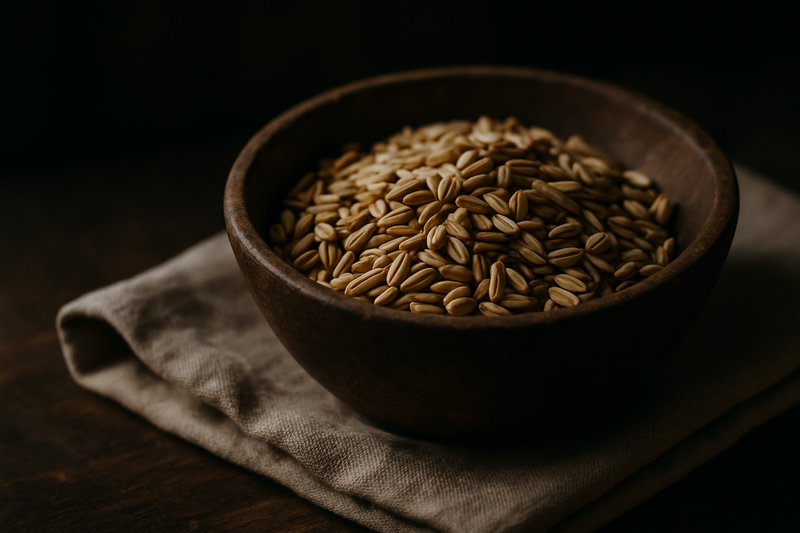
Oat Milk · Photograph
Discover the real oat milk health benefits and side effects — from heart health and digestion to blood sugar and safety concerns. Evidence-aligned nutrition facts, buying tips, and expert guidance for everyday drinkers.
Key Nutrients
% Daily Value based on 2,000 cal diet
Key active compounds
- Beta-glucan — A soluble, viscous fiber found in oats. In the gut it forms a thick gel that slows digestion, blunts blood sugar spikes, and binds to bile acids, which helps lower LDL (low-density lipoprotein, the "bad") cholesterol. Typical commercial oat milk delivers less than 0.4 g per 250 mL serving — well below the 1–3 g used in clinical cholesterol trials.
- Avenanthramides — Polyphenols (plant-based antioxidant compounds) unique to oats. They show anti-inflammatory and antioxidant activity in lab and some human studies of whole oats, but their levels in processed oat milk have not been well measured.
- Ferulic acid and other phenolic acids — Plant-derived antioxidants present in whole oats that contribute to their overall antioxidant capacity. Processing reduces their concentration, and specific data on oat milk are limited.
Prep and pairing ideas
Oat milk is one of the most versatile plant-based milks in the kitchen. Here are three practical pairings worth knowing:
Oat milk + oatmeal (overnight oats or porridge) Using oat milk as your porridge liquid doubles down on the beta-glucan content compared with water and adds a creamier result. The slightly sweet, grain-forward flavor of oat milk is a natural match.
Oat milk + coffee or espresso Barista oat milk is specifically formulated for this. Its higher fat and oil content creates stable microfoam that holds latte art and doesn't curdle when it hits hot espresso — a common problem with lower-fat plant milks. For home use, steaming barista oat milk at around 60–65 °C (140–150 °F) gives the best results.
Oat milk + baked goods (muffins, pancakes, quick breads) Oat milk swaps 1:1 for dairy milk in most baking recipes. Its mild flavor doesn't overpower delicate batters, and its slightly higher viscosity compared with almond milk helps maintain structure. Choose unsweetened here — the added sugars in flavored varieties can throw off recipes.
Buying guide: what to look for on the label
With dozens of oat milk brands on shelves, the differences between them are real.
Fresh vs shelf-stable: Both work nutritionally. Shelf-stable cartons have longer storage life before opening; refrigerated versions open faster in your fridge.
Certified gluten-free: A non-negotiable label if you have celiac disease or gluten sensitivity. "Made with gluten-free oats" and "certified gluten-free" are not the same thing — look for third-party certification logos.
Fortified vs unfortified: Fortified oat milks supply calcium, vitamins D, A, B2, and B12. Unfortified versions (including most homemade batches) miss these entirely. Unless your diet already covers these nutrients from other sources, fortified is the better daily choice.
Ingredient list red flags: If sugar (or any sugar alias like cane syrup, rice syrup, or evaporated cane juice) appears in the first three ingredients, the product is likely sweetened. Added oils are acceptable in barista versions but unnecessary in a plain everyday milk.
Protein content check: Most oat milks provide 2–4 g protein per cup. If you rely on oat milk as a substantial protein source, be aware it delivers roughly a third of what dairy milk provides.
Bottom line
Oat milk is a genuinely useful addition to a health-conscious, plant-based diet — particularly for people avoiding dairy due to lactose intolerance, allergy, or preference. Its strengths are real: it's low in saturated fat, cholesterol-free, and when fortified, provides meaningful calcium and B vitamins. Its creamy texture and foam-ability make it the most practical dairy-milk swap for coffee drinks.
The marketing claims, however, run ahead of the evidence in some areas. You'd need to drink several cups a day to approach the beta-glucan doses that clinical trials used to demonstrate cholesterol-lowering effects. And sweetened or barista-style versions, while delicious, are a different nutritional proposition than a clean unsweetened carton.
The practical takeaway: choose unsweetened, fortified oat milk for daily use, certified gluten-free if relevant, and treat the barista version as a coffee-specific upgrade rather than a healthier product. Pair it with a varied whole-food diet rather than treating it as a nutritional shortcut.
Curious about how oat milk fits your specific health goals? Browse Plantopedia's heart health guide for more evidence-aligned ingredient comparisons.
How Oat Milk Compares
| Compared with | What's different |
|---|---|
| Oat Milk vs. Almond Milk | Has a creamier texture and higher carbohydrate content but less protein. |
| Oat Milk vs. Soy Milk | Higher in fiber and calories, whereas soy provides more complete protein. |
| Oat Milk vs. Dairy Milk | Lactose-free and vegan, but contains less than 0.4g of beta-glucan fiber per serving. |
Health Benefits
Things to Know
Celiac disease and gluten sensitivity: Oats are naturally gluten-free, but cross-contamination during harvesting and processing is common. Always choose certified gluten-free oat milk if you have celiac disease or non-celiac gluten sensitivity.
Known oat or grain allergy: Some people react to avenin, a protein in oats. If you have a documented grain allergy, check with your allergist before trying oat milk.
Infants and toddlers: Plant-based milks, including oat milk, cannot nutritionally replace breast milk, formula, or appropriate toddler formulas as a primary milk source. Do not make this substitution without pediatric guidance.
Diabetes and metabolic syndrome: Stick to unsweetened versions. Sweetened and barista-style oat milks can contribute significant added sugars that may worsen blood sugar control.
Kidney disease: Fortified oat milks contribute potassium and phosphorus, minerals that people with kidney disease often need to monitor carefully. Speak to your nephrologist or renal dietitian.
Medication interactions: The relatively low fiber content of typical oat milk makes clinically significant drug absorption interactions unlikely at normal serving sizes. If you take medications for bone health or B12 metabolism (certain anticonvulsants, metformin), the fortified nutrients in oat milk may be supportive — but this is a conversation to have with your prescriber.
Additives: Some brands use gums, emulsifiers, and added oils to improve texture and shelf life. If you are sensitive to these, check the ingredient list carefully.
Glossary
Shop This Ingredient
Stock your pantry with quality oat milk.
Buy on AmazonAs an Amazon Associate, Plantopedia earns from qualifying purchases. This costs you nothing extra and helps us keep the encyclopedia free.
Frequently Asked Questions
Heart and circulation Replacing full-fat cow's milk with unsweetened oat milk meaningfully lowers your daily saturated fat intake and eliminates dietary cholesterol entirely — two changes consistently linked to better blood lipid (fat) profiles in both observational studies and dietary intervention trials. Oat milk is also often fortified with calcium and vitamin D, which support vascular and bone health. The beta-glucan story is more nuanced. Randomized controlled trials (the gold-standard study design) using specially formulated oat drinks enriched with beta-glucan do show reductions in total and LDL cholesterol. But those drinks typically deliver 1–3 g of beta-glucan per day, whereas most barista-style cartons contain under 0.4 g per 250 mL serving. In practical terms, oat milk's heart benefits in everyday use likely come more from what it replaces — saturated fat and cholesterol from dairy — than from any pharmacological dose of beta-glucan. Evidence level: moderate, primarily from dietary-swap studies and extrapolation from oat research. Digestive health and gut health Each cup of oat milk provides about 1–2 g of dietary fiber, a small but non-trivial contribution toward the recommended 25–38 g daily target. Some of that fiber is the soluble beta-glucan, which acts as a prebiotic — feeding beneficial gut bacteria and supporting regular bowel movements. For people with lactose intolerance (an inability to digest the milk sugar lactose), oat milk is a naturally lactose-free option that tends to be well tolerated. It won't cause the bloating, gas, or cramping that dairy milk can trigger in lactose-intolerant individuals. However, people with irritable bowel syndrome (IBS) should be aware that some brands add gums like guar or gellan as thickeners, which can cause digestive discomfort in sensitive people. Evidence level: emerging for gut microbiome benefits; moderate for lactose intolerance relief. Blood sugar and metabolism Oat milk contains mainly complex carbohydrates with a modest amount of soluble fiber, giving it a moderate glycemic load (a measure of how much a food raises blood sugar) compared with sweetened beverages. Its beta-glucan content can, in theory, slow glucose absorption and blunt post-meal blood sugar spikes. That said, direct glycemic studies on standard commercial oat milk are limited. Most evidence comes from whole oats or high-fiber oat beverages designed for clinical use. Unsweetened oat milk is generally a reasonable choice for glycemic management, but sweetened and flavored versions can carry significant added sugars — sometimes rivaling a can of soda — which would work against blood sugar control, especially in people with diabetes or prediabetes. Evidence level: emerging for blood-sugar-specific effects from oat milk itself. Inflammation and recovery Oats contain avenanthramides and other phenolic compounds with documented anti-inflammatory and antioxidant properties in experimental and some human studies. Whether those compounds survive oat milk processing in meaningful quantities is not yet well established. There are currently no clinical trials directly linking regular commercial oat milk consumption to lower inflammatory markers like C-reactive protein (CRP). Anti-inflammatory potential is biologically plausible but should be considered early-stage for oat milk specifically. Evidence level: emerging, largely extrapolated from whole oat research.
The differences matter more than most people realize. Unsweetened fortified oat milk is the workhorse option. It's made from oats and water, fortified with calcium and vitamins, and has the cleanest nutritional profile for everyday use — lower in calories, sugars, and additives. Barista or extra-creamy oat milk is engineered to foam and froth. Manufacturers add plant oils (commonly rapeseed or sunflower) and stabilizers like dipotassium phosphate to create that café-quality microfoam. It tastes richer and performs beautifully in lattes, but it contains more calories, more fat, and sometimes more added sugar than the standard version. Homemade oat milk (blended whole oats + water, strained) is the most whole-food option and is typically higher in beta-glucan and fiber than commercial versions. The downside: it's not fortified, so you may miss out on calcium and vitamins unless you get them elsewhere. It also separates quickly in the fridge. Flavored oat milk (vanilla, chocolate, etc.) often contains enough added sugar to push it into "occasional treat" territory rather than daily nutrition. For most people, unsweetened fortified oat milk is the everyday default, with barista oat milk reserved for coffee drinks and flavored versions treated like a sweetened beverage.
The dairy-free but nutrient-conscious eater Avoids cow's milk due to lactose intolerance or a dairy allergy Wants a calcium and vitamin D source without supplements Cooks and bakes regularly and needs a milk that performs like dairy Will benefit most from fortified, unsweetened versions The heart-health-focused plant-based eater Is actively reducing saturated fat and dietary cholesterol Already eats a largely whole-food, plant-based diet Uses oat milk as a swap for full-fat dairy in coffee, cereal, and smoothies Should prioritize unsweetened oat milk and be realistic that beta-glucan doses in commercial products are modest
There's no official recommended daily dose for oat milk. Common everyday use is roughly 120–360 mL (half a cup to one and a half cups) per day — typically as a splash in coffee, poured over cereal, or blended into a smoothie. Clinical studies on oat beta-glucan's cholesterol-lowering effects typically use 1–3 g of beta-glucan per day, which would require roughly 3 to 8 cups of most commercial oat milks to reach — far more than most people drink. If beta-glucan intake is your specific goal, whole oats or oat bran are more efficient sources. A practical starting approach: 1 cup (240 mL) per day covers about 25% of daily calcium needs and meaningful B vitamin targets from most fortified brands. If replacing dairy entirely, consider whether the rest of your diet covers your protein needs — oat milk provides only about 3 g protein per cup versus 8 g in cow's milk. Start with unsweetened to keep calories and added sugars in check, and scale to taste from there. If you're managing a specific health condition, is oat milk safe to drink every day for you depends on the full context of your diet — a registered dietitian can help you work this out.
Quick Answers
Common questions, answered in a line.
Oat milk contains beta-glucan, a soluble fiber that binds to bile acids in the gut to help lower LDL (bad) cholesterol. While commercial oat milk provides less fiber than whole oats, it remains a cholesterol-free alternative to dairy that is low in saturated fat.
Oat milk is a safe choice for those with celiac disease or gluten sensitivity only if it is explicitly labeled as "certified gluten-free." Although oats are naturally gluten-free, they are frequently cross-contaminated during harvesting and processing unless certified by a third party.
You can use oat milk as a 1:1 replacement for dairy milk in most baking recipes like muffins, pancakes, and quick breads. Its mild flavor does not overpower delicate batters, and its higher viscosity compared to almond milk helps maintain the structure of baked goods.
Fortified oat milk is a valuable source of calcium and vitamins D, A, B2, and B12, which are often missing from unfortified or homemade versions. These added nutrients make it a better daily choice for maintaining bone health and meeting vitamin requirements on a plant-based diet.
Barista-style oat milk is formulated with higher fat and oil content to create a stable microfoam that does not curdle when mixed with hot espresso. For the best results at home, steam this version to approximately 60–65 °C (140–150 °F) to hold latte art effectively.
People with diabetes should choose unsweetened oat milk to avoid significant blood sugar spikes caused by added sugars. Sweetened and barista-style varieties often contain cane syrup or rice syrup, which can negatively impact metabolic health and blood sugar control.
Oat milk typically provides 2–4 grams of protein per cup, which is roughly one-third of the protein found in dairy milk. Because it is lower in protein, it should be consumed as part of a varied whole-food diet rather than as a primary protein source.
For Readers in the USA
Local context — sourcing, seasonality, and regional notes.
You can find oat milk at nearly every major US grocery chain, including Kroger, Walmart, Whole Foods Market, and Target. Most retailers stock refrigerated cartons in the dairy aisle and shelf-stable versions in the cereal or natural foods section.
Look for the USDA Organic seal and a "Certified Gluten-Free" logo to ensure the oats were grown without synthetic pesticides and processed in a facility free from wheat cross-contamination. Third-party certifications from organizations like GFCO are the gold standard for US consumers with celiac disease.
While oat milk is produced year-round, the oats used are primarily harvested in the Northern Plains states like North Dakota and South Dakota during the late summer months. Because it is a processed shelf-stable or refrigerated product, there is no "peak season" for consumer availability in the US.
AI Clinical Review
- Clearly explains that most oat milks are fortified and can meaningfully contribute calcium, vitamin D, and B vitamins in dairy-free diets.
- Accurately frames beta-glucan as the key heart-health fiber in oats and notes that typical commercial oat milks contain far less than trial-proven doses for LDL lowering.
- Sensibly emphasizes that many real-world benefits come from swapping out saturated fat and dietary cholesterol found in full‑fat dairy, rather than from a pharmacologic fiber dose in oat milk.
- Helpfully distinguishes product types (unsweetened vs barista vs flavored vs homemade) and how added oils, stabilizers, and sugars change nutrition and use cases.
- Direct human trials using standard commercial oat milk (not fiber‑enriched formulas) to lower LDL cholesterol or improve glycemic control are limited; much of the evidence is extrapolated from whole oats or high‑beta‑glucan beverages.
- The extent to which avenanthramides and other phenolics survive processing into oat milk—and whether they affect inflammation markers in humans—remains uncertain.
- Microbiome and prebiotic claims are biologically plausible due to soluble fiber but lack robust, consistent human outcome data specific to everyday oat milk.
- Typical intake of 1–2 cups (240–480 mL) of fortified, unsweetened oat milk per day fits most balanced diets; to reach cholesterol‑lowering beta‑glucan doses, whole oats or oat bran are more efficient sources.
- Product form matters: barista versions add oils and calories for foam performance; homemade versions may have more fiber but lack fortification (calcium, vitamins D/B2/B12).
- Populations needing extra caution: people with celiac disease or gluten sensitivity (choose certified gluten‑free), chronic kidney disease (monitor potassium and phosphorus), and those with oat/avenin allergy; infants and toddlers should not use plant milks as a primary milk without pediatric guidance.
- For diabetes or prediabetes, prioritize unsweetened varieties and check labels for added sugars; individuals with IBS sensitive to gums or emulsifiers may prefer simpler ingredient lists and assess tolerance.
Choose certified gluten-free if sensitive; some brands add oils and gums.
References
- USDA FoodData Central — comprehensive nutrition database used for oat milk nutrient data (fdc.nal.usda.gov)
- PMC review: Oat milk analogue versus traditional milk — peer-reviewed comparison of nutritional profiles and health effects (pmc.ncbi.nlm.nih.gov)
- Final report on beta-glucan content of oat milk products — independent research measuring actual beta-glucan levels in commercial oat milks (poga.ca)
- British Heart Foundation: Oat milk — is it good for you? — UK public health guidance on oat milk and heart health (bhf.org.uk)
- University of Florida IFAS Extension: Plant-Based Milks — Oat — evidence-based consumer guidance on plant milk alternatives (ask.ifas.ufl.edu)
- Medical News Today: Oat milk nutrition and health benefits — overview of clinical evidence and nutrient profile (medicalnewstoday.com)
- Healthline: Oat Milk — Nutrition and Benefits — referenced nutrient comparison with other plant and dairy milks (healthline.com)
- Health.com: 4 Benefits of Oat Milk, Plus Nutrition and Risks — registered dietitian-reviewed summary of oat milk evidence (health.com)
- Oatly product nutrition information — real-world label data for a leading commercial oat milk brand (oatly.com)
Know Your Numbers
Eating healthy is a start. Now get to know your biomarkers.
Food changes bloodwork — inflammation, lipids, blood sugar and nutrient status all respond to what you eat. 59 markers from $59.
- Results in 7–10 days at 2,000+ Quest sites
- Licensed provider reviews every result
- One flat price, no membership, HSA/FSA eligible
Educational information only, not medical advice. Panels are ordered and reviewed through our licensed partner; Plantopedia may earn a commission.