Soy Milk — health benefits and uses
A staple of East Asian diets for centuries, valued as a nourishing tonic.
The Short Answer
Soy milk is a nutritionally dense dairy alternative containing 8.7g of protein and 105 calories per cup. It is a complete plant protein source that provides essential minerals like potassium and calcium, making it the most comparable plant milk to dairy.
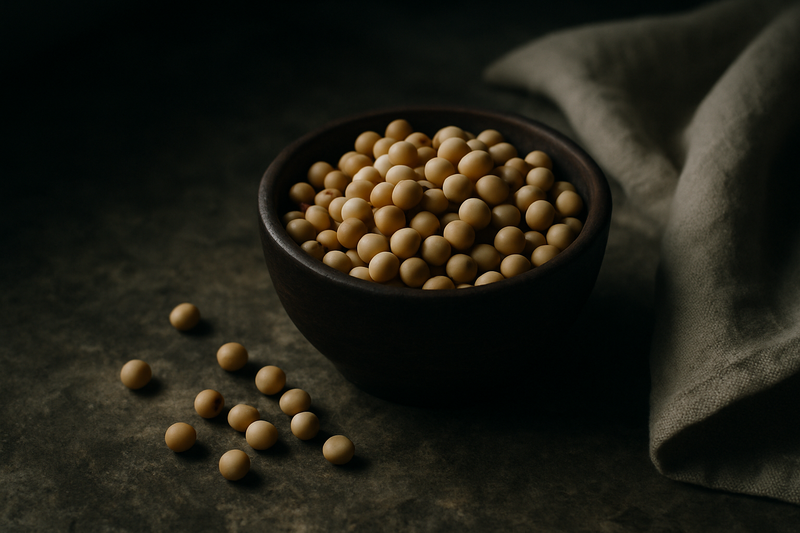
Soy Milk · Photograph
Explore the real soy milk benefits and side effects — from heart health and protein content to hormone safety and lactose-free living. Get evidence-based nutrition facts, daily intake guidance, and practical tips for choosing the best soy milk for your goals.
Key Nutrients
% Daily Value based on 2,000 cal diet
Key active compounds in soy milk
Soy milk's health story isn't just about protein. Several bioactive compounds (plant chemicals that interact with body processes) contribute to its effects:
- Isoflavones (genistein, daidzein, glycitein): Phytoestrogens — plant compounds that weakly mimic and sometimes block estrogen in the body. They act as selective estrogen receptor modulators (SERMs), meaning they can behave differently in different tissues. Associated with modest LDL reduction, cardiovascular support, and potential bone and menopause benefits.
- Saponins: Glycoside compounds (sugar-linked molecules) found in soy that may help reduce cholesterol absorption and have antioxidant properties. Most evidence is from mechanistic studies rather than soy milk trials specifically.
- Phytosterols: Plant sterols structurally similar to cholesterol. They compete with dietary cholesterol for absorption in the gut, potentially helping lower LDL levels modestly.
- Lecithins (phospholipids): Natural emulsifiers in soy that help soy milk stay stable and may support healthy cell membranes and fat metabolism.
- Polysaccharides and soluble fiber: Complex carbohydrates from the soybean; some are retained in soy milk depending on how it is processed, contributing to satiety and gut health.
Prep and pairing ideas
Soy milk is one of the most versatile plant milks in the kitchen, and that versatility is a genuine practical advantage.
Common pairings
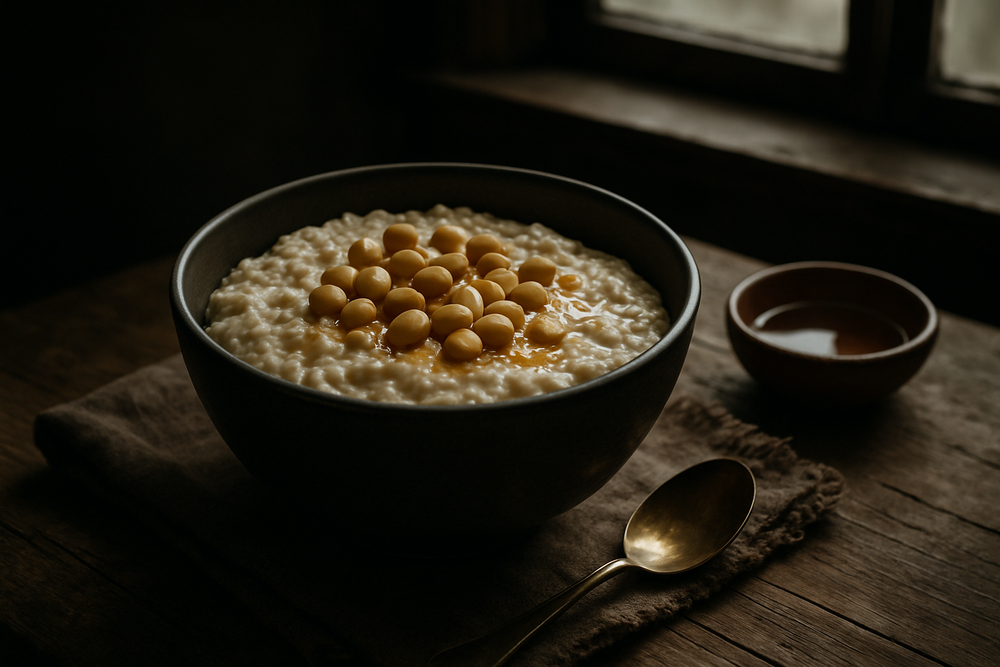
- Soy milk + oats (overnight oats or hot porridge): Soy milk's protein complements oats' beta-glucan fiber (a type of soluble fiber linked to cholesterol reduction), making this combination genuinely filling and heart-supportive. The neutral-to-slightly-beany flavor of unsweetened soy milk pairs well with cinnamon, banana, or nut butter.
- Soy milk + coffee (lattes and cappuccinos): Barista-style soy milk foams well and has enough fat and protein to create a creamy, stable foam. It's one of the few plant milks that behaves convincingly like whole milk when steamed, making it a practical dairy-free choice for home baristas and cafés. Standard unsweetened soy milk works for cold brew or iced coffee; barista versions are better for hot espresso drinks.
- Soy milk + savory soups and sauces: Because soy milk has a relatively neutral flavor (especially compared with oat or coconut milk) and higher protein content, it holds up better in cooking without splitting or becoming overly sweet. Use it in creamy pasta sauces, potato soups, or mushroom gravies as a 1:1 swap for dairy milk or cream.
Other practical tips:
- Shake the carton before pouring — fortification minerals can settle.
- Store opened soy milk in the fridge and use within 7–10 days.
- Homemade soy milk (blended whole soybeans, strained, cooked) is nutritious but won't be fortified unless you add nutrients separately.
Bottom line
Soy milk is the most nutritionally complete plant milk available and is backed by the strongest evidence base of any non-dairy milk alternative. Its protein quality rivals cow's milk, and fortified versions can closely match dairy's calcium, vitamin D, and B12 contributions — nutrients that matter enormously for people on plant-based or dairy-free diets.
The heart health data is the most consistent: regularly swapping high-saturated-fat dairy or sugary beverages for unsweetened soy milk can modestly but meaningfully support LDL cholesterol and cardiovascular health. The hormone fears, while understandable, are not supported by current human evidence at the 1–3 cup per day range typical of regular consumption.
The clearest practical guidance: choose unsweetened, fortified soy milk, watch for soy allergy, discuss with your doctor if you take thyroid medication or have a hormone-sensitive cancer history, and don't give it to infants as a primary food. Beyond those caveats, soy milk is one of the better-studied, more versatile additions to a plant-forward diet.
Explore how soy milk fits into your broader dietary goals at Plantopedia's plant-based goals hub.
How Soy Milk Compares
| Compared with | What's different |
|---|---|
| Soy Milk vs. Oat Milk | Soy milk has nearly triple the protein (8.7g vs 3g) and a creamier, thicker texture. |
| Soy Milk vs. Almond Milk | Soy is nutritionally comparable to cow's milk, whereas almond milk is much lower in protein and calories. |
| Soy Milk vs. Coconut Milk | Soy milk is higher in protein and potassium; coconut milk is higher in saturated fats and thinner. |
Health Benefits
Things to Know
Soy allergy: Soy is one of the eight major food allergens. Symptoms can range from mild (hives, stomach upset) to severe (anaphylaxis). If you have a known soy allergy, avoid soy milk entirely.
Thyroid medication (levothyroxine): Soy foods, including soy milk, may affect the absorption or dosing requirements of thyroid hormone replacement in some people. If you take levothyroxine, space it at least 4 hours from soy milk consumption and discuss with your doctor if you significantly increase intake.
Hormone-sensitive cancers: If you have or have had estrogen receptor–positive breast cancer or another hormone-sensitive cancer, discuss soy intake with your oncology team. Current evidence is generally reassuring, but personalized guidance matters here.
Infants under 12 months: Standard soy milk is not appropriate as a primary nutrition source for infants. Only use specialized soy-based infant formulas recommended by a pediatrician.
Chronic kidney disease (CKD): Fortified soy milk contains potassium and phosphorus. If you follow a renal (kidney-focused) diet restricting these minerals, check with your dietitian before making soy milk a daily staple.
Calcium and medication timing: Calcium in fortified soy milk can reduce absorption of certain antibiotics (like tetracyclines and fluoroquinolones) and iron supplements if consumed simultaneously. Separate these by at least 2 hours.
Iodine: Soy milk does not naturally contain iodine and is not typically fortified with it. People following dairy-free and plant-based diets should consider iodine intake from other sources (seaweed, iodized salt, or supplements).
Prep Ideas
- — **Soy milk + oats (overnight oats or hot porridge):** Soy milk's protein complements oats' beta-glucan fiber (a type of soluble fiber linked to cholesterol reduction), making this combination genuinely filling and heart-supportive. The neutral-to-slightly-beany flavor of unsweetened soy milk pairs well with cinnamon, banana, or nut butter.
- — **Soy milk + coffee (lattes and cappuccinos):** Barista-style soy milk foams well and has enough fat and protein to create a creamy, stable foam. It's one of the few plant milks that behaves convincingly like whole milk when steamed, making it a practical dairy-free choice for home baristas and cafés. Standard unsweetened soy milk works for cold brew or iced coffee; barista versions are better for hot espresso drinks.
- — **Soy milk + savory soups and sauces:** Because soy milk has a relatively neutral flavor (especially compared with oat or coconut milk) and higher protein content, it holds up better in cooking without splitting or becoming overly sweet. Use it in creamy pasta sauces, potato soups, or mushroom gravies as a 1:1 swap for dairy milk or cream.
- — Shake the carton before pouring — fortification minerals can settle.
- — Store opened soy milk in the fridge and use within 7–10 days.
- — Homemade soy milk (blended whole soybeans, strained, cooked) is nutritious but won't be fortified unless you add nutrients separately.
Glossary
Shop This Ingredient
Stock your pantry with quality soy milk.
Buy on AmazonAs an Amazon Associate, Plantopedia earns from qualifying purchases. This costs you nothing extra and helps us keep the encyclopedia free.
Frequently Asked Questions
Heart health and cholesterol This is where the evidence is most consistent. Meta-analyses (studies that pool results from many trials) of randomized controlled trials — the gold standard for cause-and-effect research — show that consuming around 25 grams of soy protein per day reduces LDL cholesterol by roughly 4–6% compared with non-soy protein sources. That's modest but meaningful when sustained over time. An American Heart Association scientific statement notes that the strongest heart benefit comes not from soy protein or isoflavone supplements in isolation, but from whole soy foods — like soy milk and tofu — because they displace saturated fat and add polyunsaturated fats (the "good" fats), fiber, and key nutrients. In other words, swapping a glass of whole cow's milk or a sugary drink for unsweetened soy milk shifts the diet in a direction the research supports. Prospective cohort studies (long-term observational research) also associate higher soy and isoflavone intake with lower cardiovascular disease risk and modestly lower all-cause mortality, though observational studies cannot prove causation. Digestive health and the lactose-intolerance advantage Soy milk contains zero lactose, which makes it a practical choice for the estimated 65% of adults worldwide who have some degree of lactose intolerance — the inability to fully digest lactose, often causing bloating, gas, or diarrhea. Switching from cow's milk to unsweetened soy milk can meaningfully reduce these symptoms. That said, soybeans contain oligosaccharides (short chains of sugars that gut bacteria ferment), which can cause gas or mild bloating in sensitive individuals, particularly those with irritable bowel syndrome (IBS). Starting with smaller amounts and building up slowly usually helps. Blood sugar and metabolism Evidence here is emerging and less consistent than the cholesterol data. Broad reviews of soy foods report generally neutral to modestly favorable effects on fasting blood glucose (blood sugar after a fast) and insulin resistance when soy protein replaces refined carbohydrates or higher-fat animal foods. An ongoing clinical trial called the STEM trial is specifically testing 3 daily servings of soy milk against cow's milk and sugary beverages for effects on metabolic health markers. The most important practical point: the blood sugar impact of soy milk depends heavily on whether it is sweetened. Unsweetened soy milk contains only about 3 grams of carbohydrates per cup; sweetened or flavored versions can contain 10–20+ grams, primarily from added sugar, which largely cancels out any metabolic advantage. Hormones and cycle health This is the topic that generates the most concern — and the most misunderstanding. Isoflavones are phytoestrogens, and the fear is that they could disrupt hormones, reduce male testosterone, worsen breast cancer risk, or interfere with fertility. Current human evidence does not support these fears at typical dietary intakes. Comprehensive reviews of clinical trials and population studies consistently find that consuming 15–25 grams of soy protein per day — roughly 2–3 cups of soy milk — does not adversely affect reproductive hormones in men or women. Isoflavones are much weaker than human estrogen, and their SERM behavior means they can actually block estrogen receptors in some tissues while mildly activating others. For people with hormone-sensitive cancers (such as estrogen receptor–positive breast cancer), current evidence suggests moderate soy food consumption is not harmful, but this is an area where individualized guidance from your oncology team is strongly recommended rather than a one-size-fits-all answer. Inflammation and recovery Research suggests soy isoflavones, saponins, and other phytochemicals may reduce markers of inflammation — such as C-reactive protein (CRP), a blood marker that rises when the body is inflamed — and may support healthy blood vessel function. However, most of this evidence comes from studies using concentrated soy protein or isoflavone supplements, not from everyday amounts of soy milk. Mechanistic studies (laboratory and animal research) show that soy isoflavones can dampen NF-κB signaling — a key pathway that drives chronic inflammation — but translating that to specific dose recommendations for soy milk in humans requires more direct clinical evidence.
Buying guide: what to look for Unsweetened, fortified soy milk is the best all-round choice for daily use. Look for: "Unsweetened" clearly stated on the front panel Calcium listed at ≥250 mg per serving (roughly 20–25% DV) Vitamin D and vitamin B12 in the ingredient list — these are added, not naturally present in meaningful amounts Soy (or soybeans) as the first or second ingredient, not "soy protein isolate" if you want a more whole-food profile Barista-style soy milk is formulated to foam and steam like whole cow's milk in coffee drinks. It typically contains added fats or starch to improve texture — which is great for lattes but adds calories and can shift the fat profile. Fine for occasional use; check labels if you're managing weight or cardiovascular risk. Organic or whole-bean soy milk is made from soaked, ground whole soybeans and may retain more of the native isoflavones and other phytochemicals compared with products made from isolated soy protein. Nutritionally similar in protein content; often more expensive. Sweetened and flavored varieties (vanilla, chocolate, "light") can contain 10–20 grams of added sugar per cup. Useful as an occasional treat but not the right tool for managing blood sugar, weight, or cholesterol. Label tip: Products labeled "soy beverage" and those labeled "soy milk" are functionally the same; labeling rules in some countries restrict use of the word "milk" for plant-based products, so don't be confused by the terminology.
Expert reviews and human clinical trial data consistently support that 2–3 servings of soy foods per day — providing approximately 15–25 grams of soy protein and 50–100 milligrams of isoflavones — are well-tolerated and safe for most healthy adults with no adverse effects observed. For soy milk specifically, this translates to roughly 1–3 cups (240–720 mL) per day of unsweetened soy milk. Most of the cholesterol-lowering benefits observed in trials came at around 25 grams of soy protein daily — about 3 cups of standard soy milk — consumed as part of an otherwise balanced diet. Practical starting point: If you're new to soy milk, start with 1 cup per day (especially if you have a sensitive gut) and increase gradually. There is no strong evidence of harm from higher intakes in healthy adults, but more is not always more — benefits plateau, and higher amounts haven't been shown to provide additional benefit. If you're currently drinking cow's milk, even swapping 1–2 servings per day for unsweetened soy milk shifts your saturated fat intake downward and adds plant protein, which the research supports as a favorable dietary direction.
Quick Answers
Common questions, answered in a line.
Soy milk contains isoflavones like genistein and daidzein, which are phytoestrogens that act as selective estrogen receptor modulators (SERMs). These compounds can weakly mimic or block estrogen depending on the tissue, and they are associated with heart and bone benefits.
Soy milk is an excellent dairy-free choice for coffee because barista-style versions have enough protein and fat to create a creamy, stable foam similar to whole milk. Unsweetened soy milk is ideal for iced coffee, while barista versions are recommended for hot espresso drinks.
Soy milk contains phytosterols and saponins that help reduce cholesterol absorption and lower LDL levels, supporting overall cardiovascular health. Swapping high-saturated-fat dairy for unsweetened soy milk can modestly but meaningfully improve heart health markers.
If you take levothyroxine, you should space your medication at least 4 hours away from soy milk consumption to avoid interference with hormone absorption. It is also important to discuss any significant increase in soy intake with your doctor to manage dosing requirements.
Soy milk is highly versatile for cooking because its neutral flavor and high protein content prevent it from splitting or becoming too sweet when heated. It works as a 1:1 swap for dairy milk in savory dishes like creamy pasta sauces, potato soups, and gravies.
Standard soy milk is not a suitable primary nutrition source for infants under 12 months old. Parents should only use specialized soy-based infant formulas as recommended by a pediatrician for babies in this age group.
Fortified soy milk is the most nutritionally complete plant milk, offering protein quality that rivals cow's milk along with added calcium, vitamin D, and B12. Unlike many other plant milks, it maintains a stable texture in hot liquids and provides significant heart-health benefits.
For Readers in the USA
Local context — sourcing, seasonality, and regional notes.
In the U.S., you can find soy milk at major grocery chains like Walmart, Kroger, and Whole Foods, as well as at local farmers markets and health food stores. Most American supermarkets stock both shelf-stable cartons in the pantry aisle and refrigerated jugs in the dairy section.
To ensure soy milk is made from non-GMO beans in the U.S., look for the USDA Organic seal or the Non-GMO Project Verified label on the packaging. Since the majority of soybeans grown in the United States are genetically modified for herbicide resistance, these certifications are the most reliable way for consumers to identify conventional versus organic options.
The U.S. FDA allows food labels to claim that 25 grams of soy protein a day, as part of a diet low in saturated fat and cholesterol, may reduce the risk of heart disease. One cup of typical American soy milk provides about 7 to 9 grams of this protein, making it an easy way to work toward that heart-healthy heart goal.
While soy milk is available year-round across the U.S., the soybeans used to make it are primarily harvested in the Midwest and South during the fall months. States like Iowa, Illinois, and Minnesota lead production, ensuring a steady, domestic supply of beans for processing into milk throughout the year.
AI Clinical Review
- Soy milk’s protein quantity and quality are accurately described; among plant milks, it’s the closest to cow’s milk for protein and can meaningfully contribute calcium, vitamin D, and B12 when fortified.
- Cardiovascular evidence is fairly consistent: replacing higher–saturated-fat or sugary beverages with unsweetened soy milk can produce small LDL cholesterol reductions that add up over time.
- The hormone section reflects current human data: typical intakes (about 1–3 cups/day) do not show adverse effects on male or female reproductive hormones; isoflavones act as weak, tissue-selective estrogen-like compounds.
- Practical guidance is sound: prioritize unsweetened, fortified options and consider soy milk as a swap within overall dietary patterns rather than as a supplement-like “add-on.”
- Metabolic outcomes beyond LDL (fasting glucose, insulin resistance, weight) are mixed and may depend on what soy milk replaces and whether it’s sweetened; more head-to-head trials using real-world products are needed.
- For hormone-sensitive cancers, cohort data are generally reassuring for moderate soy food intake, but randomized trials in survivors are limited; individualized oncology guidance remains important.
- Claims around inflammation, bone health, or menopause symptom relief largely come from soy protein or isoflavone supplements; direct evidence from typical amounts of soy milk is less robust.
- A practical intake for most adults is 1–3 cups/day of unsweetened soy milk (about 15–25 g soy protein total); benefits appear to plateau beyond this range.
- Fortification varies widely by brand; check labels for calcium (~250–300 mg/serving), vitamin D, and B12. Added sugars in flavored versions can offset metabolic benefits.
- Use caution and consider clinician input if you have a soy allergy (avoid entirely), take levothyroxine (separate by ≥4 hours), use certain antibiotics or iron (separate from calcium-fortified beverages), have chronic kidney disease (potassium/phosphorus), or a history of hormone-sensitive cancer.
- Soy milk is lactose-free but contains fermentable carbohydrates that can cause gas/bloating in sensitive individuals; start low and increase gradually. Also remember that standard soy milk is not a substitute for infant formula, and dairy-free diets should plan for iodine from other sources.
Soy allergen; choose unsweetened for lowest sugar.
References
- USDA FoodData Central — Soy Milk nutrition data (fdc.nal.usda.gov)
- Cardiovascular effects of soy protein and isoflavones — systematic review and meta-analysis (pmc.ncbi.nlm.nih.gov)
- American Heart Association scientific statement on soy protein and cardiovascular health (ahajournals.org)
- University of Florida IFAS Extension — Plant-Based Milks: Soy (nutrition comparison guide) (ask.ifas.ufl.edu)
- Updated review of soy-derived beverages: nutrition, processing, and health (pmc.ncbi.nlm.nih.gov)
- Soy and Health Update: clinical and epidemiologic literature review (pmc.ncbi.nlm.nih.gov)
- Health effects of soy — reference guide for health professionals (pmc.ncbi.nlm.nih.gov)
- STEM Trial (Soy Treatment Evaluation for Metabolic Health) — ClinicalTrials.gov (clinicaltrials.gov)
- FatSecret / USDA — Soy Milk calories and nutrition facts per cup (foods.fatsecret.com)
Know Your Numbers
Eating healthy is a start. Now get to know your biomarkers.
Food changes bloodwork — inflammation, lipids, blood sugar and nutrient status all respond to what you eat. 59 markers from $59.
- Results in 7–10 days at 2,000+ Quest sites
- Licensed provider reviews every result
- One flat price, no membership, HSA/FSA eligible
Educational information only, not medical advice. Panels are ordered and reviewed through our licensed partner; Plantopedia may earn a commission.