Pineapple Vinegar — health benefits and uses
A zero-waste Latin American practice turning pineapple rind into a living vinegar.
The Short Answer
Pineapple vinegar is a tropical ferment that provides roughly 3 calories and 0.1g of carbohydrates per tablespoon. It is primarily used to support blood sugar management and add acidity to dressings and marinades.

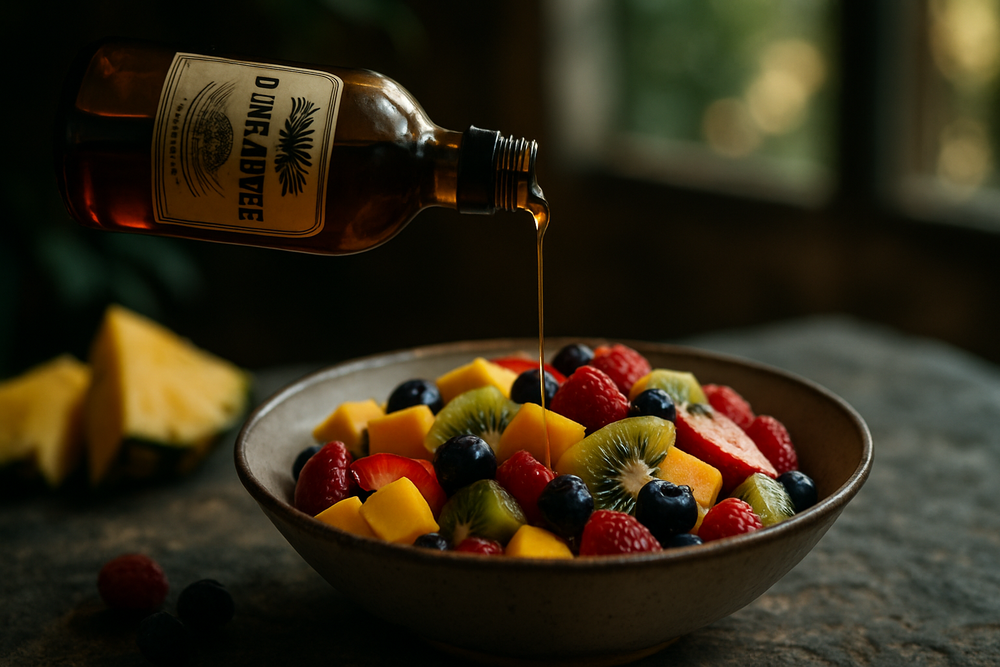
Pineapple Vinegar · Photograph
Discover pineapple vinegar benefits and how to use it — from blood sugar support and gut health to tropical salad dressings. Learn the science, safe daily amounts, and what to watch out for before you sip.
Key Nutrients
% Daily Value based on 2,000 cal diet
Key active compounds
- Acetic acid — A short-chain organic acid produced when acetic acid bacteria convert alcohol during fermentation. This is the primary active ingredient in every vinegar and the compound most studied for blood sugar effects.
- Phenolic compounds (polyphenols) — Plant-derived antioxidant molecules originally in the pineapple peel and flesh. Small amounts may persist in the finished vinegar and contribute to its antioxidant capacity, though concentrations are not well characterised.
- Bromelain — A group of proteolytic (protein-digesting) enzymes naturally present in pineapple. Bromelain is sensitive to low pH (acidic conditions) and prolonged fermentation, so its activity in finished pineapple vinegar is likely very low. Claims about "enzyme-rich" pineapple vinegar should be treated with scepticism.
- Organic acids (citric, malic, lactic) — Acids from the pineapple fruit and fermentation process that shape flavour and acidity, with possible mild antimicrobial effects in food preservation.
- Vinegar mother (live microbes) — Raw, unfiltered pineapple vinegar can contain a gelatinous culture of cellulose and bacteria. Whether these microbes survive in useful numbers in the finished acidic vinegar and confer probiotic effects in humans has not been clinically tested.
Prep and pairing ideas
Pineapple vinegar's tropical-tangy flavour is genuinely distinctive. Here's how to work it into everyday meals:
Basic tropical vinaigrette: Whisk 2 tablespoons pineapple vinegar with 1 tablespoon extra-virgin olive oil, a pinch of sea salt, a small amount of agave or date syrup, and fresh lime zest. Toss with shredded cabbage, mango, and coriander for a vivid slaw.
Mango and black bean salsa: Replace lime juice with pineapple vinegar in your usual salsa recipe. The extra acidity brightens the mango and balances the earthiness of beans — and gets the vinegar onto the table at mealtime, where it may help soften glucose responses.
Grain bowl drizzle: A tablespoon of pineapple vinegar stirred into warm brown rice or farro with garlic and spring onions creates a tangy seasoning that replaces soy-heavy sauces. Pairing vinegar with a starchy grain is the same pattern used in blood sugar trials.
Diluted morning tonic: 1 teaspoon pineapple vinegar in 250 mL of room-temperature water, optionally with a small slice of fresh ginger. This gives roughly 5 mL of vinegar — at the low end of studied doses — and is gentler on the stomach than an undiluted shot.
Who benefits most from pineapple vinegar?
The zero-waste home cook
- Already making tepache (fermented pineapple drink) or juicing pineapple and has rinds left over
- Interested in small-batch fermentation but wants a shelf-stable, useful end product
- Uses vinegar regularly in dressings and marinades and wants a tropical alternative to white wine or apple cider vinegar
The blood-sugar-aware eater
- Eating a high-carbohydrate plant-based diet and looking for evidence-supported condiments that may soften postprandial glucose spikes
- Wants a lower-calorie, flavourful swap for sugary dressings and sauces
- Already works with a healthcare team to manage pre-diabetes or type 2 diabetes and is curious about dietary adjuncts (note: always check with your team before making medicinal-dose changes)
Bottom line
Pineapple vinegar is a vibrant, low-waste fermented condiment that brings tropical brightness to dressings, slaws, and marinades. Its main active compound — acetic acid — has genuine, if modest, human trial support for softening blood sugar spikes after carbohydrate-rich meals, and it fits easily into a whole-food, plant-based eating pattern as a replacement for sugary sauces.
What it isn't: a proven probiotic, a reliable source of bromelain, or a treatment for any condition. No clinical trials have tested pineapple vinegar directly; all health extrapolations come from the broader vinegar literature. Use it in the kitchen with confidence, dilute it before drinking, discard any moldy homemade batch, and loop in your healthcare provider if you're managing diabetes or take medications that interact with potassium or blood sugar levels.
Ready to find more fermented and cultured ingredients that support gut and metabolic health? Browse the Plantopedia Digestive Health guide for evidence-aligned ideas.
How Pineapple Vinegar Compares
| Compared with | What's different |
|---|---|
| Pineapple Vinegar vs. Apple Cider Vinegar | Higher in malic acid with a fruity, autumnal flavor rather than tropical notes. |
| Pineapple Vinegar vs. White Distilled Vinegar | Higher acetic acid concentration and neutral flavor, lacking the fruit antioxidants found in pineapple. |
| Pineapple Vinegar vs. Rice Vinegar | Typically lower in acidity with a milder, sweeter profile and less pronounced fruity aroma. |
Health Benefits
Things to Know
Always dilute before drinking.: Undiluted vinegar is corrosive to dental enamel and can irritate the oesophagus and stomach lining. At minimum, mix 1–2 teaspoons in a full glass of water.
Protect your teeth.: Drink diluted pineapple vinegar through a straw and wait at least 30 minutes before brushing. Brushing immediately after an acidic drink can accelerate enamel loss.
GERD and ulcers.: People with gastroesophageal reflux disease (GERD), peptic ulcers, or chronic heartburn may find acidic vinegar drinks worsen symptoms. Use with caution or avoid.
Diabetes medications.: Vinegar's modest blood-sugar-lowering effect can add to the effect of insulin or sulphonylureas, raising hypoglycaemia risk. Discuss any regular medicinal use with your prescriber.
Diuretics and digoxin.: Chronic heavy vinegar intake (well above culinary amounts) has been linked in case reports to hypokalaemia (low potassium), which can interact dangerously with the heart medication digoxin and potassium-depleting diuretics.
Kidney disease.: High-frequency or high-dose vinegar use can add to acid load; anyone with chronic kidney disease should check with their nephrologist.
Pregnancy and breastfeeding.: Culinary amounts in cooking are generally considered fine. Regular medicinal-dose intake has not been studied for safety in pregnancy.
Children.: More sensitive to throat irritation and enamel erosion; always dilute well and limit frequency.
Homemade batches: discard on mold.: Never skim mold off a batch and continue using it. Discard the entire batch if you see mold, pink or black growth, slimy patches (beyond a normal vinegar mother), or smell anything putrid.
Prep Ideas
- — Already making tepache (fermented pineapple drink) or juicing pineapple and has rinds left over
- — Interested in small-batch fermentation but wants a shelf-stable, useful end product
- — Uses vinegar regularly in dressings and marinades and wants a tropical alternative to white wine or apple cider vinegar
- — Eating a high-carbohydrate plant-based diet and looking for evidence-supported condiments that may soften postprandial glucose spikes
- — Wants a lower-calorie, flavourful swap for sugary dressings and sauces
- — Already works with a healthcare team to manage pre-diabetes or type 2 diabetes and is curious about dietary adjuncts (note: always check with your team before making medicinal-dose changes)
Shop This Ingredient
Stock your pantry with quality pineapple vinegar.
Buy on AmazonAs an Amazon Associate, Plantopedia earns from qualifying purchases. This costs you nothing extra and helps us keep the encyclopedia free.
Frequently Asked Questions
Blood sugar and metabolism This is where vinegar research is strongest. Multiple small randomised and crossover trials (studies where participants try both the vinegar and a control in a randomised order) show that consuming 10–30 mL of 5% acetic acid vinegar with or just before a carbohydrate-rich meal reduces postprandial hyperglycaemia — the blood sugar spike that follows eating. A systematic review and meta-analysis (a study that pools results from multiple trials) published in Diabetes Research and Clinical Practice found significant reductions in blood glucose at 30–60 minutes after eating and in HbA1c (a 3-month average blood sugar marker) over 8–12 weeks in some trials. The likely mechanism: acetic acid slows gastric emptying (how quickly food leaves the stomach) and may improve how muscle cells take up glucose from the blood. Because pineapple vinegar shares the same active compound, these effects should theoretically apply — but pineapple vinegar has not been directly tested in humans, so the evidence is extrapolated, not proven. People using insulin or sulphonylureas (a class of diabetes medication that lowers blood sugar) should be aware that combining regular medicinal amounts of any vinegar with these drugs could theoretically increase the risk of hypoglycaemia (blood sugar going too low). Always check with your prescriber first. Digestive health and microbiome The digestive story for pineapple vinegar is mostly about acetic acid slowing gastric emptying, which can reduce post-meal bloating and the uncomfortable fullness that comes with blood sugar spikes. Some people report improved digestion when using small amounts of vinegar before meals, but controlled human studies on this are lacking and the evidence is largely anecdotal. On the probiotic front: finished vinegar is generally too acidic an environment to sustain a thriving colony of beneficial bacteria. The live microbes active during fermentation do not necessarily survive in the bottle in numbers that would qualify it as a probiotic (a term with a specific definition: live microorganisms that, in adequate amounts, confer a health benefit). Raw, unfiltered pineapple vinegar retains a vinegar mother, which is promising, but there are no human trials assessing pineapple vinegar as a probiotic intervention. Similarly, bromelain — pineapple's famous digestive enzyme — is likely largely deactivated by the prolonged low-pH environment of vinegar fermentation. Enzyme-focused claims for pineapple vinegar go beyond current evidence. Heart and circulation Most vinegar trials focus on blood sugar, but some report secondary benefits to cardiometabolic health. An RCT (randomised controlled trial) in adults with type 2 diabetes and dyslipidaemia (abnormal blood fat levels) found that daily apple vinegar improved fasting blood sugar and raised antioxidant capacity, with modest or inconsistent effects on lipids (blood fats). Reducing postprandial glucose spikes may have downstream benefits for blood vessel health over time, but direct cardiovascular endpoints — blood pressure reduction, fewer heart attacks — have not been demonstrated for vinegar of any kind. Using pineapple vinegar as a dressing base in place of high-sodium or sugar-heavy sauces is a low-risk way to nudge a meal in a heart-friendlier direction. Inflammation and recovery Fresh pineapple is well known for bromelain, which in supplement form has shown anti-inflammatory effects in some human studies. In pineapple vinegar, bromelain's stability after extended acidic fermentation is uncertain and likely low. The phenolic compounds that may persist in the vinegar could contribute modest antioxidant activity — one apple vinegar RCT measured improved DPPH antioxidant capacity — but evidence specific to pineapple vinegar is non-existent. Bottom line for inflammation: the evidence is emerging and largely theoretical. Don't expect pineapple vinegar to replace anti-inflammatory medications or protocols.
Homemade raw scrap vinegar is the most accessible and authentic form. Made from pineapple rinds, water, and a small amount of sugar fermented over several weeks, it retains a vinegar mother and is typically unpasteurised. Flavour is vibrant but variable — acidity, sweetness, and tropical notes shift with fermentation time and pineapple ripeness. Commercial bottled pineapple vinegar (such as Mexican-style vinagre de piña) is usually standardised to around 5% acidity, which means more consistent results in cooking and a more predictable dose if you're using it for glycemic purposes. Some bottles are filtered and pasteurised, which reduces microbial content. Diluted drinking vinegar or tonic — 1–2 teaspoons stirred into a large glass of water — is the safest way to consume pineapple vinegar for any potential health effect. This matches roughly the lower end of doses used in vinegar trials (about 10 mL) and greatly reduces the risk of enamel erosion and throat irritation compared with undiluted shots. Salad dressings and marinades are arguably the most practical approach. Combining pineapple vinegar with olive oil, herbs, garlic, and a touch of citrus integrates it naturally into meals, which is when its acetic acid is most relevant for blood sugar management anyway.
The human trials that show blood sugar benefits used roughly 10–30 mL (2 teaspoons to 2 tablespoons) of vinegar at 5% acidity, taken with or just before a carbohydrate-rich meal. These trials used apple cider vinegar or grain-based vinegars, not pineapple vinegar, but the mechanism — acetic acid — is the same. Start at the lower end: 1–2 teaspoons (5–10 mL) diluted in water or incorporated into a dressing is a sensible starting point that gives you most of the studied acetic acid exposure with minimal irritation risk. Upper practical limit: 2 tablespoons (30 mL) per day is roughly the ceiling used in most trials. Going above this in regular daily use adds no proven additional benefit and increases the risk of enamel erosion, GI irritation, and (with very chronic heavy use) potassium imbalance. Timing: Using pineapple vinegar as part of a meal — in a dressing, marinade, or diluted drink alongside food — aligns best with when glycemic effects have been observed. Straight shots on an empty stomach are harder on the oesophagus and not better supported by evidence. There is no universal "dose" for pineapple vinegar as a health supplement because it has not been directly studied. Treat it as a flavourful culinary condiment first, and any health benefit as a secondary bonus.
Quick Answers
Common questions, answered in a line.
Pineapple vinegar contains acetic acid, which has modest evidence for softening blood sugar spikes after carbohydrate-rich meals. It works best when paired with starchy grains or used in dressings for high-carbohydrate plant-based dishes to help manage postprandial glucose levels.
While raw pineapple vinegar contains a "mother" of bacteria, there is no clinical evidence proving these microbes survive in useful numbers to provide probiotic effects. Claims that it functions as a proven probiotic should be treated with skepticism until further human testing is conducted.
Pineapple vinegar should always be diluted with at least one cup of water to prevent damage to dental enamel and irritation of the esophagus. For better protection, drink the mixture through a straw and wait 30 minutes before brushing your teeth.
People taking insulin, sulphonylureas, digoxin, or potassium-depleting diuretics should consult a healthcare provider before using pineapple vinegar medicinally. The vinegar's acetic acid can increase the risk of hypoglycemia or interact with medications that manage potassium levels.
Pineapple vinegar provides a tropical, tangy flavor that works well in vinaigrettes, slaws, and mango salsas. It can also be used to season grain bowls or as a diluted morning tonic with fresh ginger for a gentler alternative to undiluted shots.
If you see mold, pink or black growth, or smell anything putrid in a homemade batch of pineapple vinegar, you must discard the entire container. Do not attempt to skim mold off the top, as the batch is no longer safe for consumption.
While fresh pineapple is rich in bromelain, the activity of these enzymes in finished pineapple vinegar is likely very low. Bromelain is highly sensitive to the acidic conditions and long fermentation process required to make vinegar.
For Readers in the USA
Local context — sourcing, seasonality, and regional notes.
You can find pineapple vinegar at major U.S. retailers like Whole Foods Market, specialty Latin American grocers (often labeled as "Vinagre de Piña"), and through online marketplaces. Artisanal versions are also becoming common at farmers markets in tropical regions like Florida and Hawaii.
While pineapples are grown year-round in Hawaii and Puerto Rico, pineapple vinegar is most available in U.S. stores during the peak imported pineapple seasons of March through July. This period often sees an increase in small-batch production by domestic fermentation brands.
Look for the USDA Organic seal to ensure the pineapples used were grown without synthetic pesticides, and check for "raw" or "unfiltered" labels if you prefer a product containing the vinegar mother. The FDA regulates vinegar as a food product, requiring a minimum acidity level of 4% for safety and shelf stability.
In the U.S., pineapple vinegar is a staple in Caribbean and Central American cuisines, frequently used as a base for "pique" (Puerto Rican hot sauce) or to marinate meats for tacos al pastor. It is prized in these communities for providing a softer, fruitier acidity than standard white distilled vinegar.
AI Clinical Review
- Clearly explains that pineapple vinegar is a vinegar first—the key active is acetic acid—and aligns its potential effects with the broader vinegar literature.
- Accurately frames blood‑sugar benefits as modest and best observed when small amounts of 5% vinegar are taken with or just before carbohydrate‑rich meals.
- Correctly notes that probiotic and bromelain claims are unproven in finished vinegar due to its low pH and long fermentation.
- Provides practical, food‑first ways to use vinegar (dressings, marinades) that fit well within a whole‑food eating pattern.
- No clinical trials test pineapple vinegar specifically; benefits are inferred from studies on apple cider or grain vinegars.
- Longer‑term outcomes (HbA1c, lipids, blood pressure, cardiovascular events) are inconsistent or not established for any vinegar type.
- The amount and stability of polyphenols or enzymes in finished pineapple vinegar are not standardized, so antioxidant or “enzyme‑rich” claims remain speculative.
- Reasonable intake mirrors vinegar studies: start with 1–2 teaspoons (5–10 mL) of 5% vinegar diluted in water or used in food; an upper practical limit is about 2 tablespoons (30 mL) per day.
- Always dilute to protect teeth and the esophagus; use a straw and wait ~30 minutes before brushing to reduce enamel erosion risk.
- Use caution or seek clinician input if you have GERD/ulcers, chronic kidney disease, are pregnant, or are considering daily “medicinal” use.
- Medication interactions: vinegar’s glucose‑lowering effect can add to insulin or sulfonylureas (hypoglycemia risk); very high chronic intakes may lower potassium and interact with digoxin or potassium‑depleting diuretics.
- For homemade batches, discard entirely if mold, pink/black growth, or off odors appear—do not skim and keep using.
Acidic; dilute for drinking and discard if moldy.
References
- USDA FoodData Central — vinegar and pineapple nutrient data (fdc.nal.usda.gov)
- Randomised crossover trial: vinegar improves insulin sensitivity to a high-carbohydrate meal in subjects with insulin resistance or type 2 diabetes (diabetesjournals.org)
- Systematic review and meta-analysis: vinegar consumption attenuates postprandial glucose and insulin responses (sciencedirect.com)
- RCT: vinegar decreases postprandial hyperglycaemia in patients with type 1 diabetes (diabetesjournals.org)
- RCT: effect of apple vinegar on glycaemic indices, blood lipids, and oxidative stress in people with diabetes and dyslipidaemia (pubmed.ncbi.nlm.nih.gov)
- Review: vinegar — medicinal uses and antiglycaemic effect (PMC) (pmc.ncbi.nlm.nih.gov)
- Review: is vinegar a promising candidate to help control diabetes? (PMC) (pmc.ncbi.nlm.nih.gov)
- How to make pineapple vinegar from pineapple scraps — fermentation process and safety (cultured.guru)
- Cornell Cooperative Extension — pineapple vinegar recipe and food safety notes (ulster.cce.cornell.edu)
- Fermented Food Lab — how to make raw pineapple vinegar (preparation and troubleshooting) (fermentedfoodlab.com)
Know Your Numbers
Eating healthy is a start. Now get to know your biomarkers.
Food changes bloodwork — inflammation, lipids, blood sugar and nutrient status all respond to what you eat. 59 markers from $59.
- Results in 7–10 days at 2,000+ Quest sites
- Licensed provider reviews every result
- One flat price, no membership, HSA/FSA eligible
Educational information only, not medical advice. Panels are ordered and reviewed through our licensed partner; Plantopedia may earn a commission.