Pistachio Flour — health benefits and uses
A prized ingredient in Persian and Levantine sweets for both color and richness.
The Short Answer
Pistachio flour is a nutrient-dense, gluten-free flour made from ground pistachio kernels, providing 4.1g of protein and 2g of fiber per 1/4 cup. It is particularly valued for its high levels of eye-healthy lutein and vitamin B6.
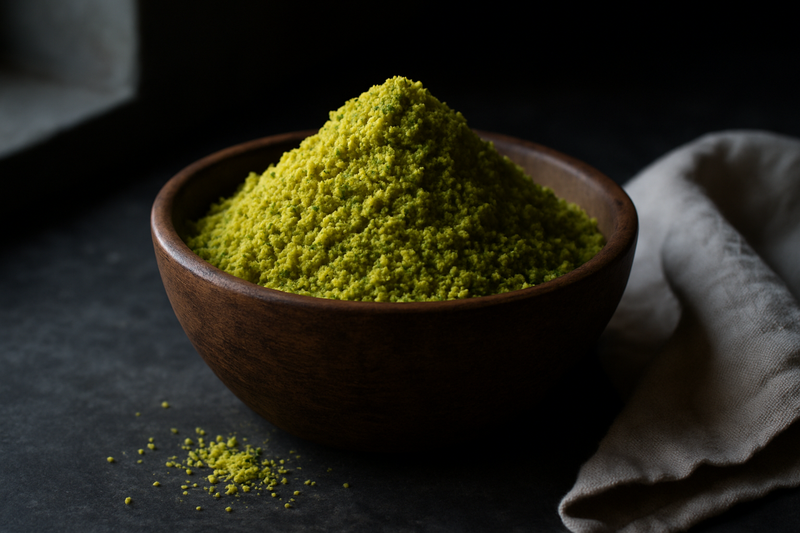
Pistachio Flour · Photograph
Discover pistachio flour nutrition and health benefits — from heart-healthy fats and plant protein to lutein and fiber. Learn how to use, store, and bake with this vivid green gluten-free flour, plus safety tips for tree nut allergy.
Key Nutrients
% Daily Value based on 2,000 cal diet
Key active compounds in pistachio flour
- Lutein and zeaxanthin — Yellow-green carotenoid pigments that accumulate in the macula of the eye, acting as antioxidants and blue-light filters; pistachios are among the richest nut sources of these compounds.
- Phytosterols — Plant-derived sterols that compete with dietary cholesterol for absorption in the intestine, helping reduce LDL (low-density lipoprotein, the "bad" cholesterol) when intake is consistent.
- Polyphenols (flavonoids and phenolic acids) — A broad group of antioxidant plant compounds that may reduce oxidative stress and modulate inflammatory pathways.
- Tocopherols (vitamin E compounds) — Fat-soluble antioxidants, particularly alpha-tocopherol, that protect cell membranes and lipids from damage.
- Unsaturated fatty acids (oleic and linoleic acids) — Monounsaturated (oleic) and polyunsaturated (linoleic) fats that dominate the pistachio lipid profile and are associated with improved blood lipid profiles when they replace saturated fats.
- Vitamin B6 — Present in notably high amounts in pistachios; involved in amino acid metabolism, neurotransmitter production, and red blood cell formation.
Prep and pairing ideas
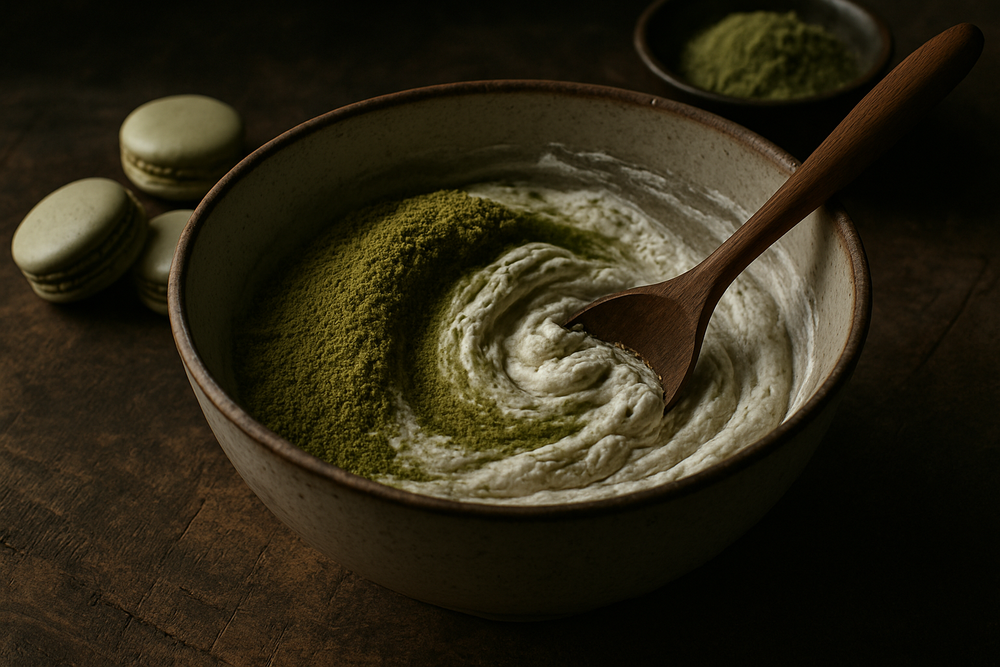
Classic macarons — Replace half of the almond flour in a standard French macaron recipe with fine pistachio flour. The shells turn naturally pale green without food colouring, with a richer, toastier flavour.
Baklava filling — Mix pistachio flour with a small amount of cinnamon and a drizzle of rose water, then layer between phyllo sheets with a light brush of olive oil or melted butter. The flour packs more densely than chopped nuts and creates a smoother, more cohesive filling.
Ice cream base or gelato — Whisk 3–4 tablespoons of pistachio flour into a warm dairy or coconut-milk base before churning. The fat-soluble pigments bind into the cream, producing a deep natural green colour and a concentrated pistachio flavour that intensifies as it freezes.
Morning oatmeal topping — Stir a tablespoon of pistachio flour into oatmeal or overnight oats with a pinch of cardamom. It dissolves partially and adds protein and healthy fats without overpowering the other flavours.
Buying guide
- Fresh vs. shelf-stable: Freshly ground pistachio flour from a specialty nut retailer will have the most vivid colour and flavour, but has a shorter shelf life. Shelf-stable packaged products are more convenient but check the milling date — anything older than six to eight months may already taste flat.
- Label tip 1: Look for "100% pistachio kernels" or "ground pistachios" as the only ingredient. Avoid products with added oils, sugar, or preservatives, which signal lower quality or attempts to mask rancidity.
- Label tip 2: Colour is a freshness indicator. Vivid emerald-green flour is fresh. Pale grey-green or olive-brown flour is likely oxidised.
- Fresh vs. frozen: If buying in bulk, portion into small airtight bags and freeze. Pistachio flour holds its colour and flavour in the freezer for up to six months. Thaw individual portions in the fridge overnight before using.
- Canned or jarred vs. pouch: Vacuum-sealed pouches or nitrogen-flushed jars preserve freshness best. Once opened, transfer to an airtight glass container and refrigerate.
Bottom line
Pistachio flour is a nutritionally serious whole-food ingredient hiding inside what most people think of as a dessert component. Its unsaturated fat and phytosterol profile mirrors the heart-health credentials of whole pistachios; its lutein content puts it in a different league from almond or oat flour for antioxidant richness; and its plant protein and fiber make it a genuinely useful tool for upgrading the nutritional baseline of gluten-free baking. The evidence base — while largely drawn from whole-nut studies rather than flour-specific trials — is moderate and mechanistically coherent.
The practical caveats are equally clear: it is a top allergen, it is energy-dense, it oxidises quickly if stored carelessly, and it interacts with warfarin-type medications through its vitamin K content. Used thoughtfully — in realistic portions, stored properly, and avoided by anyone with a tree nut allergy — pistachio flour earns its place as one of the most nutritionally complete alternative flours available.
Curious how pistachio flour fits into a heart-healthy or plant-forward eating pattern? Explore our health goal guides for practical meal ideas built around whole-food ingredients like this one.
How Pistachio Flour Compares
| Compared with | What's different |
|---|---|
| Pistachio Flour vs. Almond Flour | Contains more vitamin B6 and lutein, with a distinct green color and earthy, savory flavor profile. |
| Pistachio Flour vs. Coconut Flour | Significantly lower in carbohydrates and provides a finer, more buttery texture for pastry work. |
Health Benefits
Things to Know
Tree nut allergy is the main safety concern.: Pistachio is a top-eight tree nut allergen. Reactions range from mild oral tingling to life-threatening anaphylaxis. If you have any history of tree nut allergy or cross-reactive reactions, do not use pistachio flour without medical clearance.
Warfarin and vitamin K.: Pistachio flour contains vitamin K, which plays a role in blood clotting. If you take warfarin (a blood-thinning medication) or another vitamin K–sensitive anticoagulant, keep your pistachio flour intake consistent from week to week and inform your prescriber of any dietary changes.
Kidney disease and potassium.: Pistachio flour is high in potassium (around 960 mg per 100 g). If you have advanced chronic kidney disease and follow a low-potassium diet, talk to your dietitian before adding nut flours to your routine.
Energy density.: At roughly 594 calories per 100 g, pistachio flour is calorie-dense. In the context of a dessert recipe, this is fine in reasonable portions. It becomes a concern if large amounts are used without adjusting the rest of the meal.
Fat malabsorption.: Anyone with pancreatitis, gallbladder disease, or a fat malabsorption syndrome should seek dietary guidance before significantly increasing nut flour intake.
Antihypertensive medications.: The potassium content and potential blood pressure effects of regular pistachio consumption may complement antihypertensive therapy, but people on potassium-sparing diuretics should monitor total dietary potassium.
Pregnancy.: Pistachio flour is safe for most pregnant individuals who are not allergic, and its folate, iron, and magnesium content can support pregnancy nutrition. Always check with your obstetric provider regarding any dietary changes.
Prep Ideas
- — Fresh vs. shelf-stable: Freshly ground pistachio flour from a specialty nut retailer will have the most vivid colour and flavour, but has a shorter shelf life. Shelf-stable packaged products are more convenient but check the milling date — anything older than six to eight months may already taste flat.
- — Label tip 1: Look for "100% pistachio kernels" or "ground pistachios" as the only ingredient. Avoid products with added oils, sugar, or preservatives, which signal lower quality or attempts to mask rancidity.
- — Label tip 2: Colour is a freshness indicator. Vivid emerald-green flour is fresh. Pale grey-green or olive-brown flour is likely oxidised.
- — Fresh vs. frozen: If buying in bulk, portion into small airtight bags and freeze. Pistachio flour holds its colour and flavour in the freezer for up to six months. Thaw individual portions in the fridge overnight before using.
- — Canned or jarred vs. pouch: Vacuum-sealed pouches or nitrogen-flushed jars preserve freshness best. Once opened, transfer to an airtight glass container and refrigerate.
Shop This Ingredient
Stock your pantry with quality pistachio flour.
Buy on AmazonAs an Amazon Associate, Plantopedia earns from qualifying purchases. This costs you nothing extra and helps us keep the encyclopedia free.
Frequently Asked Questions
Most of the clinical evidence below comes from randomized controlled trials and a 2021 systematic review and meta-analysis published in the British Journal of Nutrition, which pooled data on pistachio nut consumption in adults. Because pistachio flour made from whole ground kernels shares the same nutritional profile as the nuts, researchers consider these findings directionally relevant — but flour-specific trials are still needed. Heart and circulation Pistachios are one of the most studied nuts for cardiovascular risk factors. Human trials consistently show that replacing less healthy snacks or fats with a daily serving of pistachios is associated with meaningful reductions in total and LDL cholesterol, improvements in the ratio of LDL to HDL (high-density lipoprotein, the "good" cholesterol), and improvements in endothelial function (how well the inner lining of blood vessels dilates and contracts). Modest reductions in systolic blood pressure have also been reported. The mechanism is well supported: the combination of unsaturated fats, phytosterols, fiber, and antioxidants works together to improve the lipid environment in the blood. Pistachio flour used in baking to replace butter or refined flour brings this same fatty acid and phytosterol package to the table. Digestive health and microbiome Pistachio flour provides around 10 g of dietary fiber per 100 g of flour — roughly equivalent to 2 g per standard two-tablespoon serving. Fiber supports healthy stool bulk and feeds beneficial bacteria in the colon (a process called fermentation). Defatted pistachio flour (made as a by-product of pistachio oil extraction) contains even more fiber, up to 13–14% by weight, making it particularly relevant for high-fiber formulations. No trials have tested pistachio flour specifically on microbiome outcomes, but the fiber contribution is real and measurable. If you increase your intake quickly, expect some transient bloating, which is typical of any fiber-rich food. Blood sugar and metabolism Adding pistachios to a meal can help blunt the spike in blood glucose and insulin that follows eating, particularly when they replace refined carbohydrates. This effect is partly due to the high fat and protein content slowing gastric emptying (the rate at which food leaves your stomach), and partly due to fiber adding viscosity to digested food. Some trials report modest improvements in fasting glucose and insulin resistance markers when pistachios are included in a calorie-controlled diet. Substituting pistachio flour for a portion of refined white flour in a recipe reduces the overall glycemic load of that baked good, but direct clinical data on pistachio flour specifically for blood sugar control do not yet exist. Inflammation and recovery The meta-analysis of pistachio trials shows trends toward reductions in C-reactive protein (CRP, a blood marker of systemic inflammation) and improvements in endothelial function — both signs of lower vascular inflammation. The likely drivers are the high levels of vitamin E, lutein, and polyphenols acting as antioxidants, dampening oxidative stress in blood vessel walls. Evidence here is still emerging; inflammation outcomes in pistachio trials are often secondary endpoints with modest and variable results, so these findings are promising rather than definitive.
Ground whole pistachio flour (most common) This is the standard consumer product: whole kernels ground to a fine powder. It retains the full fat, protein, fiber, and phytochemical profile of the nut and delivers the richest green colour. Best for macarons, baklava, cakes, and ice cream bases. The fat content makes it prone to rancidity, so storage matters. Defatted pistachio kernel flour Produced as a by-product of pistachio oil extraction, this version is higher in protein (up to 40% by weight in some analyses) and fiber, and lower in fat. Less commonly available to home cooks but increasingly used in food manufacturing for protein-enriched products. The flavour is nuttier and less sweet, and the colour can be more muted. Coarsely ground pistachio meal Less finely milled, with a sandy or gravelly texture. Works well as a crunchy crust on fish or roasted vegetables, or as a coarse inclusion in shortbread. Not interchangeable with fine pistachio flour in macaron or choux recipes where a smooth batter matters. Blended pistachio flour mixes Some products blend pistachio flour with almond flour, oat flour, or other gluten-free bases. Useful for baking versatility, but check the label for the pistachio percentage — a blend that is 20% pistachio and 80% other flours delivers far fewer pistachio-specific nutrients per serving.
There is no established daily recommended intake for pistachio flour specifically. Most clinical research on whole pistachio nuts has used daily servings in the range of 30–60 g of nuts — roughly equivalent to two to four tablespoons of pistachio flour. At those amounts, the studies generally show favourable effects on blood lipids and other cardiometabolic markers without weight gain. A practical starting point for most adults is one to two tablespoons (10–20 g) per day incorporated into food, building toward two to four tablespoons if you tolerate it well and your calorie budget allows. Because pistachio flour is calorie-dense and rich in fat, using it to replace less nutritious ingredients (refined flour, added butter) is a smarter approach than simply adding it on top of your existing diet. Start low if you are new to nut flours. Some people experience digestive discomfort — mild bloating or loose stools — when they increase dietary fat and fiber simultaneously. Giving your gut two to three weeks to adjust is normal.
Quick Answers
Common questions, answered in a line.
Pistachio flour is naturally gluten-free and serves as a high-protein, fiber-rich alternative to traditional grain flours. Its unique profile of heart-healthy unsaturated fats and antioxidants makes it a nutritionally dense choice for upgrading the profile of gluten-free baked goods.
Pistachio flour provides eye-health benefits through high concentrations of lutein and zeaxanthin, which act as antioxidants and blue-light filters in the macula. It also contains phytosterols and unsaturated fats that support heart health by helping to reduce LDL cholesterol.
Pistachio flour should be stored in an airtight glass container in the refrigerator or frozen in vacuum-sealed pouches to maintain its color and flavor. Because it contains high levels of unsaturated fats, it oxidizes quickly and can lose its vivid emerald-green color if left at room temperature.
You can use pistachio flour as a nutrient-dense topping for morning oatmeal, a base for gelato, a smooth filling for baklava, or a partial replacement for almond flour in macarons. It adds a rich, toasty flavor and a natural green hue to recipes without the need for artificial coloring.
Pistachio flour contains vitamin K, which can interfere with warfarin and other blood-thinning medications by affecting blood clotting. If you take these medications, it is important to keep your intake consistent and consult your healthcare provider about dietary changes.
Fresh pistachio flour is characterized by a vivid emerald-green color, while flour that has oxidized will appear pale grey-green or olive-brown. When buying, look for "100% pistachio kernels" on the label and avoid products with added oils, sugars, or preservatives.
Pistachio flour is high in potassium, containing approximately 960 mg per 100 g, which may require monitoring for those with advanced chronic kidney disease. Individuals on potassium-sparing diuretics or low-potassium diets should consult a dietitian before adding it to their routine.
For Readers in the USA
Local context — sourcing, seasonality, and regional notes.
Nearly 99% of U.S. pistachios are grown in California’s Central Valley, with smaller commercial harvests coming from Arizona and New Mexico. The primary harvest occurs once a year between late August and early October, ensuring the freshest flour is typically milled in the fall.
You can find pistachio flour at specialty grocers like Whole Foods Market and Trader Joe’s, or at major retailers like Walmart and Kroger, often located in the gluten-free or baking aisles. Many US consumers also purchase it from online retailers or specialty nut houses that mill to order.
Look for the USDA Organic seal to ensure the pistachios were grown without synthetic fertilizers or pesticides, and check for a GFCO certification if you need a strict gluten-free guarantee. Because nuts are a major allergen, the FDA requires all pistachio flour packaging to clearly list "tree nuts" as an ingredient.
AI Clinical Review
- Clear on what pistachio flour is: a naturally gluten‑free, whole‑kernel nut flour with protein, fiber, unsaturated fats, vitamin E, phytosterols, and notably high lutein/zeaxanthin.
- Summarizes cardiometabolic findings from randomized trials of whole pistachios (better LDL/total cholesterol, endothelial function, and modest blood‑pressure effects) and reasonably explains why similar benefits may extend to flour when used as a replacement for refined ingredients.
- Accurately notes potential post‑meal blood‑glucose blunting when nuts replace refined carbohydrates, and that fiber and fat contribute to this effect.
- Practical guidance (freshness, storage, and culinary uses) is sound; color change and rancidity risk are useful consumer cues.
- Most data come from studies on whole pistachios—not pistachio flour—so effect sizes, optimal doses, and outcomes for flour in mixed recipes remain to be confirmed.
- Bioavailability of lutein/zeaxanthin and vitamin E from flour in baked or frozen desserts (vs. raw nuts) hasn’t been directly tested; impacts on macular pigment and vision outcomes are unproven.
- Microbiome benefits are plausible but not demonstrated for pistachio flour; typical servings provide modest fiber unless using defatted flour.
- Dose translation: clinical trials often used 30–60 g nuts/day. With about 10 g per tablespoon of 100% pistachio flour, that approximates 3–6 tablespoons; actual weights vary by brand and grind.
- Allergy first: pistachio is a major tree‑nut allergen; anyone with nut allergy should avoid it and check labels for cross‑contact. For celiac disease, confirm gluten‑free processing.
- Medication/condition cautions: keep intake consistent if on warfarin or other vitamin‑K–sensitive anticoagulants; monitor potassium if you have advanced kidney disease or take potassium‑sparing diuretics; use care with pancreatitis or fat‑malabsorption. Generally safe in pregnancy if no allergy—discuss larger dietary changes with your clinician.
- Calorie density: about 120 kcal per 2 tablespoons. A practical range is 1–2 tablespoons/day to start, used as a replacement for refined flour or added fats rather than an add‑on.
- Form matters: defatted pistachio flour is higher in protein/fiber and lower in fat, with different culinary behavior and possibly different satiety/lipid effects compared with full‑fat flour.
Tree nut allergen; keep cool to preserve color and freshness.
References
- USDA FoodData Central — Pistachio Nuts (primary nutrition data): (fdc.nal.usda.gov)
- MyPlate — Protein Foods Group (guidance on nuts and seeds in healthy eating patterns): (myplate.gov)
- Systematic review and meta-analysis of pistachio RCTs — lipids, endothelial function, blood pressure (British Journal of Nutrition, 2021): (cambridge.org)
- Review on pistachio composition and disease prevention (PMC/NCBI, 2021): (pmc.ncbi.nlm.nih.gov)
- Nutritional quality of defatted pistachio kernel flour — fiber, protein, antioxidants (WSU archive / compositional study): (public.archive.wsu.edu)
- Pistachio flour nutrition facts — dietcompass.org (per-100 g macronutrient and micronutrient data): (dietcompass.org)
- Pistachio flour product and storage guidance — nuts.com: (nuts.com)
- Pistachio flour culinary and nutritional overview — kimecopak: (kimecopak.ca)
Know Your Numbers
Eating healthy is a start. Now get to know your biomarkers.
Food changes bloodwork — inflammation, lipids, blood sugar and nutrient status all respond to what you eat. 59 markers from $59.
- Results in 7–10 days at 2,000+ Quest sites
- Licensed provider reviews every result
- One flat price, no membership, HSA/FSA eligible
Educational information only, not medical advice. Panels are ordered and reviewed through our licensed partner; Plantopedia may earn a commission.