Poblano Pepper — health benefits and uses
Color, fiber, and everyday plate-building angle
The Short Answer
Poblano peppers are mild Mexican chili peppers known for their rich, smoky flavor and low heat, measuring between 1,000 and 1,500 Scoville Heat Units. They are excellent for stuffing and provide significant amounts of Vitamin C and Vitamin A.

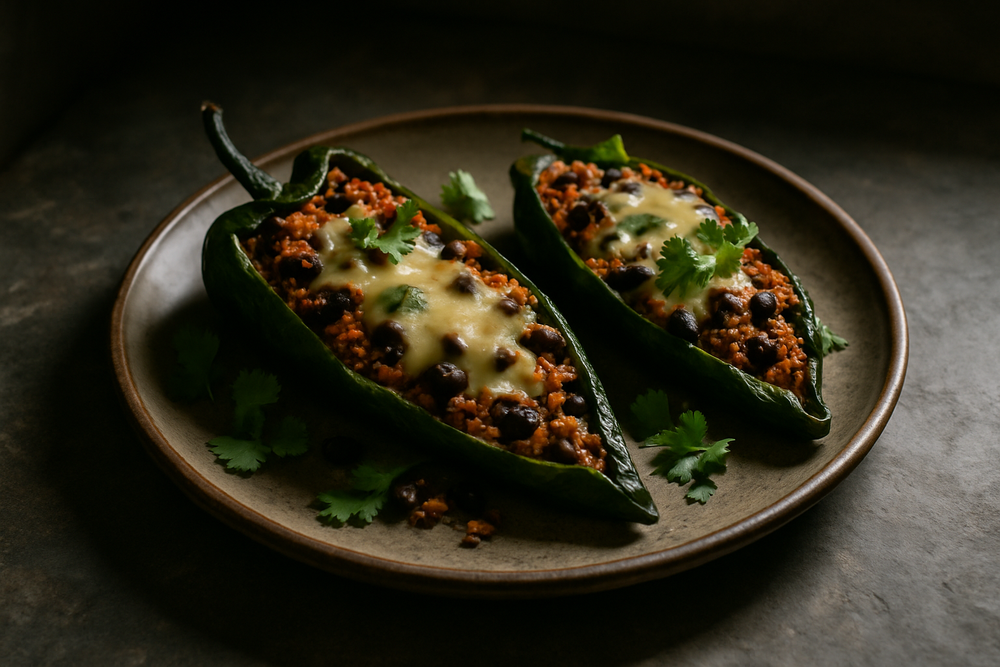
Poblano Pepper · Photograph
Poblano peppers (Capsicum annuum) are large, dark-green chili peppers originally from the Puebla region of Mexico. In the kitchen they behave more like a hearty vegetable than a spice — mild enough to stuff whole, versatile enough to blend into a creamy sauce, and satisfying enough to anchor a plant-forward meal on their own. Dried and fully ripened to red, the same pepper becomes an ancho chile, a staple of Mexican mole sauces.
Key Nutrients
% Daily Value based on 2,000 cal diet
Key active compounds
Poblanos contain several groups of plant compounds (called phytochemicals — natural chemicals produced by plants that may have biological activity in the body) worth knowing about:
- Capsaicin and capsaicinoids — The alkaloid compounds responsible for chili pepper heat. Poblanos contain low levels compared with jalapeños or habaneros. Capsaicin activates TRPV1 receptors (heat-sensing nerve proteins) and has shown anti-inflammatory, analgesic (pain-reducing), and modest thermogenic (calorie-burning) effects in research — mostly at doses higher than culinary use of mild peppers provides.
- Carotenoids (e.g., beta-carotene, lutein, capsanthin) — Fat-soluble pigments that act as antioxidants (compounds that neutralize cell-damaging free radicals), support eye health, and provide the raw material for vitamin A. Their absorption improves when peppers are eaten with a small amount of dietary fat.
- Flavonoids (e.g., quercetin, luteolin) — A class of polyphenols (plant-based compounds with antioxidant and anti-inflammatory properties) that may support vascular and metabolic health as part of a plant-rich diet.
- Phenolic acids (e.g., ferulic acid, caffeic acid) — Another polyphenol subgroup that contributes to the pepper's antioxidant capacity and may help protect against oxidative stress (cellular damage from unstable oxygen molecules).
How Poblano Pepper Compares
| Compared with | What's different |
|---|---|
| Poblano Pepper vs. Jalapeño Pepper | Poblanos are larger and milder (1,000–1,500 SHU) compared to the smaller, hotter Jalapeño. |
| Poblano Pepper vs. Ancho Chile | Ancho is the dried, ripened version of the Poblano, offering a sweeter, more concentrated flavor. |
| Poblano Pepper vs. Bell Pepper | Poblanos have thicker skin and a smoky flavor, whereas Bell peppers have zero heat and more water. |
Health Benefits
Things to Know
GI sensitivity: Individuals with GERD (gastroesophageal reflux disease — chronic acid reflux), peptic ulcers, or heartburn may find even mild peppers trigger or worsen symptoms. Start with small amounts and observe.
IBS and functional gut disorders: People with IBS (irritable bowel syndrome) or other functional digestive conditions may experience cramping or urgency; introduce gradually, deseeded and well cooked.
Nightshade sensitivity: Poblanos belong to the Solanaceae (nightshade) family — the same botanical family as tomatoes, eggplant, and potatoes. People trialing elimination diets for autoimmune conditions sometimes remove nightshades and monitor symptoms; evidence for this approach is limited, but individual variation exists.
Capsicum allergy or oral allergy syndrome: People with a confirmed pepper allergy should avoid poblanos. Oral allergy syndrome (tingling or swelling of the mouth and throat from cross-reactive proteins in certain raw plant foods) can also affect some individuals.
Latex cross-reactivity: People with latex allergy may have cross-reactive responses to certain plant foods, including possibly peppers; consult an allergist if uncertain.
Warfarin and vitamin K: Poblanos contribute modest amounts of vitamin K, which affects how the blood-thinning medication warfarin works. You do not need to avoid them, but people on warfarin should keep their intake of vitamin-K-containing vegetables reasonably consistent and inform their healthcare provider of major dietary changes.
Children: Introduce well-cooked, deseeded, peeled poblano in small amounts and observe tolerance
Shop This Ingredient
Stock your pantry with quality poblano pepper.
Buy on AmazonAs an Amazon Associate, Plantopedia earns from qualifying purchases. This costs you nothing extra and helps us keep the encyclopedia free.
Frequently Asked Questions
Here is what the research says — translated honestly, without overselling. Heart and circulation No clinical trials have studied poblano peppers alone for heart health. However, several large cohort studies (long-term observational studies tracking thousands of people) have found that people who eat chili peppers four or more times per week have roughly 20–25% lower rates of cardiovascular mortality compared with those who rarely eat them. These studies, conducted in Italian, Chinese, and U.S. populations, are encouraging — but observational data cannot prove cause and effect, and overall dietary patterns may explain much of the difference. What is well established: diets rich in non-starchy vegetables like peppers are consistently linked to better blood pressure control and lower cardiovascular risk across epidemiological research and major dietary guidelines. Poblanos contribute potassium, vitamin C, and carotenoids — all heart-supportive nutrients — while their low calorie density makes them a practical replacement for more energy-dense foods in meals like stews, tacos, and stuffed peppers. Honest note: Because poblanos are mild, they deliver far less capsaicin per serving than the hot peppers typically studied. Their main cardiovascular value is as a nutrient-dense, fiber-rich vegetable, not as a concentrated source of capsaicin. Digestive health and microbiome The roughly 2.5 g of fiber in a cup of raw poblano feeds beneficial gut bacteria (the microbiome — the community of trillions of microorganisms living in your digestive tract) and supports stool regularity. Diets higher in fiber-rich vegetables are associated with lower risk of constipation and improved overall digestive function in observational studies. Some human trials using purified capsaicin have shown that repeated exposure can desensitize certain pain pathways in the gut and reduce symptoms in functional dyspepsia (chronic upper-stomach discomfort without a clear structural cause) — but these trials used concentrated capsaicin, not mild poblanos, and the doses exceeded what typical culinary use provides. Honest note: Poblanos are better tolerated than hotter peppers by people who find chiles irritating, especially when roasted, peeled, and deseeded. Pairing them with beans, whole grains, and other vegetables (as in stuffed peppers or chili) creates a fiber-rich meal that supports digestive health as a package. Blood sugar and metabolism Non-starchy vegetables like peppers have a low glycemic load (a measure of how much a food raises blood sugar, accounting for serving size), and clinical studies consistently show that eating more of them — especially as replacements for refined carbohydrates — improves blood sugar control, particularly in people with type 2 diabetes. Small human trials using capsaicin or capsinoid supplements (a milder group of capsaicin-related compounds found in sweet peppers) have reported modest improvements in post-meal glucose handling and insulin sensitivity, but results are inconsistent and doses are far higher than what roasted poblanos provide. Honest note: For blood sugar support, think of poblanos as a tool to bulk up meals — fajitas, grain bowls, soups — so you naturally eat less starchy or sugary food in the same sitting. There are no human trials directly testing poblano peppers for blood sugar control. Inflammation and recovery Capsaicin and flavonoids in chili peppers have shown anti-inflammatory activity in cell and animal studies. Some human research reports reductions in oxidative stress markers when capsaicin-containing foods are consumed regularly, but this evidence is not robust enough to position poblanos as a standalone anti-inflammatory treatment. Separately, higher intakes of colorful vegetables rich in vitamin C and carotenoids are associated with lower levels of systemic inflammatory markers in observational studies — though this applies to overall dietary patterns, not any one pepper. Honest note: Poblanos contribute to the antioxidant capacity of a meal, but their relatively low capsaicin content means any direct anti-inflammatory effect via that pathway is modest. The bigger opportunity is using them as part of a consistently plant-forward diet. Hormones and weight regulation A handful of small clinical trials using concentrated capsaicin or capsinoid supplements have shown modest increases in energy expenditure and changes in appetite-regulating hormones like ghrelin (the "hunger hormone") and GLP-1 (a hormone that signals fullness). These effects are generally small and require capsaicin doses well above what mild poblanos provide. What poblanos can reliably do: because they are high in volume and fiber but low in calories, they help create meals that feel filling without a heavy calorie cost — a practical tool for weight management and, indirectly, for the hormonal balance (particularly adipokines — hormones secreted by fat tissue — and insulin) that healthy body weight supports.
All three forms have a place, but they offer slightly different experiences and practical applications. | Form | Best for | Notes | |---|---|---| | Raw | Salsas, salads, dipping strips | Crispest texture, highest vitamin C; slightly sharper flavor; remove seeds to reduce heat | | Roasted and peeled | Stuffing, sauces, soups, tacos | Smoky, tender, deeper flavor; easiest to digest; carotenoid absorption improves with a little fat in the dish | | Sautéed or grilled strips | Fajitas, grain bowls, stir-fries | Quick, minimal prep; use water-sauté technique to keep fat low | | Blended into sauce | Creamy plant-based sauces, pureed soups | Combines well with cashews, pumpkin seeds, or white beans for a rich, dairy-free base | | Dried (ancho chile) | Mole sauces, stews, enchilada bases | Sweeter, darker, more concentrated; rehydrate in warm water before using | | Frozen | Meal prep, batch cooking | Roast, peel, and freeze in airtight bags; retains most flavor for months | How to roast poblano peppers (quick method): Place whole poblanos directly under a broiler or over a gas flame, turning with tongs every few minutes, until the skin is fully blistered and charred on all sides (about 10–15 minutes total). Transfer immediately to a heat-safe bowl and cover tightly with a plate or plastic wrap. Let them steam for 10–15 minutes — this is what loosens the skin. Peel off the charred skin using your fingers or a paper towel. It should slip off easily. Make a slit down one side, remove the seeds and inner membranes, and the pepper is ready to stuff, chop, or blend. Wash your hands thoroughly before touching your face or eyes.
Quick Answers
Common questions, answered in a line.
Poblano peppers contain low levels of capsaicin, making them much milder than jalapeños or habaneros. While they provide some heat, they behave more like a hearty vegetable than a spice in culinary applications.
An ancho chile is a poblano pepper that has been allowed to fully ripen to a red color and then dried. This dried version is a foundational ingredient used to flavor traditional Mexican mole sauces.
Poblano peppers contain carotenoids like lutein and beta-carotene, which act as antioxidants to help neutralize cell-damaging free radicals and support eye health. These fat-soluble pigments are better absorbed when the peppers are eaten with a small amount of dietary fat.
Individuals with GERD, peptic ulcers, or chronic heartburn may find that even mild poblano peppers trigger or worsen their symptoms. It is recommended to start with small amounts to observe how your digestive system reacts.
If you have IBS or a functional gut disorder, you should introduce poblano peppers gradually and ensure they are well cooked and deseeded. This preparation method may help reduce the risk of experiencing cramping or urgency.
Poblano peppers contain vitamin K, which can interfere with the effectiveness of the blood-thinning medication warfarin. People taking this medication should maintain a consistent intake of vitamin-K-rich vegetables and consult their healthcare provider about major dietary changes.
Yes, poblano peppers belong to the Solanaceae or nightshade family, the same botanical group as potatoes, tomatoes, and eggplants. Some people on elimination diets for autoimmune conditions remove these foods, though scientific evidence for this approach is currently limited.
For Readers in the USA
Local context — sourcing, seasonality, and regional notes.
In the U.S., peak poblano season runs from mid-summer through early autumn, typically July to September, depending on the warmth of the growing region. While they are available year-round in most grocery stores due to imports from Mexico, domestic harvests are most abundant during these warmer months.
Fresh poblano peppers are staples at major U.S. retailers like Kroger, Walmart, and Whole Foods, while dried ancho chiles are often found in the international or Hispanic spice aisles. For the freshest options, look to farmers markets in Southern states and California where they are grown locally.
In the United States, grocery stores occasionally mislabel fresh poblano peppers as 'pasilla' peppers, even though true pasillas are the dried form of the chilaca pepper. Always look for the characteristic wide, heart-shaped, dark green appearance to ensure you are purchasing a true poblano.
Poblano peppers grow best in USDA Hardiness Zones 9 through 11, but they can be successfully cultivated as summer annuals in cooler zones across the U.S. Gardeners in the Southwest and California benefit from the long, hot growing seasons that these peppers require to reach full maturity.
AI Clinical Review
- Accurately presents poblanos as mild chiles that function like non‑starchy vegetables: low in calories, with meaningful vitamin C, provitamin A carotenoids, and fiber.
- Puts capsaicin in context—recognizing poblanos have relatively little—and avoids overselling benefits seen with higher‑dose supplements or hotter peppers.
- Explains that most heart and metabolic findings come from broader vegetable patterns and observational studies, which aligns with current nutrition science.
- Offers practical prep guidance (roasting, peeling, pairing with a little fat to aid carotenoid absorption) that matches how these nutrients behave in food.
- There are no randomized clinical trials on poblano peppers specifically; most data extrapolate from mixed chili pepper intake or purified capsaicin/capsinoids at higher doses.
- Cardiovascular and metabolic associations with frequent chili consumption may reflect overall dietary patterns and lifestyle factors, so causality remains uncertain.
- Gut and anti‑inflammatory effects are supported mainly by small human studies using concentrates, or by cell/animal data; the impact of culinary‑level poblanos is likely modest.
- Tolerance varies. People with GERD, peptic ulcers, or IBS may do better with roasted, peeled, deseeded peppers and small portions at first.
- Allergy and cross‑reactivity: avoid if you have a confirmed pepper (Capsicum) allergy; oral allergy syndrome and latex–fruit cross‑reactivity can occur—seek guidance if unsure.
- Warfarin users should keep vitamin K intake relatively consistent; poblanos contribute a modest amount but don’t need to be avoided.
- Form matters: raw maximizes vitamin C; cooking with a small amount of fat can improve carotenoid absorption; dried ancho offers a different flavor profile and sweetness but similar cautions apply.
Frame as food education, not disease treatment.
References
- USDA FoodData Central — Peppers Fact Sheet 12 18 2025.pdf (fdc.nal.usda.gov)
- PubMed — Antimutagenic effect of one variety of green pepper (Capsicum spp.) and its possible interference with the nitrosation process (pubmed.ncbi.nlm.nih.gov)
- USDA FoodData Central — USDA FoodData Central (fdc.nal.usda.gov)
Know Your Numbers
Eating healthy is a start. Now get to know your biomarkers.
Food changes bloodwork — inflammation, lipids, blood sugar and nutrient status all respond to what you eat. 59 markers from $59.
- Results in 7–10 days at 2,000+ Quest sites
- Licensed provider reviews every result
- One flat price, no membership, HSA/FSA eligible
Educational information only, not medical advice. Panels are ordered and reviewed through our licensed partner; Plantopedia may earn a commission.