Poi (Fermented Taro) — health benefits and uses
Native Hawaiian food culture regards poi as gentle, nourishing and easy on the stomach.
The Short Answer
Poi is a fermented Hawaiian staple made from taro root that provides 26g of carbohydrates and 4g of fiber per half-cup serving. It is highly valued for its probiotic lactic acid bacteria and hypoallergenic properties.
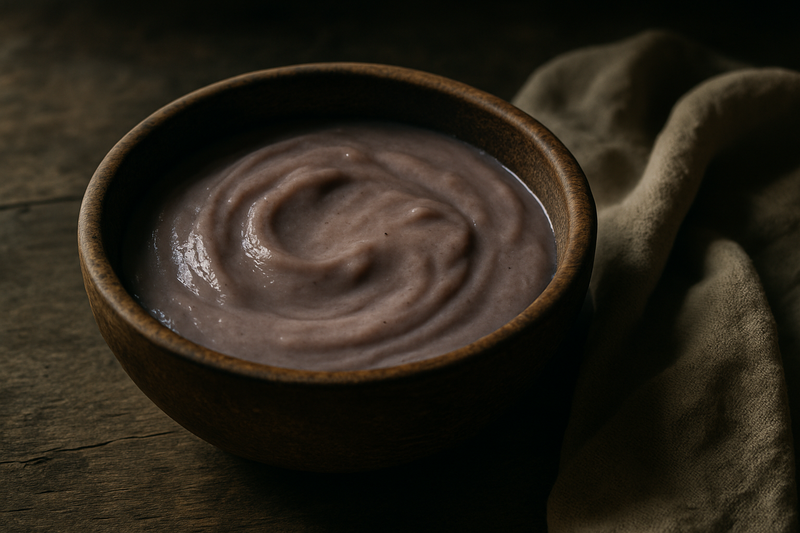
Poi (Fermented Taro) · Photograph
Discover the Hawaiian poi (fermented taro) health benefits, from gut-friendly resistant starch and natural probiotics to its reputation as one of the most hypoallergenic carbohydrates in traditional cuisine. Learn nutrition facts, safe daily amounts, and who benefits most.
Key Nutrients
% Daily Value based on 2,000 cal diet
Key active compounds in poi
- Resistant starch — A type of starch that bypasses digestion in the small intestine and reaches the colon intact, where gut bacteria ferment it into short-chain fatty acids (SCFAs) like butyrate. Fermentation increases resistant starch compared with non-fermented taro.
- Lactic acid bacteria (LAB) — Naturally occurring beneficial microorganisms (probiotics) produced during fermentation, including strains similar to those found in yogurt and other fermented foods.
- Flavonoids — A broad group of plant polyphenols with antioxidant properties, present in taro corms.
- Phenolic acids (gallic, chlorogenic, caffeic acids) — Antioxidant plant compounds that may help reduce oxidative stress (damage from unstable oxygen molecules called free radicals) at the cellular level.
- Catechins — Antioxidant compounds from the flavonoid family, also found in green tea, contributing to taro's protective phytochemical profile.
- Proanthocyanidins — Condensed plant tannins with antioxidant and anti-inflammatory properties found in many plant foods including taro.
- Carotenoids (beta-carotene, beta-cryptoxanthin) — Pigmented compounds that the body can convert to vitamin A; support vision and immune function.
Prep and pairing ideas
Poi is traditionally eaten with the fingers alongside fish, meat, or vegetables — the stickiness of the paste makes a natural scoop. Here are three practical ways to bring it into a modern kitchen:
Poi as a grain replacement bowl base. Use ½ cup of poi in place of rice or mashed potatoes beneath roasted vegetables, beans, or fish. The mild tang pairs especially well with bold flavors like teriyaki-glazed tofu, braised greens, or smoked salmon.
Poi porridge for breakfast. Thin poi slightly with warm water or unsweetened plant milk, add a handful of berries and a drizzle of honey. The resistant starch and fiber slow digestion, helping avoid a mid-morning energy crash. This is also a traditional way Hawaiian families fed young children.
Poi + cultured foods pairing. Serve a small scoop of sour poi alongside kimchi, miso soup, or a vinegary coleslaw. You're stacking multiple fermented foods in one meal, which diversifies the types of bacteria and fermentation byproducts your gut receives. The tangy flavors complement rather than clash.
Bottom line
Hawaiian poi is one of the most nutritionally layered starchy foods you can eat. It delivers prebiotic resistant starch, live fermentation-derived bacteria, meaningful minerals, and antioxidant phytochemicals — all in a low-fat, whole-food package that is genuinely hypoallergenic. The gut-health case for poi is its strongest evidence base, supported by traditional use, pediatric case series, and emerging lab research on its symbiotic properties.
Where the evidence is thinner — blood sugar, heart health, inflammation — the nutrient profile is promising but specific human trials are still lacking. Poi should be understood as a nutritious and culturally significant food, not a standalone treatment for any health condition.
If you're curious about gut health, reducing allergen load in your diet, or simply diversifying your carbohydrate sources with something genuinely different, poi is worth exploring. Start with small amounts, source it from a reputable Hawaiian brand if you're not making it yourself, and pair it with the varied whole-plant foods that make any dietary pattern work long term.
Looking to build a gut-supportive eating pattern beyond a single ingredient? Explore Plantopedia's full guide at /health.
How Poi (Fermented Taro) Compares
| Compared with | What's different |
|---|---|
| Poi (Fermented Taro) vs. Taro (Cooked) | Poi is fermented into a smooth, tangy paste, while plain taro is typically boiled or roasted. |
| Poi (Fermented Taro) vs. Yogurt | Poi is a hypoallergenic starch with resistant starch; yogurt is dairy-based with animal proteins. |
Health Benefits
Things to Know
Always use cooked taro.: Raw taro contains calcium oxalate crystals that cause intense irritation to the mouth, throat, and digestive tract. The corm must be fully cooked before pounding into poi.
Potassium content is significant.: If you have chronic kidney disease, are on a potassium-restricted diet, or take potassium-sparing diuretics (e.g., spironolactone, amiloride) or ACE inhibitors/ARBs (e.g., lisinopril, losartan), monitor your intake and consult your doctor.
Carbohydrate load matters.: Poi is carbohydrate-dense (~26 g per ½ cup). People taking insulin, sulfonylureas, GLP-1 agonists, or other glucose-lowering medications should factor poi servings into their carbohydrate counts.
Introduce slowly if digestion is sensitive.: Resistant starch and fermented fibers ferment quickly in the gut. If you have irritable bowel syndrome (IBS) or a reactive digestive system, start with 2–4 tablespoons and build up over one to two weeks.
Hygiene matters for homemade poi.: Natural fermentation lowers pH and inhibits harmful bacteria, but improper storage or contaminated equipment can lead to spoilage. Use clean utensils, store covered in a cool place, and discard poi that smells off or shows mold.
Rare taro allergy exists.: Though uncommon, some individuals are sensitive to taro. If you've never eaten taro, try a small amount first.
Pregnancy: Poi is a nutritious whole food and generally safe during pregnancy when prepared hygienically. Folate content is a plus; consult a midwife or doctor about overall carbohydrate balance.
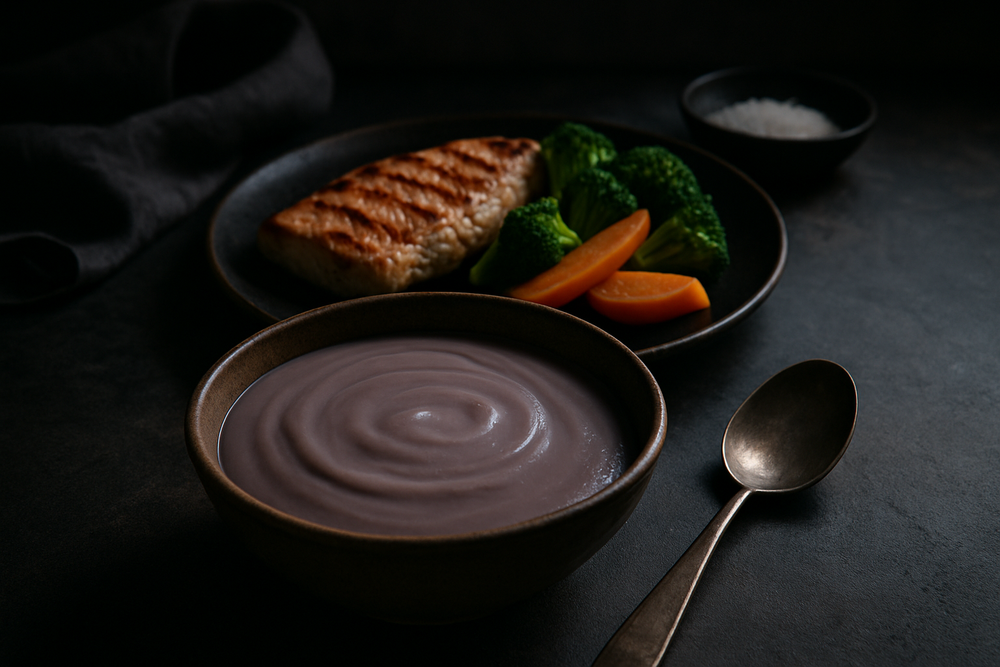
Shop This Ingredient
Stock your pantry with quality poi (fermented taro).
Buy on AmazonAs an Amazon Associate, Plantopedia earns from qualifying purchases. This costs you nothing extra and helps us keep the encyclopedia free.
Frequently Asked Questions
This is where the evidence is strongest and most interesting. Digestive health and microbiome Poi's gut-health story has two parts: the fiber-prebiotic side and the fermentation-probiotic side. On the prebiotic side, poi contains resistant starch — starch that acts like a dietary fiber, feeding beneficial bacteria in the colon. A 2024 study published in ACS Food Science & Technology tested five Hawaiian taro varieties and found that taro-derived resistant starch meaningfully increased populations of beneficial gut bacteria and SCFA production in lab-based models of the human gut. Short-chain fatty acids (SCFAs), especially butyrate, are the main fuel for colon cells and may support a healthy gut lining. Fermentation increases poi's resistant starch content, meaning sour poi likely delivers more prebiotic benefit than fresh poi. On the probiotic side, natural fermentation populates poi with lactic acid bacteria — the same broad family responsible for yogurt, kimchi, and kefir. These are live microorganisms that, when consumed in adequate amounts, may contribute to a balanced gut microbiome. The University of Hawaiʻi has formally characterised poi as a symbiotic food for this reason. Historically, poi's gentleness on digestion earned it a respected place in Hawaiian medicine. Case reports from the early 20th century describe physicians using poi-based formulas for infants with severe food allergies and malabsorption — conditions where almost every other food caused problems. Poi was well tolerated and supported normal growth in those cases. One practical caution: because resistant starch and fermentation-derived fibers are both fermented rapidly by colonic bacteria, introducing large amounts too quickly can cause gas and bloating. Start with small portions and increase gradually. Heart and circulation Poi is naturally very low in fat and sodium, and relatively rich in potassium and magnesium — a combination that aligns well with dietary patterns associated with healthy blood pressure in the broader nutrition literature. Potassium helps relax blood vessel walls and counteracts sodium's effects on blood pressure. Magnesium supports vascular function and glucose metabolism. Poi also contributes dietary fiber, which has well-established links to improved cholesterol levels and reduced cardiovascular risk across many populations. However, there are no poi-specific clinical trials measuring blood pressure, cholesterol, or cardiovascular outcomes directly. These benefits are extrapolated from nutrient profile data, not from studies of poi itself. Blood sugar and metabolism Taro (the base of poi) has a measured glycemic index (GI) of around 63 — in the medium range. A glycemic index score tells you how quickly a food raises blood glucose compared with pure glucose (scored at 100). Medium-GI foods (56–69) raise blood sugar more slowly than white bread or most refined grains, making taro and poi a potentially reasonable carbohydrate swap for people managing blood sugar. Fermentation may further lower the glycemic impact by increasing resistant starch, but this hasn't been confirmed in human feeding trials yet. Poi still contains significant carbohydrate (roughly 26 g per ½-cup serving) and must be counted in any carbohydrate-management plan. Evidence for blood sugar benefits is best described as emerging. Inflammation and recovery Taro corms contain antioxidant phytochemicals — including flavonoids, phenolic acids, and catechins — that have anti-inflammatory properties in laboratory settings. Some of these compounds carry through into poi. Fermentation may alter their bioavailability (how well the body absorbs them), though this hasn't been studied specifically in poi. Anti-inflammatory benefits are plausible but theoretical at this point; there are no controlled human studies measuring inflammatory markers after poi consumption.
The short answer is: aged (sour) poi for gut-health purposes, and fresh poi if you're new to the flavor or have a sensitive stomach. Fresh (sweet) poi is pounded taro eaten within hours to one day of preparation. It has a milder, neutral flavor and lower resistant starch content than aged versions. It's easier for first-timers and for people with sensitive digestion. Sour (aged) poi has been fermented for one to three or more days. Research shows that fermentation increases resistant starch, builds up lactic acid bacteria populations, and in some preparations increases amino acid content. This version delivers more prebiotic and probiotic benefit per serving but has a tangier taste that takes adjustment. Commercial refrigerated poi from Hawaiian brands is typically controlled-fermented and packaged. These products often provide consistent mineral levels and have been analyzed in published nutritional studies. Check labels for sodium additions and whether the product is pasteurized (pasteurization would reduce live bacteria counts). Dehydrated poi or poi flour offers shelf stability and convenience but may have lower resistant starch and reduced live bacteria compared with fresh fermented versions. Useful as a low-allergen carbohydrate base in baking or travel situations.
People managing food allergies or following elimination diets Poi is free from gluten, dairy, eggs, nuts, soy, and most common allergens. It has documented use as a hypoallergenic carbohydrate base in infants and children with multiple food allergies. Useful as a replacement starch during elimination protocols when many other grains and legumes are restricted. People focused on gut health and microbiome diversity The combination of prebiotic resistant starch and live lactic acid bacteria makes poi a genuinely symbiotic whole food — rare among staple carbohydrates. Adding poi alongside other fermented and fiber-rich foods can diversify the microbial inputs in your diet. Best introduced gradually to avoid gas and bloating from the rapid fermentation of resistant starch in the colon.
Traditional Hawaiian diets included poi as the primary carbohydrate, with intakes commonly ranging from roughly 100–300 g per day (about ½ to 1½ cups). In modern dietary contexts, most people aren't replacing all their carbohydrates with poi, so smaller portions are more realistic and practical. A reasonable starting range: New to poi or sensitive gut: 2–4 tablespoons (30–60 g) once daily with a meal Established tolerance: ½ cup (100 g) once or twice daily There is no established clinical dose for specific health outcomes. The research that exists uses composition data and traditional intake patterns rather than dose-response trials. Start low, assess how your digestion responds, and scale up over one to two weeks if it suits you. For individuals using poi as a significant carbohydrate source, work with a registered dietitian to integrate it into your overall macronutrient targets, especially if you manage blood sugar or kidney function.
Quick Answers
Common questions, answered in a line.
Poi is considered one of the most hypoallergenic carbohydrates available, making it an excellent choice for individuals with multiple food sensitivities. It is a low-fat, whole-food source of energy that is naturally gluten-free and gentle on the digestive system.
Poi contains resistant starch and live lactic acid bacteria (LAB) produced during the fermentation process. These components act as prebiotics and probiotics that support a healthy gut microbiome by nourishing beneficial bacteria and producing short-chain fatty acids like butyrate.
Poi provides several antioxidant compounds, including flavonoids, phenolic acids (such as gallic and chlorogenic acids), catechins, and proanthocyanidins. These phytochemicals help the body reduce oxidative stress by neutralizing unstable free radicals at the cellular level.
Raw taro contains calcium oxalate crystals that cause intense irritation to the mouth, throat, and digestive tract. To ensure safety, the taro corm must be fully cooked before it is pounded into poi to neutralize these crystals.
If you have a sensitive digestive system or IBS, start by eating 2–4 tablespoons of poi and gradually increase the amount over one to two weeks. Because resistant starch and fermented fibers can ferment quickly in the gut, a slow introduction helps prevent discomfort.
People with chronic kidney disease or those taking potassium-sparing diuretics, ACE inhibitors, or ARBs should monitor their poi intake due to its significant potassium content. Additionally, those on glucose-lowering medications should account for its density of 26g of carbohydrates per half-cup.
Poi can be used as a gluten-free grain replacement in bowls, thinned into a breakfast porridge with berries, or served alongside other cultured foods like kimchi. Its mild tang and sticky consistency make it a versatile base for both savory and slightly sweet dishes.
For Readers in the USA
Local context — sourcing, seasonality, and regional notes.
Fresh poi is primarily produced in Hawaii, where taro is harvested year-round, though peak production often aligns with the wetter months from winter through spring. Because taro requires significant water and tropical conditions, the vast majority of U.S. commercial poi originates from the Hawaiian Islands rather than the mainland.
In the continental U.S., you can find poi at specialty Hawaiian markets, large Asian grocery chains like H-Mart or Mitsuwa, and through online retailers that ship frozen or shelf-stable pouches. While common in Hawaii at retailers like Foodland or Safeway, mainland shoppers often find it in the freezer section to preserve freshness during transport.
When buying poi in the U.S., look for the USDA Organic seal to ensure no synthetic pesticides were used, though many traditional Hawaiian farms follow natural practices without formal certification. The FDA regulates poi as a processed food, ensuring that commercial versions meet safety standards for fermentation and acidity levels.
While traditional Hawaiian poi is made from the corm of the Colocasia esculenta plant, it is often compared to other U.S. root staples like sweet potatoes or grits due to its starchy, comforting role in a meal. Unlike mainland starches, poi is unique for its fermented "sour" profile, which is a prized flavor in Pacific Islander culinary culture.
AI Clinical Review
- Clearly explains what poi is and why it must be made from fully cooked taro (raw taro contains irritating oxalates).
- Accurately frames poi as a “symbiotic” food: it provides prebiotic resistant starch (a fiber-like starch that feeds gut microbes) and live lactic acid bacteria from natural fermentation.
- Notes poi’s low-allergen profile and historical use in pediatric/elimination diets, which is consistent with case reports and longstanding clinical practice in Hawaii.
- Appropriately characterizes the glycemic impact as moderate and highlights meaningful potassium and magnesium content without overselling it.
- Most gut and metabolic benefits are inferred from lab studies, compositional analyses, and historical case series; large human trials are limited.
- The idea that fermentation meaningfully lowers glycemic response or improves inflammatory markers is plausible but not yet confirmed in controlled feeding studies.
- Nutrient and microbe content vary by taro variety, fermentation time, and whether products are pasteurized or dehydrated—so real-world effects may differ from study conditions.
- Start small and increase gradually (for example 2–4 tablespoons per day, then up to about ½ cup once or twice daily as tolerated) to limit gas/bloating from resistant starch—especially if you have IBS.
- People with kidney disease or those on potassium-sparing meds or ACE inhibitors/ARBs should account for poi’s relatively high potassium and review intake with a clinician.
- For diabetes or blood-sugar management, poi still counts as a carbohydrate (about 26 g per ½ cup); include it in carb counting and medication planning.
- Safety and form matter: use only cooked taro; practice good hygiene for home fermentation; be aware that pasteurized or dehydrated poi may have fewer live cultures and potentially different benefits; rare taro allergy can occur, so first servings should be small, including for infants.
Taro must be cooked before pounding; naturally sour when aged.
References
- The medicinal uses of poi — historical and clinical case series on hypoallergenic and pediatric use (pmc.ncbi.nlm.nih.gov)
- Poi as a naturally fermented Hawaiian food — University of Hawaiʻi ScholarSpace review (scholarspace.manoa.hawaii.edu)
- Prebiotic potential of five Hawaiian taro varieties on gut microbiome and SCFA production — ACS Food Science & Technology (2024) (pubs.acs.org)
- Cooked taro and poi: nutritional composition and medicinal value — CTAHR Extension (AEB-3) (ctahr.hawaii.edu)
- Impact of natural fermentation on mineral composition and nutritional profile of poi — PMC (2025) (pmc.ncbi.nlm.nih.gov)
- Poi is a symbiotic food with both probiotic and prebiotic properties — CTAHR factsheet (gms.ctahr.hawaii.edu)
- Taro as a healthy carbohydrate source — international nutrition review referencing glycemic index data (pdfs.semanticscholar.org)
- USDA FoodData Central — taro and root vegetable nutrient database (fdc.nal.usda.gov)
- EatThisMuch: Taro brand poi nutrition facts (eatthismuch.com)
- HomeDiningKitchen: How much poi can you eat — a comprehensive guide (homediningkitchen.com)
Know Your Numbers
Eating healthy is a start. Now get to know your biomarkers.
Food changes bloodwork — inflammation, lipids, blood sugar and nutrient status all respond to what you eat. 59 markers from $59.
- Results in 7–10 days at 2,000+ Quest sites
- Licensed provider reviews every result
- One flat price, no membership, HSA/FSA eligible
Educational information only, not medical advice. Panels are ordered and reviewed through our licensed partner; Plantopedia may earn a commission.