Prickly Pear (Cactus Fruit) — health benefits and uses
A traditional Mexican food and folk remedy for inflammation and blood sugar.
The Short Answer
Prickly pear is a low-calorie cactus fruit rich in magnesium and fiber, known for helping regulate blood sugar and providing potent betalain antioxidants. To eat it safely, remove the glochids (spines) with tongs, peel the thick skin, and consume the pulp raw
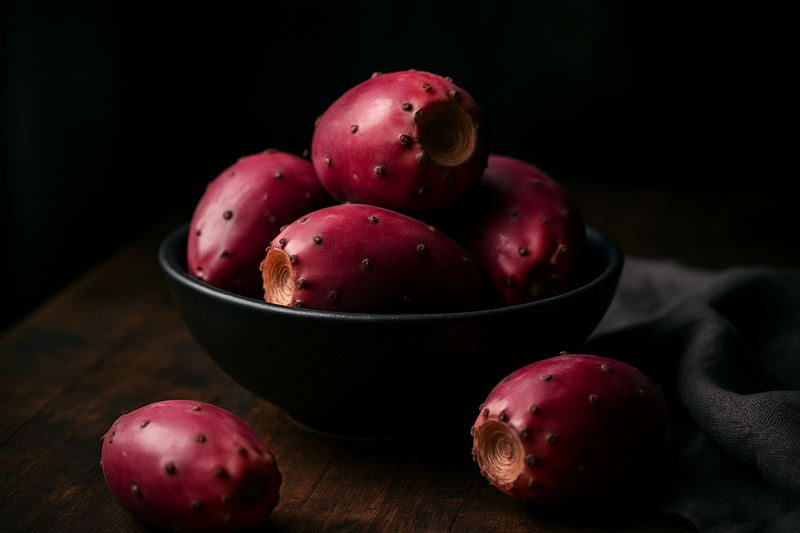
Prickly Pear (Cactus Fruit) · Photograph
Discover the science-backed prickly pear cactus fruit health benefits, including its effects on blood sugar, cholesterol, digestion, and inflammation. Get nutrition facts, safe prep tips, and honest guidance on how much to eat per day.
Key Nutrients
% Daily Value based on 2,000 cal diet
Key active compounds in prickly pear cactus fruit
- Betalains (betanin and indicaxanthin): Water-soluble, nitrogen-containing pigments responsible for the fruit's deep red-magenta color. They act as potent antioxidants and show anti-inflammatory and anti-atherosclerotic activity in early experimental and clinical research.
- Polyphenols and flavonoids: A broad class of plant phenolic compounds found in both the fruit and the pads. They contribute to the fruit's antioxidant capacity and have shown potential cardioprotective and anti-ulcer effects in preclinical models.
- Carotenoids (including beta-carotene): Fat-soluble pigments that serve as precursors to vitamin A. They support eye and immune health and help neutralize reactive oxygen species (harmful molecules that can damage cells).
- Soluble fiber (including pectin): A type of dietary fiber that dissolves in water to form a gel, slowing carbohydrate absorption and helping regulate post-meal blood sugar and cholesterol levels.
- Mucilage: A thick, gel-forming substance in cactus tissue that may further slow sugar absorption and contribute to the fruit's digestive effects.
Prep and pairing ideas
Removing the glochids and peeling (step by step):
- Hold the fruit with tongs — never bare hands.
- Roll it briskly on a cutting board to dislodge surface glochids.
- Slice off both ends, then cut a lengthwise slit through the thick skin.
- Peel the skin back from the slit; the flesh pops out cleanly.
- The seeds are edible but numerous and hard — eat them whole, or strain the pulp if juicing.
Three practical pairings:
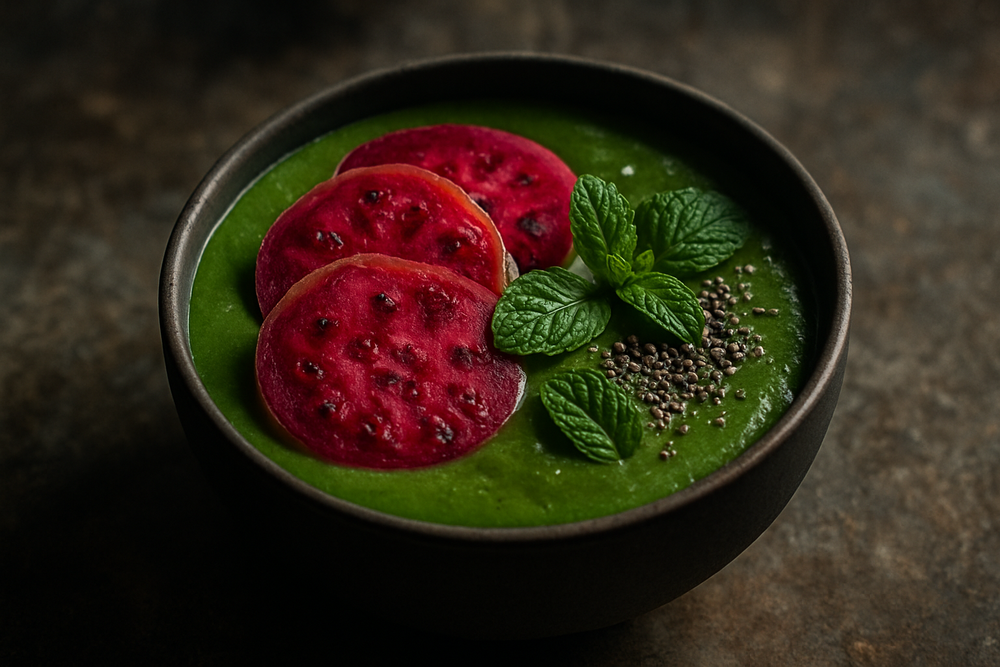
- Prickly pear + lime juice + fresh mint: The betalains are fat-soluble at a trace level, but the vitamin C in lime juice helps protect the pigments and brightens the flavor dramatically. This combination makes a beautiful agua fresca or smoothie base.
- Prickly pear + Greek yogurt + chia seeds: Pairing prickly pear's soluble fiber with chia's additional fiber and yogurt's protein creates a breakfast bowl that slows glucose absorption on multiple fronts — practical for anyone focused on blood sugar management.
- Prickly pear + cucumber + jalapeño salsa: The sweet-cool flesh balances heat beautifully and adds antioxidant color to a savory dish. Chop diced prickly pear into a fresh salsa with cucumber, jalapeño, red onion, and cilantro for a side that pairs well with grilled fish or black bean tacos.
Bottom line
Prickly pear cactus fruit is a genuinely nutritious whole food: low in calories, rich in fiber and magnesium, and loaded with antioxidant betalains that give it that unmistakable deep-magenta color. The human evidence is most consistent for modest improvements in post-meal blood sugar and blood lipids, especially when consumed as part of a high-fiber eating pattern. Its anti-inflammatory potential is real but still early-stage, and most of what we know comes from extract studies rather than everyday dietary intake.
The practical message: if you enjoy the flavor — or want to broaden your antioxidant variety — prickly pear is a smart, evidence-aligned choice. Prepare it carefully, introduce it gradually, and keep an eye on medication interactions if relevant to you.
Explore ingredients by health goal → [/goals]
How Prickly Pear (Cactus Fruit) Compares
| Compared with | What's different |
|---|---|
| Prickly Pear (Cactus Fruit) vs. Nopales (Cactus Pads) | Sweeter and softer with hard seeds, whereas nopales are the savory, crunchy green pads of the cactus. |
| Prickly Pear (Cactus Fruit) vs. Dragon Fruit | Contains deep magenta betalain antioxidants; dragon fruit has a milder flavor and smaller, soft seeds. |
Health Benefits
Things to Know
Glochids are a real hazard.: Glochids are tiny, hair-like barbs that cover the fruit's skin. Unlike the larger spines, they are nearly invisible and embed painfully in skin and mucous membranes. Always use tongs or thick gloves to handle raw fruit, and roll it on a hard surface to dislodge surface glochids before peeling.
Blood sugar interaction: If you use insulin, metformin, sulfonylureas, or other glucose-lowering drugs, the fruit's pectin and mucilage may lower post-meal blood sugar further. Monitor levels and consult your doctor.
Cholesterol medication interaction: People taking statins or bile-acid sequestrants should be aware that regular large amounts of Opuntia products may produce additive cholesterol-lowering effects.
Absorption timing: The fiber and mucilage in prickly pear can slow the absorption of medications taken close to eating. Take time-sensitive medications at a reasonable gap from a large prickly pear serving.
GI sensitivity: High intake can cause bloating, soft stools, or diarrhea, especially if you are not accustomed to a high-fiber diet. Start with half a fruit and increase gradually.
Pregnancy and breastfeeding: There is limited high-quality data on supplemental-level use during pregnancy or nursing. Culinary amounts are unlikely to be a concern, but avoid concentrated extracts or supplements without professional guidance.
Allergies: If you have had reactions to other cactus-family plants, introduce prickly pear cautiously.
Children: Young children need adult supervision when handling or eating the fruit due to glochid injury risk and the numerous small hard seeds.
Prep Ideas
- — Hold the fruit with tongs — never bare hands.
- — Roll it briskly on a cutting board to dislodge surface glochids.
- — Slice off both ends, then cut a lengthwise slit through the thick skin.
- — Peel the skin back from the slit; the flesh pops out cleanly.
- — The seeds are edible but numerous and hard — eat them whole, or strain the pulp if juicing.
- — **Prickly pear + lime juice + fresh mint:** The betalains are fat-soluble at a trace level, but the vitamin C in lime juice helps protect the pigments and brightens the flavor dramatically. This combination makes a beautiful agua fresca or smoothie base.
- — **Prickly pear + Greek yogurt + chia seeds:** Pairing prickly pear's soluble fiber with chia's additional fiber and yogurt's protein creates a breakfast bowl that slows glucose absorption on multiple fronts — practical for anyone focused on blood sugar management.
- — **Prickly pear + cucumber + jalapeño salsa:** The sweet-cool flesh balances heat beautifully and adds antioxidant color to a savory dish. Chop diced prickly pear into a fresh salsa with cucumber, jalapeño, red onion, and cilantro for a side that pairs well with grilled fish or black bean tacos.
Shop This Ingredient
Stock your pantry with quality prickly pear (cactus fruit).
Buy on AmazonAs an Amazon Associate, Plantopedia earns from qualifying purchases. This costs you nothing extra and helps us keep the encyclopedia free.
Frequently Asked Questions
Heart health and cholesterol Human evidence here is moderate and encouraging. A 2020 systematic review of clinical studies on Opuntia species found that consuming prickly pear fruit and nopal pads was associated with significant reductions in total cholesterol and LDL cholesterol (often called "bad" cholesterol) in most trials reviewed. Earlier work using broiled nopal pads served before meals in healthy, obese, and diabetic participants reported reductions in serum total cholesterol and triglycerides (a type of blood fat linked to heart disease risk). Worth noting: much of this heart-health data comes from studies on the pads rather than the sweet fruit specifically. However, the fruit shares the same soluble fiber and betalain content that are thought to drive these effects. The improvements seen are modest — this is a dietary complement to a heart-healthy eating pattern, not a replacement for medication or medical care. Prickly pear benefits for heart health and cholesterol appear most consistent when the food is eaten regularly alongside a broader plant-rich diet. Digestive health and gut support Prickly pear cactus fruit is a genuinely good fiber source for digestive health. At 3.6 g of fiber per 100 g serving, it delivers both soluble fiber (which feeds beneficial gut bacteria and softens stool) and insoluble fiber (which adds bulk and speeds transit time through the colon). This makes it a practical addition to any diet aimed at improving bowel regularity or nurturing a diverse gut microbiome — the community of microorganisms living in your digestive tract. It is worth being honest: direct clinical trials specifically on prickly pear fruit and gut outcomes are limited. Most digestive evidence is reasonably inferred from the fruit's fiber composition, combined with the robust general literature on dietary fiber's role in digestive health. Introduce it gradually; a rapid increase in fiber intake can cause temporary bloating or loose stools in some people. Blood sugar and metabolic health This is one of the better-evidenced areas. A clinical study on Opuntia robusta preparations rich in pectin (a type of soluble fiber) found they slowed carbohydrate absorption and meaningfully reduced post-meal spikes in blood glucose and serum insulin in patients with type 2 diabetes. Other human studies using broiled nopales before meals showed lower blood glucose responses in obese and diabetic participants. Mayo Clinic acknowledges preliminary human evidence that prickly pear can reduce blood sugar in people with type 2 diabetes, while emphasizing more research is still needed. Prickly pear benefits for blood sugar and diabetes appear linked primarily to its soluble fiber and mucilage content rather than any single unique compound. If you take blood sugar–lowering medications, speak with your doctor before eating large amounts; the additive effect could push glucose too low. Antioxidant activity and anti-inflammatory effects The betalain pigments in prickly pear — the same class of antioxidants found in red beets — show meaningful activity in laboratory and early human studies. These pigments may help neutralize free radicals (unstable molecules that can damage cells over time) and dial down inflammatory markers. Mayo Clinic notes that prickly pear extract has shown some ability to reduce the inflammatory component of hangover symptoms, likely via anti-inflammatory pathways. That said, most of the prickly pear antioxidants and anti-inflammatory evidence still comes from small extract studies or mechanistic lab work rather than large, long-term human trials. The practical takeaway: including this brightly colored fruit within a varied, plant-rich diet contributes meaningfully to your overall antioxidant intake. It should not be framed as a stand-alone anti-inflammatory therapy.
Fresh whole prickly pear is the gold standard. You get the full fiber matrix, intact betalains, and all the micronutrients with no added sugar or processing. Look for fruit that is deeply colored (red, magenta, or purple depending on variety), firm but with a little give, and free of shriveled skin. The bright-yellow or green-fleshed varieties are also nutritious but milder in antioxidant pigments. Prickly pear juice or nectar keeps most of the antioxidants but loses some fiber since the seeds and pulp cell walls are strained out. It is still a worthy option, especially for adding to smoothies or dressings. Check labels: many commercial products add significant sugar, which can offset metabolic benefits. Syrups, jams, and jellies deliver the flavor and some phytochemicals but are generally high in added sugar and low in intact fiber. Treat them as condiments rather than health foods. Powdered extracts and supplements have been used in small clinical trials, particularly for hangover relief and metabolic effects, but long-term safety data is thin and dosing is not standardized. Whole food first is the sensible default. Label tip: For juice, look for "100% prickly pear juice" or "no added sugar" on the front, and check the ingredient list for any corn syrup or artificial colorings — the fruit's own betalains give it a stunning natural color that needs no help.
There is no officially established therapeutic dose for prickly pear fruit as a treatment for any condition. As a whole food, the most practical and well-supported approach is one to two small-to-medium fruits per day (roughly 100–200 g), consumed as part of a varied diet. Clinical studies on Opuntia spp. have used cactus pads or fruit preparations taken with meals over days to weeks, with doses varying widely across trials — so a standardized "medicinal" quantity cannot be defined from the literature. From a fiber standpoint, two medium prickly pears contribute approximately 7 g of dietary fiber, which is about 25% of the general daily target of 25–38 g for adults. If you are new to the fruit, start with half a fruit and build up over a week or two. Drinking adequate water alongside any fiber-rich food helps prevent digestive discomfort. For concentrated supplements or powders, follow the product label and discuss with a healthcare provider, as evidence for those forms is more limited.
Quick Answers
Common questions, answered in a line.
You should handle prickly pear fruit with tongs or thick gloves to avoid glochids, which are tiny, nearly invisible barbs that embed painfully in the skin. Before peeling, roll the fruit on a hard surface to dislodge these barbs, then slice the ends and peel back the skin.
Prickly pear fruit contains soluble fiber and mucilage that can help regulate post-meal blood sugar levels by slowing carbohydrate absorption. If you take glucose-lowering medications like insulin or metformin, monitor your levels as the fruit may have additive effects.
Yes, prickly pear seeds are entirely edible, though they are quite numerous and hard. You can choose to swallow them whole along with the pulp or strain them out if you are making juice or a smoothie.
Prickly pear contains betalains, polyphenols, and carotenoids, which are potent antioxidants that help neutralize harmful molecules and protect cells from damage. These compounds also contribute to the fruit's deep red-magenta color and provide anti-inflammatory support.
Prickly pear is a good source of soluble fiber, including pectin, which forms a gel in the digestive tract to slow sugar and cholesterol absorption. It also contains mucilage, a thick substance that may further support digestive health and glucose regulation.
Eating large amounts of prickly pear may cause digestive issues such as bloating, soft stools, or diarrhea, particularly if you aren't used to high fiber intake. It is recommended to start with half a fruit and increase your intake gradually to assess your tolerance.
The fiber and mucilage in prickly pear can potentially slow the absorption of medications if they are taken at the same time as the fruit. To ensure effectiveness, it is best to take time-sensitive medications at a reasonable gap from eating a large serving of the fruit.
For Readers in the USA
Local context — sourcing, seasonality, and regional notes.
In the U.S., you can find fresh prickly pear at Hispanic grocery stores (Mercados), specialty retailers like Whole Foods, and seasonally at farmers markets in the Southwest. Major chains like Kroger or Publix often carry them under the name "Tuna" in the tropical produce section.
The domestic harvest for prickly pear in the United States typically runs from late summer through early autumn, specifically from August to October. While imported fruit from Mexico is available year-round in many states, peak flavor and availability for U.S.-grown varieties align with the warmer desert months.
In the United States, prickly pear is primarily grown commercially and wildly in Southwest states like Arizona, New Mexico, Texas, and Southern California. These regions provide the arid, sunny climate necessary for the Opuntia cactus to thrive and produce sweet fruit.
The USDA does not have specific grading standards for prickly pear fruit, but you should look for the USDA Organic seal if you want to ensure the fruit was grown without synthetic pesticides. Because they are often harvested wild or in small batches, many U.S. growers follow sustainable practices even without formal certification.
AI Clinical Review
- Clear, practical explanation that prickly pear is a low‑calorie, fiber‑rich fruit with vitamin C, magnesium, and brightly colored betalain pigments (antioxidants found also in beets).
- Balanced summary of human research: modest improvements in post‑meal blood sugar and small lipid changes are most consistently shown, particularly with cactus pads (nopales), and should complement—not replace—standard care.
- Helpful, safety‑first preparation guidance about removing spines/glochids before handling or eating.
- Useful comparison of forms (whole fruit vs juice/syrup/supplements), correctly noting fiber loss in juices and added sugars in syrups.
- Much of the metabolic and cholesterol data come from nopales or concentrated preparations; direct, high‑quality trials on the fruit itself are fewer, so benefits are plausible but not guaranteed to the same degree.
- Antioxidant and anti‑inflammatory claims rely largely on small studies and biomarker changes; we lack long‑term trials showing reduced disease events from eating the fruit alone.
- Nutrient levels (especially magnesium and antioxidant content) vary by species, growing conditions, and ripeness, so single‑number estimates are best viewed as ranges, not absolutes.
- Suggested daily amounts (for example, 1–2 fruits/day) are pragmatic for culinary use but are not an evidence‑based “dose.”
- If you use glucose‑lowering medicines (insulin, sulfonylureas, etc.), prickly pear may further reduce post‑meal readings—start with small portions, monitor closely, and discuss with your clinician if needed.
- The fruit’s fiber and mucilage can slow absorption of some medications; consider separating time‑sensitive drugs by a couple of hours from larger servings.
- Whole fruit offers the most fiber and gentler glycemic impact; juices/nectars retain color and flavor but less fiber, and sweetened syrups/jams are best treated as occasional extras.
- Gastrointestinal tolerance varies: a quick increase can cause bloating or loose stools. Hydrate, increase gradually, and strain the seeds if their texture bothers you. Pregnant or breastfeeding individuals should stick to culinary amounts and avoid high‑dose extracts without medical advice.
Remove glochids carefully; small hard seeds are edible but numerous.
References
- USDA FoodData Central — nutritional data for raw prickly pear (fdc.nal.usda.gov)
- Mayo Clinic expert answer on prickly pear cactus health benefits and safety (mayoclinic.org)
- Systematic review: effects of Opuntia spp. fruit and cladode on blood lipids in humans — PubMed 2020 (pubmed.ncbi.nlm.nih.gov)
- Human clinical trial: Opuntia robusta pectin preparations, blood glucose and insulin in type 2 diabetes — PubMed 2002 (pubmed.ncbi.nlm.nih.gov)
- Compositional analysis of prickly pear fruit and health effects — University of Canberra review (researchsystem.canberra.edu.au)
- University of Arizona Extension: Prickly Pear Cactus — Food of the Desert, preparation and nutrition (extension.arizona.edu)
- New Mexico State University Extension: How to Prepare and Use Prickly Pear Cactus Fruit and Pads (pubs.nmsu.edu)
- MyPlate — USDA guidance on vegetables including cactus vegetables (myplate.gov)
- Healthline overview: science-backed benefits of prickly pear cactus (healthline.com)
- Aprifel nutritional composition sheet — prickly pear (aprifel.com)
Know Your Numbers
Eating healthy is a start. Now get to know your biomarkers.
Food changes bloodwork — inflammation, lipids, blood sugar and nutrient status all respond to what you eat. 59 markers from $59.
- Results in 7–10 days at 2,000+ Quest sites
- Licensed provider reviews every result
- One flat price, no membership, HSA/FSA eligible
Educational information only, not medical advice. Panels are ordered and reviewed through our licensed partner; Plantopedia may earn a commission.