Purple Yam — health benefits and uses
A festive and celebratory root across the Philippines and Southeast Asia.
The Short Answer
Purple yam (ube) is a nutrient-dense tuber providing 816 mg of potassium and 4.1 g of fiber per cup, famous for its high concentration of antioxidant anthocyanins.
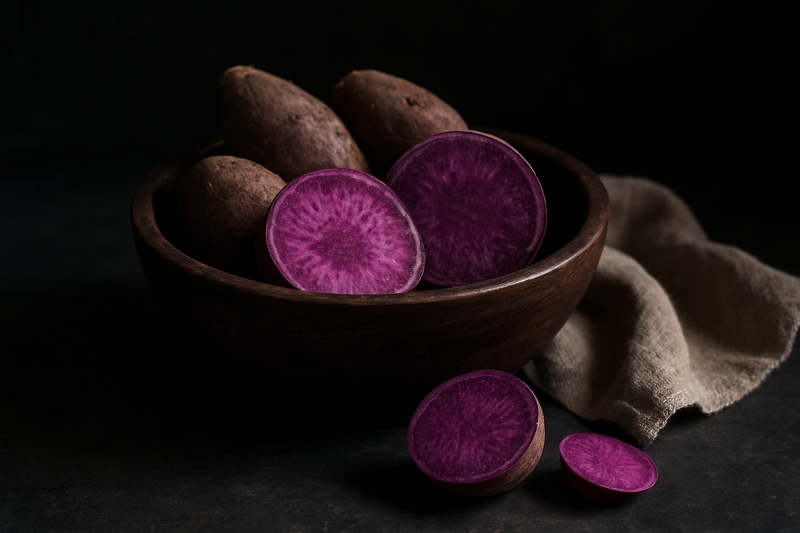
Purple Yam · Photograph
Discover the purple yam (ube) health benefits backed by nutrition science — from anthocyanin antioxidants and digestive fiber to heart-friendly potassium. Includes nutrition facts per 100 g, safe cooking tips, cautions for kidney and blood sugar conditions, and simple prep ideas for this vivid Filipino staple.
Key Nutrients
% Daily Value based on 2,000 cal diet
Key active compounds in purple yam
- Anthocyanins (cyanidin and peonidin derivatives) — The star phytonutrients (health-promoting plant compounds) in ube. Responsible for the purple color and act as potent antioxidants; some research on other anthocyanin-rich foods links them to lower inflammation and better vascular function. Raw purple yam has been reported to contain roughly 300 mg of anthocyanins per 100 g, though cooking and preparation affect the final amount.
- Phenolic compounds — A broader family of plant antioxidants including phenolic acids and flavonoids. They work alongside anthocyanins to boost total antioxidant capacity.
- Carotenoids — Fat-soluble pigments (some convertible to vitamin A) present in modest amounts; they contribute to immune support and eye health.
- Resistant starch and dietary fiber — Portions of ube's carbohydrates resist quick digestion, acting more like fiber and potentially feeding beneficial gut bacteria.
- Dioscorin (raw form only) — A storage protein naturally present in raw yam that can be irritating. Thoroughly cooking the peeled tuber substantially eliminates this concern.
Prep and pairing ideas
Keep it simple for everyday eating:
- Boiled wedges with olive oil and herbs — Peel, cube, and boil ube until fork-tender (~20 min). Toss with a drizzle of olive oil, garlic, and fresh thyme. Potassium from ube and anti-inflammatory compounds from olive oil work well together.
- Roasted ube fries — Cut into thick sticks, lightly coat with olive oil, season with smoked paprika or cinnamon, roast at 400°F (200°C) for 25–30 minutes. The natural sweetness deepens beautifully.
- Ube mash as a potato swap — Boil and mash with low-fat coconut milk and a pinch of salt. The purple color makes it a conversation-starter on any plate, and coconut milk's small amount of medium-chain fats may slightly improve the absorption of fat-soluble carotenoids in the tuber.
Three practical pairings and why:
- Ube + leafy greens (spinach, kale): Ube provides energy carbs and potassium; greens add folate, calcium, and additional fiber — a nutritionally complementary combination.
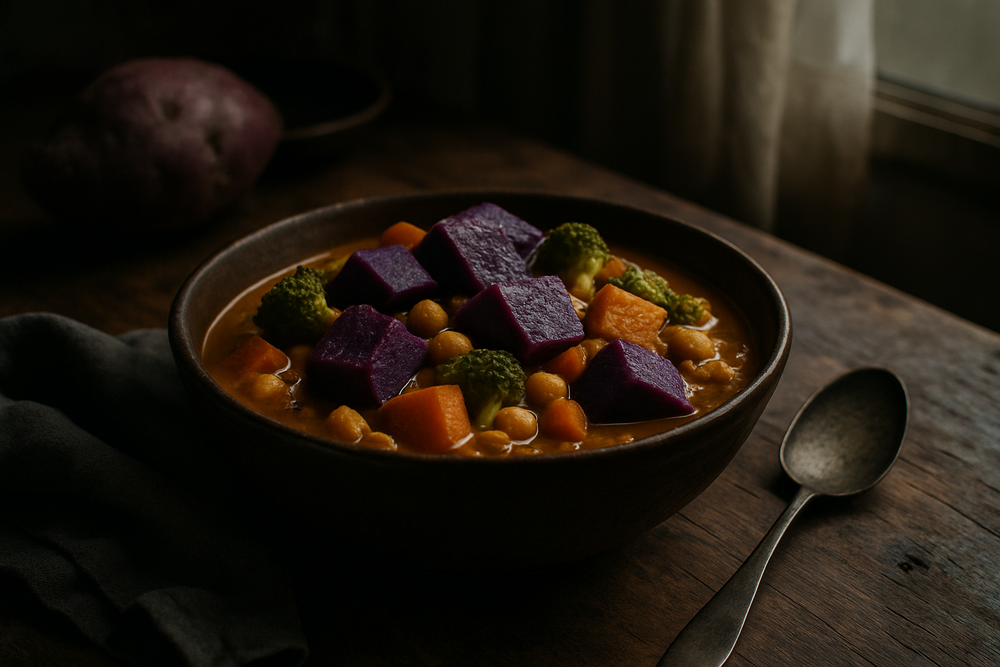
- Ube + legumes (black beans, chickpeas): Pairing a starchy tuber with protein- and fiber-rich legumes slows the glycemic response and creates a more complete amino acid profile.
- Ube + vitamin C–rich foods (mango, citrus): Ube already contains vitamin C, but pairing with another vitamin C source may slightly improve the absorption of ube's small non-heme iron content.
Bottom line
Purple yam (ube) earns its superfood reputation not through hype but through a genuinely impressive nutritional profile: high-fiber, potassium-rich, vitamin C–containing, and loaded with purple anthocyanin antioxidants that outshine most other starchy tubers. Research specifically on ube is limited, but the evidence base for its key nutrients — fiber, potassium, and anthocyanins — is well established across comparable foods.
The catch is preparation. Plain boiled, steamed, or roasted ube is a nutritional asset. The same tuber transformed into a heavily sweetened, fat-laden dessert becomes a treat — enjoyable, but no longer functioning as a health food. Choose your form intentionally, always cook it thoroughly, and keep portion sizes in check if you are managing blood sugar or kidney health.
As one colorful, fiber-rich, potassium-packed option in a varied plant-forward diet, purple yam is worth knowing.
Explore more: Looking for other plant foods that support similar health goals? Browse Plantopedia's plant-based food goals guide to find ingredients organized by what you are trying to support.
How Purple Yam Compares
| Compared with | What's different |
|---|---|
| Purple Yam vs. Purple Sweet Potato (Stokes) | Higher in anthocyanin antioxidants with a sweeter, nuttier flavor profile. |
| Purple Yam vs. Ube | A different species (Dioscorea alata) with a more floral taste and vivid violet color. |
| Purple Yam vs. Russet Potato | Contains significantly less potassium and lacks the purple anthocyanin pigments. |
Health Benefits
Things to Know
Always cook thoroughly.: Raw purple yam contains naturally occurring compounds that can irritate or harm the digestive tract. Peel, then boil, steam, or roast until completely soft.
Kidney disease and high potassium diets: Ube provides ~816 mg potassium per 100 g. People on potassium-restricted diets (common in chronic kidney disease) should check with their healthcare provider before eating it regularly.
Diabetes and blood sugar medications: Purple yam is a significant carbohydrate source. If you take insulin or oral blood-sugar-lowering drugs, changes in portion size or frequency may affect medication dosing. Monitor blood glucose as you would with any starchy food.
Potassium-affecting medications: ACE inhibitors, angiotensin receptor blockers (ARBs), and potassium-sparing diuretics (medications that prevent the kidneys from excreting potassium) can raise blood potassium levels. Adding large amounts of potassium-rich food like ube may compound this effect — discuss with your doctor.
IBS and sensitive digestion: Increasing fiber rapidly can trigger bloating, gas, or cramping. Start with smaller portions and build up gradually over two to three weeks.
Pregnancy: Thoroughly cooked ube is safe and provides useful folate and potassium. Raw or undercooked yam should be strictly avoided during pregnancy due to the potential for GI toxicity.
Hormone-sensitive conditions: Some claims online suggest yams affect estrogen — this is mainly based on other Dioscorea species used in traditional medicine, not food-use ube. Evidence for any estrogenic or progesterone-like effect from eating ube as a food is not established. Do not use purple yam as a substitute for evidence-based hormonal therapies.
Prep Ideas
- — **Boiled wedges with olive oil and herbs** — Peel, cube, and boil ube until fork-tender (~20 min). Toss with a drizzle of olive oil, garlic, and fresh thyme. Potassium from ube and anti-inflammatory compounds from olive oil work well together.
- — **Roasted ube fries** — Cut into thick sticks, lightly coat with olive oil, season with smoked paprika or cinnamon, roast at 400°F (200°C) for 25–30 minutes. The natural sweetness deepens beautifully.
- — **Ube mash as a potato swap** — Boil and mash with low-fat coconut milk and a pinch of salt. The purple color makes it a conversation-starter on any plate, and coconut milk's small amount of medium-chain fats may slightly improve the absorption of fat-soluble carotenoids in the tuber.
- — **Ube + leafy greens (spinach, kale):** Ube provides energy carbs and potassium; greens add folate, calcium, and additional fiber — a nutritionally complementary combination.
- — **Ube + legumes (black beans, chickpeas):** Pairing a starchy tuber with protein- and fiber-rich legumes slows the glycemic response and creates a more complete amino acid profile.
- — **Ube + vitamin C–rich foods (mango, citrus):** Ube already contains vitamin C, but pairing with another vitamin C source may slightly improve the absorption of ube's small non-heme iron content.
Glossary
Shop This Ingredient
Stock your pantry with quality purple yam.
Buy on AmazonAs an Amazon Associate, Plantopedia earns from qualifying purchases. This costs you nothing extra and helps us keep the encyclopedia free.
Frequently Asked Questions
The honest answer: most of the benefit story is built from purple yam's nutrient and phytochemical profile rather than large clinical trials specifically testing ube. Where human trials exist, they typically test anthocyanin-rich foods as a category (berries, purple corn, etc.) rather than ube itself. The sections below reflect that distinction clearly. Heart and circulation Purple yam's two standout contributions to cardiovascular health are potassium and fiber. High dietary potassium is consistently associated with lower blood pressure in population studies, partly because potassium helps balance the effect of sodium on fluid retention. At 816 mg per 100 g, ube is one of the more potassium-dense whole foods available. The roughly 4 g of fiber per serving contributes to the total fiber intake that large reviews associate with lower LDL cholesterol (the "bad" type linked to plaque buildup in arteries) and reduced cardiovascular risk. Anthocyanins from purple plant foods have also shown vascular benefits in some human studies, though these were not conducted specifically with ube. The bottom line: no clinical trial has tested ube as a heart intervention, but its nutrient profile aligns with well-established heart-healthy dietary patterns. Think of it as a supportive building block, not a standalone treatment. Digestive health and microbiome This is the area where the evidence is most direct. Dietary fiber — ube provides about 4 g per 100 g serving, which is more than most potatoes and comparable to many legumes per serving — is robustly supported for promoting regular bowel movements, adding stool bulk, and feeding the gut microbiome (the community of beneficial bacteria in the large intestine). Both soluble fiber (which forms a gel in the gut and slows digestion) and insoluble fiber (which adds physical bulk) are present in ube. No human trials have specifically tested ube for conditions like IBS (irritable bowel syndrome) or constipation, so benefits are extrapolated from the broader fiber evidence base. That extrapolation is reasonable but not a guarantee for everyone — some individuals with sensitive digestion may notice gas or bloating when increasing fiber quickly. Blood sugar and metabolism Purple yam is a meaningful source of carbohydrates (about 28 g per 100 g cooked), so it will raise blood glucose. The difference from refined carbohydrates like white bread or white rice is the fiber content and the complex structure of ube's starches, which slow the rate of digestion and create a more gradual blood glucose rise — a concept measured by the glycemic index (GI), a scale of how fast a food raises blood sugar compared to pure glucose. Some nutrition sources classify ube as a moderate-to-low GI food, but direct human GI testing data for Dioscorea alata specifically are limited. Anthocyanins from purple plant foods have shown potential insulin-sensitizing effects in some research, though this evidence comes from studies on other foods rather than ube directly. For people with diabetes or prediabetes: plain cooked ube in controlled portions may fit into a balanced meal plan better than many refined starches, but the carbohydrate load is still significant, and preparation matters enormously (a dish of ube halaya with added sugar and coconut milk is a very different metabolic proposition than plain boiled ube). Inflammation and recovery Chronic inflammation — a persistent, low-grade immune response linked to heart disease, type 2 diabetes, and other conditions — is partly driven by oxidative stress (cellular damage from unstable molecules called free radicals). Antioxidants like ube's anthocyanins and vitamin C help neutralize free radicals before they cause damage. Human clinical data specifically testing purple yam on inflammatory biomarkers (measurable signs of inflammation in the blood) do not yet exist. The anti-inflammatory case for ube is built on: (1) its measurable antioxidant activity in lab studies, and (2) human studies using other anthocyanin-rich foods showing reductions in markers like CRP (C-reactive protein, a blood marker of inflammation). Consider this area promising but still emerging.
Active people looking for smarter carbohydrate sources Complex carbs in ube fuel workouts without the rapid spike-and-crash of refined starches. High potassium supports electrolyte balance during and after exercise. Fiber keeps you fuller longer, which can help manage energy intake across the day. People focused on digestive wellness The fiber profile in ube (both soluble and insoluble) feeds beneficial gut bacteria and promotes regularity. As a whole-food starch, ube is less processed than white flour or instant mashed potato mixes. Easy to digest when cooked thoroughly, making it accessible for many people who find raw vegetables difficult.
This matters more than most ingredients because ube appears in everything from plain boiled chunks to intensely sweetened, fat-rich desserts. Best for health goals: Boiled, steamed, or roasted from a raw tuber. These methods preserve fiber, keep fat near zero, and let you control what goes in. Flavor is naturally mild-sweet with an earthy note — it needs very little seasoning. Good middle ground: Plain frozen ube purée or unsweetened ube powder used in smoothies or baking. Check labels carefully; many commercial products add sugar and artificial flavoring. Occasional treat territory: Ube halaya, ube ice cream, ube cakes, and ube-flavored pastries. These still contain ube's antioxidants, but the added sugar, fat, and calories dominate the nutritional picture. Enjoy them, but count them as desserts, not health foods. Avoid: Raw or undercooked purple yam. Raw yam contains compounds (including certain proteins and irritants) that can cause nausea, vomiting, and GI discomfort. Always peel and cook until fork-tender throughout.
There is no established daily recommended amount for ube specifically. Dietary guidance for starchy vegetables and whole grains (from sources like MyPlate) generally suggests making roughly a quarter of your plate starchy vegetables or whole grains at main meals. In practical terms, most people eat 50–150 g of cooked purple yam per serving, one to two times per day. As a general starting point: If you are new to high-fiber foods: Start with 50–75 g per meal and increase gradually to let your digestive system adjust. If you have diabetes: A 100 g serving contains roughly 28 g of carbohydrates. Account for this within your total carbohydrate targets and monitor blood glucose response. If you are watching potassium: A 100 g serving provides about 816 mg; stay within your renal dietitian's guidance. For general healthy adults: A 100–150 g cooked serving (about the size of a medium potato) fits comfortably into a balanced meal alongside protein and non-starchy vegetables. Start low, build slowly, and notice how your body responds. Ube is a whole food, not a supplement — there is no need to maximize intake, and more is not automatically better.
Quick Answers
Common questions, answered in a line.
Purple yam (ube) contains high levels of anthocyanins, which are potent antioxidants that give the tuber its vivid color and may help lower inflammation. These phytonutrients, specifically cyanidin and peonidin derivatives, are linked to better vascular function and reduced oxidative stress.
Purple yam should always be peeled and thoroughly cooked by boiling, steaming, or roasting until soft to eliminate irritating compounds like dioscorin. Raw purple yam contains storage proteins and other naturally occurring compounds that can be harmful or irritating to the digestive tract.
Purple yam is a heart-friendly food because it is a significant source of potassium, providing approximately 816 mg per 100 g. This high potassium content helps manage blood pressure, though individuals on potassium-restricted diets for kidney disease should consult a doctor.
Yes, purple yam supports digestion through its dietary fiber and resistant starch, which act as fuel for beneficial gut bacteria. To avoid bloating or gas, it is recommended to introduce this high-fiber food into your diet gradually over two to three weeks.
People with chronic kidney disease or those taking medications like ACE inhibitors and potassium-sparing diuretics should be cautious with purple yam due to its high potassium content. Because it is a significant carbohydrate source, individuals managing diabetes should also monitor their blood glucose levels.
For a nutritionally balanced meal, pair purple yam with leafy greens for folate, legumes for complete proteins, or vitamin C-rich foods like citrus to improve iron absorption. You can also mash ube with coconut milk, as the healthy fats may help your body better absorb the tuber's fat-soluble carotenoids.
For Readers in the USA
Local context — sourcing, seasonality, and regional notes.
In the United States, fresh purple yam (ube) is most commonly found at H Mart, 99 Ranch Market, and local Filipino grocers, especially in states like California, Hawaii, and New York. While rare in mainstream supermarkets, many specialty stores also carry frozen ube grated or as a puree, which is often more accessible than the fresh tuber.
While ube is tropical and not commercially grown in most of the U.S. mainland, it is a staple crop in Hawaii and can be cultivated in USDA hardiness zones 9-11, such as parts of Florida and Southern California. Most purple yam sold in the U.S. is imported from Southeast Asia, making frozen or processed versions available year-round despite the tuber's natural winter harvest cycle.
In the U.S., purple yam is often confused with Stokes Purple sweet potatoes or Okinawan sweet potatoes, but true ube has a rougher, bark-like skin and a more neutral, nutty flavor compared to the creamy sweetness of American purple sweet potatoes. Look for the label "Dioscorea alata" or "Ube" to ensure you are buying the authentic yam rather than a variety of Ipomoea batatas.
AI Clinical Review
- Clearly distinguishes purple yam (ube) from taro and purple sweet potato, and explains that its purple color comes from anthocyanins (pigments with antioxidant activity).
- Accurately highlights ube’s nutrient profile: meaningful fiber, potassium, and vitamin C, which can support heart and digestive health when used in place of refined starches.
- Emphasizes that preparation matters—plain boiled/roasted ube has a very different health impact than sugar‑rich desserts—and that ube must be thoroughly cooked for safety.
- Provides realistic serving guidance and flags ube as a supportive food, not a treatment, which aligns with current nutrition evidence.
- Most health claims for ube are extrapolated from research on fiber and other anthocyanin‑rich foods; human trials testing ube itself on outcomes like blood pressure, cholesterol, inflammation, or glycemic control are limited.
- Anthocyanin content varies by variety, growing conditions, storage, and cooking method; lab values (e.g., mg per 100 g) are estimates rather than guarantees.
- The glycemic index (how quickly a food raises blood sugar) for Dioscorea alata is not well standardized; responses will differ by portion size, preparation, and meal composition.
- Online claims about hormonal effects largely come from other Dioscorea species or supplements; there’s no reliable evidence that typical food amounts of ube have estrogenic or progesterone‑like effects.
- Practical intake: 100–150 g cooked as part of a balanced meal works for many adults; if you’re new to higher‑fiber foods, start with 50–75 g and increase gradually.
- High potassium content means people with chronic kidney disease or those taking ACE inhibitors, ARBs, or potassium‑sparing diuretics should check with a clinician; boiling and discarding the water can reduce (not eliminate) potassium.
- Always peel and cook thoroughly; raw or undercooked yam can irritate the GI tract.
- For blood sugar management, plain cooked ube is preferable to sweetened forms like ube halaya or ice cream; check labels on purées or powders and choose unsweetened versions when health is the goal.
Always cook thoroughly; raw yam contains compounds that can irritate.
References
- USDA FoodData Central — nutrition data for yam and purple yam (fdc.nal.usda.gov)
- MyPlate starchy vegetables and grains guidance (USDA) (myplate.gov)
- Healthline — 7 Benefits of Purple Yam (Ube), and How It Differs from Taro (healthline.com)
- Health.com — 7 Health Benefits of Ube, the Purple Yam (health.com)
- HealthifyMe — Purple Yam (Ube): A Comprehensive Health Guide (healthifyme.com)
- MedicineNet — 10 Benefits of Purple Yam (Ube) (medicinenet.com)
- Sweetish Hill — Is Purple Yam Poisonous? (safety of raw yam) (sweetishhill.com)
- Great Farmer — Purple Yam: A Purple Tuber of Exceptional Value (greatfarmer.com.vn)
- NutriScan — Ube (Purple Yam): Calories, Nutrition and Health Benefits (nutriscan.app)
- DietCompass — Purple Yam Nutrition Facts (per 100 g) (dietcompass.org)
Know Your Numbers
Eating healthy is a start. Now get to know your biomarkers.
Food changes bloodwork — inflammation, lipids, blood sugar and nutrient status all respond to what you eat. 59 markers from $59.
- Results in 7–10 days at 2,000+ Quest sites
- Licensed provider reviews every result
- One flat price, no membership, HSA/FSA eligible
Educational information only, not medical advice. Panels are ordered and reviewed through our licensed partner; Plantopedia may earn a commission.