Radish — health benefits and uses
Color, fiber, and everyday plate-building angle
The Short Answer
Radishes are low-calorie cruciferous vegetables that provide 19% of the daily value for Vitamin C per cup. Their peppery flavor comes from sulfur-containing glucosinolates, which act as antioxidants.

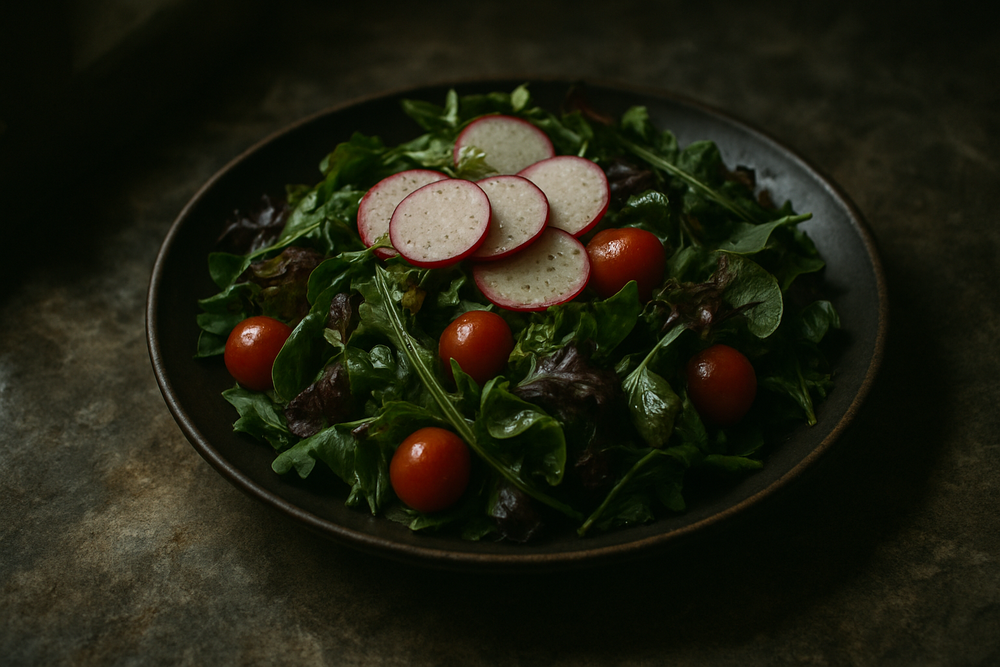
Radish · Photograph
Radishes (Raphanus sativus) are small, fast-growing root vegetables in the cruciferous family — the same plant family as broccoli, cabbage, kale, and Brussels sprouts. They come in dozens of varieties, from the familiar red globe radish you find next to the salad bar, to the long white daikon common in East Asian cooking, to the dramatic watermelon radish with its pink-flushed interior. Despite being one of the most affordable and widely available vegetables in the world, radishes are routinely ignored or treated as a garnish. This guide is here to change that.
Key Nutrients
% Daily Value based on 2,000 cal diet
Key active compounds in radishes
Radishes are not just crunchy water. They contain a specific set of plant compounds that distinguish them nutritionally.
- Glucosinolates (specifically glucoraphasatin and glucoraphenin) — Sulfur-containing compounds found in all cruciferous vegetables. When you chew or chop a radish, an enzyme called myrosinase converts these into bioactive breakdown products. These are the source of radishes' peppery, slightly bitter flavor.
- Isothiocyanates (including 4-methylthio-3-butenyl isothiocyanate, also called MTBI) — The pungent breakdown products of glucosinolates. They are responsible for the sharp bite of raw radish and are the compounds most studied for antioxidant and potential protective effects in cruciferous vegetable research.
- Anthocyanins — Water-soluble red and purple pigments concentrated in the skin of red and purple radish varieties. Broader anthocyanin research links these pigments to vascular and cognitive health support.
- Phenolic acids (including p-coumaric and ferulic acids) — A class of polyphenols (naturally occurring plant chemicals) that contribute to the overall antioxidant capacity of radishes.
- Dietary nitrates — Naturally occurring compounds present in many vegetables at low to moderate levels. The body can convert dietary nitrates to nitric oxide, which plays a role in blood vessel relaxation. Radishes contain less nitrate than beets or dark leafy greens but still contribute to total intake.
How Radish Compares
| Compared with | What's different |
|---|---|
| Radish vs. Daikon Radish | Tastes similar but grows much larger, with a milder flavor and higher water content. |
| Radish vs. Horseradish | More pungent and spicy due to higher concentrations of sulfur compounds; flesh is white. |
| Radish vs. Turnip | Sweeter and starchier when cooked, lacks the peppery bite of raw radish. |
Health Benefits
Things to Know
Thyroid conditions: Very large daily amounts of raw cruciferous vegetables in people who are also low in iodine may theoretically interfere with thyroid hormone production (a property called goitrogenic effect). At normal serving sizes, this is unlikely to be a meaningful concern for people with adequate iodine intake. If you have a thyroid condition and are planning to dramatically increase cruciferous vegetable intake, mention it to your provider.
Warfarin and other vitamin K-sensitive anticoagulants: Radish bulbs are low in vitamin K, but radish greens contain more. The main issue with vitamin K and warfarin is variability, not total amount. Keep your intake of greens consistent from week to week and let your clinician know if your diet changes significantly.
IBS and sensitive digestion: Radishes are generally low FODMAP and well tolerated. Start with smaller portions and cooked forms if you are prone to digestive discomfort from raw vegetables.
**Gallbladder conditions (with high-dose radish
Shop This Ingredient
Stock your pantry with quality radish.
Buy on AmazonAs an Amazon Associate, Plantopedia earns from qualifying purchases. This costs you nothing extra and helps us keep the encyclopedia free.
Frequently Asked Questions
Most of the research on radishes specifically is preliminary — small studies, short durations, often using radish juice or extract rather than whole food. The stronger human evidence comes from studies on cruciferous vegetables as a category, with radishes contributing as one member of that group. Here is what the evidence currently supports, framed honestly. Heart and circulation Radishes are rich in potassium and fiber, two nutrients consistently linked in human studies to healthier blood pressure and better cardiometabolic profiles. They also contain dietary nitrates at low to moderate levels, and anthocyanins in red-skinned varieties — both of which have been associated with improved blood vessel function in broader research. The most relevant human data come from large observational studies showing that people who eat more non-starchy and cruciferous vegetables have lower rates of cardiovascular disease and mortality. Radishes are a practical tool here because they offer crunch and volume as a substitute for sodium-heavy snacks or refined starches, helping shift the overall dietary pattern in a favorable direction. Direct radish-only cardiovascular trials in humans are limited. Digestive health and microbiome Each half-cup serving provides about 1 gram of fiber, with a full cup providing closer to 2 grams. Fiber from vegetables supports stool bulk, bowel regularity, and a diverse gut microbiome — all benefits well-supported in human research, even if radish-specific gut trials are sparse. Radishes are generally classified as low FODMAP (fermentable oligosaccharides, disaccharides, monosaccharides, and polyols — a category of carbohydrates that can trigger symptoms in people with IBS). This means they tend to be more tolerable than many other raw vegetables for people with irritable bowel syndrome, though individual responses always vary. Very large amounts of raw radish may cause gas or mild bloating in sensitive individuals; lightly cooking radishes usually resolves this. Blood sugar and metabolism With only about 2 grams of carbohydrate and a very low glycemic load per half-cup, radishes are one of the most blood-sugar-friendly vegetables you can eat. They add bulk, crunch, and volume to meals without meaningfully raising blood glucose — making them a practical substitute for starchier sides in grain bowls, wraps, and tacos. Small preliminary human studies testing radish or radish juice directly on blood sugar have shown modest improvements in post-meal glucose levels and oxidative stress markers, but sample sizes are small and protocols vary widely. The evidence is best described as emerging and interesting rather than conclusive. For people managing blood sugar, the main value of radishes at food-level intake is their low carbohydrate content and fiber, not any specific compound. Inflammation and recovery Radishes belong to the cruciferous family and contain glucosinolates and isothiocyanates that have been linked in human and mechanistic (laboratory-based) studies to increased activity of phase II detoxification enzymes and reduced oxidative stress. Most controlled human evidence for these effects comes from broccoli sprouts and other crucifers rather than radishes specifically. It is reasonable to expect that radishes contribute similar, though possibly smaller, effects given their related phytochemical profile. Colorful varieties — red, purple, and watermelon radishes — also supply anthocyanins with antioxidant activity, rounding out their anti-inflammatory potential as part of a varied vegetable intake. Hormones and cycle health Direct human trials on radishes and hormone balance are minimal. Cruciferous vegetables as a group have been studied for potential effects on estrogen metabolism through glucosinolate-derived compounds that may influence how the body processes and clears estrogen. Most of that research focuses on broccoli, Brussels sprouts, and mixed cruciferous vegetable interventions rather than radishes alone. The practical takeaway: radishes can be a supportive part of a crucifer-rich diet, but they are not a standalone hormone-balancing intervention. Pairing them regularly with other crucifers — roasted alongside broccoli, sliced into a kale salad, tossed with cabbage slaw — is a sensible approach for anyone focused on hormonal health through diet.
The honest answer is: the best form is the one you will actually eat consistently. That said, here is a breakdown of forms worth knowing about. Raw (sliced, grated, or halved) The most common way to eat radishes. Raw radishes retain maximum vitamin C and their full complement of glucosinolates. Best for salads, grain bowls, tacos, slaws, and as a snack with hummus or dips. If the peppery bite is too sharp, soak sliced radishes in cold water for 15 to 20 minutes, or dress them early in a light vinaigrette — the acid mellows the heat. Roasted Halve or quarter radishes, toss with a small amount of oil and herbs, and roast at 425°F (220°C) for 20 to 25 minutes. The result is mild, slightly sweet, and tender — closer to a roasted potato in texture than anything peppery. This is arguably the most transformative cooking method and is excellent for people who claim they dislike radishes. Some heat-sensitive vitamin C is lost, but the fiber and minerals remain largely intact. Pan-seared or sautéed Cut radishes in half, sear cut-side down in a hot skillet with a little oil or broth for 3 to 4 minutes, then turn. The caramelized exterior and tender interior work well as a warm side dish or added to stir-fries. A quick method for weeknights. Pickled or fermented Common across many cuisines — Korean yellow pickled daikon, Japanese tsukemono, Mexican pickled red radish for tacos. Quick pickling (radishes + vinegar + salt + optional sugar, refrigerated for at least 30 minutes) requires no special equipment and produces tangy, crunchy condiments that last up to two weeks in the fridge. Naturally fermented radishes also provide live cultures. Pickling and fermentation increase how frequently most people actually reach for radishes. Radish greens (the tops) Fully edible and often more nutrient-dense than the bulb. Use within 2 to 3 days of purchase. Sauté in olive oil with garlic as you would spinach, add to soups, blend into green pesto, or stir into scrambled eggs or grain bowls. Using the whole plant reduces food waste and adds a second layer of nutrition to each bunch you buy. Radish sprouts Young sprouted radish seeds with a spicy bite; typically eaten raw in small amounts on salads and sandwiches. Particularly high in glucosinolates and isothiocyanates. Note: most clinical sprout data come from broccoli sprouts, not radish sprouts specifically. Concentrated extracts or juices (supplement form) Used in some small studies and in traditional medicine for liver and gallbladder support. Not necessary for general health benefits, and concentrated extracts may carry different safety considerations than everyday food intake. Stick with whole-food forms unless working with a healthcare provider.
Quick Answers
Common questions, answered in a line.
Radishes get their signature peppery and pungent taste from sulfur-containing compounds called glucosinolates and their breakdown products, isothiocyanates. When the vegetable is chewed or chopped, enzymes convert these compounds into the sharp flavors typical of the cruciferous family.
Yes, radishes are generally considered a low FODMAP food and are typically well tolerated by individuals with sensitive digestion. If you are prone to discomfort from raw vegetables, it is recommended to start with smaller portions or try eating them in cooked forms.
Radishes contain several key antioxidants, including anthocyanins in red and purple skins, phenolic acids like ferulic acid, and bioactive isothiocyanates. These compounds contribute to the plant's overall antioxidant capacity and help protect against oxidative stress.
People taking Warfarin should maintain a consistent intake of radish greens, as the leaves contain higher levels of vitamin K than the bulbs. While the radish bulbs themselves are low in vitamin K, significant changes in dietary greens should be discussed with a healthcare provider.
Radishes contain dietary nitrates that the body can convert into nitric oxide, a molecule that helps relax blood vessels. Additionally, red and purple varieties contain anthocyanins, which are pigments linked in broader research to supported vascular health.
Individuals with thyroid conditions who have low iodine intake should be cautious about eating very large daily amounts of raw radishes due to their theoretical goitrogenic effect. However, at normal serving sizes, radishes are unlikely to interfere with thyroid hormone production.
For Readers in the USA
Local context — sourcing, seasonality, and regional notes.
Radishes are available year-round in the United States, but peak seasons are typically spring (April–June) and fall (September–October) in most growing regions. While Florida and California provide a constant supply for major grocery chains, local farmers markets offer the best variety during these cooler months.
Red globe radishes are the most common US variety, but you will also find French Breakfast, watermelon, and large white Daikon radishes at many retailers. Specialty grocers like Whole Foods Market or H-Mart often carry more diverse cultivars, such as Black Spanish or Purple Ninja radishes.
The United States is a significant producer of radishes, with the majority of the commercial crop grown in California, Florida, Michigan, and Ohio. These states benefit from temperate climates that allow for multiple planting cycles, ensuring a steady supply for domestic distribution.
Look for the USDA Organic seal to ensure radishes were grown without synthetic fertilizers or pesticides, and check for firm roots with bright, crisp green tops. In the US, the FDA regulates radishes as a "raw agricultural commodity," and they are generally recognized as safe for consumers when washed thoroughly.
AI Clinical Review
- Radishes are accurately presented as cruciferous vegetables rich in glucosinolates that form isothiocyanates when chopped or chewed; colored varieties also provide anthocyanins.
- The nutrition snapshot is reasonable: very low calories, high water, modest fiber, and small amounts of vitamin C, potassium, and folate.
- The discussion correctly frames health outcomes: most evidence for heart and metabolic benefits comes from overall higher cruciferous/non‑starchy vegetable intake, with radishes as a practical contributor.
- Preparation advice is sound and consumer‑relevant: raw preserves vitamin C and pungency; roasting/pan‑searing mellow heat; radish greens are edible and nutrient‑dense.
- Human trials specifically on radishes (vs. other crucifers) for blood pressure, glycemia, inflammation, or hormone metabolism are small and short; conclusions largely extrapolate from broader crucifer research.
- Benefits attributed to dietary nitrates and anthocyanins are plausible but likely modest from typical radish portions compared with higher‑nitrate vegetables or berry‑rich foods; dose–response data for radishes alone are limited.
- Microbiome and “detox” enzyme activity claims rely mostly on mechanistic or non‑radish studies; whole‑food radish trials measuring clinical endpoints are sparse.
- Evidence for radish sprouts is less established than for broccoli sprouts; generalization is reasonable but not equivalently proven.
- Usual food amounts are 1/2–1 cup at a time; cooking can lower vitamin C and inactivate myrosinase, while pairing cooked radishes with a little raw crucifer (e.g., mustard greens) can help regenerate isothiocyanates.
- If you take warfarin or other vitamin K–sensitive anticoagulants, keep intake of radish greens consistent week to week; the bulbs are low in vitamin K.
- People with thyroid disease who are iodine‑deficient should avoid very large daily amounts of raw crucifers; typical servings are unlikely to matter if iodine intake is adequate—discuss big diet changes with your clinician.
- For sensitive digestion/IBS, start with smaller portions or cooked forms; note that pickled radishes can be high in sodium if you’re managing blood pressure. Raw sprouts carry a higher foodborne illness risk—pregnant people, older adults, and those immunocompromised should avoid them or use cooked options.
Frame as food education, not disease treatment.
References
- PMC, National Library of Medicine — Nutritional and Phytochemical Characterization of Radish Leaves: A Comprehensive Overview (pmc.ncbi.nlm.nih.gov)
- PubMed — Bioactive Compounds and Health Benefits of Radish Greens (pubmed.ncbi.nlm.nih.gov)
- PubMed — Effects of Glucosinolate-Enriched Red Radish (Raphanus sativus) on In Vitro Models of Intestinal Microbiota and Metabolic Syndrome-Related Functionalities (pubmed.ncbi.nlm.nih.gov)
- PMC, National Library of Medicine — Radish (Raphanus sativus) and Diabetes (pmc.ncbi.nlm.nih.gov)
- PubMed — Deciphering the Nutraceutical Potential of Raphanus sativus-A Comprehensive Overview (pubmed.ncbi.nlm.nih.gov)
- PMC, National Library of Medicine — Root Vegetables-Composition, Health Effects, and Contaminants (pmc.ncbi.nlm.nih.gov)
- Springer — Client Challenge (link.springer.com)
Know Your Numbers
Eating healthy is a start. Now get to know your biomarkers.
Food changes bloodwork — inflammation, lipids, blood sugar and nutrient status all respond to what you eat. 59 markers from $59.
- Results in 7–10 days at 2,000+ Quest sites
- Licensed provider reviews every result
- One flat price, no membership, HSA/FSA eligible
Educational information only, not medical advice. Panels are ordered and reviewed through our licensed partner; Plantopedia may earn a commission.