Rice Cakes — health benefits and uses
A modern light snack derived from simply puffing whole rice under pressure.
The Short Answer
Rice cakes are a low-calorie, gluten-free snack, providing about 7 grams of carbohydrates and 35–60 calories per cake. To stay full and stabilize blood sugar, pair them with protein or healthy fats like nut butter or avocado.
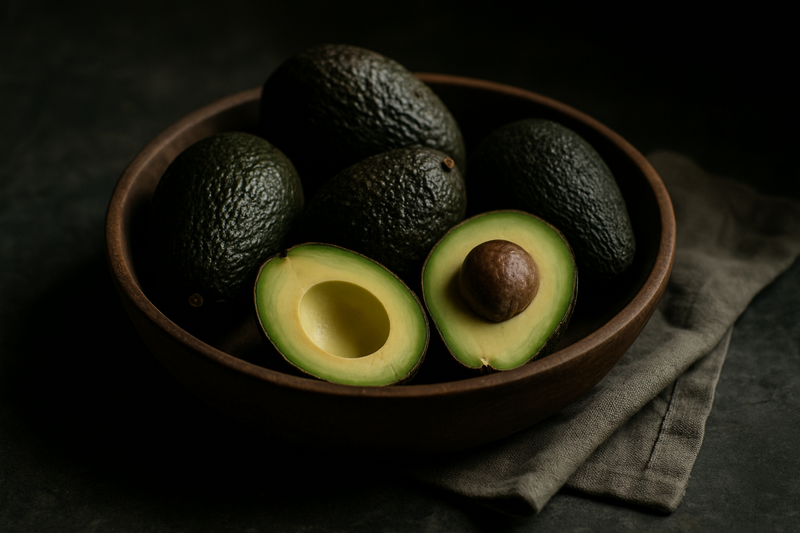
Rice Cakes · Photograph
Are rice cakes healthy? This guide breaks down rice cake nutrition facts, calories, glycemic index, and how to make them a smarter snack by pairing them with protein and healthy fats.
Key Nutrients
% Daily Value based on 2,000 cal diet
Key active compounds in brown rice cakes
Because rice cakes are a processed, heat-puffed product, they contain only residual amounts of the phytochemicals (plant compounds with potential health effects) found in whole brown rice. Still, here's what's present:
- Phenolic acids — Antioxidant compounds found in the bran of whole grains. The puffing process reduces their concentration, but small amounts remain in brown rice cakes. Antioxidants help neutralize free radicals (unstable molecules that can damage cells).
- Gamma-oryzanol — A compound unique to rice bran, made up of ferulic acid (a plant antioxidant) bound to plant sterols. It has been studied for possible effects on cholesterol and antioxidant activity in rice and rice bran products, though its levels and effects in puffed rice cakes specifically are not well characterized.
- B vitamins (niacin, small amounts of B6) — Present naturally in brown rice; support energy metabolism.
- Trace minerals (manganese, magnesium, phosphorus, selenium) — Inherited from the whole grain. Their concentrations are modest but measurable.
Buying guide: what to look for on the label
With dozens of rice cake brands and flavors on shelves, these quick rules help you pick a better option:
- First ingredient should be "whole grain brown rice" or "brown rice" — not "rice" or "white rice."
- Sodium under 50 mg per cake — plain unsalted varieties usually have 0–35 mg; lightly salted versions jump quickly.
- No added sugar in the first few ingredients — flavored varieties often sneak it in.
- Short ingredient list — ideally just rice, and maybe salt. Fewer additives = closer to a whole food.
- Serving size check — many nutrition labels list one cake as a serving, but the package often contains 10–15 cakes. Account for how many you actually eat.
- Whole grain stamp — the Whole Grain Council stamp means at least 8 g of whole grain per serving, which most plain brown rice cakes meet.
Common pairings: what to put on rice cakes for a healthier snack
The best toppings address rice cakes' main nutritional gaps: low protein, low fat, low fiber. Here are three practical combinations that work:
1. Nut butter + banana slices Two tablespoons of almond or peanut butter adds about 7 g of protein and 9 g of healthy fat, which dramatically slows glucose absorption from the rice cake. Banana adds potassium and natural sweetness. This combination is satisfying enough to serve as a light meal or pre-workout snack.
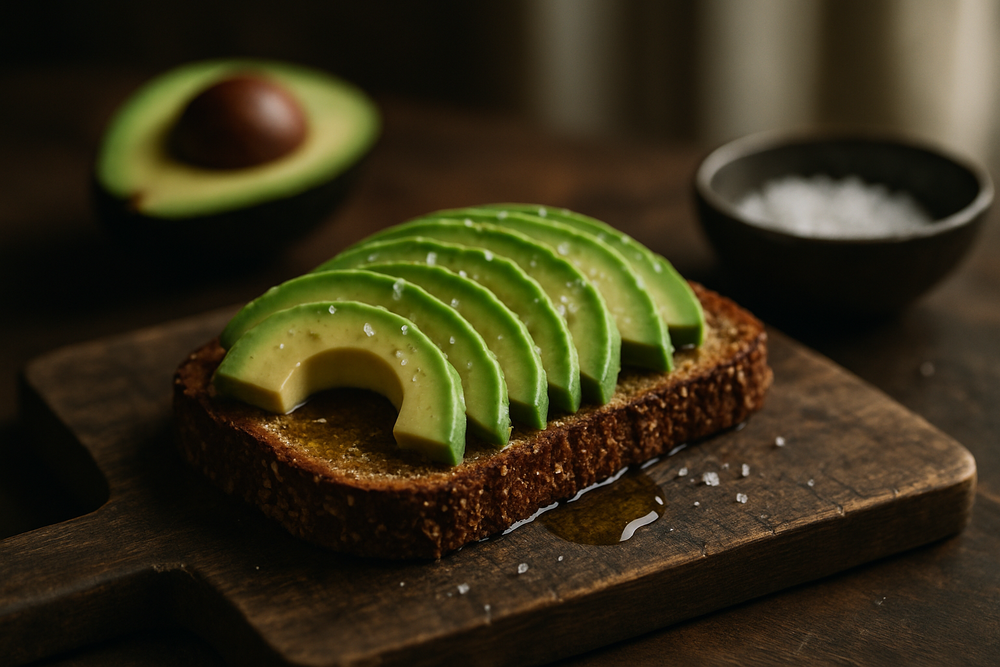
2. Avocado + a pinch of flaky salt + lemon Half a small avocado delivers about 5 g of fiber and 10 g of monounsaturated fat (the type associated with heart health). It turns a plain rice cake into something genuinely filling, and the pairing keeps blood sugar much steadier than a plain cake alone.
3. Cottage cheese + sliced cucumber or cherry tomatoes Quarter cup of low-fat cottage cheese contributes roughly 7 g of protein and calcium, making this one of the most protein-dense rice cake toppings. The vegetables add crunch, color, and a bit more fiber. This combo works especially well for people managing blood sugar or trying to increase protein intake.
Prep and pairing ideas
Rice cakes need almost no preparation, which is part of their appeal. A few ideas to make them more interesting and nutritious:
- Savory toast substitute: Top with mashed avocado, a pinch of red pepper flakes, and a poached egg. Great for a quick breakfast.
- Protein snack: Spread with ricotta or cottage cheese, top with sliced strawberries and a drizzle of honey.
- Post-workout bite: Peanut butter + banana + a sprinkle of chia seeds for quick carbs plus protein and omega-3s.
- "Cheese board" moment: Arrange 2–3 rice cakes with a slice of hard cheese, a few grapes, and walnuts for a balanced snack plate.
- Storage: Rice cakes absorb moisture quickly. Keep them in an airtight container or reseal the bag tightly after opening. They don't need refrigeration and typically stay crisp for weeks when stored dry.
- Avoid: Pre-topping and storing rice cakes — wet toppings like avocado or tomato will make them soggy within minutes. Top right before eating.
Bottom line
Rice cakes are a genuinely light, crunchy snack — and when they're made from whole brown rice and eaten without problematic toppings, they fit neatly into a balanced diet. But "low calorie" is not the same as "nutritious," and rice cakes make this distinction very clear. Alone, they're high-GI, low-fiber, low-protein discs of puffed starch. Topped with nut butter, avocado, cottage cheese, or hummus, they become a reasonable snack platform.
The best case for rice cakes is practical: they're convenient, shelf-stable, naturally gluten-free, and far lower in calories than most packaged crackers or chips. The worst case is eating them plain and repeatedly, expecting satiety or blood sugar stability that won't come.
Choose plain, unsalted brown rice cakes. Top them with something that has protein or fat. Eat 1–2 at a time. And don't rely on them as your primary grain source — let oats, barley, and other high-fiber whole grains carry that weight.
Looking to build a snacking strategy around whole foods? Browse the Plantopedia [/goals] section for evidence-aligned approaches to common health goals.
How Rice Cakes Compares
| Compared with | What's different |
|---|---|
| Rice Cakes vs. Rice Crackers | higher in fiber and protein with a denser, seedy texture compared to airy puffed rice |
| Rice Cakes vs. Rice Paper | much lower in calories and carbs but lacks the crunchy, shelf-stable convenience of rice cakes |
Health Benefits
Things to Know
High glycemic index alert: Eating rice cakes alone — especially multiple at a time — can cause a rapid blood sugar spike. Always pair with protein or fat.
Diabetes and insulin resistance: Rice cakes are on many "use with caution" lists for people managing blood glucose. If you take insulin or blood sugar–lowering medications (like sulfonylureas), the quick carb hit from plain rice cakes can complicate dosing. Talk to your care team.
Sodium watchers: Unsalted = fine. Flavored or "lightly salted" = check the label. Some flavored varieties carry as much sodium as a small bag of chips.
Celiac disease and gluten sensitivity: Rice is naturally gluten-free. However, some rice cake products are manufactured on shared equipment with wheat-containing products. Look for a certified gluten-free label if cross-contamination is a concern.
Low-carb or ketogenic diets: Rice cakes are primarily starch and don't fit a low-carbohydrate eating pattern well — even one cake takes up a significant share of a typical keto daily carb budget.
Children: Rice cakes can be a choking hazard for very young children and are nutritionally sparse. Whole grain options with more fiber and protein are generally better for kids' everyday snacking.
Pregnancy: Plain rice cakes are safe to eat during pregnancy. As always, watch sodium intake from flavored varieties and prioritize more nutrient-dense snacks as part of a varied diet.
Arsenic note: Rice (and therefore rice cakes) can contain inorganic arsenic, a naturally occurring element absorbed from soil and water. Occasional consumption is not a concern for most adults, but people who eat rice or rice products as a very frequent dietary staple — particularly infants and young children — may want variety. The FDA has published guidance on rice and arsenic for these groups.
Prep Ideas
- — **Savory toast substitute:** Top with mashed avocado, a pinch of red pepper flakes, and a poached egg. Great for a quick breakfast.
- — **Protein snack:** Spread with ricotta or cottage cheese, top with sliced strawberries and a drizzle of honey.
- — **Post-workout bite:** Peanut butter + banana + a sprinkle of chia seeds for quick carbs plus protein and omega-3s.
- — **"Cheese board" moment:** Arrange 2–3 rice cakes with a slice of hard cheese, a few grapes, and walnuts for a balanced snack plate.
- — **Storage:** Rice cakes absorb moisture quickly. Keep them in an airtight container or reseal the bag tightly after opening. They don't need refrigeration and typically stay crisp for weeks when stored dry.
- — **Avoid:** Pre-topping and storing rice cakes — wet toppings like avocado or tomato will make them soggy within minutes. Top right before eating.
Shop This Ingredient
Stock your pantry with quality rice cakes.
Buy on AmazonAs an Amazon Associate, Plantopedia earns from qualifying purchases. This costs you nothing extra and helps us keep the encyclopedia free.
Frequently Asked Questions
Rice cakes don't have the robust clinical research behind them that you'd find for, say, oats or flaxseed. Most of what we know comes from their ingredient profile (brown rice) and general nutrition science. Here's how they measure up across key areas. Heart and circulation Brown rice cakes contribute a small amount of whole grain per serving — roughly 9 g — along with trace minerals like magnesium and selenium. Public health frameworks, including the U.S. Dietary Guidelines and MyPlate, associate diets rich in whole grains with lower cardiovascular risk. Rice cakes can count toward your daily whole grain goal, but their fiber content is low, so they contribute far less to heart health than whole grain foods like oats, barley, or quinoa. Choosing unsalted varieties is important here: flavored rice cakes can carry meaningful amounts of sodium, which works against blood pressure goals. Digestive health and microbiome With less than half a gram of fiber per cake, rice cakes are not going to move the needle on gut health or bowel regularity. They're easy to digest — which can be useful for people who temporarily need low-residue foods (foods that are easy on the digestive tract) due to a GI flare or procedure — but they don't feed the beneficial bacteria in your gut the way high-fiber whole grains do. If digestive support is a goal, the toppings matter far more than the rice cake itself. Spreading on hummus, a bean dip, or topping with sliced vegetables adds the prebiotic fiber (fiber that feeds beneficial gut bacteria) rice cakes lack. Blood sugar and metabolism This is the area that requires the most attention. Plain rice cakes have a glycemic index (GI) of approximately 82 — GI is a scale from 0 to 100 that measures how quickly a food raises blood glucose compared to pure glucose. Anything above 70 is considered high. Their glycemic load (a measure that accounts for typical serving size) sits around 17, which is also in the moderate-to-high range. Eating plain rice cakes on an empty stomach can produce a rapid blood sugar spike followed by a dip that leaves you hungry again quickly. Pairing them with protein, fat, or fiber significantly blunts this response — a rice cake with almond butter, for example, behaves very differently than a plain rice cake. For people with diabetes, prediabetes, or insulin resistance, diabetes educators generally recommend caution with plain rice cakes and strongly advocate for protein-and-fat-rich toppings if rice cakes are eaten at all. Inflammation and recovery No direct evidence links rice cakes to reduced inflammation. Brown rice does contain phenolic acids with antioxidant properties, and the minerals in brown rice cakes (manganese, selenium) play roles in the body's antioxidant enzyme systems. But the amounts per serving are modest, and rice cakes shouldn't be counted on as an anti-inflammatory food. For recovery or inflammation support, the toppings — particularly sources of omega-3 fatty acids like nut butters or smoked salmon — are where the meaningful nutrition comes from.
Brown rice cakes and white rice cakes look nearly identical and have very similar calorie counts, but they differ in meaningful ways. Brown rice cakes are made from whole grain puffed rice, meaning the bran and germ layers are intact. This gives them a small but real advantage: more manganese, slightly more fiber (though still very little), trace amounts of phenolic antioxidants, and recognition as a whole grain serving under U.S. dietary guidelines. White rice cakes are made from milled (refined) rice, which removes the bran and germ. The result is a very similar texture and calorie count, but fewer minerals, less fiber, and no whole grain credit. Flavored rice cakes — caramel, cheddar, ranch — often add sugar, sodium, artificial flavors, or both. A plain white rice cake might have 35 mg of sodium; a lightly salted or flavored variety can top 100–200 mg per cake. Check the label. Multigrain rice cakes can include seeds, quinoa, or other grains that add a small bump in protein or fiber. Worth checking the ingredient list to see what's actually in there. Bottom line on form: Plain, unsalted brown rice cakes are the best choice if you're eating rice cakes regularly.
There's no single "right" number, but here's a sensible framework: 1–2 rice cakes per snack is a common pattern. That's roughly 35–70 calories, 14–15 g of carbohydrates, and a meaningful crunch without overeating refined starch. For weight management: Rice cakes work as a lower-calorie replacement for bread or crackers in a snack, but they won't keep you full on their own. The toppings are what make the snack sustainable. If you find yourself eating 4–5 plain rice cakes and still feel hungry, the problem is the lack of protein and fat, not the number of cakes. For blood sugar: People with diabetes or prediabetes are generally advised to limit servings of high-GI foods and always combine them with protein and fat. One rice cake with a substantial protein-rich topping is very different from three plain ones. Within the grain framework: The U.S. Dietary Guidelines recommend 6–8 ounce-equivalents of grains per day for most adults, with at least half as whole grains. One standard rice cake counts as about one ounce-equivalent. Rice cakes shouldn't crowd out more fiber-rich whole grains like oats, barley, or whole wheat. Starting low: If you haven't eaten rice cakes before and you're monitoring your blood sugar, try one cake with a protein-rich topping first and see how your body responds before making them a daily habit.
Quick Answers
Common questions, answered in a line.
Rice cakes are high-glycemic snacks that can cause rapid blood sugar spikes if eaten alone. To improve stability, always pair them with protein or healthy fats, such as nut butter or avocado, to slow down glucose absorption.
The healthiest rice cake toppings provide protein, fiber, and healthy fats, such as almond butter with banana, avocado with lemon, or cottage cheese with cucumber. These combinations turn a low-nutrient starch into a filling, balanced snack that keeps you satisfied longer.
When buying rice cakes, choose products where the first ingredient is whole grain brown rice and the sodium content is under 50 mg per cake. Avoid varieties with added sugar in the first few ingredients and look for a short ingredient list, ideally just rice and salt.
Rice cakes contain modest amounts of phenolic acids, gamma-oryzanol, B vitamins like niacin, and trace minerals including manganese and magnesium. While the puffing process reduces some phytochemicals, brown rice varieties retain more nutrients than white rice versions.
Rice cakes are naturally gluten-free, but individuals with celiac disease should look for a certified gluten-free label. This ensures the product was not processed on shared equipment with wheat, which helps avoid potential cross-contamination.
Rice cakes are generally safe for occasional consumption, but they can contain inorganic arsenic absorbed from soil and water. The FDA suggests that infants, young children, and those who eat rice as a primary staple should vary their grain intake to minimize exposure.
Rice cakes are not recommended for ketogenic or low-carb diets because they are primarily composed of starch. Even a single rice cake can account for a significant portion of a typical daily carbohydrate limit on a strict keto plan.
For Readers in the USA
Local context — sourcing, seasonality, and regional notes.
You can find rice cakes in the snack or health food aisle of major US retailers like Walmart, Kroger, Whole Foods Market, and Trader Joe's. Most American supermarkets carry national brands like Quaker alongside store-brand organic options that often feature the USDA Organic seal.
In the US, the Whole Grain Stamp on rice cake packaging helps consumers identify products containing at least 8 grams of whole grain per serving. This third-party certification is widely used by American brands to verify that the product is made with the entire grain kernel, including the bran and germ.
While rice is grown year-round in states like Arkansas, California, and Louisiana, rice cakes are a shelf-stable processed product available in US stores regardless of the season. Because they are heat-puffed and sealed, their quality remains consistent throughout the year across all American climate zones.
The FDA monitors inorganic arsenic levels in rice-based products and provides guidance to manufacturers to ensure snacks like rice cakes remain within safe consumption limits. For American parents, the FDA specifically recommends diversifying grains for infants rather than relying solely on puffed rice snacks.
AI Clinical Review
- Rice cakes are genuinely low in calories and nutrients; they work best as a base for more filling toppings rather than as a stand‑alone snack.
- Plain rice cakes have a high glycemic index (how fast a food raises blood sugar), and pairing with protein/fat/fiber meaningfully tempers that response.
- Brown rice cakes offer small advantages over white (trace minerals, a bit more fiber, and whole‑grain status), while flavored varieties can add considerable sodium and/or sugar.
- Practical topping suggestions (nut butter, avocado, cottage cheese, hummus) align with evidence for improving satiety and moderating post‑meal glucose.
- There are few studies on rice cakes themselves; most conclusions are inferred from brown rice nutrition and general glycemic science rather than direct clinical trials on rice cakes.
- Reported glycemic index/load values can vary by brand, cake size, formulation, and the broader meal context—as well as by individual glucose responses.
- Levels of phytochemicals (phenolic acids, gamma‑oryzanol) after puffing are inconsistent across products, and their clinical relevance at typical serving sizes is uncertain.
- The “multigrain” label doesn’t guarantee higher fiber or protein; benefits depend on the actual grain/seed mix and amounts used.
- For blood sugar management, consider portions (about 7 g carbohydrate per plain brown rice cake) and pair with protein or fat; individuals with diabetes/prediabetes may wish to check personal glucose responses.
- If you need to avoid gluten strictly, look for certified gluten‑free labeling to reduce cross‑contact risk; scrutinize seasonings in flavored options.
- Rice products can contribute inorganic arsenic exposure; rotating grains (e.g., oats, quinoa, barley) is prudent—especially for young children and during pregnancy.
- Flavored or salted varieties can add 100–200 mg sodium per cake; those managing blood pressure or kidney disease may prefer unsalted, plain brown rice cakes.
High glycemic on their own; top with protein or fat to slow absorption.
References
- USDA FoodData Central — plain brown rice cake nutrition data (fdc.nal.usda.gov)
- MyPlate grains guidance — whole grain recommendations for Americans (myplate.gov)
- Healthline: Are Rice Cakes a Healthy Snack? Nutrition, Calories, and More (healthline.com)
- WebMD: What to Know About Rice Cake Nutrition (webmd.com)
- Health.com: What Happens to Your Blood Sugar When You Eat Rice Cakes (health.com)
- GlycemicList.com: Rice Cakes (plain) glycemic index and glycemic load data (glycemiclist.com)
- BlueCircle Foundation: Per Cake — Diabetes Nutrition Facts for Rice Cakes (bluecircle.foundation)
- Today.com: Are rice cakes healthy? The type dietitians recommend (today.com)
- DrAxe: Rice Cakes — Nutrition and Health Effects (draxe.com)
- FDA: Arsenic in Rice and Rice Products — risk information for consumers (fda.gov)
Know Your Numbers
Eating healthy is a start. Now get to know your biomarkers.
Food changes bloodwork — inflammation, lipids, blood sugar and nutrient status all respond to what you eat. 59 markers from $59.
- Results in 7–10 days at 2,000+ Quest sites
- Licensed provider reviews every result
- One flat price, no membership, HSA/FSA eligible
Educational information only, not medical advice. Panels are ordered and reviewed through our licensed partner; Plantopedia may earn a commission.