Rice Flour — health benefits and uses
A foundational ingredient across East and Southeast Asian kitchens.
The Short Answer
Rice flour is a versatile, gluten-free pantry staple used for light tempura batters, silky rice noodles, and thickening sauces. It provides approximately 574 calories and 80 grams of carbohydrates per one-cup serving.
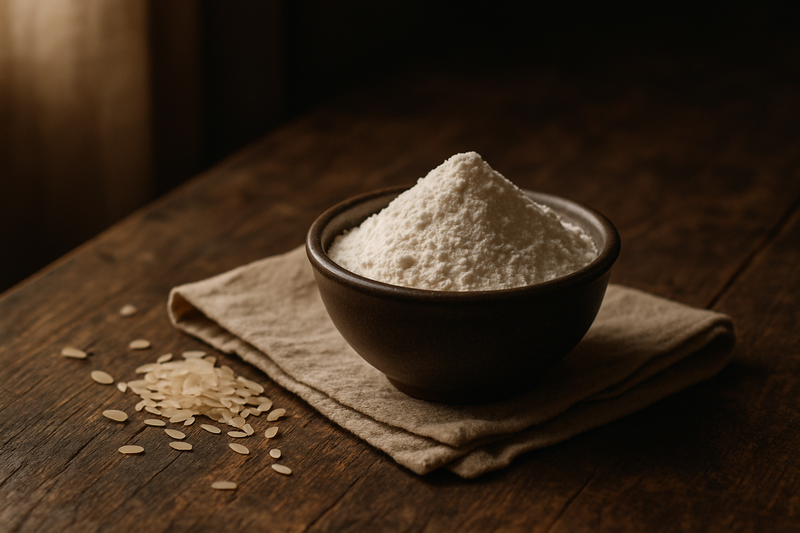
Rice Flour · Photograph
Discover rice flour health benefits, nutrition facts, and how to use it for tempura batter, rice noodles, and gluten-free baking. Plus: brown rice flour vs white rice flour explained simply.
Key Nutrients
% Daily Value based on 2,000 cal diet
Key active compounds in rice flour
The compounds below are primarily found in brown rice flour because they reside in the bran and germ layers that are removed to make white rice flour.
- Gamma-oryzanol — A mixture of ferulic acid esters of plant sterols (natural wax-like fats found in plant cell membranes) found in rice bran. Research suggests it may have antioxidant and modest lipid-lowering effects.
- Ferulic acid — A phenolic acid (a plant-based antioxidant molecule) concentrated in grain brans. May contribute to vascular health and reduced oxidative stress.
- Tocopherols and tocotrienols — Members of the vitamin E family found in rice bran oil and whole brown rice. Protect fats and cell membranes from oxidative damage; largely absent in white rice flour.
- Phytic acid (inositol hexaphosphate) — A phosphorus-rich compound in the bran of whole grains. Acts as an antioxidant and has been studied for potential anticancer properties, but also mildly reduces the absorption of minerals like iron and zinc (a property called reduced mineral bioavailability).
- Resistant starch — A portion of starch that resists digestion in the small intestine and acts more like dietary fiber, feeding beneficial gut bacteria. Present in small amounts in cooled or less-processed rice-flour preparations.
Prep and pairing ideas
Rice flour is versatile once you understand how each type behaves.
Tempura batter: Mix cold white rice flour with ice-cold water and a pinch of salt. Do not overmix — lumps are fine. The combination of cold temperature and minimal gluten development is what creates the signature gossamer crunch. Use immediately.
Pancakes and waffles: Replace up to half the wheat flour in your favorite recipe with brown rice flour for a nuttier flavor and modest fiber boost without dramatically changing texture.
Rice noodles (fresh): Combine white rice flour with tapioca starch (roughly 3:1), hot water, salt, and a little oil. Steam thin sheets, then cut into noodles. Serve with broth, fresh herbs, and lime.
Muffins and quick breads: Brown rice flour works well as the primary flour, blended with a starch and a binder (such as psyllium husk, which acts like gluten to hold baked goods together). Add warming spices and fruit to complement its nuttiness.
Thickening sauces and soups: White rice flour makes a smooth, glossy slurry for thickening sauces — stir it into a little cold water first, then whisk into simmering liquid.
Buying guide
- Fresh vs. packaged: Rice flour does not come "fresh" in the produce sense; it is always a dry packaged product. Look for a recent best-by date and minimal ingredients (rice flour only).
- White vs. brown: For most all-purpose gluten-free baking and frying, white rice flour is the standard choice. For more nutritional value and a whole-grain option, choose brown rice flour.
- Certification matters: If you have celiac disease, look specifically for a "Certified Gluten-Free" seal from a recognized body (e.g., GFFS, NSF). The label "naturally gluten-free" does not guarantee absence of cross-contamination.
- Grind fineness: "Fine" or "superfine" rice flour produces better texture in baked goods and batters than coarse-ground versions. Check the label or product description.
- Storage: Store in an airtight container in a cool, dark place. Brown rice flour contains more fat than white (from the bran) and can go rancid faster — refrigerate after opening and use within 3–6 months for best flavor.
Bottom line
Rice flour is a genuinely useful, naturally gluten-free ingredient with a legitimate place in a healthy kitchen. White rice flour excels at producing light, crispy textures in tempura, noodles, and delicate baked goods. Brown rice flour is the nutritionally superior choice — offering more fiber, magnesium, manganese, and antioxidant compounds in line with what we know about whole-grain health benefits. Neither is a superfood, and neither is a nutritional problem when used in reasonable amounts as part of a varied, whole-food-oriented diet.
The evidence base for rice flour specifically is thinner than for whole brown rice or whole grains generally — most of the health associations are extrapolated rather than directly proven in flour form. That is not a reason to avoid it; it is just an honest framing. Choose brown rice flour when you want the nutritional edge, choose white rice flour when texture is the priority, and vary your grain sources overall for the broadest micronutrient and fiber coverage.
How Rice Flour Compares
| Compared with | What's different |
|---|---|
| Rice Flour vs. Wheat Flour | Contains gluten and more protein; rice flour is gluten-free with a neutral flavor. |
| Rice Flour vs. Cornstarch | A much finer, powdery texture used primarily for thickening rather than structural baking. |
| Rice Flour vs. Brown Rice Flour | Higher fiber and manganese content because it retains the bran and germ layers. |
Health Benefits
Things to Know
Blood sugar management: Large portions of white rice flour–based foods (noodles, baked goods, fried coatings) add significant rapidly digestible starch. People with diabetes or prediabetes should track carbohydrate portions and prefer brown rice flour where possible.
Arsenic awareness: Rice, and by extension rice flour, can contain low levels of inorganic arsenic absorbed from soil. The risk from moderate, varied consumption in adults is considered low by major food safety bodies, but parents of infants and toddlers are advised to vary grain sources (e.g., oats, quinoa, buckwheat) rather than relying heavily on rice-based foods.
Celiac disease: Rice flour is naturally gluten-free, but cross-contamination with wheat during milling is possible. Choose flour with a certified gluten-free label if you have diagnosed celiac disease or severe gluten sensitivity.
Mineral absorption: Phytic acid in brown rice flour mildly reduces the absorption of iron and zinc from the same meal. Eating brown rice flour with vitamin C–rich foods or using fermentation (e.g., sourdough-style techniques) can partly offset this.
Nutrient gaps in gluten-free diets: Many gluten-free products based on white rice flour are not enriched with B vitamins and iron the way wheat flour typically is. If rice flour becomes a staple, pay attention to overall B vitamin, iron, and folate intake.
Weight management: Rice-flour-based baked goods and noodles can be calorie-dense. Portion awareness matters, especially if weight management is a goal.
Medication note: No direct drug interactions with rice flour are well documented. The main concern is that large amounts of white rice flour foods may shift blood glucose in ways that interact with insulin or other glucose-lowering medications — worth discussing with your care team if relevant.
Pregnancy: No specific cautions unique to rice flour, but the arsenic note above applies; a varied grain intake is prudent.
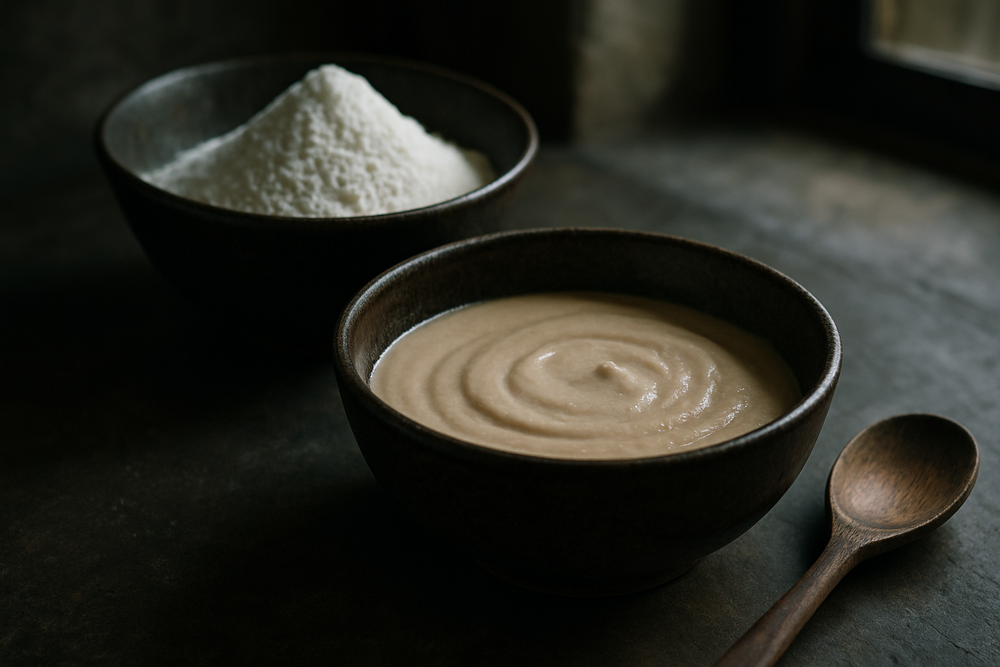
Prep Ideas
- — **Fresh vs. packaged:** Rice flour does not come "fresh" in the produce sense; it is always a dry packaged product. Look for a recent best-by date and minimal ingredients (rice flour only).
- — **White vs. brown:** For most all-purpose gluten-free baking and frying, white rice flour is the standard choice. For more nutritional value and a whole-grain option, choose brown rice flour.
- — **Certification matters:** If you have celiac disease, look specifically for a "Certified Gluten-Free" seal from a recognized body (e.g., GFFS, NSF). The label "naturally gluten-free" does not guarantee absence of cross-contamination.
- — **Grind fineness:** "Fine" or "superfine" rice flour produces better texture in baked goods and batters than coarse-ground versions. Check the label or product description.
- — **Storage:** Store in an airtight container in a cool, dark place. Brown rice flour contains more fat than white (from the bran) and can go rancid faster — refrigerate after opening and use within 3–6 months for best flavor.
Glossary
Shop This Ingredient
Stock your pantry with quality rice flour.
Buy on AmazonAs an Amazon Associate, Plantopedia earns from qualifying purchases. This costs you nothing extra and helps us keep the encyclopedia free.
Frequently Asked Questions
Heart and circulation Whole-grain diets — those that regularly include foods like brown rice, oats, and whole-wheat — are consistently linked to lower cardiovascular disease risk in large observational studies and some intervention trials. The mechanisms include better cholesterol profiles, lower blood pressure, and improved weight management, partly driven by fiber, magnesium, and antioxidant compounds like ferulic acid and gamma-oryzanol. Brown rice flour provides these same compounds in meaningful amounts. Swapping refined white flour for brown rice flour in everyday baking can incrementally raise your fiber and magnesium intake, both associated with cardiometabolic health. That said, no large randomized controlled trials have tested brown rice flour as a standalone intervention for heart outcomes — the benefit is extrapolated from whole-grain evidence and is considered moderate rather than definitive. Digestive health and microbiome Dietary fiber is the primary driver of digestive health in grains, and here the brown vs. white divide matters enormously. Brown rice flour (4.6 g fiber per 100 g) can meaningfully contribute to daily fiber targets of 25–38 g, supporting bowel regularity and feeding beneficial microbes in the colon. White rice flour (2.4 g per 100 g) is a relatively modest fiber source and should not be relied on alone for digestive benefits. The small amount of resistant starch in rice-flour preparations (especially after cooling) may also feed beneficial gut bacteria, though this effect is minor compared with higher-fiber whole-grain flours. For meaningful digestive support, pair brown rice flour with other fiber-rich whole foods and drink plenty of fluids. Blood sugar and metabolism This is where the two types of rice flour diverge most sharply. White rice flour is high in rapidly digestible starch — meaning it can raise blood glucose quickly, particularly when used in large amounts in baked goods or noodles. It has a higher glycemic load (a measure of how much a food raises blood sugar, accounting for portion size) than many alternatives. Brown rice flour, because it retains bran and fiber, is digested more slowly and likely has a more moderate effect on blood glucose. Research on whole brown rice (not the flour specifically) consistently shows it produces a lower glycemic response than white rice, and most experts extrapolate this cautiously to the flour. Evidence from rice-flour-specific clinical trials is scarce, so "likely better" rather than "proven better" is the honest framing here. Pairing any rice-flour dish with protein, healthy fat, and vegetables further blunts the blood sugar response. Inflammation and recovery Brown rice and its bran contain antioxidant compounds — gamma-oryzanol, ferulic acid, tocopherols — that have shown anti-inflammatory effects in some human and animal studies. However, most of these studies focus on concentrated rice bran extracts or whole brown rice, not milled flour. Brown rice flour likely retains some of these compounds, but direct clinical evidence for flour-specific anti-inflammatory effects in humans is minimal. Think of any anti-inflammatory benefit as a bonus of eating whole-grain foods generally, rather than a primary reason to reach for rice flour specifically.
Choosing the right rice flour depends on what you want to cook and what your nutritional priorities are. White rice flour is the workhorse of the group. Its fine, starchy texture produces the lightest results: shatteringly crisp tempura batter, silky-smooth rice noodles, tender mochi-adjacent textures, and delicate shortbread-style cookies. The neutral flavor stays out of the way of other ingredients. The trade-off is lower fiber and fewer micronutrients. Brown rice flour has a slightly nuttier flavor and denser texture. It works well in muffins, pancakes, quick breads, and hearty pasta — anywhere a little more structure and flavor complexity is welcome. Because of its bran content, it can make baked goods slightly grittier if not blended with a smooth starch. Sifting or combining it with tapioca starch or arrowroot often solves this. Sweet (glutinous) rice flour — also called mochiko — is made from short-grain sticky rice. Despite "glutinous" in the name, it contains no gluten. Its unique starch composition creates a stretchy, chewy, elastic texture perfect for mochi, Japanese daifuku, and some Chinese dumplings. It is not interchangeable with white or brown rice flour in most recipes. Premixed gluten-free flour blends often use white rice flour as the base, blended with tapioca starch and potato starch to mimic the structure and spring of wheat flour. These blends are the most beginner-friendly option for gluten-free bread and layer cakes. For best nutritional value: choose brown rice flour or use a blend that includes it. For lightest texture in frying or noodles: choose white rice flour. For chewy, stretchy confections: choose sweet rice flour.
Rice flour does not have an official established upper limit or a specific therapeutic dose — it is a food ingredient, not a supplement. A practical way to think about it: In a single recipe serving, you might consume 15–60 g of rice flour (roughly 2–8 tablespoons), contributing 55–220 calories, mostly from starch. As part of a balanced diet, there is no fixed daily cap, but the same portion-awareness principles that apply to any starchy carbohydrate apply here. For whole-grain goals, if you choose brown rice flour, it can contribute toward the MyPlate recommendation that at least half your daily grain servings come from whole grains. For blood sugar management, smaller portions spread through the day and paired with protein and fiber are preferable to large single servings, especially with white rice flour. For arsenic awareness, varying your grain staples (rotating between rice flour, oat flour, buckwheat flour, etc.) keeps cumulative rice-based arsenic exposure low — particularly relevant for young children who eat rice-heavy diets. The bottom line on amount: use rice flour freely as one grain option among several, favor brown rice flour when nutrition matters more than texture, and be mindful of total starch portions if blood sugar management is a priority.
Quick Answers
Common questions, answered in a line.
White rice flour is the preferred choice for tempura because its lack of gluten and fine texture create a signature gossamer crunch. For the best results, mix cold flour with ice-cold water and leave lumps in the batter rather than overmixing.
Brown rice flour contains higher levels of antioxidants, fiber, and minerals because it retains the bran and germ layers that are removed during the processing of white rice flour. It specifically provides gamma-oryzanol, ferulic acid, and vitamin E, which are largely absent in white varieties.
To make fresh rice noodles, combine white rice flour with tapioca starch in a 3:1 ratio, adding hot water, salt, and a small amount of oil. The mixture is then steamed in thin sheets and sliced into noodles to be served with broth and herbs.
Rice flour can contain low levels of inorganic arsenic absorbed from the soil during the growing process. While moderate consumption is generally safe for adults, health experts recommend that parents vary grain sources for infants rather than relying solely on rice-based products.
Brown rice flour should be stored in an airtight container in a cool, dark place, and ideally refrigerated after opening to prevent spoilage. Because it contains natural fats from the rice bran, it can go rancid faster than white rice flour and should be used within 3 to 6 months.
Rice flour is naturally gluten-free, but individuals with celiac disease should only purchase products with a "Certified Gluten-Free" seal. This certification ensures the flour has not been cross-contaminated with wheat or other gluten-containing grains during the milling process.
White rice flour acts as an excellent thickening agent for soups and sauces, providing a smooth and glossy finish. To use it, first stir the flour into a small amount of cold water to create a slurry, then whisk that mixture into your simmering liquid.
For Readers in the USA
Local context — sourcing, seasonality, and regional notes.
You can find rice flour at most major US grocery chains like Kroger, Walmart, and Whole Foods, typically located in the baking aisle or the specialized gluten-free section. For a wider selection of superfine or specialty varieties, visit local Asian supermarkets such as H-Mart or 99 Ranch Market.
In the US, rice flour is produced year-round and is not subject to seasonality because it is a shelf-stable product made from dried, harvested grains. Most domestic rice used for flour is grown in the Mississippi River Delta region and California, ensuring a consistent national supply throughout the year.
To ensure your rice flour meets strict safety standards, look for the USDA Organic seal and a "Certified Gluten-Free" logo, which indicates the product contains less than 20 ppm of gluten per FDA regulations. These certifications are especially important in the US to avoid cross-contamination from facilities that also process wheat.
In the United States, "Sweet Rice Flour" (also known as Glutinous Rice Flour) is a specific variety made from short-grain sticky rice, distinct from standard white or brown rice flour. It is a staple in American-Asian fusion cooking and gluten-free baking due to its high starch content, which provides a "chewy" texture similar to mochi.
AI Clinical Review
- Clearly distinguishes white vs. brown rice flour, including gluten-free status and the meaningful fiber and mineral advantages of brown rice flour.
- Appropriately frames most health claims as extrapolations from whole-grain and brown rice research rather than flour-specific trials.
- Accurately notes blood-sugar considerations: white rice flour is rapidly digested, while brown rice flour tends to have a more moderate glycemic impact (how quickly and how much a carbohydrate raises blood sugar).
- Offers practical, evidence-aligned cautions on arsenic in rice-based foods, cross-contamination risks for celiac disease, and the lack of enrichment in many gluten-free rice-flour products.
- Direct clinical trials on rice flour itself (as opposed to whole brown rice or rice bran/oil) are limited, so cardiometabolic benefits are inferred rather than proven for the flour form.
- Antioxidant compounds such as gamma-oryzanol and tocotrienols are concentrated in bran and bran oil; typical amounts retained in flour and their impact at usual serving sizes remain uncertain.
- The glycemic response to rice-flour foods varies widely by recipe, particle size, cooking method, and cooling (which can modestly increase resistant starch); standardized GI/GL values for common preparations are scarce.
- Portion guidance: many people consume 15–60 g flour per serving; those with diabetes or prediabetes should monitor total carbohydrate, favor brown rice flour when texture allows, and discuss medication adjustments with their clinician if needed.
- Infants, toddlers, and pregnant individuals benefit from rotating grains (oats, quinoa, buckwheat, etc.) to limit inorganic arsenic exposure from rice-heavy diets.
- For celiac disease or strict gluten avoidance, choose products certified gluten-free to minimize cross-contact during milling and packaging.
- Brown rice flour can go rancid sooner due to higher fat from the bran—store in the refrigerator and use within a few months; also ensure adequate B vitamins and iron from other foods or fortified gluten-free products since rice-flour items are often not enriched.
Naturally gluten-free; brown rice flour retains more fiber than white.
References
- USDA FoodData Central — Rice Flour (white and brown nutritional data) (fdc.nal.usda.gov)
- MyPlate — Grains: recommendations and whole-grain guidance (myplate.gov)
- Holland & Barrett — Rice flour: benefits, uses, and nutrition overview (hollandandbarrett.com)
- Dr. Axe — Is rice flour good for you? Pros, cons, and recipes (draxe.com)
- Tua Saúde — Rice flour: 8 health benefits, how to make, and recipes (tuasaude.com)
- American Society of Baking — Rice flour technical overview (asbe.org)
- Science Insights — What to use rice flour for: frying, baking, and more (scienceinsights.org)
- Applied Biological Chemistry (SpringerOpen) — Functional properties and health implications of rice bran compounds including gamma-oryzanol (applbiolchem.springeropen.com)
- Eat Knowingly — Rice flour nutrition facts (FDA-source data) (eatknowingly.com)
- Strong and FaStr — Rice flour macros and nutrition facts (strongrfastr.com)
Know Your Numbers
Eating healthy is a start. Now get to know your biomarkers.
Food changes bloodwork — inflammation, lipids, blood sugar and nutrient status all respond to what you eat. 59 markers from $59.
- Results in 7–10 days at 2,000+ Quest sites
- Licensed provider reviews every result
- One flat price, no membership, HSA/FSA eligible
Educational information only, not medical advice. Panels are ordered and reviewed through our licensed partner; Plantopedia may earn a commission.