Rice Noodles — health benefits and uses
Plant-based energy base; pair with legumes/vegetables for a complete meal
The Short Answer
Rice noodles are a gluten-free grain staple providing 42g of carbohydrates and 192 calories per cooked cup. While white rice noodles are low in fiber, they are highly digestible and considered a safe low-FODMAP option for sensitive stomachs.

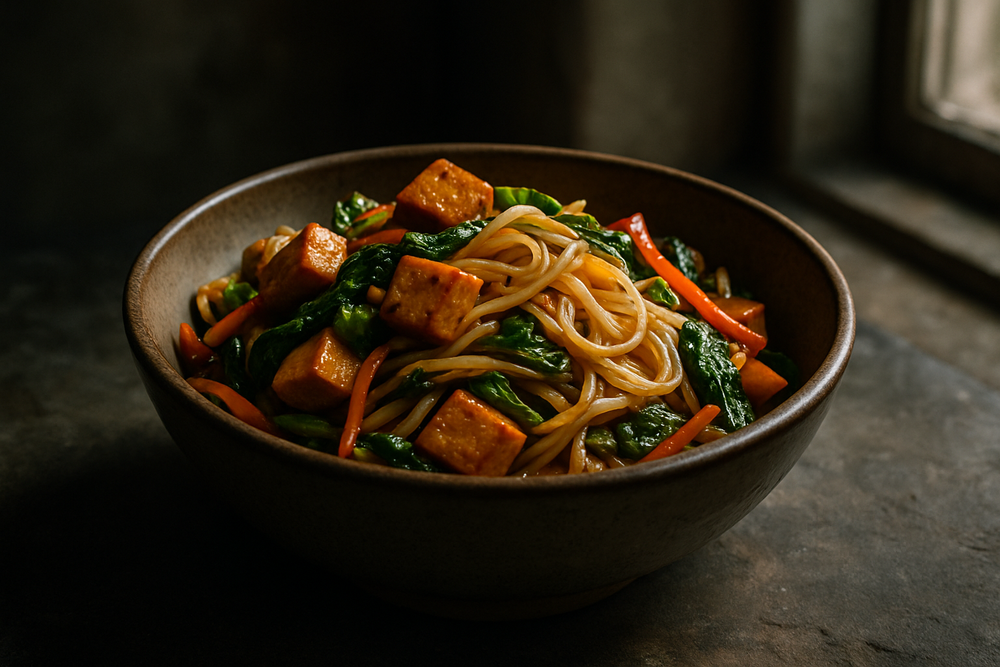
Rice Noodles · Photograph
Rice noodles are one of the most widely eaten staple foods on the planet, threading through the cuisines of Southeast Asia, East Asia, and beyond — from a steaming bowl of Vietnamese pho to a sizzling Thai pad see ew. Made from just two ingredients — rice flour and water — they are naturally gluten-free, gentle on the stomach, and remarkably versatile. Botanically, rice is Oryza sativa, and the noodles made from it carry much of the same nutritional character as the grain itself.
Key Nutrients
% Daily Value based on 2,000 cal diet
Key active compounds
These are found mainly in brown (whole-grain) rice noodles. Refined white rice noodles retain only small amounts.
- Phenolic acids (including ferulic acid and p-coumaric acid) — antioxidant compounds concentrated in the rice bran; associated with vascular and metabolic health in research models
- Gamma-oryzanol — a mixture of ferulic acid esters of plant sterols found in rice bran; has shown antioxidant and potential cholesterol-modulating effects in laboratory and small human studies
- Tocopherols and tocotrienols (forms of vitamin E) — fat-soluble antioxidants in the germ and bran; largely removed during milling of white rice
- Resistant starch (small amounts) — a type of starch that resists digestion and feeds beneficial gut bacteria; slightly higher after cooking and cooling rice noodles
- B vitamins (thiamin, niacin, B6, folate) — present in whole-grain rice; some white rice noodle products are enriched or fortified to partially restore these
Are rice noodles healthy? What the evidence says about key benefits
Heart and circulation
Large prospective cohort studies — including the PURE study (over 130,000 adults across 21 countries) — consistently show that high intake of refined grains is associated with higher cardiovascular risk and total mortality compared with whole grains, particularly when refined grains crowd out fiber-rich plant foods. Whole grains show neutral to beneficial associations with heart disease, stroke, and cardiovascular mortality.
White rice noodles fall into the refined grain category; brown rice noodles qualify as whole grain when the bran and germ are fully retained. In reasonable portions as part of a diet built around vegetables, legumes, and whole grains, rice noodles are cardiovascular-neutral for most people. Guidelines suggest making at least half of daily grain servings whole grains — so choosing brown rice noodles regularly, and balancing white rice noodle meals with fiber-rich sides, aligns with heart-health goals.
Digestive health and microbiome
White rice noodles are low in fiber and low-FODMAP (low in fermentable carbohydrates that trigger IBS symptoms). That makes them one of the gentler grain options during gut flares, post-illness recovery, or the elimination phase of a low-FODMAP protocol. Many gastroenterologists and dietitians routinely recommend plain white rice products during sensitive periods for exactly this reason.
The flip side: low fiber means limited benefit for long-term bowel regularity or gut microbiome diversity. Cohort studies and intervention trials link higher whole-grain intake with improved stool bulk and better markers of gut health. For everyday use, pairing rice noodles with plenty of non-starchy vegetables and legumes compensates for the noodles' low intrinsic fiber.
Blood sugar and metabolism
White rice noodles have a medium-to-high glycemic index (GI) — a measure of how quickly a food raises blood glucose — broadly similar to or slightly higher than white rice. Large portions eaten alone can cause a relatively rapid post-meal glucose rise. Multiple glycemic index studies and human trials in people with diabetes or insulin resistance show that replacing refined grain products with lower-GI, higher-fiber alternatives meaningfully improves post-meal glucose and insulin responses.
Practical levers that lower the effective GI of a rice noodle meal:
- Add fiber (vegetables, legumes, seaweed)
- Add protein (tofu, tempeh, edamame, seeds)
- Add healthy fat (tahini, nut-based sauce, avocado)
- Cool and reheat noodles (increases resistant starch slightly)
- Choose brown rice noodles or legume-blended rice noodle products
For people with type 2 diabetes or prediabetes, portion size and meal composition matter more than avoiding rice noodles altogether.
Inflammation and recovery
There are no large clinical trials specifically on rice noodles and inflammatory markers. Broader dietary evidence shows that patterns rich in whole grains and low in refined starches are associated with lower levels of C-reactive protein (CRP — a blood marker of systemic inflammation). Whole-grain rice products contain more phenolic acids, gamma-oryzanol, and magnesium, all of which are linked to anti-inflammatory and antioxidant effects in mechanistic research. Refined white rice noodles have lost most of these components.
The practical takeaway: rice noodles themselves are a neutral energy base from an inflammation standpoint. Their anti-inflammatory potential is mainly unlocked when they are part of a bowl loaded with vegetables, herbs, spices, and legumes — not when eaten as a plain, oversized portion.
Hormones and cycle health
Direct human evidence on rice noodles and hormonal health is minimal. What is known is that diets high in refined, high-GI carbohydrates can elevate insulin levels, and chronically elevated insulin interacts with hormones involved in appetite regulation and metabolic health. Studies on dietary glycemic load and polycystic ovary syndrome (PCOS — a hormonal condition marked by insulin resistance and irregular cycles) suggest that lower-GI, higher-fiber carbohydrate patterns improve insulin sensitivity and may support hormonal balance.
For individuals managing PCOS, insulin resistance, or metabolic syndrome, moderate portions of brown rice noodles — or rice noodle blends with legume flours — paired with protein and fiber are preferable to large servings of white rice noodles alone.
Buying guide: what to look for on the label
Choosing well at the store removes a lot of downstream effort.
- Check ingredient #1: it should be brown rice flour or whole-grain rice flour for a whole-grain product. "Rice flour" alone defaults to white (refined).
- Certified gluten-free symbol: essential if you have celiac disease; helpful if you have gluten sensitivity. Rice is gluten-free, but shared production lines with wheat are common.
- Sodium check: plain dried rice noodles should have near-zero sodium. Any product with a seasoning packet can exceed 1,000 mg of sodium per serving — well above the 600 mg guidance for a single meal.
- Short ingredient list: rice flour + water (+ sometimes tapioca starch for texture) is what you want. Long lists with gums, flavor enhancers, or hydrogenated fats are a signal to look at portion use and frequency.
- Legume-blend products: look for lentil flour, chickpea flour, or mung bean flour in the ingredients to boost protein and fiber without sacrificing the noodle experience.
Prep and pairing ideas
Rice noodles are
How Rice Noodles Compares
| Compared with | What's different |
|---|---|
| Rice Noodles vs. Wheat Noodles | Contains gluten and has more protein (approx 8g) compared to rice noodles. |
| Rice Noodles vs. Glass Noodles (Cellophane) | Translucent, lower in calories, and made from mung bean or potato starch rather than rice flour. |
| Rice Noodles vs. Soba Noodles | Made from buckwheat, offering a nuttier flavor and significantly more fiber and minerals. |
Health Benefits
Things to Know
Diabetes and insulin resistance: white rice noodles have a medium-to-high glycemic index; prefer brown rice noodles or legume-blended versions, moderate portions (~1 cup cooked), and always pair with fiber and protein
Celiac disease / gluten sensitivity: rice noodles are naturally gluten-free but cross-contamination is possible; choose certified gluten-free products
Infants and young children: health regulators (including the FDA and European Food Safety Authority) advise limiting rice-based products in infancy due to inorganic arsenic accumulation in rice; vary grain choices (oats, corn, millet, quinoa) rather than relying heavily on rice
People with chronic kidney disease (CKD): plain rice noodles are relatively low in potassium and phosphorus, but instant rice noodle soups with seasoning packets can be very high in sodium and phosphate additives; avoid or use minimally
High-volume rice consumers: rice accumulates inorganic arsenic more than most other grains; eating a wide variety of grains (alongside rice noodles) minimises cumulative exposure for adults eating rice daily
Medication interactions: no direct drug-nutrient interactions are known for rice noodles themselves; however, people taking insulin or sulfonylureas should coordinate carbohydrate-rich meals with medication timing to avoid blood glucose swings. High-sodium instant noodle products may blunt the effect of blood pressure medications
Rare rice allergy: rice allergy exists but is uncommon; if you notice consistent GI or skin reactions after eating rice-based foods, speak with an allergist
Weight management: rice noodles are energy-dense relative to their fiber content; for calorie-conscious eating, pair with broth-based soups and high-volume non-starchy vegetables to increase meal size without dramatically increasing calories
Shop This Ingredient
Stock your pantry with quality rice noodles.
Buy on AmazonAs an Amazon Associate, Plantopedia earns from qualifying purchases. This costs you nothing extra and helps us keep the encyclopedia free.
Frequently Asked Questions
Most rice noodles on the market are made from refined white rice flour, placing them in the refined grain category. Here is a practical breakdown of the main forms: | Form | Fiber | Nutrients | Best use | |---|---|---|---| | Dried white rice noodles | Low (1 g/cup) | Modest; some enriched | Everyday base, IBS-friendly meals | | Brown rice noodles | Moderate (2–3 g/cup) | Higher in magnesium, manganese, phytochemicals | Best everyday choice for most people | | Fresh rice noodles | Low | Similar to dried; check for added oil/sodium | Stir-fries, soups; read the label | | Instant / cup-style | Low | Often high in sodium and fat from seasoning packet | Occasional use; discard or minimize the flavor packet | | Legume-blended rice noodles | Higher | More protein and fiber per serving | Good for blood sugar management and protein goals | Bottom line on form: brown rice noodles or legume-blended rice noodles are the nutritional upgrade. If white rice noodles are what you have, build the rest of the bowl to compensate.
Quick Answers
Common questions, answered in a line.
White rice noodles are generally considered healthy for the heart when eaten in moderation as part of a diet rich in vegetables and whole grains. Research like the PURE study indicates that refined grains should not displace fiber-rich plants, but whole-grain brown rice noodles provide neutral to beneficial cardiovascular associations.
Rice noodles are naturally gluten-free because they are typically made from only rice flour and water. However, if you have celiac disease or severe gluten sensitivity, the article recommends looking for a certified gluten-free label to avoid potential cross-contamination from shared production lines.
White rice noodles have a medium-to-high glycemic index (GI), which can cause a relatively rapid rise in blood glucose levels. To manage blood sugar, you should choose brown rice noodles, monitor portion sizes, and pair them with protein, fiber-rich vegetables, and healthy fats.
Rice noodles are highly effective for digestive issues because plain white versions are low-fiber and low-FODMAP. This makes them a gentle grain choice often recommended by dietitians during gut flares, post-illness recovery, or for managing IBS symptoms.
To choose the healthiest rice noodles, look for "brown rice flour" as the first ingredient and a short list containing only flour, water, and perhaps tapioca starch. You should also check for a certified gluten-free symbol if needed and avoid products with high-sodium seasoning packets or hydrogenated fats.
Rice noodles can be part of a weight management plan if they are used to provide a neutral energy base paired with high-volume, low-calorie foods. Because they are energy-dense and relatively low in fiber, it is best to serve them with broth-based soups and plenty of non-starchy vegetables.
Brown rice noodles contain beneficial antioxidants like phenolic acids, gamma-oryzanol, and vitamin E, which are concentrated in the rice bran. These compounds are associated with vascular and metabolic health, though they are largely removed during the milling process for white rice noodles.
For Readers in the USA
Local context — sourcing, seasonality, and regional notes.
You can find rice noodles in the international or "Asian" aisle of major US supermarkets like Kroger, Walmart, and Safeway, as well as in dedicated Asian grocery stores. Specialty retailers like H Mart or 99 Ranch Market offer the widest selection, including fresh refrigerated varieties and different widths ranging from thin vermicelli to wide pad seo ew sheets.
Look for the USDA Organic seal and the Non-GMO Project Verified label on rice noodle packaging if you want to ensure the rice was grown without synthetic pesticides or genetic modification. While rice is naturally non-GMO, some health-conscious consumers in the US prefer these third-party certifications to ensure stricter production standards and environmentally friendly farming practices.
While most rice noodles in the US are shelf-stable and available year-round, fresh rice noodles are a staple of summer noodle salads and are often found in the refrigerated sections of coastal or urban markets. In the US, rice noodles are popularized through regional favorites like California-style Vietnamese spring rolls or Pacific Northwest pho shops, making them a consistent pantry staple across all seasons.
AI Clinical Review
- Clear distinction between refined white vs whole‑grain (brown) rice noodles and why that matters for fiber, minerals, and phytochemicals.
- Practical glycemic guidance: portion control and pairing with protein, fiber, and fat to blunt post‑meal glucose rises is well supported by meal-composition studies.
- Sensitivity/IBS context is accurate: plain white rice products are naturally gluten‑free and low‑FODMAP, so they’re often better tolerated during GI flares.
- Cardiometabolic framing aligns with large cohort data: diets higher in whole grains and lower in refined grains are linked to better outcomes; brown rice noodles are the more nutrient‑dense choice.
- Few trials examine rice noodles specifically; most claims extrapolate from studies on rice or refined vs whole grains in general. Effects likely apply, but the noodle form hasn’t been tested head‑to‑head.
- The real‑world impact of “cool then reheat” to raise resistant starch in rice noodles is probably modest; magnitude varies by product and cooking method.
- Inflammation and hormone/PCOS sections reflect broader dietary patterns rather than noodle‑specific RCTs; conclusions should be read as pattern‑level guidance, not noodle‑level effects.
- Portion guidance: about 1 cup cooked (~160 g) is a reasonable baseline serving of noodles as the starch component; build the rest of the bowl with vegetables and a protein source.
- Arsenic: rice can contain inorganic arsenic. Adults who eat rice products frequently should vary grains (oats, corn, quinoa, millet). For infants and toddlers, most regulators advise limiting rice‑based foods and rotating grains.
- Special populations: people with diabetes, insulin resistance, or PCOS should prefer brown or legume‑blend noodles and pair with protein/fiber; those with CKD should avoid high‑sodium instant noodle seasonings and phosphate additives; individuals with celiac disease need certified gluten‑free products due to cross‑contact risk.
- Label nuances: plain dried noodles should be very low in sodium and short on ingredients (rice flour + water ± tapioca). Some products are enriched (added B vitamins/iron) while many are not—check the nutrition facts if you rely on rice noodles regularly.
For grain products, clarify whole-grain vs refined where relevant.
References
- PubMed — Nutritional Enhancement of Rice Noodles with Watermeal (Wolffia globosa) (pubmed.ncbi.nlm.nih.gov)
- PubMed — Fortification of cricket and silkworm pupae powders to improve nutritional quality and digestibility of rice noodles (pubmed.ncbi.nlm.nih.gov)
- PubMed — RD43 rice flour: the effect on starch digestibility and quality of noodles, glycemic response, short-acting satiety hormones and appetite control in humans (pubmed.ncbi.nlm.nih.gov)
- USDA FoodData Central — USDA FoodData Central (fdc.nal.usda.gov)
Know Your Numbers
Eating healthy is a start. Now get to know your biomarkers.
Food changes bloodwork — inflammation, lipids, blood sugar and nutrient status all respond to what you eat. 59 markers from $59.
- Results in 7–10 days at 2,000+ Quest sites
- Licensed provider reviews every result
- One flat price, no membership, HSA/FSA eligible
Educational information only, not medical advice. Panels are ordered and reviewed through our licensed partner; Plantopedia may earn a commission.