Roasted Sunflower Seeds — health benefits and uses
Healthy fats, minerals, and texture; small-amount high-leverage add-in
The Short Answer
Roasted sunflower seeds are a nutrient-dense snack providing 5.5g of protein and 127% of your daily vitamin E per ounce. They are best consumed dry-roasted and unsalted to support heart health through their high linoleic acid and phytosterol content.

Roasted Sunflower Seeds · Photograph
Roasted sunflower seeds are one of those snacks that look ordinary but quietly punch above their weight nutritionally. A small handful delivers a meaningful dose of healthy unsaturated fats, plant protein, fiber, and an impressive lineup of minerals — all in a format that is genuinely easy to eat every day. The plant itself, Helianthus annuus, is native to North America and has been cultivated for its seeds for thousands of years.
Key Nutrients
% Daily Value based on 2,000 cal diet
Key active compounds
Understanding why sunflower seeds may support health starts with what is inside them:
- Linoleic acid — The dominant fat in sunflower seeds. It is an omega-6 polyunsaturated fatty acid (an essential fat your body cannot make) linked to lower LDL cholesterol when it replaces saturated fat in the diet.
- Tocopherols (vitamin E) — A family of fat-soluble antioxidants that protect cell membranes and lipoproteins (the particles that carry fat in the blood) from oxidative damage. Sunflower seeds are one of the richest whole-food sources.
- Phenolic acids (e.g., chlorogenic acid, caffeic acid) — Plant-derived antioxidant compounds that may also modulate inflammation. Roasting reduces but does not eliminate them.
- Flavonoids — A broad class of plant polyphenols with antioxidant and anti-inflammatory properties.
- Phytosterols (e.g., beta-sitosterol) — Plant sterols that structurally resemble cholesterol and compete with it for absorption in the gut, which can help lower LDL cholesterol.
Buying guide: what to look for on the label
Optional module selected because label literacy is genuinely important for this ingredient.
Hulled (kernel) vs in-shell: Hulled kernels are easier to eat, lower in choking and impaction risk, and typically used in cooking. In-shell seeds slow your eating pace (a useful portion-control trick) but often carry heavy sodium coatings.
Label red flags:
- Sodium over 140 mg per serving — that qualifies as "low sodium" at FDA thresholds; many salted products far exceed this
- "Roasted in oil" — adds unnecessary saturated or refined fat when the seed already has plenty of healthy fat
- Added sugars or honey coatings — fine as an occasional treat but not the daily driver for health benefits
What to look for:
- "Dry roasted" (no added oil)
- "Unsalted" or "no salt added"
- Short ingredient list: sunflower seeds, and perhaps a light seasoning
- Packaging that is airtight — the high fat content means they can go rancid if exposed to air, light, or heat
Storage tip: Keep in an airtight container in a cool, dark place (pantry) for up to three months, or refrigerate for up to six months.
Prep and pairing ideas
Roasted sunflower seeds are one of the most versatile seeds in a plant-forward kitchen. Their mild, slightly nutty flavour and satisfying crunch make them easy to work into meals without much effort.
Three practical pairings:
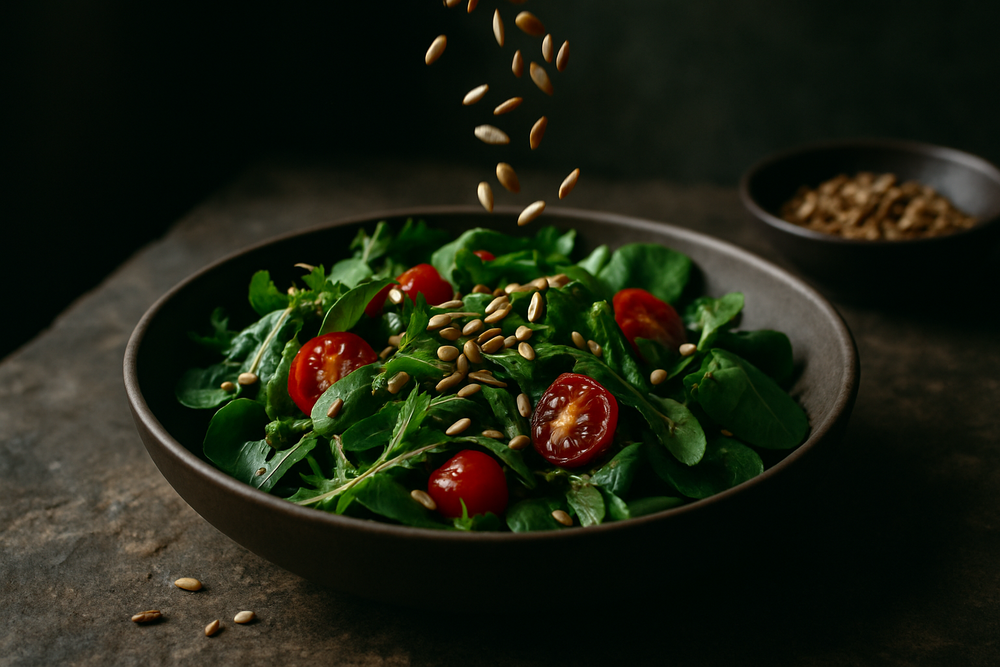
- Sunflower seeds + leafy greens + citrus dressing Toss a tablespoon of dry roasted, unsalted kernels over a spinach or arugula salad with a squeeze of lemon. The vitamin C in citrus helps your body absorb the non-heme iron in sunflower seeds — a genuinely useful combination. The healthy fats also help you absorb fat-soluble vitamins from the greens.
- Sunflower seeds + oatmeal + berries Stir a tablespoon into morning porridge alongside blueberries or raspberries. The seeds add crunch, protein, and magnesium, while the ber
How Roasted Sunflower Seeds Compares
| Compared with | What's different |
|---|---|
| Roasted Sunflower Seeds vs. Pumpkin Seeds (Pepitas) | Higher in vitamin E and magnesium but smaller in size with a milder, nuttier flavor. |
| Roasted Sunflower Seeds vs. Chia Seeds | Higher in omega-3 fatty acids and fiber, while sunflower seeds are higher in vitamin E. |
| Roasted Sunflower Seeds vs. Safflower Seeds | Lower in total fat and calories per ounce, though sunflower seeds provide more protein. |
Health Benefits
Things to Know
Allergy: Sunflower seed allergy is separate from tree nut allergy. Reactions range from mild oral tingling to anaphylaxis (a severe, life-threatening allergic response). Cross-contamination in facilities that also process nuts is common — always check packaging if you have any seed or nut sensitivity.
Sodium-restricted diets: People managing hypertension (high blood pressure), heart failure, or kidney disease should choose unsalted varieties only.
Kidney disease and mineral load: Sunflower seeds are relatively high in phosphorus, potassium, and trace amounts of cadmium (a heavy metal that accumulates in seeds from soil). At 1 oz per day, cadmium intake remains well within safe thresholds for healthy adults, but people with chronic kidney disease or those on phosphorus-restricted diets should discuss portions with their dietitian.
Children and older adults: In-shell seeds pose a choking and impaction risk for anyone with chewing or swallowing difficulties. Hulled kernels are safer for young children, though portions should still be small.
Calorie awareness: At ~165 calories per ounce, sunflower seeds are energy-dense. They are not inherently fattening, but adding them without replacing something else can contribute to excess calorie intake over time.
Anticoagulant medications (e.g., warfarin): Food-level vitamin E from a daily ounce of sunflower seeds is generally safe, but very high vitamin E from supplements plus seeds could increase bleeding tendency. Keep intake consistent and inform your prescriber.
Thyroid medication (e.g., levothyroxine): As with other high-fiber foods, consuming large amounts close to your medication dose may modestly affect absorption. Follow the standard guidance to separate thyroid medication from food by the interval your pharmacist recommends.
Pregnancy: Folate and magnesium in sunflower seeds are beneficial during pregnancy. Selenium is important but excessive amounts from supplements could be harmful — at typical food serving sizes this is not a concern.
Prep Ideas
- — Sunflower seeds + leafy greens + citrus dressing Toss a tablespoon of dry roasted, unsalted kernels over a spinach or arugula salad with a squeeze of lemon. The vitamin C in citrus helps your body absorb the non-heme iron in sunflower seeds — a genuinely useful combination. The healthy fats also help you absorb fat-soluble vitamins from the greens.
- — Sunflower seeds + oatmeal + berries Stir a tablespoon into morning porridge alongside blueberries or raspberries. The seeds add crunch, protein, and magnesium, while the ber
Shop This Ingredient
Stock your pantry with quality roasted sunflower seeds.
Buy on AmazonAs an Amazon Associate, Plantopedia earns from qualifying purchases. This costs you nothing extra and helps us keep the encyclopedia free.
Frequently Asked Questions
The evidence spans several areas of health. The strongest support is for heart and metabolic health; digestive and hormonal effects are more mechanistic or emerging. Heart health and circulation Sunflower seeds are one of the best whole-food sources of vitamin E, and higher dietary vitamin E intake is associated with lower rates of heart disease in large observational studies. The linoleic acid content, when it replaces saturated fat in the diet, is consistently linked to lower LDL cholesterol (often called "bad" cholesterol). Phytosterols add another mechanism by competing with cholesterol absorption in the gut. Magnesium and potassium contribute to healthy blood pressure. Research reviews suggest that including about 1 oz of sunflower seeds daily as part of a heart-healthy dietary pattern may support cholesterol and blood pressure management — though most trials are small and embed sunflower seeds within broader dietary changes rather than testing them in isolation. Practical tip: Choose dry roasted, unsalted kernels. Excess sodium in salted varieties can counteract the blood pressure benefits these nutrients otherwise support. Digestive health and microbiome One ounce of roasted kernels provides roughly 3.2 g of dietary fiber — about 11% of a typical daily target. Fiber feeds beneficial gut bacteria, promotes bowel regularity, and helps you feel full between meals. Most of the digestive benefit here is inferred from sunflower seeds' fiber content rather than sunflower-specific gut microbiome trials, so the evidence is emerging rather than definitive. One caution worth flagging: swallowing large quantities of in-shell sunflower seeds has caused fecal impaction (a type of stool blockage) in both children and adults. Stick to hulled kernels to sidestep this risk. Blood sugar and metabolism Fiber, magnesium, and healthy fats all help slow carbohydrate absorption and improve how the body responds to insulin (the hormone that moves sugar from the blood into cells). One small human trial found that people with type 2 diabetes who added about 1 oz of sunflower seeds to their daily diet reduced fasting blood sugar by roughly 10% over six months compared with diet changes alone. A research review in Health magazine also identified seeds, including sunflower seeds, as potentially useful in type 2 diabetes management. The evidence is promising but not yet robust enough to make strong claims. Think of roasted sunflower seeds as a supportive dietary tool, not a treatment. Inflammation and recovery Vitamin E, selenium, phenolic acids, and healthy fats all have anti-inflammatory or antioxidant actions. Cohort studies — large observational studies that follow groups of people over time — consistently link higher nut and seed intake with lower levels of inflammatory markers and reduced risk of conditions like heart disease and type 2 diabetes. Roasting reduces total phenolic and flavonoid content but does not eliminate it, and key minerals like selenium, copper, and magnesium are heat-stable. Hormones and metabolic signalling This is the most mechanistic area of the evidence. Selenium is a cofactor for thyroid enzymes, and zinc supports immune hormone pathways. Magnesium plays a role in insulin sensitivity, which affects metabolic hormones broadly. Cleveland Clinic notes that sunflower seeds may support thyroid health in part through their selenium and zinc content. That said, there are no large human trials testing sunflower seeds specifically as a hormonal therapy, so benefits in this area should be understood as nutritionally supportive rather than therapeutic.
The short answer is: both are good, and the gap between them is smaller than many headlines suggest. What roasting changes: Reduces vitamin E (tocopherols) and phenolic antioxidants modestly May slightly improve bioavailability of some fat-soluble compounds Significantly improves texture and palatability (important for consistency) Does not meaningfully reduce protein, healthy fats, or minerals What matters more than raw vs roasted: Sodium: Dry roasted, unsalted lightly salted heavily salted in-shell seeds Added ingredients: Some roasted products contain added oils, sugars, or flavourings that dilute the nutritional value Portion size: Energy density is the same regardless of roast level — about 165 calories per ounce If the only way you will eat sunflower seeds regularly is roasted, then roasted is better than none. For the highest antioxidant content, raw or lightly roasted with no added salt is the technical winner — but the practical difference in a real diet is modest.
Quick Answers
Common questions, answered in a line.
Sunflower seeds provide linoleic acid, vitamin E, phenolic acids, flavonoids, and phytosterols like beta-sitosterol. These compounds work together to provide antioxidant and anti-inflammatory properties while helping to lower LDL cholesterol levels.
You should look for "dry roasted" seeds with "no salt added" and an airtight package to ensure they haven't gone rancid. Avoid products roasted in oil or those containing added sugars and sodium levels exceeding 140 mg per serving.
Sunflower seeds should be kept in an airtight container in a cool, dark place for up to three months or refrigerated for up to six months. Proper storage is essential because their high fat content makes them susceptible to going rancid when exposed to air, light, or heat.
Pairing sunflower seeds with citrus fruits is beneficial because the vitamin C in the citrus helps your body absorb the non-heme iron found in the seeds. Additionally, the healthy fats in the seeds assist with the absorption of fat-soluble vitamins from leafy greens.
People with chronic kidney disease or those on phosphorus-restricted diets should consult a dietitian before consuming sunflower seeds. This is because the seeds are relatively high in phosphorus, potassium, and trace amounts of cadmium.
In-shell sunflower seeds can pose a choking or impaction risk for young children and older adults with swallowing difficulties. For these groups, hulled kernels are considered a safer option, though portions should still be monitored.
Sunflower seeds are high in linoleic acid and phytosterols, both of which are linked to lower LDL cholesterol when replacing saturated fats. They also contain tocopherols (vitamin E) that protect lipoproteins from oxidative damage.
For Readers in the USA
Local context — sourcing, seasonality, and regional notes.
The Great Plains region, particularly North Dakota and South Dakota, produces the vast majority of sunflower seeds grown in the United States. While these states dominate commercial production, sunflowers are native to North America and can be grown in home gardens across nearly all USDA plant hardiness zones.
You can find roasted sunflower seeds at nearly every major US grocery chain, including Kroger, Walmart, and Whole Foods, as well as at gas stations and convenience stores as a popular "road trip" snack. For the healthiest options mentioned in the article, such as unsalted or dry-roasted varieties, look in the bulk bins or the natural foods aisle.
To ensure your roasted sunflower seeds meet strict federal standards for synthetic pesticide and fertilizer use, look for the USDA Organic seal on the packaging. This certification guarantees the product was produced according to USDA organic regulations and contains at least 95% organic ingredients.
In the United States, sunflowers are typically harvested in the fall, generally from late September through November, once the flower heads have dried and turned brown. Because seeds are dried and shelf-stable, they are available in stores year-round, maintaining peak flavor for months after the autumn harvest.
AI Clinical Review
- Strong, accurate overview of sunflower seeds’ nutrient density (vitamin E, unsaturated fats—especially linoleic acid—plant protein, and key minerals) and how dry roasting preserves most core nutrients.
- Cardiometabolic framing is appropriate: replacing saturated fat with linoleic acid can lower LDL cholesterol, and phytosterols plus magnesium/potassium support heart health when part of an overall dietary pattern.
- Practical advice on choosing dry-roasted, unsalted kernels and watching sodium is sound and actionable; storage tips are sensible given these seeds’ high polyunsaturated fat content.
- Safety callouts (distinct seed allergy, in‑shell impaction risk, and cadmium considerations for people with kidney disease) are relevant and balanced.
- Most benefits are inferred from nutrient mechanisms or mixed nut/seed studies; high‑quality trials testing sunflower seeds alone for cholesterol, blood pressure, or clinical outcomes are limited.
- Glycemic control data are promising but based on small studies; effects likely modest and depend on the broader diet.
- Microbiome and anti‑inflammatory claims mainly derive from general fiber and polyphenol science; sunflower seed–specific human data are sparse.
- The exact impact of roasting on antioxidant subtypes varies by temperature/time and product, so losses and bioavailability shifts aren’t uniform.
- A practical serving is about 1 oz (28 g) daily (~165 kcal). Choose dry‑roasted, unsalted kernels to capture benefits without extra sodium or added oils.
- People with hypertension, heart failure, or kidney disease should favor unsalted versions and account for phosphorus/potassium in meal planning; those with chronic kidney disease should review portions with a clinician.
- Individuals with seed allergies should check labels for cross‑contact. Young children or anyone with swallowing difficulties should avoid in‑shell seeds due to choking/impaction risk.
- If you take anticoagulants (e.g., warfarin) or high‑dose vitamin E supplements, keep intake consistent and discuss with your prescriber; separate thyroid medication from high‑fiber meals per your pharmacist’s guidance.
Mention allergy context where appropriate; keep serving size realistic.
References
- PMC, National Library of Medicine — Effect of boiling and oven roasting on some physicochemical properties of sunflower seeds produced in Far North, Cameroon (pmc.ncbi.nlm.nih.gov)
- PMC, National Library of Medicine — Lipid profile of hyperlipidemic males after supplementation of multigrain bread containing sunflower (Helianthus annuus) seed flour (pmc.ncbi.nlm.nih.gov)
- PubMed — Nutritive value of full-fat sunflower seeds in broiler diets (pubmed.ncbi.nlm.nih.gov)
- PMC, National Library of Medicine — A review of phytochemistry, metabolite changes, and medicinal uses of the common sunflower seed and sprouts (Helianthus annuus L.) (pmc.ncbi.nlm.nih.gov)
- USDA FoodData Central — USDA FoodData Central (fdc.nal.usda.gov)
- University of Rochester Medical Center — Content - Health Encyclopedia - URochester Medicine (urmc.rochester.edu)
Know Your Numbers
Eating healthy is a start. Now get to know your biomarkers.
Food changes bloodwork — inflammation, lipids, blood sugar and nutrient status all respond to what you eat. 59 markers from $59.
- Results in 7–10 days at 2,000+ Quest sites
- Licensed provider reviews every result
- One flat price, no membership, HSA/FSA eligible
Educational information only, not medical advice. Panels are ordered and reviewed through our licensed partner; Plantopedia may earn a commission.