Sesame Flour — health benefits and uses
Healthy fats, minerals, and texture; small-amount high-leverage add-in
The Short Answer
Sesame flour is a nutrient-dense, gluten-free seed flour providing 8.5g of protein and 24% of the Daily Value for iron per 2-tablespoon serving. It is best used as a partial flour replacement to add a nutty flavor and boost mineral content in baked goods.
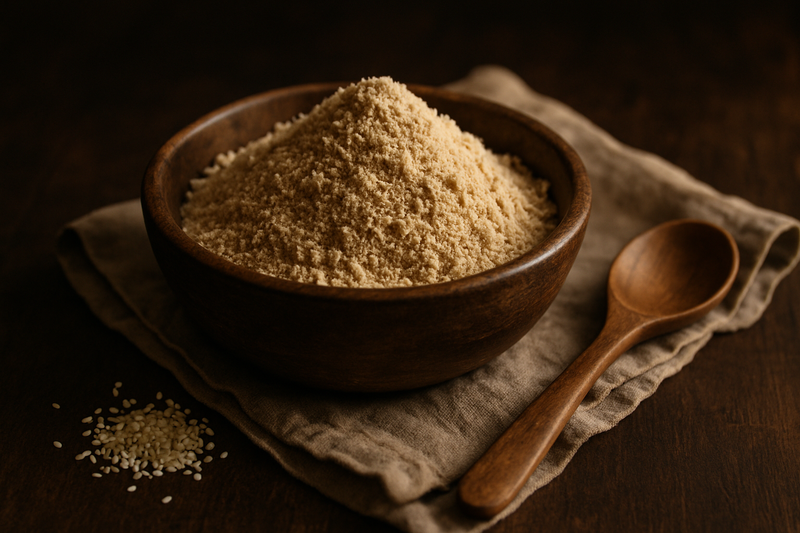
Sesame Flour · Photograph
Sesame flour is exactly what it sounds like: sesame seeds (Sesamum indicum) ground into a fine, nutty-smelling powder. Depending on how it is made, the flour keeps most or some of the seed's natural oil, giving it a rich flavour and a dense nutritional profile that most refined flours simply cannot match.
Key Nutrients
% Daily Value based on 2,000 cal diet
Key active compounds: what gives sesame flour its nutritional edge
- Sesamin — A major lignan (a type of phenolic plant compound found in seeds and plant cell walls) with antioxidant, anti-inflammatory, and lipid-lowering activity in preclinical and some human research.
- Sesamolin — A second prominent lignan, structurally related to sesamin, that also acts as an antioxidant and may support cholesterol reduction.
- Sesamol — A phenolic compound that forms during processing (especially roasting); shows potent antioxidant and anti-inflammatory activity in experimental studies.
- Phytosterols — Plant sterols that are chemically similar to cholesterol and compete with it for absorption in the gut, potentially helping lower LDL ("bad") cholesterol.
- Gamma-tocopherol (a form of vitamin E) — Sesame seeds are unusually rich in this subtype of vitamin E, which may offer stronger cardiovascular protection than the more common alpha-tocopherol form.
Buying guide: what to look for on the label
(Selected optional module 2: Buying guide)
Hulled vs. unhulled: Flour made from unhulled (whole) seeds is higher in calcium and fiber. Hulled seed flour is slightly milder in taste and lower in oxalates (naturally occurring compounds that, in very high amounts, may affect mineral absorption). Neither is universally better — it depends on your goals.
Full-fat vs. defatted: The label should say which it is. Full-fat flour behaves more like almond flour; defatted flour behaves more like a protein concentrate and absorbs liquid differently in recipes.
Single ingredient: The cleanest labels say "sesame flour" or "ground sesame seeds" with nothing added. Some blends add salt or stabilisers — fine for flavour, but worth noting if you are watching sodium.
Allergen statement: Any reputable brand will declare sesame as an allergen. If the label is missing this, treat it with extra caution.
Storage: Buy in smaller quantities (250–500 g) unless you bake often. High-fat seed flours can go rancid if stored warm or in direct light. Look for resealable, opaque packaging. Store in the refrigerator or freezer after opening.
Prep and pairing ideas
Sesame flour works best as a partial replacement for wheat or almond flour, not a full swap, unless a recipe is specifically designed for it. Start with replacing 15–25% of the flour weight in any baked recipe.
Three practical ways to use it today:
- Pancakes and waffles — Replace 20% of your regular flour with sesame flour. The result is slightly denser, nuttier, and higher in protein and minerals. Pairs naturally with tahini drizzle or sliced banana.
- Energy balls and bars — Sesame flour is a natural in no-bake bars and balls alongside oats, dates, and nut butter. It adds a toasty depth and boosts the protein content meaningfully compared with oat-only recipes.
- Savoury flatbreads and crackers — Mix sesame flour with ground flaxseed (another lignan-rich seed) and water for a simple seed cracker base. The natural oils in both seeds help bind without eggs, and the mineral content stacks up nicely.
Common pairing: Sesame flour + tahini deepens sesame flavour and provides additional healthy fat and calcium. \ Common pairing: Sesame flour + ground flaxseed creates a complementary lignan and omega-3 fatty acid profile. \ Common pairing: Sesame flour + lemon or citrus brightens the flavour and — practically — the vitamin C in citrus can improve non-heme iron absorption from the sesame flour.
How Sesame Flour Compares
| Compared with | What's different |
|---|---|
| Sesame Flour vs. Almond Flour | Lower in carbs and higher in calcium, iron, and magnesium than almond flour. |
| Sesame Flour vs. Coconut Flour | Contains significantly more protein and calcium, but has a stronger, nuttier flavor. |
| Sesame Flour vs. Defatted Peanut Flour | Lower in fat and higher in minerals, but absorbs much more liquid in recipes. |
Health Benefits
Things to Know
Sesame allergy: is a recognized major food allergen in many countries including the US, where it is required to be labelled. Anyone with a known sesame allergy must avoid sesame flour entirely. Cross-reactivity with peanut and tree nut allergies has been reported; check with your allergist if you have multiple food sensitivities.
Calorie density: Sesame flour packs around 149 calories per ounce. If you are in a calorie-managed context, use measured portions (1–2 tablespoons at a time) rather than free-pouring into recipes.
GI adjustment: Significantly increasing fiber intake quickly — including from seed flours — can cause bloating, gas, or loose stools in some people. Introduce gradually and drink adequate water.
Blood pressure medications: Sesame intake has shown modest blood-pressure–lowering effects in some trials. If you take antihypertensive (blood pressure lowering) drugs and plan to add sesame flour regularly in meaningful amounts, mention it to your prescriber.
Diabetes medications: Some evidence suggests sesame may modestly improve insulin sensitivity and blood sugar control. Combined with glucose-lowering medication, this could amplify the effect; monitor blood glucose if you significantly increase sesame flour intake.
Kidney disease or mineral-restricted diets: Sesame flour is high in phosphorus, potassium, and other minerals. If you are on a mineral-restricted diet for kidney disease, portion carefully and check with your renal dietitian.
Pregnancy: Sesame has been a staple food in many cultures throughout pregnancy and is generally considered safe in normal food amounts. There is insufficient evidence to recommend high-dose sesame supplementation during pregnancy; stick to culinary portions.
Hormone-sensitive conditions: Sesame lignans are phytoestrogens (plant compounds that mildly interact with oestrogen receptors). Evidence on whether this is clinically significant is limited, but those with hormone-sensitive conditions may wish to discuss regular high intake with their doctor.

Prep Ideas
- — Pancakes and waffles — Replace 20% of your regular flour with sesame flour. The result is slightly denser, nuttier, and higher in protein and minerals. Pairs naturally with tahini drizzle or sliced banana.
- — Energy balls and bars — Sesame flour is a natural in no-bake bars and balls alongside oats, dates, and nut butter. It adds a toasty depth and boosts the protein content meaningfully compared with oat-only recipes.
- — Savoury flatbreads and crackers — Mix sesame flour with ground flaxseed (another lignan-rich seed) and water for a simple seed cracker base. The natural oils in both seeds help bind without eggs, and the mineral content stacks up nicely.
Shop This Ingredient
Stock your pantry with quality sesame flour.
Buy on AmazonAs an Amazon Associate, Plantopedia earns from qualifying purchases. This costs you nothing extra and helps us keep the encyclopedia free.
Frequently Asked Questions
Again: most evidence comes from whole sesame seeds or sesame oil. Because sesame flour retains the same nutrients and plant compounds, comparable support is plausible when amounts are similar — but flour-specific human trials are currently limited. Heart health and circulation Human studies and reviews on sesame intake (seeds and oil) consistently report modest reductions in total cholesterol, LDL cholesterol, and triglycerides, as well as small improvements in blood pressure. The likely drivers are the lignan compounds sesamin and sesamolin, the phytosterols that reduce cholesterol absorption, and the gamma-tocopherol that may limit oxidative damage to blood vessel walls. Magnesium and potassium in sesame also play a role in supporting healthy blood pressure. Because sesame flour concentrates these same compounds, using it to partially replace refined wheat flour in baking — which is lower in healthy fats and phytochemicals — may offer meaningful cardiovascular support as part of an overall heart-friendly diet. This is extrapolated reasoning, not a direct flour trial result. Digestive health and microbiome Sesame seeds contain dietary fiber, and fiber is one of the best-supported nutrients in digestive health science: it supports stool regularity, feeds beneficial gut bacteria, and is associated with lower risk of cardiovascular disease, type 2 diabetes, and some cancers when consumed consistently. How much fiber sesame flour provides depends on whether it is full-fat or partially defatted and whether the hull was included, but it generally contributes more fiber than refined white flour. No flour-specific gut trials exist; this extrapolation comes from well-established fiber science and whole-seed data. Blood sugar and metabolism Sesame flour is relatively low in digestible carbohydrates and higher in protein and fat compared with wheat flour. Some studies using sesame seeds or seed powders suggest modest improvements in glycemic markers (measures of blood sugar control) in people with type 2 diabetes, though the evidence is still limited and inconsistent. Replacing a portion of refined flour with sesame flour in a recipe lowers the recipe's glycemic load (the overall effect on blood sugar), which may support blood sugar management as part of a balanced diet. This is largely inferred from macronutrient principles and seed/oil studies, not from flour-specific clinical trials. Inflammation and recovery Sesame lignans and the phenolic compound sesamol show anti-inflammatory and antioxidant effects in both lab and some human contexts. Small trials using sesame seeds or oil have reported reduced markers of oxidative stress and inflammation, with some work suggesting benefits in inflammatory conditions like arthritis. Whether sesame flour delivers the same effects depends on how much you use and how it is processed; benefits are considered emerging and extrapolated. Mineral support: bones, energy, and immunity This is where sesame flour has one of its clearest and most direct nutritional stories. Iron, magnesium, calcium, zinc, phosphorus, and manganese are all present in meaningful amounts — not trace quantities. These minerals collectively support bone density, muscle and nerve function, immune response, and oxygen transport. For people eating plant-forward diets who may have lower mineral density from avoiding meat or dairy, sesame flour can be a practical way to boost mineral intake through everyday food rather than supplements.
There are four main forms, and the right one depends on what you are trying to do: | Form | Fat content | Protein per gram | Best for | |---|---|---|---| | Full-fat sesame flour | High | Moderate | Rich, moist baked goods; nutty flavour; WFPB baking | | Partially defatted sesame flour | Lower | Higher | Protein bars, high-protein breads; leaner calorie profile | | Roasted sesame flour | Similar to full-fat | Moderate | Extra depth of flavour; research suggests roasting maintains nutritional quality | | Fermented sesame flour | Varies | May be slightly improved | Experimental; fermentation may reduce antinutrients and improve protein quality | For most home cooks, full-fat sesame flour is the easiest to find and work with. Start with 10–20% replacement of your total flour weight and increase from there. At higher ratios (above 30%), texture becomes denser and flavour more pronounced.
There are no official dietary guidelines specifically
Quick Answers
Common questions, answered in a line.
Sesame flour contains high levels of sesamin, sesamolin, and sesamol, which are phenolic plant compounds known for their antioxidant and anti-inflammatory properties. These active compounds may also help lower cholesterol and support cardiovascular health.
You can replace 15–25% of the wheat or almond flour in a recipe with sesame flour to add a nutty flavor and boost the protein and mineral content. It works particularly well in pancakes, waffles, energy balls, and savory flatbreads.
Hulled sesame flour is milder in flavor and lower in oxalates, while unhulled (whole seed) flour provides higher levels of calcium and fiber. The choice depends on whether you prioritize a smoother taste or maximum mineral content.
Sesame flour should be stored in the refrigerator or freezer in opaque, resealable packaging to prevent its high-fat content from going rancid. It is best to buy it in smaller quantities of 250–500 grams unless you bake frequently.
Sesame flour contains gamma-tocopherol, a form of vitamin E that may offer stronger cardiovascular protection than the common alpha-tocopherol form found in other foods. It also provides phytosterols that compete with cholesterol for absorption in the gut.
Pairing sesame flour with citrus fruits like lemon can improve the absorption of its non-heme iron due to the vitamin C content. Other beneficial pairings include tahini for deeper flavor or ground flaxseed for a boost in omega-3 fatty acids.
Individuals with a sesame allergy should avoid it entirely, and those on blood pressure or diabetes medications should monitor their levels as sesame may amplify the effects of these drugs. It is also high in phosphorus and potassium, which may concern those with kidney disease.
For Readers in the USA
Local context — sourcing, seasonality, and regional notes.
In the U.S., you can find sesame flour at health food stores like Whole Foods Market, specialty grocers like Trader Joe's, or through major online retailers. While not as common as almond flour in conventional supermarkets, it is increasingly available in the gluten-free or baking aisles of stores like Kroger and Safeway.
As of 2023, the FDA officially recognizes sesame as the ninth major food allergen in the U.S., requiring all sesame flour products to be clearly labeled. This means manufacturers must explicitly list sesame on packaging, making it easier for American consumers with sensitivities to identify and avoid cross-contamination.
While most sesame is imported, U.S. commercial production is concentrated in the Sun Belt, particularly in Texas, Oklahoma, and Kansas, where the crop thrives in high heat. Harvesting typically occurs in the late summer and early fall, though the ground flour is sold year-round as a shelf-stable pantry staple.
AI Clinical Review
- Clearly explains what sesame flour is and why it’s nutrient-dense (plant protein, mostly unsaturated fats, and meaningful minerals like iron and magnesium).
- Accurately notes key bioactive compounds (lignans such as sesamin/sesamolin, sesamol, phytosterols, and gamma‑tocopherol) and their plausible heart and metabolic benefits based on sesame seed/oil research.
- Emphasizes that most data come from whole seeds or oil and appropriately frames flour benefits as reasoned extrapolations rather than proven clinical outcomes.
- Offers practical usage tips (partial flour substitution, form choices like full‑fat vs defatted, hulled vs unhulled) and sensible storage guidance for high‑fat seed flours.
- Human trials specifically using sesame flour are scarce; effects on cholesterol, blood pressure, glucose control, and inflammation are inferred from seed/oil studies and may be modest and dose‑dependent.
- Mineral bioavailability (how much calcium, iron, zinc your body absorbs) varies with hull content, phytates/oxalates, and meal composition; real‑world absorption from flour is not well quantified.
- Microbiome and gut health claims rely on general fiber science and whole‑seed data; flour products differ in fiber content by brand and processing (defatting, hulling), so outcomes may vary.
- The clinical significance of sesame lignans as phytoestrogens at typical dietary intakes remains uncertain, especially for long‑term outcomes.
- Practical intake: 1–2 tablespoons (about 7–14 g) up to ~1 ounce (28 g) in cooking/baking is a reasonable daily range for most adults, providing roughly 70–150 kcal depending on fat content. Increase gradually and hydrate to minimize GI discomfort.
- Allergy: Sesame is a major food allergen. Anyone with known or suspected sesame allergy should avoid sesame flour and check labels carefully; cross‑reactivity with some nut/peanut allergies can occur.
- Medications and conditions: Because sesame can modestly lower blood pressure and affect glycemic responses, those on antihypertensive or glucose‑lowering drugs should monitor numbers when increasing intake. People with chronic kidney disease or mineral‑restricted diets should use small portions and confirm with their clinician due to phosphorus/potassium content; those with calcium‑oxalate kidney stones may prefer hulled versions and moderate amounts.
- Form matters: Full‑fat flour is richer and more caloric; defatted flour is leaner and higher in protein per gram. Unhulled flour offers more calcium and fiber but may contain more oxalates; pairing with vitamin C–rich foods can enhance non‑heme iron absorption. Roasting deepens flavor; nutrient differences appear minor in typical culinary use.
Mention allergy context where appropriate; keep serving size realistic.
References
- PubMed — Comparison between the nutritional quality of flour obtained from raw, roasted and fermented sesame (Sesamum indicum L.) seed grown in Nigeria (pubmed.ncbi.nlm.nih.gov)
- PubMed — Sesame defatted flour: antioxidant response and improvement in carbohydrate metabolism in high-fructose/high-saturated fatty acids diet-fed mice (pubmed.ncbi.nlm.nih.gov)
- PMC, National Library of Medicine — Sesame (Sesamum indicum L.): A Comprehensive Review of Nutritional Value, Phytochemical Composition, Health Benefits, Development of Food, and Industrial Applications (pmc.ncbi.nlm.nih.gov)
- PubMed — Dietary defatted sesame flour decreases susceptibility to oxidative stress in hypercholesterolemic rabbits (pubmed.ncbi.nlm.nih.gov)
- USDA FoodData Central — USDA FoodData Central (fdc.nal.usda.gov)
Know Your Numbers
Eating healthy is a start. Now get to know your biomarkers.
Food changes bloodwork — inflammation, lipids, blood sugar and nutrient status all respond to what you eat. 59 markers from $59.
- Results in 7–10 days at 2,000+ Quest sites
- Licensed provider reviews every result
- One flat price, no membership, HSA/FSA eligible
Educational information only, not medical advice. Panels are ordered and reviewed through our licensed partner; Plantopedia may earn a commission.