White Sesame Seeds — health benefits and uses
Healthy fats, minerals, and texture; small-amount high-leverage add-in
The Short Answer
White sesame seeds are nutrient-dense kernels providing 270mg of calcium and 5g of protein per ounce. They are rich in lignans and phytosterols which help support heart health and healthy cholesterol levels.
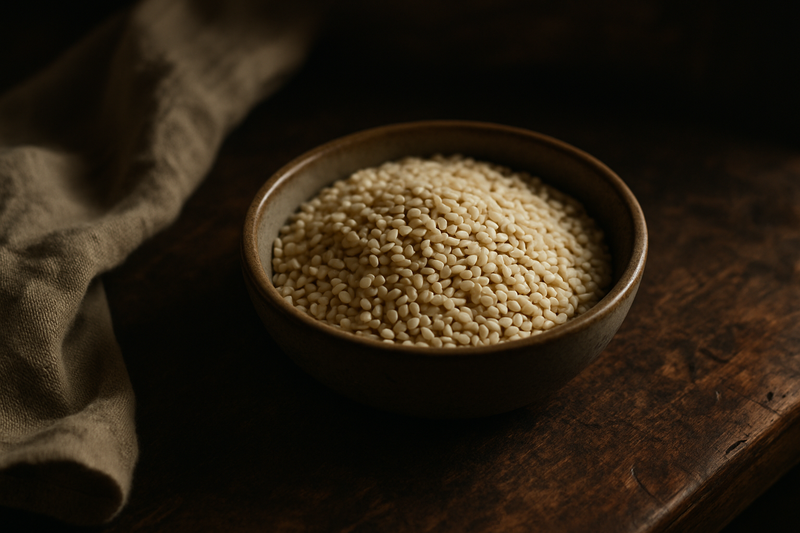
White Sesame Seeds · Photograph
White sesame seeds are the hulled inner kernels of Sesamum indicum, one of the oldest cultivated oilseed plants in the world. Removing the outer shell produces the pale, soft seeds most people recognise on burger buns, sushi rolls, and salad dressings — but there is a lot more going on nutritionally than most people realise.
Key Nutrients
% Daily Value based on 2,000 cal diet
Key active compounds in white sesame seeds
- Lignans (sesamin, sesamolin): Phenolic compounds converted by gut bacteria into bioactive metabolites with antioxidant, cholesterol-lowering, blood-pressure-supporting, and potential hormone-modulating effects.
- Sesamol and related phenolics: Antioxidant compounds derived from sesame lignans that help protect fats from oxidation and support cardiovascular and cellular health.
- Phytosterols: Plant sterols structurally similar to cholesterol that compete with cholesterol for absorption in the gut, modestly lowering LDL cholesterol.
- Tocopherols (vitamin E family): Fat-soluble antioxidants in sesame oil and seeds that protect cell membranes and LDL particles from oxidative damage.
- Unsaturated fatty acids: Oleic acid (monounsaturated) and linoleic acid (omega-6 polyunsaturated) make up the majority of sesame's fat profile and are associated with heart-health benefits when they replace saturated fats in the diet.
Prep and pairing ideas
White sesame seeds are one of the most versatile ingredients in a plant-forward kitchen. Here are three practical pairings:
1. Sesame seeds + leafy greens + citrus dressing Toasted sesame seeds add healthy fat and crunch to spinach or kale salads. Fat from the seeds actually helps your body absorb fat-soluble vitamins (A, K) from the greens — a neat nutritional synergy.
2. Tahini + legumes (hummus, lentil bowls) Combining sesame paste with chickpeas or lentils creates a complete amino acid profile, pairing sesame's methionine-rich protein with legumes' lysine-rich protein. Classic for good reason.
3. Sesame seeds + root vegetables (roasted carrots, sweet potato) Rolling root vegetables in sesame seeds before roasting adds mineral density and a toasty crust. The natural sugars in the vegetables caramelise alongside the seeds, creating deep flavour without added sugar.
Quick prep tips:
- Toast in a dry pan over medium heat for 2–3 minutes, stirring constantly, until golden and fragrant. Watch closely — they burn fast.
- Store in an airtight container away from heat and light. Their high fat content means they can go rancid; refrigerate after opening for longer shelf life.
- If you are using them purely as a topping, a teaspoon adds flavour; a full tablespoon starts to contribute meaningfully to nutrition.
How White Sesame Seeds Compares
| Compared with | What's different |
|---|---|
| White Sesame Seeds vs. Black sesame seeds | Higher in calcium and fiber because the nutrient-dense outer hull remains intact. |
| White Sesame Seeds vs. Tahini | A ground paste used for dressings and hummus; more bioavailable nutrients than whole seeds. |
Health Benefits
Things to Know
Sesame allergy: Sesame is classified as a major food allergen in many countries. Reactions can range from mild hives to life-threatening anaphylaxis. Having a tree nut allergy does not protect you — sesame allergy can occur independently.
Calorie density: At roughly 52 calories per tablespoon, portion awareness matters. A few tablespoons on top of a meal is fine; absent-mindedly eating handfuls can push calories significantly higher.
GI narrowing: People with intestinal strictures, certain forms of diverticular disease, or a history of seed-related complications should speak to their doctor before adding seeds regularly.
Blood pressure medications (ACE inhibitors, ARBs, beta-blockers, diuretics): Sesame's modest blood-pressure-lowering effect may add to medication effects. Monitor if you significantly increase intake.
Antidiabetic medications (metformin, sulfonylureas, insulin): Sesame can enhance the effect of these drugs and may increase the risk of low blood sugar. Coordinate with your clinician.
Anticoagulants (warfarin, DOACs): No strongly documented clinical interaction, but sesame contains bioactive phenolics that may modestly affect platelet function. Monitor if intake changes substantially.
Low-oxalate diets: Sesame seeds contain oxalates. If you have recurrent kidney stones and have been advised to limit oxalates, high sesame intake may not be appropriate — check with your provider.
Hormone-sensitive conditions: Due to lignan phytoestrogen activity, people with hormone-positive breast cancer or similar conditions should discuss therapeutic-level sesame intake with their specialist. Culinary amounts are generally considered low-risk, but individual guidance matters.
Pregnancy and breastfeeding: Culinary amounts are generally considered safe. Avoid large supplemental doses and check with your healthcare provider if you have any relevant history.
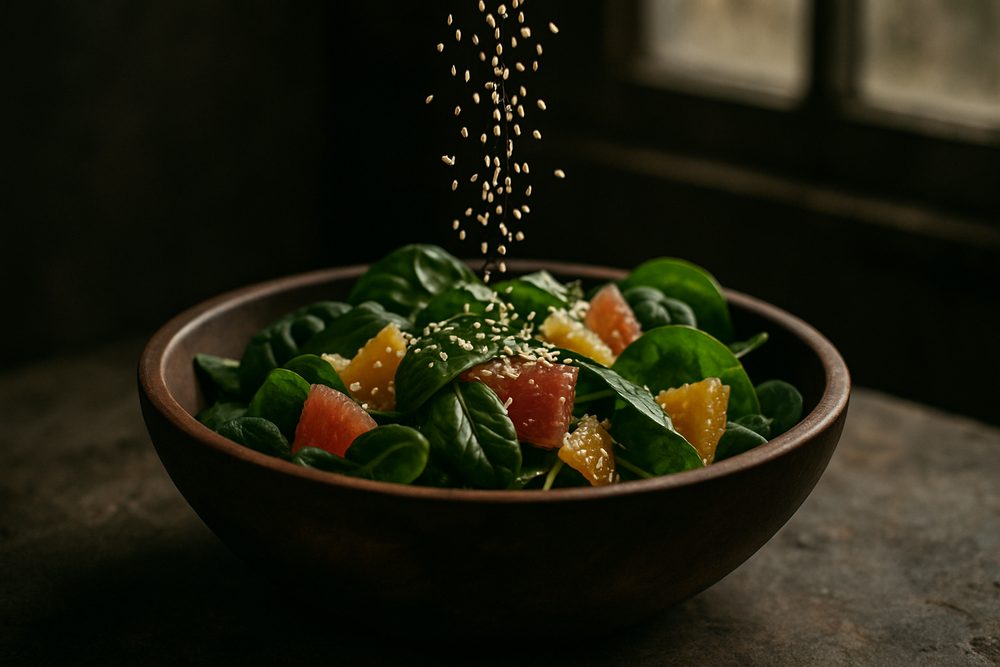
Prep Ideas
- — Toast in a dry pan over medium heat for 2–3 minutes, stirring constantly, until golden and fragrant. Watch closely — they burn fast.
- — Store in an airtight container away from heat and light. Their high fat content means they can go rancid; refrigerate after opening for longer shelf life.
- — If you are using them purely as a topping, a teaspoon adds flavour; a full tablespoon starts to contribute meaningfully to nutrition.
Shop This Ingredient
Stock your pantry with quality white sesame seeds.
Buy on AmazonAs an Amazon Associate, Plantopedia earns from qualifying purchases. This costs you nothing extra and helps us keep the encyclopedia free.
Frequently Asked Questions
Heart health and cholesterol Sesame seeds are rich in unsaturated fats, lignans, and phytosterols — a combination that has been studied specifically for cardiovascular effects in humans. Human studies have found that regularly eating sesame seeds (in meaningful portions, not just a light sprinkle) can lower LDL cholesterol, reduce total cholesterol, and decrease triglycerides. Some research also links sesame intake to modest reductions in blood pressure, likely via magnesium content and lignan activity. Real-world impact is greatest when sesame seeds or tahini replace less heart-friendly fats — such as butter or highly processed oils — rather than simply being added on top of an existing diet. Evidence level: moderate — multiple human studies support lipid and blood pressure effects, though most trials are small. Digestive health and fibre A tablespoon of sesame seeds provides around 1 g of dietary fibre, which contributes to bowel regularity and feeds beneficial gut bacteria. Because white sesame seeds are hulled, they contain slightly less fibre than unhulled seeds, but they still contribute meaningfully when used consistently at one to two tablespoons per day. Direct human trials on white sesame seeds and digestive outcomes specifically are limited, but the fibre and healthy fat content are well established. Caution: People with gastrointestinal narrowing, strictures, or a history of seed-related complications should be cautious — small seeds can contribute to complications in susceptible individuals. Evidence level: emerging for specific digestive outcomes; fibre content is established. Blood sugar and metabolism Sesame seeds are low in digestible carbohydrates and relatively high in protein and healthy fats — a macronutrient pattern associated with more stable blood sugar after meals. Some research has shown that sesame oil can enhance the effectiveness of conventional type 2 diabetes medications, suggesting an additive effect on blood sugar control. Whole white sesame seeds should have similar but slightly smaller effects than the oil alone, because they also provide fibre which slows glucose absorption. Important: People on glucose-lowering medications should monitor their blood sugar if they significantly and consistently increase their sesame intake, and coordinate any changes with their clinician. Evidence level: moderate — human data exists, but much of it involves sesame oil rather than whole seeds specifically. Hormones and cycle health Sesame seeds are one of the more studied dietary sources of phytoestrogens — specifically lignans, which are converted by gut bacteria into compounds with weak oestrogen-like or oestrogen-modulating activity in the body. Some small clinical studies have found that regular sesame seed supplementation in postmenopausal women modestly affects sex hormone–binding globulin and oestrogen metabolites. Consumer interest in sesame for hormone balance and conditions like PCOS or menopause is growing, but the evidence is still emerging and not yet specific to white versus black sesame seeds. Caution: Individuals with oestrogen-sensitive conditions (such as hormone-positive breast cancer or endometriosis) are often advised to discuss regular high-dose sesame intake with their oncology or specialist team. Evidence level: emerging — early human data, not yet conclusive. Inflammation and recovery Sesame lignans, particularly sesamin and sesamolin, have documented antioxidant and anti-inflammatory properties in human and experimental research. Human studies on sesame supplementation have found reductions in markers of oxidative stress and inflammation, and some trials suggest sesame may modestly reduce arthritis pain and improve joint function when added to standard care. Effects appear adjunctive — meaning they add to, rather than replace, conventional anti-inflammatory approaches. Evidence level: moderate — several human trials support anti-inflammatory and antioxidant effects.
Each form has genuine merit, and the "best" one depends on how you are using them: | Form | Best for | Watch out for | |---|---|---| | Whole white (hulled) seeds | Texture, crunch, fibre, slow eating | Easier to over-sprinkle without noticing calories | | Tahini (hulled seed paste) | Dressings, dips, sauces, baking | Check labels — some brands add oil or salt | | Unhulled (tan/black) seeds | Calcium, maximum fibre | Slightly bitter, more pungent flavour | | Sesame oil (toasted) | Flavour finishing, cooking | No fibre or protein; calorie-dense | | Raw vs roasted seeds | Raw retains marginally more minerals; roasted has deeper flavour | Roasting causes small losses of heat-sensitive nutrients | For most everyday use, whole white sesame seeds or plain tahini (ingredient: sesame seeds only) are the most practical whole-food options.
Whole raw white sesame seeds: The most versatile option. Toast to taste. Look for seeds sold in opaque, airtight packaging with a "best by" date. Avoid bags that smell musty or oily (a sign of rancidity). Pre-toasted white sesame seeds: Convenient and flavourful, but check that the only ingredient is sesame seeds — no added oils or sodium needed. Tahini (sesame paste): Read the label carefully. The ingredient list should ideally read: sesame seeds. Some commercial brands add rapeseed oil to improve pumpability; that is not harmful, but it dilutes the nutrition per gram. "Raw tahini" is made from unroasted seeds and is lighter in flavour; "roasted tahini" is deeper and more common in Middle Eastern cooking. Organic vs conventional: Sesame seeds have relatively low pesticide residue compared to many crops, so organic is a preference rather than a safety requirement for most people. Label red flags: Added sugars, excess sodium, hydrogenated oils, or artificial preservatives in sesame products are unnecessary and worth avoiding.
Everyday range: 1–3 tablespoons (9–27 g) per day
Quick Answers
Common questions, answered in a line.
White sesame seeds contain lignans (sesamin and sesamolin), phytosterols, tocopherols (vitamin E), and healthy unsaturated fatty acids like oleic and linoleic acid. These compounds provide antioxidant, cholesterol-lowering, and blood-pressure-supporting benefits while protecting cell membranes from oxidative damage.
Toasting white sesame seeds helps release their fragrant oils and creates a toasty crust, but you must watch them closely as they can burn quickly. Simply place them in a dry pan over medium heat for 2–3 minutes, stirring constantly until they become golden and fragrant.
Pairing white sesame seeds with leafy greens and a citrus dressing allows the seeds' healthy fats to help your body absorb fat-soluble vitamins, such as vitamins A and K, from the greens. This nutritional synergy makes sesame seeds an ideal topping for spinach or kale salads.
Combining sesame paste (tahini) with legumes like chickpeas or lentils creates a complete amino acid profile by pairing sesame's methionine-rich protein with the lysine-rich protein found in legumes. This makes combinations like hummus or lentil bowls a nutritionally complete plant-based option.
People taking medication for high blood pressure or diabetes should exercise caution, as sesame seeds may enhance the effects of these drugs and lead to low blood pressure or low blood sugar. Additionally, those with sesame allergies, kidney stones, or intestinal strictures should consult a doctor.
Because of their high fat content, white sesame seeds should be stored in an airtight container away from heat and light to prevent them from going rancid. While storage in a dark cupboard is possible, refrigerating the seeds after opening will ensure a longer shelf life.
White sesame seeds are relatively calorie-dense, containing approximately 52 calories per tablespoon. While a few tablespoons added to a meal can provide meaningful nutrition, eating large handfuls can significantly increase your total daily calorie intake.
For Readers in the USA
Local context — sourcing, seasonality, and regional notes.
Most white sesame seeds in U.S. grocery stores are imported from countries like India or Mexico, but domestic commercial production is concentrated in southern states like Texas, Oklahoma, and Kansas. These regions provide the long, hot growing season the plant requires.
In the U.S., you can find white sesame seeds at major retailers like Whole Foods, Trader Joe’s, and Kroger, as well as in bulk bins at local health food stores. Specialty Asian markets are also popular for buying larger quantities or pre-toasted Japanese-style varieties.
The FDA officially recognized sesame as the 9th major food allergen in the U.S. effective January 1, 2023, requiring it to be clearly labeled on all packaged foods. This federal law helps consumers identify sesame in items like multi-grain breads and crackers more easily.
White sesame seeds are a staple in American food culture, appearing on everything from classic "everything" bagels and ballpark hamburger buns to modern fusion dishes like poke bowls. They are also the primary ingredient in tahini, a key component of hummus widely sold in U.S. markets.
AI Clinical Review
- White (hulled) sesame seeds are nutrient-dense sources of unsaturated fats, plant protein, and key minerals (notably copper, manganese, magnesium), plus lignans and phytosterols that support heart health.
- The calcium caveat is accurate: most calcium resides in the hull, so unhulled/tan or black seeds (and tahini made from them) provide more calcium than hulled white seeds.
- Cardiometabolic benefits are most meaningful when sesame foods replace less healthy fats; human studies show modest improvements in LDL cholesterol, triglycerides, and sometimes blood pressure with regular intake.
- Practical guidance on forms (whole seeds, tahini, oil) and uses is sensible; 1–3 tablespoons daily is a realistic range for accruing benefits without overdoing calories.
- Much of the clinical research uses sesame oil, pastes, or extracts and small, short studies; effects from whole hulled seeds likely track in the same direction but may be smaller and dose-dependent.
- Blood sugar support appears promising, especially as an adjunct to standard care, but robust trials with whole seeds are limited.
- Lignan (phytoestrogen) effects vary by individual gut microbiome and dose; data for outcomes like menopausal symptoms, PCOS management, or cancer risk is preliminary and not specific to white vs black seeds.
- Anti-inflammatory and joint-pain findings are encouraging yet modest; larger, well-controlled trials are needed to confirm durability and clinical relevance.
- Amounts: 1–3 tablespoons (≈9–27 g) per day fits most diets; each tablespoon is ~50 kcal, so portion awareness matters.
- Allergy: sesame is a major allergen; avoid if you have a known sesame allergy and seek personalized guidance if you have a history of multiple food allergies.
- Medications and conditions: people on blood pressure– or glucose-lowering drugs should monitor for additive effects; those with intestinal strictures, a history of seed-related complications, or oxalate-restricted diets should check with a clinician.
- Form differences: unhulled seeds/tahini offer more calcium and fiber; hulled white seeds are milder; oil delivers flavor and lignans but no fiber/protein, and toasted seeds trade a little heat-sensitive nutrition for deeper taste.
Mention allergy context where appropriate; keep serving size realistic.
References
- PubMed — A systematic review on the nutrition, health benefits, and allergy risks of sesame seeds (pubmed.ncbi.nlm.nih.gov)
- PubMed — Food safety issues associated with sesame seed value chains: Current status and future perspectives (pubmed.ncbi.nlm.nih.gov)
- PMC, National Library of Medicine — Sesame (Sesamum indicum L.): A Comprehensive Review of Nutritional Value, Phytochemical Composition, Health Benefits, Development of Food, and Industrial Applications (pmc.ncbi.nlm.nih.gov)
- PMC, National Library of Medicine — Sesame Seeds: A Nutrient-Rich Superfood (pmc.ncbi.nlm.nih.gov)
- PubMed — Effect of sesame seed on lipid profile and redox status in hyperlipidemic patients (pubmed.ncbi.nlm.nih.gov)
- USDA FoodData Central — USDA FoodData Central (fdc.nal.usda.gov)
- PMC, National Library of Medicine — Consumption of Nuts and Seeds and Health Outcomes Including Cardiovascular Disease, Diabetes and Metabolic Disease, Cancer, and Mortality: An Umbrella Review (pmc.ncbi.nlm.nih.gov)
Know Your Numbers
Eating healthy is a start. Now get to know your biomarkers.
Food changes bloodwork — inflammation, lipids, blood sugar and nutrient status all respond to what you eat. 59 markers from $59.
- Results in 7–10 days at 2,000+ Quest sites
- Licensed provider reviews every result
- One flat price, no membership, HSA/FSA eligible
Educational information only, not medical advice. Panels are ordered and reviewed through our licensed partner; Plantopedia may earn a commission.