Sacha Inchi Oil — health benefits and uses
Long used by Amazonian peoples as a nourishing, energy-dense oil.
The Short Answer
Sacha inchi oil is a plant-based oil containing roughly 48% omega-3 (ALA) and 35% omega-6. It is best used as a finishing oil for salads or drizzled over cooked legumes to preserve its fragile, heat-sensitive essential fatty acids.
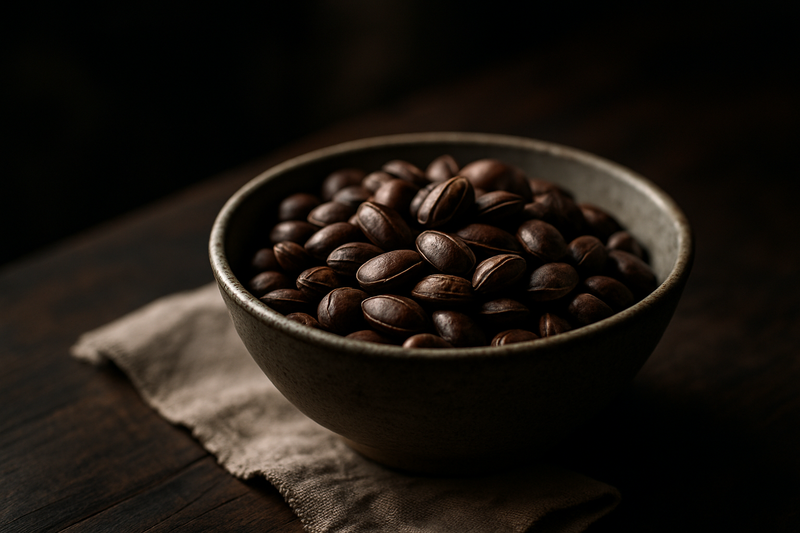
Sacha Inchi Oil · Photograph
Discover sacha inchi oil benefits and how to use it as a finishing oil. Learn about its omega-3 content, heart health research, daily dose guidance, safety notes, and how it compares to fish oil as a plant-based omega-3 source.
Key Nutrients
% Daily Value based on 2,000 cal diet
Key active compounds
- Alpha-linolenic acid (ALA, omega-3): An 18-carbon essential fatty acid — meaning the body cannot make it and must obtain it from food. ALA makes up approximately 47–51% of sacha inchi oil's total fatty acids, the highest fraction of any major plant oil. The body can convert a small percentage to the longer-chain EPA (eicosapentaenoic acid) and DHA (docosahexaenoic acid), though conversion rates are limited and vary between individuals.
- Linoleic acid (LA, omega-6): An essential omega-6 fatty acid present at about 32–37%. It supports skin barrier function and cell membrane integrity. Getting the right balance of omega-6 to omega-3 matters for inflammation — sacha inchi oil's roughly 2:1 omega-6 to omega-3 ratio is relatively favorable compared to most seed oils.
- Oleic acid (omega-9): A monounsaturated fat (the dominant fat in olive oil) present at about 8–12%, contributing to oil stability and a smooth mouthfeel.
- Tocopherols (vitamin E family): A group of fat-soluble antioxidant compounds. Sacha inchi oil contains approximately 175–220 mg per 100 g in some analyses — unusually high for a seed oil — helping protect the oil's fragile polyunsaturated fats from oxidation both in the bottle and inside the body.
Buying guide
Liquid cold-pressed oil is the most common and best-studied form. Look for:
- Labels that say "cold-pressed" or "virgin" — heat-extraction damages the fatty acid profile
- Dark glass or opaque bottles (light accelerates oxidation)
- A harvest or best-before date; fresher is meaningfully better with fragile oils
- Organic certification if pesticide avoidance is a priority, though evidence for nutritional differences is limited
Softgel capsules offer convenience and a measured dose (typically 1–5 g per softgel). They are useful for people who dislike the taste or want a precise intake. Capsule-specific clinical trials are limited, so most dosing data come from liquid oil studies.
Blended oils and fortified foods that include sacha inchi as a minor ingredient are less likely to deliver the doses used in trials. Check the label for percentage of sacha inchi oil in the blend.
What to skip: Avoid products in clear plastic bottles or with no date. Sacha inchi oil priced significantly below the market range may indicate lower-quality extraction or older stock.
Prep and pairing ideas
Sacha inchi oil is mild enough to use daily without overpowering a dish. Here are three pairings that work particularly well:
1. Sacha inchi oil + leafy greens + lemon The oil's nutty undertone pairs naturally with bitter greens like arugula, radicchio, or kale. A simple dressing of 1 tablespoon sacha inchi oil, 1 tablespoon lemon juice, a pinch of salt, and a half teaspoon of Dijon mustard is all you need. The fat in the oil also improves absorption of fat-soluble vitamins (A, E, K) from the greens — a double win.
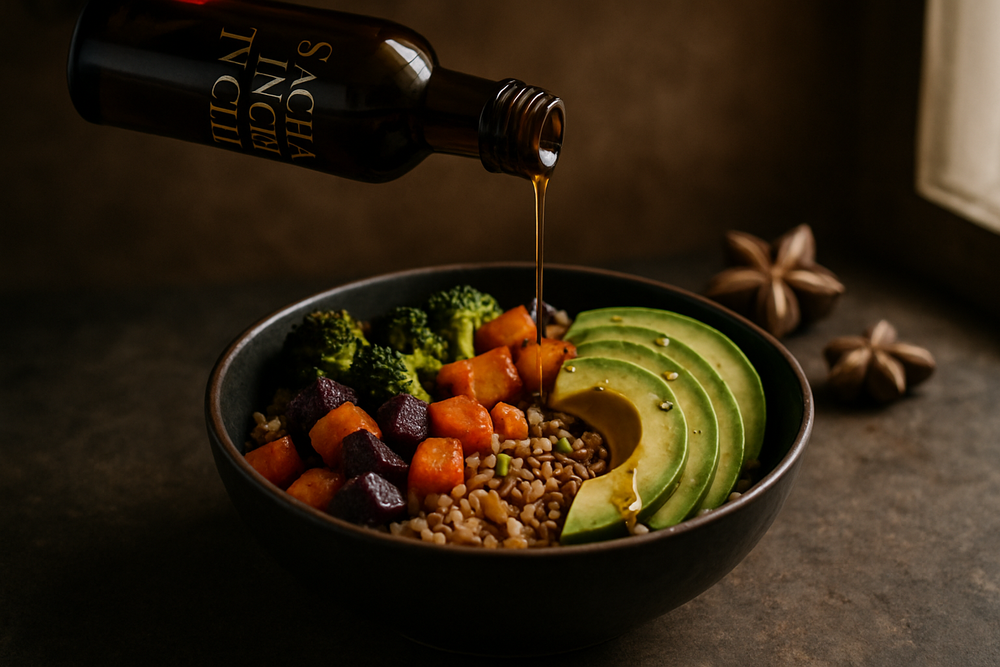
2. Sacha inchi oil + cooked lentils or legumes Drizzle 1–2 teaspoons over a warm bowl of lentils, chickpeas, or black beans. The oil adds omega-3s to a meal that already supplies plant protein and fiber — a heart-friendly combination backed by the general evidence on plant-based eating patterns.
3. Sacha inchi oil + dark berries + yogurt Add a teaspoon to a smoothie or yogurt bowl with blueberries, strawberries, or açaí. The vitamin E in the oil complements the polyphenol antioxidants in berries, and the fat helps the body absorb fat-soluble pigments from the fruit.
Bottom line
Sacha inchi oil is a genuinely interesting plant oil with one of the highest ALA omega-3 contents available, modest clinical evidence supporting improvements in cholesterol, blood pressure, and post-meal inflammation, and a flavor profile that makes daily use practical. It is not a cure, not a supplement to replace medications, and not suitable for cooking. Its greatest value is as a cold-used finishing oil that adds meaningful omega-3s to an otherwise omega-3-light meal — particularly useful for vegans, people avoiding fish, or anyone trying to shift their fat intake toward less saturated, more polyunsaturated sources.
The research base is promising but still small; most trials involve relatively short durations and modest sample sizes. Use it as part of a broader diet rich in whole plants, and talk to a clinician if you are managing active cardiometabolic conditions.
Looking to build a heart-supportive eating pattern beyond a single oil? Explore the Plantopedia heart health guide for ingredient combinations, meal patterns, and evidence-based strategies.
How Sacha Inchi Oil Compares
| Compared with | What's different |
|---|---|
| Sacha Inchi Oil vs. Extra Virgin Olive Oil | Sacha inchi is much higher in ALA omega-3s (48%) and has a nuttier, more floral flavor profile. |
| Sacha Inchi Oil vs. Flaxseed Oil | Sacha inchi contains roughly 4.5g of ALA per 9g serving, nearly double the omega-3 density of flax. |
Health Benefits
Things to Know
Heat sensitivity: Do not cook with it. High heat destroys the omega-3s and can produce harmful oxidation byproducts.
Allergy risk: The "Inca peanut" nickname may cause concern, but sacha inchi is botanically unrelated to peanuts. Allergic reactions are rare but have been reported. If you have tree-nut, peanut, or seed allergies, introduce it cautiously — start with a few drops and wait 24 hours.
Blood pressure medications: Trials have shown modest blood pressure reductions; combining the oil with antihypertensives may have an additive effect. Monitor blood pressure if you add it regularly.
Cholesterol-lowering medications (statins, fibrates): The oil may improve lipid markers, potentially requiring medication dose adjustments — discuss with your prescribing clinician.
Blood thinners (warfarin, DOACs, aspirin, clopidogrel): High-omega-3 oils can theoretically influence platelet function and bleeding time. Sacha inchi trials have not reported bleeding problems, but caution is sensible. Have your coagulation checked if you dramatically increase intake.
Antidiabetic medications: Early data suggest possible improvements in post-meal blood sugar and insulin dynamics. Combined use warrants regular glucose monitoring and clinician oversight.
Gallbladder disease or fat malabsorption: Higher fat loads may cause discomfort. Start with small amounts.
Pregnancy and breastfeeding: Culinary amounts (1 tablespoon/day) are generally considered safe based on the oil's composition, but targeted safety research is absent. Check with your midwife or OB before supplementing beyond normal dietary use.
Fat-soluble vitamin supplements: The oil contributes vitamin E and small amounts of vitamin A. If you are already taking high-dose fat-soluble vitamin supplements, be mindful of combined intake.
Glossary
Shop This Ingredient
Stock your pantry with quality sacha inchi oil.
Buy on AmazonAs an Amazon Associate, Plantopedia earns from qualifying purchases. This costs you nothing extra and helps us keep the encyclopedia free.
Frequently Asked Questions
Heart and circulation This is where the most human evidence exists. A double-blind, placebo-controlled trial comparing sacha inchi oil to sunflower oil over four months found reductions in total cholesterol and LDL cholesterol (sometimes called "bad" cholesterol), lower arterial blood pressure, and a greater rise in HDL cholesterol (sometimes called "good" cholesterol) in the sacha inchi group. A separate clinical study in adults with dyslipidemia (abnormal blood fat levels) saw similar lipid improvements at 10–15 ml per day. A randomized crossover trial — where the same participants tried both conditions — found that adding 15 ml of sacha inchi oil to a high-fat meal improved post-meal lipid responses compared to a meal without it. Taken together, the evidence consistently shows favorable changes in surrogate markers (measurable indicators of risk, like cholesterol numbers), but there are no long-term trials tracking hard outcomes like heart attacks, strokes, or mortality. The benefits are believed to relate primarily to the high ALA content and the partial displacement of saturated fats. Digestive health and microbiome As a pure oil, sacha inchi provides no fiber and does not directly feed gut bacteria the way whole seeds or plant foods do. Clinical trials primarily designed for heart outcomes did document tolerability: most participants handled 10–15 ml per day well, though a minority reported mild gastrointestinal discomfort or looser stools — both typical responses to introducing a high-polyunsaturated oil. Starting with a smaller amount (1 teaspoon) and gradually increasing over 1–2 weeks tends to improve comfort. Blood sugar and metabolism Evidence here is emerging and modest. One trial observed increased insulin levels in a subgroup using 10 ml of sacha inchi oil daily, which the researchers interpreted as a possible improvement in insulin secretion in people with dyslipidemia. A separate crossover trial found that adding 15 ml to a high-fat breakfast attenuated the post-meal blood sugar rise in people with higher baseline triglycerides. These are encouraging early signals, but there are no robust trials tracking fasting glucose, HbA1c (a 3-month average blood sugar measure), or diabetes outcomes. People managing blood sugar with medication should treat this oil as a dietary fat choice to discuss with their clinician rather than a glucose-lowering therapy. Inflammation and recovery Inflammation data come primarily from the same crossover trial referenced above, which reported improvements in post-meal inflammation markers alongside lipid changes, particularly in people with less favorable metabolic profiles at baseline. Mechanistically, ALA can be partially converted to EPA, which plays a recognized role in resolving inflammation. However, most of the inflammation data are short-term and focused on the post-meal window; there are no controlled trials demonstrating sustained benefits for chronic inflammatory conditions such as arthritis or inflammatory bowel disease.
Use it cold. This is probably the most practical thing to know about sacha inchi oil. The oil's high polyunsaturated fat content — around 80–85% of total fatty acids — makes it chemically fragile. Heat breaks down polyunsaturated fats relatively quickly, producing oxidation products (breakdown compounds from rancid fats) and destroying some of the very compounds you are eating for. Sacha inchi oil has a low smoke point compared to oils like avocado or refined coconut oil, so it is not suited to sautéing, roasting, or frying. Best uses: Drizzled over cooked grains, soups, or roasted vegetables after they come off the heat Whisked into salad dressings or vinaigrettes Blended into smoothies or dips Used as a finishing drizzle on hummus, avocado toast, or grain bowls Storage: Buy in dark glass bottles. Keep refrigerated after opening and use within 4–6 weeks. A rancid smell (sharp, paint-like, or "crayon-ish") means the oil has oxidized and should be discarded.
Human trials have consistently used 10–15 ml per day — roughly 2–3 teaspoons or 1 tablespoon — taken with a meal, over periods of 12–16 weeks. This appears to be the "sweet spot" where lipid and blood pressure benefits emerged without significant side effects. Practical guidance: Start low: Begin with 1 teaspoon (5 ml) per day for the first week to assess digestive tolerance. Build up: If tolerated, increase to 1 tablespoon (10–15 ml) per day. Take with food: Fat absorption is better with a meal, and the food matrix may reduce the chance of GI discomfort. Caloric context: 1 tablespoon adds about 85–90 calories. If you are managing calorie intake, use it as a replacement for another fat rather than an addition on top of your usual oil use. No established upper limit for sacha inchi oil specifically exists. Higher doses have not been well studied, and more is not necessarily better — especially for calorie-dense oils. Note: These are research-based ranges, not personalized medical recommendations. Individual needs vary depending on overall diet, medications, and health status.
Quick Answers
Common questions, answered in a line.
Sacha inchi oil is a potent plant-based source of omega-3, containing approximately 47–51% alpha-linolenic acid (ALA). This is the highest fraction of ALA found in any major plant oil, making it an excellent alternative for vegans or those who avoid fish oil.
No, you should not cook with sacha inchi oil because high heat destroys its fragile omega-3 fatty acids and can produce harmful oxidation byproducts. It is strictly a finishing oil intended for cold use in dressings, smoothies, or drizzled over warm meals just before serving.
When buying sacha inchi oil, look for liquid "cold-pressed" or "virgin" versions packaged in dark glass or opaque bottles to protect against light-induced oxidation. Always check for a harvest or best-before date, as freshness is critical for preserving its polyunsaturated fats.
Yes, sacha inchi oil may interact with blood pressure, cholesterol, and diabetes medications, as well as blood thinners like warfarin or aspirin. Because the oil can influence blood pressure and lipid markers, you should consult a clinician to monitor for additive effects if you take these medications.
Despite being nicknamed the "Inca peanut," sacha inchi is botanically unrelated to peanuts, making allergic reactions rare. However, individuals with tree-nut, peanut, or seed allergies should introduce it cautiously by starting with a few drops and waiting 24 hours to check for a reaction.
Sacha inchi oil is rich in tocopherols (vitamin E), which act as fat-soluble antioxidants that protect the oil's polyunsaturated fats from oxidation. These compounds help maintain the oil's stability in the bottle and protect cells from oxidative damage inside the body.
For Readers in the USA
Local context — sourcing, seasonality, and regional notes.
You can find sacha inchi oil at major U.S. health food chains like Whole Foods Market and Sprouts Farmers Market, or through online retailers like Amazon and Thrive Market. While rarely found in conventional neighborhood supermarkets, it is increasingly available in the wellness or supplement aisles of larger grocery stores.
In the U.S., look for the USDA Organic seal to ensure the oil was produced without synthetic pesticides or GMOs, as sacha inchi is primarily imported from South America. Because the FDA regulates it as a food rather than a drug, choosing a certified organic or Non-GMO Project Verified brand provides a higher level of third-party quality oversight.
Sacha inchi is a tropical plant native to the Amazon and is not commercially grown in the continental United States due to its need for year-round warmth and high humidity. While it cannot be found at local U.S. farmers markets as a domestic crop, the imported oil is available year-round because it is harvested across multiple seasons in its native Peru and Colombia.
While not a traditional part of the American diet, sacha inchi oil is gaining popularity in the U.S. as a plant-based "superfood" alternative to fish oil or flaxseed oil. It is most commonly used by health-conscious consumers in the Pacific Northwest and California, where it is frequently added to smoothies, grain bowls, and vegan dressings.
AI Clinical Review
- Clearly identifies sacha inchi oil as an exceptionally rich plant source of ALA (omega‑3) and explains that the body converts only a small portion to EPA/DHA.
- Accurately summarizes early human trials showing improvements in surrogate cardiovascular markers (LDL/HDL cholesterol, modest blood pressure changes, and post‑meal inflammation) at roughly 10–15 ml/day.
- Gives practical, evidence‑consistent advice to use the oil cold due to its high polyunsaturated fat content and heat sensitivity.
- Notes meaningful vitamin E content and low saturated fat, positioning the oil as a useful option for plant‑based eaters.
- Most studies are short (weeks to a few months) and measure risk markers rather than hard outcomes like heart attack or stroke; long‑term benefits and safety are not yet established.
- Findings on blood sugar and insulin responses are preliminary, with small samples and heterogeneous designs; no robust data yet on HbA1c or diabetes outcomes.
- Comparisons with other ALA sources (e.g., flaxseed) or with EPA/DHA sources (fish or algae oils) have not been tested head‑to‑head for clinical endpoints.
- Typical research dose: about 1 tablespoon daily (10–15 ml) with food; starting at 1 teaspoon can minimize GI upset. More is not necessarily better due to calories and limited data at higher intakes.
- Use as a finishing oil only; avoid cooking to preserve omega‑3s and limit oxidation byproducts. Store in dark glass, refrigerate after opening, and discard if rancid.
- Allergy is uncommon but possible; despite the “Inca peanut” nickname, it is a seed. Those with nut/seed allergies should introduce cautiously.
- People on blood pressure or cholesterol medications, anticoagulants/antiplatelets, or diabetes medications should check with a clinician, as additive effects are possible and monitoring may be needed.
- Pregnancy and breastfeeding: culinary amounts appear reasonable, but there’s limited targeted research; avoid high supplemental doses without medical guidance.
Heat-sensitive; best used unheated. Rare allergen reports.
References
- USDA FoodData Central — general seed oil nutrition reference (fdc.nal.usda.gov)
- Randomized, double-blind placebo-controlled trial: sacha inchi oil vs. sunflower oil for lipids and blood pressure in adults (pubmed.ncbi.nlm.nih.gov)
- Clinical trial: effect of sacha inchi oil on lipid profile in patients with dyslipidemia (pubmed.ncbi.nlm.nih.gov)
- Randomized crossover trial: sacha inchi oil added to high-fat meal, postprandial inflammation and lipid responses (onlinelibrary.wiley.com)
- Mini-review: sacha inchi oil and cardiovascular disease risk factor reduction (pdfs.semanticscholar.org)
- Nutritional comparison of sacha inchi and other oilseeds (PMC peer-reviewed review) (pmc.ncbi.nlm.nih.gov)
- Registered clinical trial: sacha inchi oil supplementation in hypertension, hyperlipidemia, hyperglycemia (3Hs) patients (clinicaltrials.gov)
- News-Medical overview: sacha inchi oil, cholesterol, and blood sugar evidence summary (news-medical.net)
- Organic Crops technical product sheet: sacha inchi oil fatty acid profile and composition (organiccrops.net)
- Asia Eco Farm complete guide: sacha inchi benefits, uses, and fatty acid composition (asiaecofarm.com)
Know Your Numbers
Eating healthy is a start. Now get to know your biomarkers.
Food changes bloodwork — inflammation, lipids, blood sugar and nutrient status all respond to what you eat. 59 markers from $59.
- Results in 7–10 days at 2,000+ Quest sites
- Licensed provider reviews every result
- One flat price, no membership, HSA/FSA eligible
Educational information only, not medical advice. Panels are ordered and reviewed through our licensed partner; Plantopedia may earn a commission.