Sea Buckthorn — health benefits and uses
Used in Tibetan and Russian folk medicine for skin, immunity, and digestion.
The Short Answer
Sea buckthorn is a nutrient-dense berry providing roughly 200 mg of Vitamin C and 3.6 g of fiber per serving, best known for its rare omega-7 fatty acids and intense tart flavor.
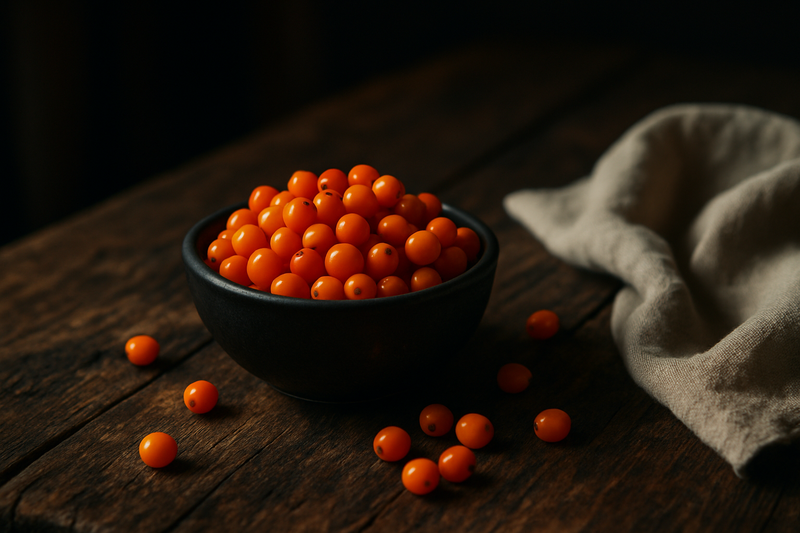
Sea Buckthorn · Photograph
Discover the real sea buckthorn benefits and side effects, from vitamin C and omega-7 fatty acids to heart and skin health support. Nutrition facts, dosage guidance, safety cautions, and practical tips for adding this intensely tart orange berry to a whole-food diet.
Key Nutrients
% Daily Value based on 2,000 cal diet
Key active compounds in sea buckthorn
- Vitamin C (ascorbic acid): Concentrations ranging from roughly 50 mg to nearly 900 mg per 100 g depending on cultivar — far exceeding most berries and citrus fruits.
- Carotenoids (beta-carotene, lycopene, zeaxanthin, lutein): Fat-soluble pigments responsible for the orange color; act as antioxidants and precursors to vitamin A.
- Flavonoids (quercetin, isorhamnetin, kaempferol): A class of polyphenol (plant-based antioxidant compound) associated with vascular protection and anti-inflammatory signaling.
- Phenolic acids and proanthocyanidins: Additional antioxidant polyphenols that may protect lipids from oxidation and support gut microbial diversity.
- Palmitoleic acid (omega-7): A monounsaturated fatty acid (a type of "healthy" dietary fat) that is rare in plant foods; concentrated in sea buckthorn pulp oil and linked to skin and mucosal support.
- Alpha-linolenic acid (omega-3) and linoleic acid (omega-6): Essential fatty acids present primarily in the seed oil.
- Phytosterols (beta-sitosterol, campesterol): Plant-derived compounds structurally similar to cholesterol; may help reduce LDL absorption in the gut.
- Organic acids (malic, citric): The primary drivers of the berry's extreme tartness; also play roles in energy metabolism and mineral absorption.
- Vitamin E (tocopherols): Antioxidant fat-soluble vitamins that help protect cell membranes, especially abundant in the oils.
Prep and pairing ideas
Sea buckthorn's intensity is its greatest culinary challenge and its greatest asset — used thoughtfully, that sour-citrus punch elevates other flavors in a way sweeter berries cannot.
- Morning smoothie: Blend 2–3 tablespoons of sea buckthorn purée or 30 mL of juice with banana, mango, or pineapple. The sweeter fruit tempers the tartness while the citrus-adjacent flavor brightens the whole blend. Banana also provides potassium to complement sea buckthorn's mineral profile.
- Salad dressing: Whisk sea buckthorn juice with extra-virgin olive oil, a little honey or date syrup, and fresh ginger. The natural acidity replaces vinegar and the carotenoids add visual appeal to grain bowls or dark leafy green salads.
- Overnight oats or yogurt swirl: Stir a spoonful of sea buckthorn powder or a tablespoon of purée through plain yogurt or oat-based overnight oats with a drizzle of honey. The probiotics in yogurt pair well with sea buckthorn's prebiotic fiber potential, and the fat in yogurt helps absorption of fat-soluble carotenoids.
Bottom line
Sea buckthorn is a genuinely exceptional ingredient — not because it cures anything, but because it concentrates an unusual combination of nutrients that most diets are short on: vitamin C at near-medicinal levels, rare omega-7 fatty acids, and a broad spectrum of antioxidant pigments. The strongest human evidence supports a role in improving blood lipid profiles and reducing inflammation markers; skin and mucosal health benefits are supported by smaller but clinically meaningful studies. Effects on blood sugar and blood pressure remain inconsistent across trials.
For most healthy adults, working sea buckthorn into a varied, whole-food diet — as a diluted juice, a smoothie addition, or an oil supplement — is a low-risk way to access its nutritional density. People on blood thinners, cardiovascular medications, or diabetes medications should check with a clinician first, because the interaction potential is real even if the risk is modest.
Sea buckthorn is best understood as one capable player in an overall plant-rich dietary pattern, not as a stand-alone therapeutic hero.
How Sea Buckthorn Compares
| Compared with | What's different |
|---|---|
| Sea Buckthorn vs. Goji Berry | Significantly more tart with higher Vitamin C and rare omega-7 fatty acids. |
| Sea Buckthorn vs. Rose Hips | Contains nearly double the Vitamin C per serving and a much higher fat content. |
Health Benefits
Things to Know
Blood thinners: Sea buckthorn contains coumarin-like and salicylate-like compounds that may have mild anticoagulant (blood-thinning) activity. If you take warfarin, aspirin, clopidogrel, or any anticoagulant or antiplatelet medication, talk to a doctor or pharmacist before supplementing. Do not self-manage this interaction.
Upcoming surgery: High-dose sea buckthorn supplements are generally advised against in the two weeks before any surgical procedure due to potential bleeding risk.
Blood pressure medications: Some studies show modest blood pressure–lowering effects; combining sea buckthorn with antihypertensive drugs could increase the risk of low blood pressure (hypotension). Monitor if you choose to combine them.
Diabetes medications: Emerging and inconsistent evidence suggests sea buckthorn may influence blood glucose in some contexts. People on insulin, metformin, or sulfonylureas should monitor glucose more closely when starting concentrated sea buckthorn products.
Lipid-lowering drugs: Additive cholesterol-lowering effects are plausible when combining sea buckthorn with statins or fibrates; a clinician can help determine if lipid panels need closer monitoring.
Acid reflux and sensitive stomachs: Undiluted juice is highly acidic and can worsen gastroesophageal reflux disease (GERD) or cause stomach upset. Dilute generously or consume with food.
Pregnancy and breastfeeding: Traditional dietary use of the berries is longstanding, but safety data for concentrated supplements and high-dose oils in pregnancy and lactation are limited. Whole-food amounts are likely low risk; supplements warrant professional guidance.
Children: Pediatric dosing and safety for supplements have not been well established.
NSAIDs (non-steroidal anti-inflammatory drugs like ibuprofen): Combined use with sea buckthorn's salicylate-like components may theoretically increase bleeding risk in susceptible individuals.
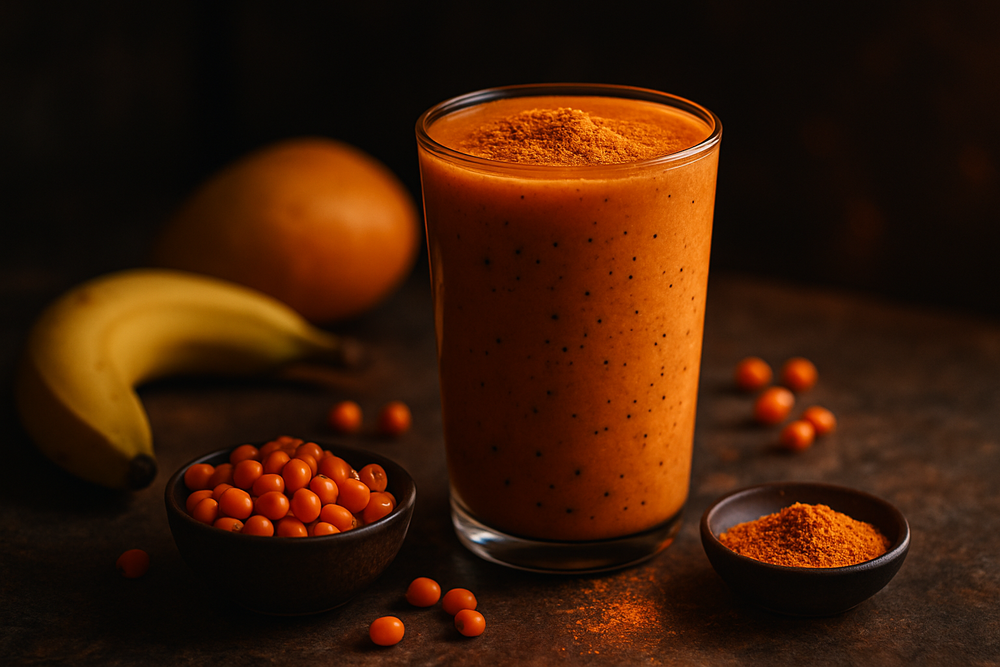
Prep Ideas
- — Morning smoothie: Blend 2–3 tablespoons of sea buckthorn purée or 30 mL of juice with banana, mango, or pineapple. The sweeter fruit tempers the tartness while the citrus-adjacent flavor brightens the whole blend. Banana also provides potassium to complement sea buckthorn's mineral profile.
- — Salad dressing: Whisk sea buckthorn juice with extra-virgin olive oil, a little honey or date syrup, and fresh ginger. The natural acidity replaces vinegar and the carotenoids add visual appeal to grain bowls or dark leafy green salads.
- — Overnight oats or yogurt swirl: Stir a spoonful of sea buckthorn powder or a tablespoon of purée through plain yogurt or oat-based overnight oats with a drizzle of honey. The probiotics in yogurt pair well with sea buckthorn's prebiotic fiber potential, and the fat in yogurt helps absorption of fat-soluble carotenoids.
Glossary
Shop This Ingredient
Stock your pantry with quality sea buckthorn.
Buy on AmazonAs an Amazon Associate, Plantopedia earns from qualifying purchases. This costs you nothing extra and helps us keep the encyclopedia free.
Frequently Asked Questions
Sea buckthorn berries are intensely sour with a citrus-like aroma — raw berries are almost too tart to eat straight. Most people consume them as diluted juice blended with sweeter fruits, as a purée swirled into yogurt or oats, or as a dried powder stirred into smoothies. The oils have a mild, slightly earthy flavor and are usually taken in capsules. Starting with small, diluted amounts helps your palate (and stomach) adjust.
For most healthy adults, consuming sea buckthorn in typical food or juice amounts daily appears to be well tolerated, with few reported serious adverse effects in clinical trials lasting up to 12 weeks. However, very concentrated extracts and oils taken long-term have less safety data, and the high acidity can trigger reflux in sensitive individuals. People on blood thinners, blood pressure medications, or diabetes drugs should speak with a clinician before making it a daily supplement habit.
Yes, this is a real and important consideration. Sea buckthorn contains coumarin-like and salicylate-like compounds that may add to the blood-thinning effects of anticoagulants (like warfarin) and antiplatelet drugs (like aspirin or clopidogrel). It may also mildly enhance the blood pressure–lowering effects of antihypertensive drugs and the cholesterol-lowering effects of statins. Always discuss with your doctor or pharmacist before combining sea buckthorn supplements with any of these medications.
Human studies have used roughly 30–100 mL per day of diluted juice, or 2–5 g per day of seed or pulp oil in capsule form. There is no official recommended daily intake. A practical starting point is 30 mL of diluted juice or 1–2 g of oil per day, gradually increasing if tolerated. Treat these ranges as a reference, not a prescription, and note that whole-food preparations (juice, whole berries, powder) are generally preferred over highly concentrated extracts.
The evidence is encouraging but still modest. Small to medium-sized clinical trials have found improvements in skin conditions including atopic dermatitis (eczema) and dry eye syndrome when sea buckthorn oil is taken orally or applied topically. The leading mechanism appears to be the omega-7 fatty acid palmitoleic acid, which may help maintain the lipid (fat) barrier of skin and mucous membranes. Larger, better-controlled trials are needed before stronger claims can be made, but the existing data is promising for people dealing with these issues.
It depends on your goal. Whole berries and juice deliver the most vitamin C and water-soluble antioxidants (polyphenols, flavonoids). Pulp oil is richest in palmitoleic acid (omega-7) and carotenoids and is the form most studied for skin and mucosal outcomes. Seed oil provides more omega-3 and omega-6 fatty acids. For general dietary use, diluted juice or berry powder added to meals is a practical starting point. For skin or mucosal support specifically, oil capsules (especially pulp oil) have the most relevant clinical data.
Quick Answers
Common questions, answered in a line.
Sea buckthorn contains exceptionally high levels of vitamin C, ranging from 50 mg to nearly 900 mg per 100 g depending on the cultivar. This concentration far exceeds the levels found in most other berries and citrus fruits, making it a potent source of this essential antioxidant.
Sea buckthorn provides a rare monounsaturated fat called palmitoleic acid (omega-7), which is linked to skin and mucosal support. While most plant foods lack this specific fatty acid, it is highly concentrated in the berry's pulp oil.
Sea buckthorn may help improve blood lipid profiles, reduce inflammation markers, and protect lipids from oxidation. It also contains phytosterols, which are plant compounds structurally similar to cholesterol that may help reduce LDL absorption in the gut.
People with acid reflux or sensitive stomachs should avoid drinking undiluted sea buckthorn juice because its high acidity can worsen GERD or cause stomach upset. It is recommended to dilute the juice generously or consume it with food to minimize irritation.
You should stop taking high-dose sea buckthorn supplements at least two weeks before a scheduled surgery. This precaution is necessary because the berry contains compounds that may have mild anticoagulant activity, potentially increasing the risk of bleeding.
If you take insulin, metformin, or sulfonylureas, you should monitor your blood glucose levels closely when starting sea buckthorn products. Because evidence suggests the berry may influence blood sugar, it could potentially interact with standard diabetes treatments.
Sea buckthorn contains a diverse range of antioxidants, including carotenoids like beta-carotene and lycopene, flavonoids such as quercetin, and vitamin E. These compounds help protect cell membranes and act as precursors to vitamin A.
For Readers in the USA
Local context — sourcing, seasonality, and regional notes.
In the United States, sea buckthorn is primarily grown in colder northern regions like Alaska, the Pacific Northwest, and the Northeast. These hardy shrubs thrive in USDA zones 3 through 7, making them popular among cold-climate farmers looking for sustainable, drought-tolerant crops.
You can typically find sea buckthorn products at specialty health food chains like Whole Foods Market, Sprouts Farmers Market, and through online retailers like Amazon or Thrive Market. While fresh berries are rare in standard grocery stores, you will easily find bottled juices, powders, and oil supplements in the wellness aisle.
Fresh sea buckthorn berries are typically harvested in the U.S. from late August through October. Because the berries are fragile and difficult to pick by hand, many American growers sell them frozen or processed into juices and jams to maintain their high vitamin C content throughout the year.
When purchasing sea buckthorn in the U.S., look for the USDA Organic seal and third-party testing labels like USP or NSF on supplements to ensure purity. Since the FDA does not approve supplements for safety or effectiveness before they are marketed, choosing reputable brands with transparent sourcing is essential for quality control.
AI Clinical Review
- Accurately describes sea buckthorn’s dense nutrient profile (very high vitamin C, diverse carotenoids/flavonoids, and omega‑7 in pulp oil) and why that combination is unusual among fruits.
- Appropriately highlights the strongest human evidence: improvements in blood lipids (lower LDL/triglycerides, higher HDL) and reductions in inflammatory markers like CRP in small‑to‑moderate trials.
- Fairly summarizes early but encouraging data for skin and mucosal comfort (e.g., dry eye, vaginal atrophy), especially with pulp oil rich in palmitoleic acid (omega‑7).
- Helpfully distinguishes forms (whole berries/juice vs seed vs pulp oil) and links them to likely outcomes.
- Effects on blood sugar and blood pressure are mixed across studies; current data don’t support using sea buckthorn as a primary therapy for these targets.
- Claims about microbiome support and gastric protection are promising but rely largely on animal or cell studies; human trials are limited.
- Optimal dosing, product standardization, and long‑term safety beyond ~8–12 weeks remain under‑studied, especially for concentrated extracts.
- The clinical significance and durability of lipid and inflammation changes need larger, longer, well‑controlled trials in diverse populations.
- Typical study ranges: 30–100 mL/day of diluted juice or 2–5 g/day of seed or pulp oil; start low to gauge tolerance since the juice is highly acidic and can trigger reflux.
- Potential bleeding risk: sea buckthorn may have mild anticoagulant/antiplatelet effects—use caution with warfarin, direct oral anticoagulants (e.g., apixaban/rivaroxaban), aspirin, or clopidogrel, and discuss timing around planned surgery.
- Possible additive effects with antihypertensives, lipid‑lowering drugs (statins/fibrates), and diabetes medications; monitoring is prudent when starting concentrated products.
- Limited safety data for supplements in pregnancy, breastfeeding, and children; food‑level intake is generally considered low risk, but individualized clinical advice is wise.
Extremely tart and usually diluted; may interact with blood thinners.
References
- USDA FoodData Central — sea buckthorn nutrient data (fdc.nal.usda.gov)
- MyPlate Fruits Group guidance — USDA dietary recommendations (myplate.gov)
- Phytochemistry, health benefits, and food applications of sea buckthorn — comprehensive review (pmc.ncbi.nlm.nih.gov)
- Sea buckthorn juice trial in women — randomized 8-week study on lipids, body fat, and CRP (pubmed.ncbi.nlm.nih.gov)
- Research progress of Hippophae rhamnoides — 2024 clinical and mechanistic review (pmc.ncbi.nlm.nih.gov)
- Effects of sea buckthorn on blood lipids — systematic review and meta-analysis of clinical trials (pubmed.ncbi.nlm.nih.gov)
- The role of sea buckthorn in skin and mucosal health — clinical review (pmc.ncbi.nlm.nih.gov)
- Impact of sea buckthorn oil fatty acids on human health — fatty acid profile review (pmc.ncbi.nlm.nih.gov)
- WebMD — Sea Buckthorn: uses, side effects, interactions (webmd.com)
- Bioactive compounds and metabolic syndrome efficacy — narrative review (pubmed.ncbi.nlm.nih.gov)
Know Your Numbers
Eating healthy is a start. Now get to know your biomarkers.
Food changes bloodwork — inflammation, lipids, blood sugar and nutrient status all respond to what you eat. 59 markers from $59.
- Results in 7–10 days at 2,000+ Quest sites
- Licensed provider reviews every result
- One flat price, no membership, HSA/FSA eligible
Educational information only, not medical advice. Panels are ordered and reviewed through our licensed partner; Plantopedia may earn a commission.