Baobab Seed Oil — health benefits and uses
Baobab is a revered African food and medicine tree.
The Short Answer
Baobab seed oil is a nutrient-dense oil high in vitamin E (4mg per tbsp) and antioxidants, primarily used for skin hydration and scalp health. While edible in small amounts, it contains cyclopropenoid fatty acids that make it better suited for topical use or
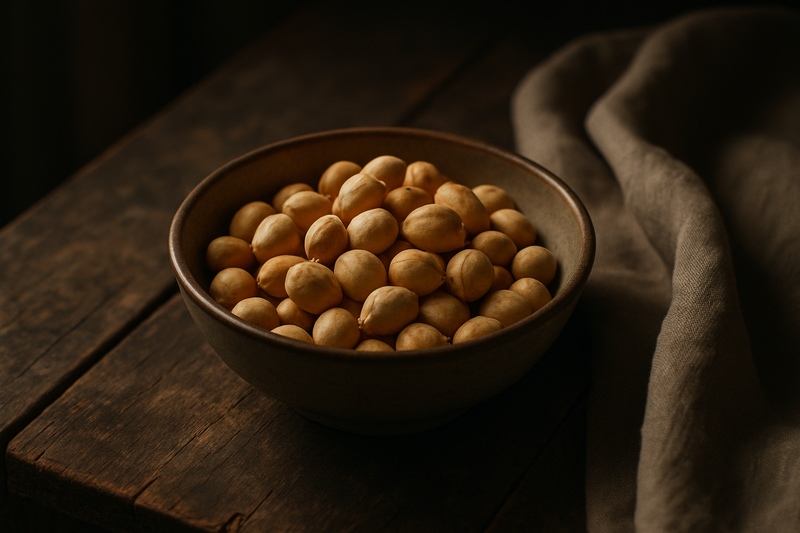
Baobab Seed Oil · Photograph
Explore the evidence behind baobab seed oil benefits, uses, and side effects — from skin hydration and vitamin E content to the important safety question of whether this African 'tree of life' oil is safe to eat. Clear, honest guidance for everyday readers.
Key Nutrients
% Daily Value based on 2,000 cal diet
Key active compounds
- Oleic acid (≈25–36%) — A monounsaturated omega-9 fat, the main fat in olive oil. Associated with heart-friendly lipid profiles in broader research.
- Linoleic acid (≈23–36%) — An essential omega-6 polyunsaturated fat your body cannot make. Plays a role in skin barrier integrity.
- Palmitic acid (≈28%) — A saturated fat that helps the oil's texture and stability.
- β-sitosterol and phytosterols — Plant sterols (plant compounds structurally similar to cholesterol) that may support healthy cholesterol absorption and have anti-inflammatory properties.
- Tocopherols (vitamin E) — Fat-soluble antioxidants that protect cell membranes and give the oil good oxidative stability (resistance to going rancid).
- Phenolic antioxidants (tyrosol, hydroxytyrosol, caffeic acid) — Polyphenols that scavenge free radicals (unstable molecules that can damage cells), and show antimicrobial activity in lab studies.
- Cyclopropenoid fatty acids (sterculic and malvalic acids, ≈4–12.8%) — Unusual fatty acids with a chemical ring structure characteristic of seeds in the mallow family (Malvaceae). These are the compounds that raise food-safety questions (see the cautions section).
Prep and pairing ideas
Topical use (most evidence-supported)
- Face serum base: Apply 2–3 drops to damp skin after cleansing and before a heavier moisturizer. Its light texture absorbs without heavy greasiness on most skin types.
- Dry scalp and ends treatment: Warm a small amount between palms and work through the last few inches of hair or onto the scalp before washing. Leave for 20–30 minutes, then shampoo out.
- Body oil: Mix with a few drops of lavender essential oil (always diluted) and apply to dry elbows, knees, or legs after showering.
Food use (very sparing, food-grade only)
Common pairings
- Drizzled over roasted root vegetables — A few drops added after cooking preserves its delicate antioxidants and adds a mild, nutty richness to carrots, sweet potato, or beets.
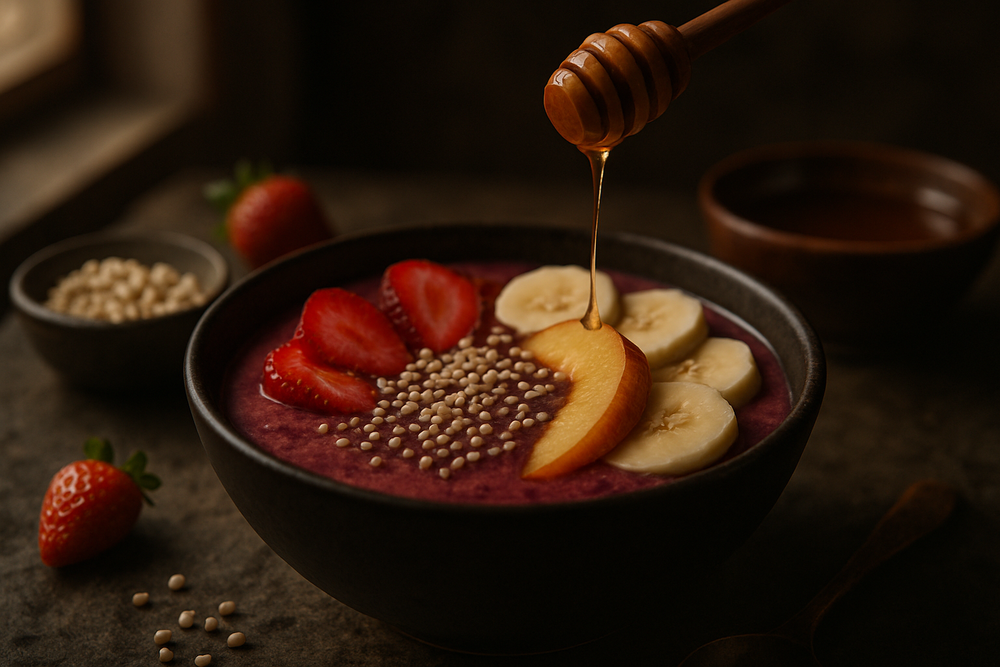
- Stirred into a smoothie bowl — Half a teaspoon blended into a thick smoothie base contributes vitamin E and healthy fats without overwhelming flavor, and pairs naturally with baobab fruit powder (a separate ingredient that adds fiber and tang).
- Whisked into a grain salad dressing — Combine a small drizzle with lemon juice, garlic, and herbs over farro or quinoa. Use it alongside a better-studied oil like olive oil to limit overall baobab seed oil intake while benefiting from the flavor and micronutrients.
Do not use it as a frying or sautéing oil. High heat degrades its antioxidants and is unnecessary given the safety uncertainties around regular consumption.
Bottom line
Baobab seed oil is a genuinely interesting oil from one of nature's most extraordinary trees. Its vitamin E content, phenolic antioxidants, and balanced fatty acid profile give it real cosmetic merit — and the "Beauty in Baobab" pilot study provides the first human evidence to back that up for skin use. For people with dry, sensitive, or barrier-compromised skin, it's a reasonable addition to a topical routine.
As a food oil, the picture is more complicated. The cyclopropenoid fatty acid content puts it outside the range recommended as a regular edible oil by food safety frameworks referencing FDA and WHO guidance. Very occasional, sparing use of food-grade refined oil is unlikely to be harmful for most healthy adults, but it should not replace well-studied culinary oils. If cardiovascular health, blood sugar, or digestive support are your goals, olive oil, flaxseed oil, and whole-food fat sources have far more human evidence behind them.
Use it on your skin with confidence. Eat it cautiously, rarely, and from a vetted food-grade source.
How Baobab Seed Oil Compares
| Compared with | What's different |
|---|---|
| Baobab Seed Oil vs. Argan Oil | Higher in saturated palmitic acid (28%), giving it a richer texture for dry skin. |
| Baobab Seed Oil vs. Olive Oil | Contains cyclopropenoid fatty acids, making it less suitable for high-heat cooking. |
| Baobab Seed Oil vs. Avocado Oil | Derived from seeds rather than fruit pulp, resulting in a lighter, non-greasy feel. |
Health Benefits
Things to Know
Cyclopropenoid fatty acid content is the key safety issue.: Analyses find 4–12.8% cyclopropenoid fatty acids in baobab seed oil — well above the ~0.4% level referenced as acceptable for edible oils by FDA and WHO guidance. Animal studies link these compounds to adverse liver and carcinogenic effects. This does not mean a drizzle will harm you, but it argues strongly against using baobab seed oil as a primary cooking or salad oil.
Topical use is generally well tolerated.: The pilot human study and cosmetic literature report no significant adverse reactions. Patch-test on your inner arm before applying to face if you have sensitive or compromised skin.
Pregnancy and breastfeeding: No safety data exist for oral use during pregnancy or breastfeeding. Topical use on intact skin in small amounts is unlikely to pose systemic risk, but consult your midwife or doctor.
Children: Oral use is not recommended due to the cyclopropenoid fatty acid safety gap and absence of pediatric studies.
Warfarin and anticoagulants: The oil contains vitamin K. Regular oral consumption — even in small amounts — could theoretically affect the anticoagulant control of medications like warfarin. If you take a blood thinner, speak to your prescriber before adding this oil to your diet.
Malvaceae family allergy: If you have known allergies to seeds or plants in the mallow family (hibiscus, cottonseed, okra), approach with caution and consult an allergist.
Topical medications: No direct drug interactions are documented for topical use, but emollient oils can alter skin absorption of other topical agents (retinoids, acids, corticosteroids). Apply baobab oil separately from prescription topicals or ask your dermatologist.
Liver disease: Given the experimental data on cyclopropenoid fatty acids and liver toxicity, people with liver conditions should avoid oral use.
Best Forms
The most widely available form. Look for "100% pure baobab seed oil" on the label, cold-pressed or expeller-pressed, with no added fragrance or mineral oils. Ideal for face, body, and hair. Color should be pale yellow to golden; a rancid or sharp smell suggests oxidation.
If you plan to eat it, this is the only type to consider. The label must say "food-grade" and ideally specify that it is refined. Refining processes can reduce cyclopropenoid fatty acid content, though independent third-party testing for this is rare — contact the supplier if uncertain. Use as a drizzle over finished dishes, never for high-heat cooking (it has a relatively low smoke point and its delicate antioxidants degrade under heat).
Many skincare products contain baobab seed oil as one of several oils. These are convenient but you get less control over concentration. Check that baobab oil appears near the top of the ingredient list (INCI name: Adansonia digitata seed oil) rather than as a trace ingredient added for marketing.
Raw, unrefined, or cosmetic-grade baobab seed oil. These have not been evaluated for safe ingestion and may contain cyclopropenoid fatty acid levels that exceed food-safety guidance.
Prep Ideas
- — Face serum base: Apply 2–3 drops to damp skin after cleansing and before a heavier moisturizer. Its light texture absorbs without heavy greasiness on most skin types.
- — Dry scalp and ends treatment: Warm a small amount between palms and work through the last few inches of hair or onto the scalp before washing. Leave for 20–30 minutes, then shampoo out.
- — Body oil: Mix with a few drops of lavender essential oil (always diluted) and apply to dry elbows, knees, or legs after showering.
- — Drizzled over roasted root vegetables — A few drops added after cooking preserves its delicate antioxidants and adds a mild, nutty richness to carrots, sweet potato, or beets.
- — Stirred into a smoothie bowl — Half a teaspoon blended into a thick smoothie base contributes vitamin E and healthy fats without overwhelming flavor, and pairs naturally with baobab fruit powder (a separate ingredient that adds fiber and tang).
- — Whisked into a grain salad dressing — Combine a small drizzle with lemon juice, garlic, and herbs over farro or quinoa. Use it alongside a better-studied oil like olive oil to limit overall baobab seed oil intake while benefiting from the flavor and micronutrients.
Glossary
Shop This Ingredient
Stock your pantry with quality baobab seed oil.
Buy on AmazonAs an Amazon Associate, Plantopedia earns from qualifying purchases. This costs you nothing extra and helps us keep the encyclopedia free.
Frequently Asked Questions
Heart and circulation The oil's fatty acid profile — roughly one-third oleic acid plus substantial linoleic acid — looks similar in theory to oils associated with better cholesterol metabolism. It also contains β-sitosterol, a phytosterol that research in other contexts links to reduced LDL ("bad") cholesterol absorption. However, no human clinical trials have tested baobab seed oil specifically for cardiovascular outcomes like blood pressure, triglycerides, or LDL levels. Any heart-health narrative is extrapolated from general fat science, not baobab-specific data. Until those trials exist, well-studied oils like extra-virgin olive oil are the stronger choice for heart support. Digestive health and microbiome This is where it's important to distinguish the oil from the fruit pulp. Baobab fruit pulp is rich in prebiotic fiber (fiber that feeds beneficial gut bacteria) and has real digestive research behind it. The seed oil contains essentially zero fiber and has no dedicated digestive trials. It may serve as a general fat source, but claiming digestive benefits for the oil specifically would be inaccurate. Blood sugar and metabolism Unsaturated fats like oleic and linoleic acid can influence insulin sensitivity and glucose metabolism when they replace saturated fats in the diet — but that's general nutrition science, not a baobab finding. No studies have measured fasting glucose, HbA1c (a three-month average blood sugar marker), or postprandial (after-meal) glycemia after people consumed baobab seed oil. Evidence here is extrapolated and weak. Inflammation and recovery The oil's phenolic compounds and tocopherols show antioxidant and anti-inflammatory effects in lab (in vitro) settings. The strongest human signal comes from the skin: a small pilot study on topical baobab seed oil found it reduced markers of skin inflammation and improved barrier function. Translating this to systemic (whole-body) anti-inflammatory effects when eaten is a stretch the current evidence doesn't support. Skin hydration, barrier function, and hair care This is baobab seed oil's best-supported area. A pilot human study published in the Brazilian Journal of Pharmacognosy ("Beauty in Baobab") found that a topical Adansonia digitata seed oil formulation was well tolerated and significantly improved skin hydration and barrier function in participants. Cosmetic science explains why: linoleic acid is a key building block of the skin's protective ceramide layer (a group of lipids that lock moisture in), and vitamin E helps neutralize oxidative damage from UV exposure and pollution. Applied to hair, the oil functions as an emollient (a substance that softens and seals), reducing moisture loss and protecting against environmental damage. This is the use case with the clearest evidence behind it.
Buying guide When choosing baobab seed oil, form and labeling make a real difference: Cosmetic-grade cold-pressed oil — The most widely available form. Look for "100% pure baobab seed oil" on the label, cold-pressed or expeller-pressed, with no added fragrance or mineral oils. Ideal for face, body, and hair. Color should be pale yellow to golden; a rancid or sharp smell suggests oxidation. Food-grade refined finishing oil — If you plan to eat it, this is the only type to consider. The label must say "food-grade" and ideally specify that it is refined. Refining processes can reduce cyclopropenoid fatty acid content, though independent third-party testing for this is rare — contact the supplier if uncertain. Use as a drizzle over finished dishes, never for high-heat cooking (it has a relatively low smoke point and its delicate antioxidants degrade under heat). Cosmetic blends and serums — Many skincare products contain baobab seed oil as one of several oils. These are convenient but you get less control over concentration. Check that baobab oil appears near the top of the ingredient list (INCI name: Adansonia digitata seed oil) rather than as a trace ingredient added for marketing. Avoid for oral use: Raw, unrefined, or cosmetic-grade baobab seed oil. These have not been evaluated for safe ingestion and may contain cyclopropenoid fatty acid levels that exceed food-safety guidance.
There is no established oral dosage for baobab seed oil. Because of the cyclopropenoid fatty acid concern, there is no safe upper limit that has been formally validated in human feeding trials. Practical guidance if you choose to eat it: Treat it as a finishing accent, not a dietary staple. A drizzle — approximately ¼ to ½ teaspoon — over a finished dish is a reasonable occasional amount. Use food-grade, refined products only. Do not consume it daily as you might olive oil or flaxseed oil. Consider it in the same spirit as other specialty finishing oils (truffle oil, pumpkin seed oil) — a flavour and nutrition accent rather than a foundational fat source. For topical use: There is no upper limit. Apply as needed for skin or hair. Most people find 2–5 drops for the face and up to a teaspoon for body or hair adequate per application. If you're unsure whether regular oral use is appropriate for you, a registered dietitian or your GP can help you weigh the options against your overall dietary fat intake and health goals.
Quick Answers
Common questions, answered in a line.
Baobab seed oil is rich in oleic, linoleic, and palmitic acids, as well as vitamin E and phenolic antioxidants like tyrosol and caffeic acid. It also contains phytosterols and cyclopropenoid fatty acids, which are unique compounds characteristic of the mallow plant family.
You can use baobab seed oil as a face serum, a body oil for dry skin, or a treatment for a dry scalp and hair ends. It is best applied to damp skin or worked through the ends of the hair for 20–30 minutes before washing to improve hydration and barrier integrity.
Baobab seed oil is generally considered safe for topical use, but its safety as a food oil is debated due to high levels of cyclopropenoid fatty acids. These compounds exceed levels recommended by the FDA and WHO, so oral consumption should be very sparing and rare.
People with liver disease, those taking blood thinners like warfarin, and individuals with allergies to the Malvaceae family (like okra or hibiscus) should avoid baobab seed oil. It is also not recommended for oral use by children or pregnant and breastfeeding women.
Baobab seed oil should not be used for frying or sautéing because high heat degrades its delicate antioxidants. Additionally, heating the oil is unnecessary given the safety uncertainties regarding the regular consumption of its cyclopropenoid fatty acids.
Baobab seed oil can be drizzled over roasted root vegetables, stirred into smoothie bowls, or whisked into grain salad dressings. It is recommended to use it alongside better-studied oils like olive oil to limit overall intake while still benefiting from its nutty flavor.
For Readers in the USA
Local context — sourcing, seasonality, and regional notes.
In the United States, baobab seed oil is primarily sold in health food stores like Whole Foods Market, specialty apothecary shops, and through major online retailers like Amazon. You can often find it in the "natural beauty" or "essential oils" section rather than the grocery aisle.
The FDA has not officially granted baobab seed oil "Generally Recognized as Safe" (GRAS) status for food use, though it is widely permitted as a cosmetic ingredient. Because of this, most baobab oil sold in the US is labeled for topical use only; always look for "food grade" labeling if planning to ingest it.
While the baobab tree is native to Africa, it can be grown in the warmest parts of the US, specifically USDA Hardiness Zones 10 through 12, such as Southern Florida, Hawaii, and parts of Southern California. However, domestic oil production is rare, and most oil sold in the US is imported.
AI Clinical Review
- Separates cosmetic from culinary use clearly: the strongest human data support topical benefits (skin hydration/barrier), while oral benefits remain untested in trials.
- Accurately distinguishes baobab seed oil from baobab fruit pulp: the oil has fats and vitamin E but essentially no fiber or gut “prebiotic” effect.
- Explains the key nutrients (oleic/linoleic acids, tocopherols, phytosterols) without overpromising heart or metabolic outcomes.
- Sensible form guidance: use cosmetic-grade for skin/hair, and only food‑grade refined oil in very small culinary amounts; avoid high‑heat cooking.
- No human clinical trials assess oral intake for cholesterol, blood sugar, inflammation, or clinical endpoints; current health claims are extrapolated from general fat science.
- Cyclopropenoid fatty acids (CPFAs—unusual seed fats) are flagged appropriately, but real‑world levels vary by source and refining method; independent verification is limited.
- Antioxidant/antimicrobial findings largely come from in‑vitro (lab) work; translation to meaningful human outcomes is uncertain.
- Comparative advantage versus well‑studied culinary oils (e.g., extra‑virgin olive oil, argan oil) has not been demonstrated in head‑to‑head human studies.
- If eating it at all, keep to very small, occasional finishing amounts (about 1/4–1/2 teaspoon) and choose food‑grade refined products only; do not use for frying or daily intake.
- Extra caution for pregnancy or breastfeeding, children, people with liver disease, and those on anticoagulants (e.g., warfarin) due to vitamin K and CPFA concerns—check with your clinician first.
- Possible plant‑family allergy (Malvaceae: e.g., hibiscus, okra); for sensitive skin, patch‑test before facial use.
- Topical use can be layered with other actives, but apply separately to avoid altering absorption; typical amounts are 2–3 drops for the face and up to a teaspoon for body or hair.
Mostly used cosmetically; ensure food-grade for eating.
References
- USDA FoodData Central — general reference for oil composition and nutrient values (fdc.nal.usda.gov)
- "Beauty in Baobab" — pilot human study on topical safety and skin efficacy of Adansonia digitata seed oil (link.springer.com)
- Physicochemical and antioxidant properties of baobab seed — Oxford/IJFST peer-reviewed analysis including cyclopropenoid fatty acid safety data (academic.oup.com)
- Chemical composition and nutritionally valuable components of baobab seed oil — IFRJ compositional study (ifrj.upm.edu.my%202017%20supplementary/(28)%20R1.pdf)
- Phytosterol content and taxonomy of baobab seed oil — Wiley/Chemistry & Biodiversity (onlinelibrary.wiley.com)
- In vitro antioxidant, antimicrobial, and phytochemical properties of baobab — PMC/NIH peer-reviewed article (pmc.ncbi.nlm.nih.gov)
- Metabolomics of baobab oil and cyclopropenoid fatty acid authentication by NMR (sci-hub.se)
- Extraction and characterization of baobab seed oil — Iris Publishers (irispublishers.com)
- Physico-chemical characteristics and oil content variability of baobab seed — Food Science Journal (foodsciencejournal.com)
- Baobab oil uses and benefits overview — Healthline (consumer health summary) (healthline.com)
Know Your Numbers
Eating healthy is a start. Now get to know your biomarkers.
Food changes bloodwork — inflammation, lipids, blood sugar and nutrient status all respond to what you eat. 59 markers from $59.
- Results in 7–10 days at 2,000+ Quest sites
- Licensed provider reviews every result
- One flat price, no membership, HSA/FSA eligible
Educational information only, not medical advice. Panels are ordered and reviewed through our licensed partner; Plantopedia may earn a commission.