Wheat Germ Oil — health benefits and uses
Traditionally taken as a tonic for vitality and skin.
The Short Answer
Wheat germ oil is the most concentrated natural food source of Vitamin E, providing 18 mg (alpha-tocopherol) per tablespoon. It is used as a cold finishing oil to support antioxidant intake and heart health.
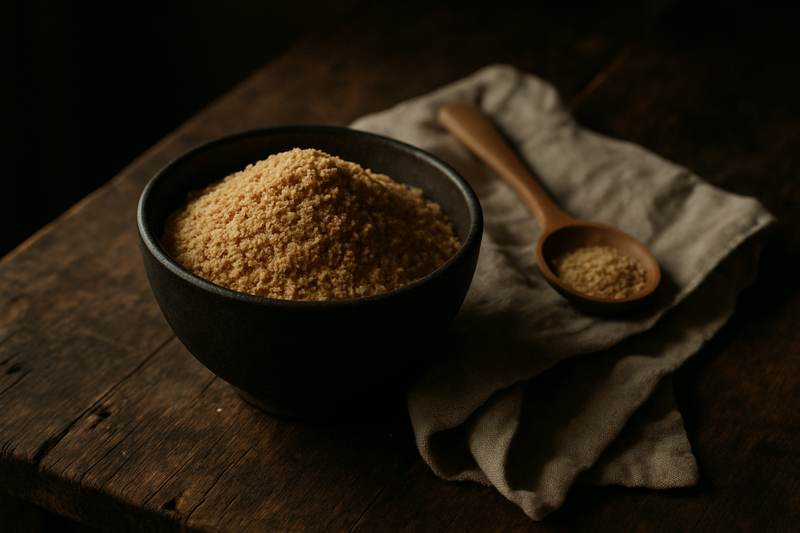
Wheat Germ Oil · Photograph
Discover wheat germ oil benefits and vitamin E content, how to use it as a cold supplement drizzle, what the research says about heart health and antioxidant support, safe daily amounts, gluten concerns, and how to store it properly.
Key Nutrients
% Daily Value based on 2,000 cal diet
Key active compounds
- Alpha-tocopherol (vitamin E) — the dominant form of vitamin E in wheat germ oil; protects lipids and cell membranes from oxidative damage.
- Tocotrienols — lesser-known members of the vitamin E family, also present in small amounts; emerging research suggests they have distinct antioxidant and cholesterol-related properties.
- Linoleic acid (omega-6) — the most abundant fatty acid in wheat germ oil; an essential polyunsaturated fat that supports cell membrane structure and, when it replaces saturated fat in the diet, may improve LDL cholesterol.
- Alpha-linolenic acid (omega-3) — the plant form of omega-3 fatty acid; supports eicosanoid balance (chemical messengers that regulate inflammation and blood clotting).
- Phytosterols — plant compounds structurally similar to cholesterol; they compete with dietary cholesterol for absorption in the gut, which can modestly lower LDL levels.
- Policosanols — long-chain fatty alcohols found in plant waxes; included in human lipid studies with wheat germ oil and linked to potential vascular benefits.
- Carotenoids — pigmented antioxidant compounds present in unrefined oil; may work synergistically with tocopherols to protect tissues.
Prep and pairing ideas
Wheat germ oil is a finishing oil, not a cooking oil. Think of it the way you'd use a high-quality extra-virgin olive oil or flaxseed oil — something you add after the heat is off.
3 practical pairings:
- Wheat germ oil + plain yogurt + berries. A teaspoon stirred into a small bowl of yogurt creates a creamy texture and adds the oil's vitamin E to a meal already rich in protein and probiotics. The fat in the oil helps your body absorb the fat-soluble carotenoids in the berries more efficiently.
- Wheat germ oil + oatmeal. Drizzle half a teaspoon over warm (not boiling) oatmeal just before eating. The nutty flavor complements the grain, and the vitamin E pairs naturally with the phytosterols and beta-glucan fiber already in oats for a genuinely heart-supportive breakfast.
- Wheat germ oil + green salad with leafy greens. Mixing wheat germ oil into a simple vinaigrette with lemon and a little Dijon adds its polyunsaturated fats to a meal rich in fat-soluble vitamins (A, K) from the greens, improving the absorption of all of them at once. Combine with walnuts or flaxseeds for a combined omega-3 boost.
Bottom line
Wheat germ oil is one of the most concentrated natural sources of vitamin E available in any food or oil. One teaspoon to one tablespoon daily as a cold drizzle can meaningfully contribute to meeting your vitamin E needs, support antioxidant defenses, and — based on early human research — may offer modest benefits for blood lipid profiles. It is not a miracle oil and it is not a treatment for any condition. Its cold-pressing, heat sensitivity, and potential trace gluten content are real practical considerations. Used thoughtfully — stored properly, dosed conservatively, and kept well away from the stove — it's a genuinely useful tool in a food-as-medicine approach to eating.
Exploring ways to support heart health or antioxidant intake through food? Browse the Plantopedia goals library to find ingredient guides organized around specific health intentions.
How Wheat Germ Oil Compares
| Compared with | What's different |
|---|---|
| Wheat Germ Oil vs. Wheat Germ Oil vs. Flaxseed Oil | Wheat germ oil contains significantly more Vitamin E (18mg per tbsp) and has a nuttier flavor. |
| Wheat Germ Oil vs. Wheat Germ Oil vs. Olive Oil | Wheat germ oil has a much lower smoke point and is used only as a finishing oil, never for frying. |
Health Benefits
Things to Know
Never cook with it.: Heat degrades vitamin E and oxidizes polyunsaturated fats, creating potentially harmful byproducts. Use it only as a cold finish oil or supplement drizzle.
Refrigerate after opening.: Store in a dark, airtight bottle in the refrigerator. Use within 3–6 months of opening.
Gluten risk.: Wheat germ oil is derived from wheat. Pure, refined oil is unlikely to contain significant gluten protein, but cold-pressed or minimally processed versions may carry trace contamination. People with celiac disease or a diagnosed wheat allergy should seek certified gluten-free formulations and check with their clinician.
High calorie density.: At 120 calories per tablespoon of pure fat, it adds up quickly. Stick to 1–2 teaspoons (5–10 g) as a supplement drizzle unless intentionally increasing dietary fat.
Vitamin E stacking.: If you already take a multivitamin or separate vitamin E supplement, adding wheat germ oil can push your total intake very high. The tolerable upper intake level for vitamin E is 1,000 mg per day for adults, but lower doses can interact with certain medications.
Anticoagulants and antiplatelet drugs: (such as warfarin, aspirin, clopidogrel): high cumulative vitamin E from multiple sources may increase bleeding risk. Discuss with your prescriber before regular use.
Chemotherapy patients: High-dose antioxidants including vitamin E may theoretically interfere with pro-oxidant cancer treatment mechanisms. Check with your oncologist.
Fat malabsorption disorders: (e.g., Crohn's, cystic fibrosis): the fat-soluble vitamin E in this oil requires adequate fat absorption to be used by the body. Use under medical guidance only.
Pregnancy and breastfeeding: food-level amounts are likely safe, but high-dose supplementation is not well studied in pregnancy. Check with your midwife or OB.

Prep Ideas
- — **Wheat germ oil + plain yogurt + berries.** A teaspoon stirred into a small bowl of yogurt creates a creamy texture and adds the oil's vitamin E to a meal already rich in protein and probiotics. The fat in the oil helps your body absorb the fat-soluble carotenoids in the berries more efficiently.
- — **Wheat germ oil + oatmeal.** Drizzle half a teaspoon over warm (not boiling) oatmeal just before eating. The nutty flavor complements the grain, and the vitamin E pairs naturally with the phytosterols and beta-glucan fiber already in oats for a genuinely heart-supportive breakfast.
- — **Wheat germ oil + green salad with leafy greens.** Mixing wheat germ oil into a simple vinaigrette with lemon and a little Dijon adds its polyunsaturated fats to a meal rich in fat-soluble vitamins (A, K) from the greens, improving the absorption of all of them at once. Combine with walnuts or flaxseeds for a combined omega-3 boost.
Shop This Ingredient
Stock your pantry with quality wheat germ oil.
Buy on AmazonAs an Amazon Associate, Plantopedia earns from qualifying purchases. This costs you nothing extra and helps us keep the encyclopedia free.
Frequently Asked Questions
Heart and circulation The most promising human evidence for wheat germ oil for heart health and cholesterol comes from a dietary intervention study in which adults consumed wheat germ oil and wheat germ flour daily. Participants showed reductions in total cholesterol of roughly 6–8%, triglycerides by 12–24%, and LDL cholesterol by 4–21%, alongside increases in HDL ("good") cholesterol of 3–24%. These are meaningful short-term shifts in lipid profiles (the overall pattern of fats in your blood). The likely drivers are the combination of polyunsaturated fatty acids (which can replace saturated fat in cell membranes), phytosterols (which block some cholesterol absorption in the gut), policosanols (which may influence how the liver processes cholesterol), and vitamin E's anti-oxidative effect on LDL particles. Oxidized LDL is considered more damaging to artery walls than regular LDL. That said, there are no large, long-term randomized controlled trials measuring whether wheat germ oil reduces actual cardiovascular events like heart attacks or strokes. Current evidence is promising but limited. Digestive health and microbiome Wheat germ oil is a pure fat, so it contributes nothing in terms of fiber or prebiotic compounds for the microbiome (the community of bacteria in your gut). However, the essential fatty acids it provides do influence gut cell membrane integrity, and there is mechanistic evidence that vitamin E and polyunsaturated fats can modulate the inflammatory environment in the intestinal lining. Direct clinical evidence linking wheat germ oil specifically to digestive health outcomes is very limited, and this is not one of its primary evidence-based applications. Blood sugar and metabolism No dedicated human trials have tested wheat germ oil directly on fasting blood glucose, insulin sensitivity, or HbA1c (a three-month blood sugar average). The improvements in blood lipids seen in the lipid study may indirectly benefit cardiometabolic risk overall, but it would be a stretch to say wheat germ oil "supports blood sugar control" based on current evidence. Any such benefit would likely come from the general action of replacing saturated fat with polyunsaturated fat, which is well supported in nutrition research broadly. Inflammation and recovery Wheat germ oil antioxidant and inflammation support is biologically plausible: vitamin E is one of the most studied dietary antioxidants, and alpha-linolenic acid (the omega-3 in the oil) is a precursor to anti-inflammatory signaling molecules. Preclinical (laboratory and animal) research shows that wheat germ oil's tocopherols and essential fatty acids can reduce markers of oxidative stress and modulate inflammatory pathways. Human clinical trials specifically measuring C-reactive protein or other inflammatory markers with wheat germ oil are sparse, however, so this area remains promising but not yet well proven in people. Skin health (topical and oral) Wheat germ oil for skin health is one of its most popular uses, both applied directly to skin and taken orally. Vitamin E has a long history of use in skin care for its ability to protect lipid-rich cell membranes in the skin barrier from oxidative damage, and wheat germ oil is one of the richest topical carriers for it. Oral vitamin E may support skin photoprotection (reducing UV-related damage) and hydration from within. However, controlled clinical trials specifically assessing skin outcomes with wheat germ oil — rather than isolated vitamin E — are not well established. This use is widely practiced and experientially supported, but the evidence base is less formal.
When it comes to how to use wheat germ oil as a supplement, form matters a great deal. Cold-pressed liquid oil is the minimally processed form and retains the full spectrum of tocopherols, tocotrienols, phytosterols, policosanols, and essential fatty acids. The trade-off is that it oxidizes quickly once opened. Color should be golden-amber; a rancid smell (sharp, crayon-like) means the oil has turned and should be discarded. Softgel capsules are convenient and shelf-stable because the oil is protected from air. Some products combine wheat germ oil with additional isolated vitamin E (d-alpha tocopherol). Capsules are a practical option if you want vitamin E support without the taste or the fridge logistics. However, you lose some of the minor phytochemicals that may contribute to the whole-oil effects. Fortified foods (products with added wheat germ flour or oil) have been used in clinical settings but are not widely available as consumer products. They deliver the oil in a food matrix, which may affect absorption but also adds calories and food volume. Topical use is separate from dietary supplementation. Wheat germ oil is a legitimate emollient (skin-softening agent) for dry skin, cuticles, and hair ends, but expect cosmetic rather than medical outcomes. It is thick and can feel heavy — many people blend it with a lighter carrier oil. The bottom line: for the best whole-compound profile, cold-pressed liquid oil used cold is ideal. For convenience and oxidation control, softgels work well.
The person who struggles to meet vitamin E needs through food alone Eats a low-fat or fat-restricted diet, which often results in suboptimal fat-soluble vitamin intake. Doesn't regularly eat nuts, seeds, or sunflower oil — the main food sources of vitamin E. Looking for a whole-food-derived option rather than a synthetic supplement. The person focused on heart health through dietary fats Already following a Mediterranean-style or plant-forward eating pattern and wants to maximize the unsaturated fat quality of their oil use. Has borderline high LDL or triglycerides and is interested in evidence-supported dietary additions alongside medical advice. Prefers a multi-compound food approach (vitamin E + phytosterols + policosanols) over single-nutrient supplements.
A common supplemental intake is 1–2 teaspoons (5–10 g) per day, used as a cold drizzle. At 1 teaspoon, you get approximately 9–10 mg of vitamin E — close to the adult daily requirement of 15 mg. At 1 tablespoon (14 g), you exceed the daily requirement at roughly 18 mg. For most people who eat a varied diet, 1 teaspoon to 1 tablespoon per day is a reasonable range. Start low. If you're new to wheat germ oil or to using food oils as supplements, begin with half a teaspoon daily for the first week to check for any digestive sensitivity. Some people find that adding concentrated fats abruptly causes loose stools or nausea. Upper boundary to keep in mind: The tolerable upper intake level for vitamin E is 1,000 mg/day, so food-level amounts of wheat germ oil are far below any toxicity threshold. The more practical concern is total calorie and fat intake. One tablespoon contributes 120 calories — in a 2,000-calorie diet, that's 6% of daily energy from a single drizzle. Use intentionally and account for it within your overall fat intake. There is no single universally established "therapeutic dose" for wheat germ oil as a supplement. The human lipid study referenced in this guide used wheat germ oil as part of a broader dietary pattern rather than as an isolated dose, so translating that to a precise daily amount is difficult.
Quick Answers
Common questions, answered in a line.
You should never cook with wheat germ oil because heat degrades its high vitamin E content and oxidizes its delicate polyunsaturated fats. Instead, use it exclusively as a cold finishing oil or supplement drizzle added to food after the heat is off.
Wheat germ oil is one of the most concentrated natural food sources of vitamin E, specifically in the form of alpha-tocopherol. It also contains smaller amounts of tocotrienols, which are other members of the vitamin E family with distinct antioxidant properties.
Wheat germ oil may support heart health by providing phytosterols and policosanols that compete with cholesterol absorption to modestly lower LDL levels. Additionally, its omega-3 and omega-6 fatty acids help support cell membrane structure and regulate inflammation.
Once opened, wheat germ oil should be stored in a dark, airtight bottle inside the refrigerator to prevent oxidation. For the best quality and potency, you should use the oil within three to six months of opening the container.
While highly refined wheat germ oil is unlikely to contain significant gluten, cold-pressed or minimally processed versions may carry trace contamination. Individuals with celiac disease or a wheat allergy should look for certified gluten-free labels and consult a clinician.
Wheat germ oil can increase the risk of bleeding if taken alongside anticoagulant or antiplatelet medications like warfarin or aspirin. It may also interfere with certain chemotherapy treatments or require medical supervision for those with fat malabsorption disorders.
Wheat germ oil pairs well with cold or room-temperature foods like yogurt, oatmeal, and green salads. Drizzling it over these items can improve the absorption of fat-soluble vitamins, such as vitamins A and K found in leafy greens or carotenoids in berries.
For Readers in the USA
Local context — sourcing, seasonality, and regional notes.
You can find wheat germ oil at major US health food retailers like Whole Foods Market and Sprouts Farmers Market, or in the supplement aisle of larger chains like Kroger and Wegmans. It is also widely available through online domestic retailers like Vitacost, iHerb, and Amazon for convenient home delivery.
In the US, look for the USDA Organic seal to ensure the wheat was grown without synthetic pesticides and the oil was extracted without chemical solvents like hexane. While many conventional brands are high quality, the organic label provides third-party verification of these production standards.
While wheat is grown year-round across the US, most domestic wheat germ oil is produced from hard red winter wheat harvested in the late spring and summer. States like Kansas, North Dakota, and Montana are primary hubs for the wheat milling and oil extraction industry.
AI Clinical Review
- Wheat germ oil is portrayed accurately as one of the richest natural sources of vitamin E (alpha‑tocopherol), with realistic serving estimates (about 9–18 mg per 1–2 teaspoons).
- Strong, practical guidance to use it only cold and to protect it from heat, light, and air aligns with how polyunsaturated oils and vitamin E behave.
- Heart‑health discussion is balanced: it highlights plausible mechanisms (unsaturated fats, phytosterols, antioxidant protection of LDL—“bad” cholesterol) and cites early human data without overclaiming.
- Useful, food‑first ideas for small daily amounts and clear storage cues (refrigeration, rancid smell) make the advice easy to follow.
- Lipid‑profile improvements come from small, short‑term studies (often using wheat germ oil plus wheat germ flour); there are no long‑term trials showing fewer heart attacks or strokes.
- Skin benefits (topical or oral) are biologically plausible and widely practiced, but controlled trials using wheat germ oil specifically are limited; much of the support is extrapolated from vitamin E research.
- Anti‑inflammatory, microbiome, and blood‑sugar effects are mostly mechanistic or preclinical; human data specific to wheat germ oil remain sparse.
- Distinct roles of tocotrienols and policosanols from wheat germ oil in humans are not firmly established.
- Typical supplemental use: 1–2 teaspoons daily as a cold drizzle; start low if you’re sensitive to added fats. Remember the calorie density (≈120 kcal per tablespoon).
- Form matters: liquid cold‑pressed oil offers the broadest compound profile but oxidizes faster; softgels are convenient and more stable but may contain fewer minor phytochemicals.
- If you have celiac disease or a wheat allergy, choose certified gluten‑free products and verify with your clinician due to possible trace contamination.
- Check with a clinician if you use anticoagulants or antiplatelet drugs, are undergoing chemotherapy, or have fat‑malabsorption conditions; in pregnancy or breastfeeding, stick to food‑level amounts unless otherwise advised.
Very heat-sensitive, never cook with it; refrigerate. Contains gluten traces.
References
- USDA FoodData Central — wheat germ oil (ID 171014): full nutrient profile including vitamin E, fatty acid breakdown, and micronutrients (fdc.nal.usda.gov)
- Human lipid intervention study (PubMed, 2018): adults consuming wheat germ oil and flour showed 6–8% reduction in total cholesterol and 12–24% reduction in triglycerides (pubmed.ncbi.nlm.nih.gov)
- Wheat germ oil cytoprotective and health-promoting properties review (PMC, 2022): covers tocopherol content, antioxidant mechanisms, and liver-protective effects in experimental models (pmc.ncbi.nlm.nih.gov)
- University of Rochester Medical Center — wheat germ oil nutrition facts: overview of nutrient content and basic health context (urmc.rochester.edu)
- Wikipedia — wheat germ oil: history, composition, fatty acid profile, and industrial uses (en.wikipedia.org)
- CSS health magazine — wheat germ oil vitamin E overview: practical summary of vitamin E content and supplemental uses (css.ch)
- Refine Healthy — why wheat germ oil is the richest source of vitamin E: comparative analysis of vitamin E concentrations across common oils (refinehealthy.com)
- FoodStruct — wheat germ oil detailed macro and micro breakdown: cross-referenced nutrition values (foodstruct.com)
- Standard Process — wheat germ oil fortified product facts: illustrates how wheat germ oil is used in commercial supplement formulations alongside vitamin E (standardprocess.com)
Know Your Numbers
Eating healthy is a start. Now get to know your biomarkers.
Food changes bloodwork — inflammation, lipids, blood sugar and nutrient status all respond to what you eat. 59 markers from $59.
- Results in 7–10 days at 2,000+ Quest sites
- Licensed provider reviews every result
- One flat price, no membership, HSA/FSA eligible
Educational information only, not medical advice. Panels are ordered and reviewed through our licensed partner; Plantopedia may earn a commission.