Seed Crackers — health benefits and uses
Healthy fats, minerals, and texture; small-amount high-leverage add-in
The Short Answer
Seed crackers are nutrient-dense snacks made from whole seeds like flax, chia, and sunflower, providing 8g of fiber and 150mg of magnesium per serving. They are naturally gluten-free and rich in heart-healthy omega-3 fatty acids.

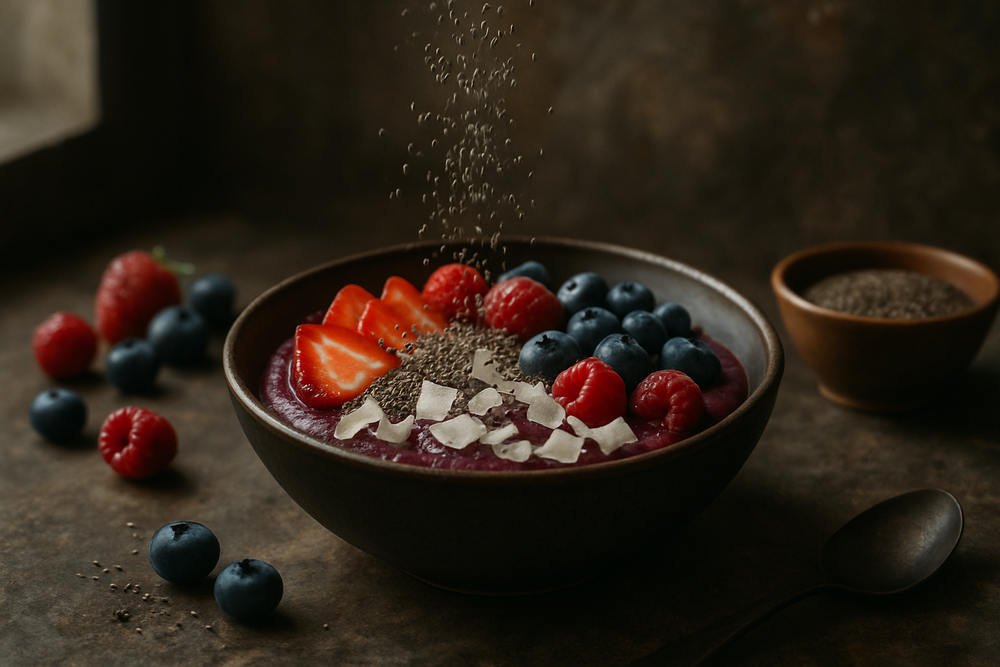
Seed Crackers · Photograph
Seed crackers are baked, minimally processed snacks built almost entirely from whole or ground seeds — think flax (Linum usitatissimum), chia (Salvia hispanica), sunflower, pumpkin, sesame, and hemp — held together with water, psyllium husk, or a small amount of legume flour, then seasoned and crisped in the oven. Unlike refined wheat crackers, they deliver a genuinely dense package of healthy unsaturated fats, plant protein, dietary fiber, and hard-to-get minerals in every bite.
Key Nutrients
% Daily Value based on 2,000 cal diet
Key active compounds (phytochemicals)
- Lignans — Polyphenolic compounds (plant-based chemicals with antioxidant and weak hormone-like activity) found abundantly in flax and sesame seeds. Converted by gut bacteria into enterolignans, which may influence estrogen metabolism and support cardiovascular health.
- Phytosterols — Plant-derived sterols structurally similar to cholesterol. They compete with dietary cholesterol for absorption in the gut, which can modestly support healthy blood lipid levels.
- Phenolic acids and flavonoids — Antioxidant and anti-inflammatory plant compounds found in seed coats. Linked to reduced oxidative stress and long-term cardiometabolic protection.
- Alpha-linolenic acid (ALA) — An essential omega-3 fatty acid (a type of healthy fat your body cannot make on its own) concentrated in flax and chia. Serves as a starting material for longer-chain omega-3s and supports heart and vascular function.
- Tocopherols (Vitamin E family) — Fat-soluble antioxidants especially abundant in sunflower and sesame seeds. Protect cell membranes and circulating fats from damage caused by free radicals (unstable molecules that can harm cells).
Prep and pairing ideas
Seed crackers are a canvas, not just a vehicle. Here are three pairings that work both nutritionally and in practice:
1. Seed crackers + hummus + sliced cucumber The legume protein and fiber in hummus complements the seed protein; cucumber adds water and vitamin K. This trio stabilizes blood sugar better than crackers alone and makes a satisfying mid-afternoon snack.
2. Seed crackers + avocado + lemon juice Avocado's monounsaturated fats stack with the polyunsaturated fats from seeds to create a heart-healthy fat profile. Lemon juice adds vitamin C, which also helps with non-heme iron absorption from the seeds.
3. Seed crackers + white bean dip + roasted red pepper Beans boost the protein and lysine content (an amino acid that seeds are lower in), rounding out the amino acid profile. Roasted red pepper adds vitamin C and carotenoids (antioxidant plant pigments).
Basic homemade prep tip: Mix 1 cup of mixed seeds (flax meal, chia, sunflower, pumpkin, sesame) with ½ cup water, a pinch of salt, and any dried herbs. Spread thinly on parchment paper and bake at 325°F (160°C) for 30–40 minutes until fully crisp. Let cool completely before storing in an airtight container — moisture makes them soft.
How Seed Crackers Compares
| Compared with | What's different |
|---|---|
| Seed Crackers vs. Wheat Crackers | Made with refined flour, higher in carbohydrates and significantly lower in fiber and minerals. |
| Seed Crackers vs. Seed Crackers | Thicker, nuttier, and higher in magnesium and vitamin E, but usually lower in simple starches. |
Health Benefits
Things to Know
Allergy risk: Sesame is a top-9 allergen in the US. Sunflower, pumpkin, flax, chia, and hemp can also trigger reactions in sensitive individuals. Check every label, even for products you have used before, as manufacturers change recipes.
Gluten: Most seed-only crackers are naturally gluten-free, but shared facility cross-contamination is common. If you have celiac disease, look for certified gluten-free labeling.
GI tolerance: Introduce seed crackers gradually if you are not used to high-fiber foods. Large portions can cause bloating, gas, or loose stools — especially with flax and chia. Drink extra water.
Low-fiber diets: If you have been prescribed a low-fiber or low-residue diet (e.g., after GI surgery or during an IBD flare), avoid seed crackers temporarily until cleared by your clinician.
Anticoagulant medications (e.g., warfarin): Very high intakes of ALA-rich seeds may theoretically add a small effect on bleeding time. Moderate cracker portions are unlikely to be clinically significant, but mention dietary changes to your prescriber.
Blood sugar medications (insulin, sulfonylureas): Replacing refined snacks with high-fiber seed crackers can modestly lower postprandial glucose. Monitor your levels when making significant snack changes to avoid hypoglycemia (blood sugar dropping too low).
Thyroid medication (levothyroxine): High-fiber foods can slightly reduce absorption of levothyroxine. Separate your medication from high-fiber meals by at least 30–60 minutes, per standard practice.
Antihypertensive medications: A diet richer in nuts and seeds is associated with modest blood pressure reduction. If you are on multiple blood pressure medications and also making broader dietary changes, watch for dizziness and check in with your clinician.
Hormone-sensitive conditions: People with hormone-sensitive cancers or conditions should discuss high-lignan seed intake (especially from flax and sesame) with their oncology or endocrine team before making large dietary changes. Moderate intake is generally considered compatible with most treatment plans.
Young children (under 4): Hard cracker pieces and whole seeds pose a choking risk. Soften or crumble before serving, and supervise closely.
Shop This Ingredient
Stock your pantry with quality seed crackers.
Buy on AmazonAs an Amazon Associate, Plantopedia earns from qualifying purchases. This costs you nothing extra and helps us keep the encyclopedia free.
Frequently Asked Questions
Heart and circulation Evidence level: Moderate Multiple human studies show that regular nut and seed intake is associated with lower LDL cholesterol (often called "bad" cholesterol — the type linked to plaque buildup in arteries), improved overall lipid profiles, and reduced cardiovascular risk. Flaxseed and chia — common in seed crackers both as main ingredients and as natural binders — have shown modest reductions in LDL and blood pressure in clinical trials when consumed as ground seeds or incorporated into food. The mechanisms at play include: soluble fiber slowing cholesterol absorption, ALA and other unsaturated fats shifting the lipid profile, and phytosterols competing with dietary cholesterol. Choosing baked, low-sodium seed crackers with minimal refined starch best aligns with the cardiometabolic research. Digestive health and microbiome Evidence level: Strong (for dietary fiber from seeds generally) Flax and chia form a gel when they absorb water — a property called viscosity — that softens stool and slows digestion. Insoluble fiber from seed coats adds bulk and promotes bowel regularity. Human dietary research consistently links higher fiber intake to improved stool frequency, greater gut microbiome (the community of bacteria living in your digestive tract) diversity, and reduced risk of certain digestive conditions. A single serving of seed crackers can provide 4 g of fiber — roughly 13–16% of the daily target for most adults. Blood sugar and metabolism Evidence level: Moderate Seeds are low in digestible carbohydrates and rich in fiber, protein, and fat — a combination that slows gastric emptying (how quickly food leaves your stomach) and blunts the glucose spike after eating. Human trials with flax and chia incorporated into meals have shown improved postprandial (after-meal) glucose and insulin responses in people with and without type 2 diabetes. Seed crackers made almost entirely from seeds with little or no refined flour have a substantially lower glycemic impact than conventional crackers. The effect size depends on the full meal context; pairing seed crackers with vegetables, hummus, or a protein source compounds the benefit. Hormones and cycle health Evidence level: Emerging Flax and sesame seeds contain lignans that gut bacteria convert into enterolignans — compounds that can weakly interact with estrogen receptors in the body. Human studies suggest these lignans may modestly influence estrogen metabolism and are associated with improved menopausal symptom profiles in some populations. Effects have been demonstrated with ground flaxseed in foods like bread and cereal; lignan content is largely preserved when seeds are baked at cracker temperatures. This is an active area of research. Benefits are potential, not guaranteed, and individuals with hormone-sensitive conditions should discuss high-lignan food intake with their clinician. Inflammation and recovery Evidence level: Emerging Flaxseed consumption has been associated with modest reductions in CRP (C-reactive protein — a blood marker of systemic inflammation) in some human studies, particularly in people with cardiovascular risk factors. The proposed pathways include ALA's role in shifting eicosanoid balance (signaling molecules that regulate inflammation), plus the antioxidant contributions of polyphenols and vitamin E in seeds. No trials have tested seed crackers directly as an anti-inflammatory intervention. Position them as one supportive component within a broader anti-inflammatory dietary pattern, not a standalone treatment.
Homemade multi-seed baked crackers The gold standard for ingredient control. Combining ground flax or chia (which act as natural binders and maximize ALA and lignan bioavailability) with whole sunflower, pumpkin, sesame, and hemp seeds produces a cracker that is almost entirely whole food. No sodium surprises, no refined starch. Commercial seed crackers (gluten-free or conventional) Quality varies enormously. Some brands use seeds and water as the only real ingredients; others pad the formula with refined potato starch, canola oil, and salt. A good commercial choice has seeds listed first, fewer than 150 mg sodium per serving, no added sugars, and a short ingredient list. Seed-and-legume flour crackers Chickpea or lentil flour added to seeds boosts protein and firmness while keeping a gluten-free profile. A practical option for those who want more protein per cracker. Crackers with oats or psyllium husk Oat beta-glucan (a soluble fiber with solid human evidence for LDL reduction) and psyllium husk (a concentrated soluble fiber used in fiber supplements) can be added to seed cracker dough for extra binding and cholesterol-friendly fiber. These versions tend to be very filling.
Quick Answers
Common questions, answered in a line.
Seed crackers are baked, minimally processed snacks made primarily from whole or ground seeds like flax, chia, sunflower, and pumpkin. These seeds are typically bound together with water, psyllium husk, or legume flour and seasoned before being crisped in the oven.
Seed crackers are a dense source of healthy unsaturated fats, plant protein, dietary fiber, and essential minerals. They also contain beneficial phytochemicals such as lignans for cardiovascular health, phytosterols to support healthy blood lipid levels, and antioxidant tocopherols.
Seed crackers contain lignans and phenolic acids, which are plant-based chemicals that provide antioxidant and anti-inflammatory activity. These compounds help reduce oxidative stress and may influence estrogen metabolism to support long-term heart and vascular health.
Pair seed crackers with hummus and cucumber for stable blood sugar, or avocado and lemon juice to improve heart-healthy fat profiles and iron absorption. Another effective combination is white bean dip and roasted red pepper, which rounds out the snack's amino acid profile.
To make seed crackers, mix one cup of mixed seeds with a half-cup of water and seasonings, then spread the mixture thinly on parchment paper. Bake at 325°F (160°C) for 30–40 minutes until crisp, ensuring they cool completely to maintain their texture.
Individuals with sesame allergies or those on specific medications, such as blood thinners or thyroid medicine, should exercise caution with seed crackers. Because they are very high in fiber, they should be introduced gradually to avoid bloating or gas and are not suitable for low-residue diets.
Seed crackers can modestly lower post-meal glucose levels because they are high in fiber and low in refined carbohydrates. If you take insulin or blood sugar medications, you should monitor your levels closely when switching to these snacks to avoid hypoglycemia.
For Readers in the USA
Local context — sourcing, seasonality, and regional notes.
You can find seed crackers at major US retailers like Whole Foods Market, Trader Joe's (look for their "Seeds & Grains" crispbread), Costco, and Sprouts Farmers Market. Most mainstream grocery stores like Kroger or Safeway now stock them in the gluten-free or health food aisles.
Look for the USDA Organic seal to ensure the seeds were grown without synthetic pesticides and the Non-GMO Project Verified seal if you want to avoid genetically engineered ingredients. These certifications are common for premium seed-based brands found in US health food stores.
While seed crackers are available year-round in the US, many of the seeds used, like pumpkins and sunflowers, are harvested across the Midwest and Great Plains during the fall. This seasonal cycle often leads to an influx of new seed-based products in farmers markets during autumn.
AI Clinical Review
- Accurately frames seed crackers (made mostly from whole seeds) as nutrient-dense compared with refined crackers—delivering unsaturated fats, plant protein, fiber, and minerals like magnesium, zinc, manganese, copper, and vitamin E.
- Correctly highlights well-studied seed components: ALA omega‑3s (from flax/chia), phytosterols, lignans, phenolics, and tocopherols, and links them to heart and vascular support, antioxidant activity, and lipid benefits.
- Reflects the evidence that higher fiber from seeds supports bowel regularity and a healthier gut microbiome; notes lower glycemic impact versus refined snacks when crackers are predominantly seeds.
- Offers practical pointers that align with research translation—ground flax/chia improve bioavailability, lower-sodium products are preferable, and nutrient-balanced pairings (e.g., with legumes/veg) enhance satiety and glycemic control.
- There are no randomized trials on “seed crackers” as a distinct food; benefits are inferred from studies of individual seeds and overall nut/seed intake patterns.
- Cardiometabolic effects (LDL, blood pressure, post‑meal glucose) vary by seed type, dose, grinding, sodium content, and the rest of the meal; expect modest, not drug‑like, changes.
- Lignan-related hormone effects (from flax/sesame) appear small and population‑dependent; supportive for some symptoms but not a treatment.
- Anti‑inflammatory signals (e.g., C‑reactive protein reductions with flax) are inconsistent, and have not been tested with crackers specifically.
- Portion and tolerance: a typical ~28 g serving (~3–6 crackers) gives ~4 g fiber; introduce gradually and drink water to reduce bloating, especially with flax/chia.
- Allergies and special populations: sesame is a common allergen; verify gluten‑free certification if you have celiac disease; crumble/soften for young children to reduce choking risk.
- Medications: separate levothyroxine from high‑fiber meals by 30–60 minutes; monitor glucose when swapping refined snacks if you use insulin or sulfonylureas; discuss large changes in ALA‑rich seed intake if on anticoagulants or multiple blood‑pressure agents.
- Form matters: crackers dominated by seeds (minimal refined starch, <150 mg sodium/serving) and those using ground flax/chia generally align best with the studied benefits; plant ALA doesn’t replace marine EPA/DHA—consider other omega‑3 sources if needed.
Mention allergy context where appropriate; keep serving size realistic.
References
- PubMed — Gluten-Free Crackers Based on Chickpea and Pumpkin Seed Press Cake Flour: Nutritional, Functional and Sensory Properties (pubmed.ncbi.nlm.nih.gov)
- PubMed — Functional crackers: incorporation of the dietary fibers extracted from citrus seeds (pubmed.ncbi.nlm.nih.gov)
- PubMed — Nutritional Characterization of Whole Mangosteen Pulp with Seeds and Its Application as an Alternate Functional Ingredient in Crackers (pubmed.ncbi.nlm.nih.gov)
- PMC, National Library of Medicine — Gluten-Free Crackers Based on Chickpea and Pumpkin Seed Press Cake Flour: Nutritional, Functional and Sensory Properties (pmc.ncbi.nlm.nih.gov)
- USDA FoodData Central — USDA FoodData Central (fdc.nal.usda.gov)
- Springer — Client Challenge (link.springer.com)
Know Your Numbers
Eating healthy is a start. Now get to know your biomarkers.
Food changes bloodwork — inflammation, lipids, blood sugar and nutrient status all respond to what you eat. 59 markers from $59.
- Results in 7–10 days at 2,000+ Quest sites
- Licensed provider reviews every result
- One flat price, no membership, HSA/FSA eligible
Educational information only, not medical advice. Panels are ordered and reviewed through our licensed partner; Plantopedia may earn a commission.