Cacao Nibs — health benefits and uses
Healthy fats, minerals, and texture; small-amount high-leverage add-in
The Short Answer
Cacao nibs are crunchy, crushed pieces of dried cacao beans that offer a bitter, chocolatey flavor without added sugar. They are highly nutritious, providing 9g of fiber and 64mg of magnesium per 3-tablespoon serving.

Cacao Nibs · Photograph
Cacao nibs are what chocolate looks like before sugar, dairy, or emulsifiers enter the picture. They are small, crunchy fragments of fermented, dried, and cracked cacao beans — the seeds of Theobroma cacao, a tropical tree whose name literally means "food of the gods." Because they are minimally processed, nibs retain the full matrix of the original seed: healthy fats, dietary fiber, a dense mineral profile, and an impressive load of polyphenol antioxidants (plant compounds that protect cells from damage).
Key Nutrients
% Daily Value based on 2,000 cal diet
Key active compounds (phytochemicals)
Cocoa flavanols (epicatechin, catechin, procyanidins) A class of polyphenol antioxidants that are unusually concentrated in minimally processed cacao. Flavanols are the compounds most linked to heart, blood sugar, and brain outcomes in human trials. Alkalization (the "Dutch process" used for some cocoa powders) destroys much of them; nibs are unalkalized and thus retain a high flavanol content.
Theobromine A methylxanthine alkaloid — a naturally occurring stimulant compound — closely related to caffeine. It is the dominant stimulant in cacao. Theobromine acts as a mild vasodilator (relaxes and widens blood vessels) and central nervous system stimulant, contributing to the gentle alertness many people associate with dark chocolate. In large amounts it can raise heart rate or disturb sleep.
Caffeine Present in smaller amounts than in coffee or tea, but still meaningful in people who are caffeine-sensitive. A 2-tablespoon serving contributes a modest dose — roughly comparable to a few sips of weak coffee.
Phenylethylamine (PEA) and related amines Bioactive compounds structurally similar to molecules involved in mood and reward pathways. Often cited in popular media as the reason chocolate "feels good." They are metabolized quickly in most people, so their practical impact is likely small. Human data on PEA from cacao nibs specifically are limited.
Tannins and other phenolic acids Additional antioxidant plant compounds that contribute to nibs' astringent, bitter flavor profile and add to their overall antioxidant capacity.
Prep and pairing ideas
Cacao nibs need almost no prep — open, measure, use. The main adjustment is palate expectation: they are bitter and earthy, not sweet. Here are ideas that work well:
- Oatmeal or overnight oats: Stir in 1 tablespoon of nibs with banana slices or berries. The fruit's natural sweetness offsets the bitterness without added sugar.
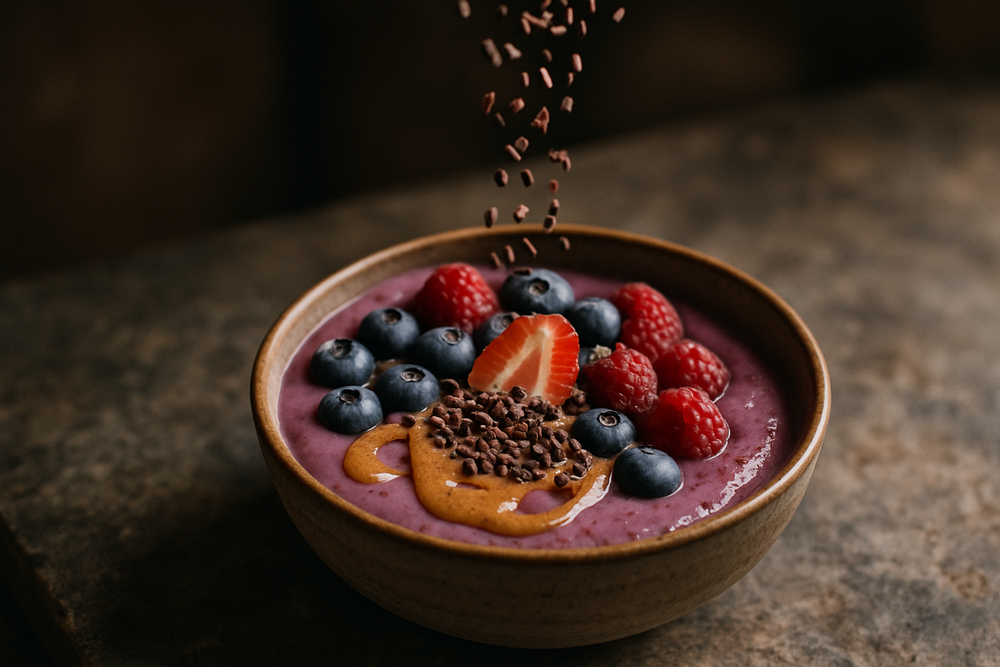
- Smoothie bowls: Sprinkle nibs as a topping alongside hemp seeds and sliced strawberries for contrasting textures and a flavanol-fruit antioxidant pairing.
- Energy balls: Blend dates, rolled oats, almond butter, and nibs. The dates provide sweetness; the nibs add crunch and
How Cacao Nibs Compares
| Compared with | What's different |
|---|---|
| Cacao Nibs vs. Dark Chocolate | Nibs are crunchy, bitter, and sugar-free, while dark chocolate is smooth and usually contains sweeteners. |
| Cacao Nibs vs. Cocoa Powder | Cacao powder is alkalized (Dutch-processed) to reduce acidity, which removes many antioxidant flavanols. |
| Cacao Nibs vs. Cocoa Butter | Nibs are fermented and dried bits of the bean, whereas cocoa butter is just the extracted fat. |
Health Benefits
Things to Know
Caffeine and theobromine sensitivity: If you are sensitive to caffeine — you get jittery, anxious, or have trouble sleeping after coffee — keep nibs to 1 teaspoon and avoid them after mid-afternoon.
Pregnancy and breastfeeding: Nibs count toward your total daily caffeine. Most guidelines advise keeping total caffeine below 200 mg/day during pregnancy. Discuss with your midwife or OB.
GERD and acid reflux: Cocoa and chocolate products can relax the lower esophageal sphincter (the valve between your esophagus and stomach), potentially worsening reflux. If you have GERD, trial a small amount and monitor symptoms.
Heart conditions and arrhythmias: Stimulants in nibs (caffeine, theobromine) can affect heart rate. If you have an arrhythmia or a complex cardiac history, check with your cardiologist before adding nibs regularly.
Children: Smaller body weight means even modest stimulant exposure is proportionally larger. Keep portions very small and serve earlier in the day.
Kidney disease: Nibs contain potassium, phosphorus, and magnesium — minerals that may need monitoring in moderate to advanced kidney disease. Follow your renal dietitian's guidance.
Cacao or chocolate allergy: Anyone with a known allergy or unexplained adverse reactions to chocolate should avoid cacao nibs. Cross-contact with other allergens is possible during processing.
Stimulant medications: If you take ADHD medications, certain decongestants, or weight-loss stimulants, combined effects with cacao's stimulants may amplify heart rate, blood pressure, or anxiety. Discuss timing and quantity with your prescriber.
Antidepressants: High cocoa intake is sometimes cautioned with MAO inhibitors (a type of antidepressant). At realistic nib serving sizes this interaction is unlikely to be clinically significant for most people, but worth mentioning to your pharmacist.
Antidiabetic medications: Nibs themselves are low-sugar, but check the carbohydrate count of any recipes where you use them alongside sweetened ingredients.
Prep Ideas
- — Oatmeal or overnight oats: Stir in 1 tablespoon of nibs with banana slices or berries. The fruit's natural sweetness offsets the bitterness without added sugar.
- — Smoothie bowls: Sprinkle nibs as a topping alongside hemp seeds and sliced strawberries for contrasting textures and a flavanol-fruit antioxidant pairing.
- — Energy balls: Blend dates, rolled oats, almond butter, and nibs. The dates provide sweetness; the nibs add crunch and
Shop This Ingredient
Stock your pantry with quality cacao nibs.
Buy on AmazonAs an Amazon Associate, Plantopedia earns from qualifying purchases. This costs you nothing extra and helps us keep the encyclopedia free.
Frequently Asked Questions
Heart and circulation The cardiovascular case for cacao nibs is the best-supported area. Cocoa flavanols have been studied in multiple human trials — most using high-flavanol cocoa beverages or dark chocolate — showing improvements in endothelial function (the ability of blood vessels to dilate properly), modest reductions in blood pressure, lower LDL cholesterol oxidation (a step in the process that makes LDL cholesterol more damaging), and favorable changes in platelet stickiness (which affects clot formation risk). Magnesium and potassium in nibs independently support blood pressure regulation. Stearic acid, one of the primary saturated fats in cacao, does not appear to raise LDL cholesterol the way shorter-chain saturated fats do, which partly explains why cocoa-containing foods have a more favorable cardiovascular profile than their fat content might initially suggest. Evidence is moderate and largely indirect for nibs specifically — nib-only trials have not been done — but the active compounds are the same as those studied in dark chocolate and cocoa powder research. Digestive health and microbiome Two tablespoons of nibs delivers 4 grams of dietary fiber, roughly a sixth of most people's daily target, in a compact add-on. Fiber is the primary fuel for the gut microbiome (the community of microorganisms living in your digestive tract). Cocoa polyphenols also act as prebiotics — they can be metabolized by beneficial bacteria such as Lactobacillus and Bifidobacterium, potentially supporting a more diverse, balanced microbiome. From a practical standpoint, substituting nibs for chocolate chips in oatmeal or baking meaningfully increases the fiber density of a meal. If you are not used to high-fiber foods, introduce nibs gradually to avoid temporary bloating or loose stools. Blood sugar and metabolism Unsweetened cacao nibs have a very low glycemic index (a measure of how quickly a food raises blood sugar). With only about 1 gram of sugar and 4 grams of fiber per serving, they cause a far smaller glucose response than sweetened chocolate products. The fiber slows digestion, and flavanols have been linked to improved insulin sensitivity (the body's ability to use insulin effectively) in cocoa and dark chocolate studies involving both healthy adults and people with type 2 diabetes. Nibs are not a treatment for diabetes or metabolic conditions, but they can be a useful swap for higher-sugar chocolate products in a blood sugar-conscious diet. Count any other ingredients in the same recipe toward your total carbohydrate intake. Hormones, mood, and the stress response This is the most nuanced area. Cacao contains theobromine, caffeine, and trace amounts of PEA — compounds that influence alertness, mood, and potentially the body's stress response. Studies on cocoa and dark chocolate generally show modest, short-term improvements in perceived mood and stress, and some measures of cognitive performance. Direct hormone measurements (cortisol, sex hormones) in relation to cacao nib intake are limited, and the effects that are seen may partly reflect the pleasurable sensory experience of eating something chocolate-flavored. Consider this area emerging and secondary to the better-established cardiovascular and metabolic data. Inflammation and recovery Cacao nibs rank among the most flavanol-dense whole foods by weight. Flavanols and other polyphenols in nibs have been shown in human studies to reduce biomarkers of oxidative stress (cellular damage from unstable oxygen molecules) and some circulating markers of chronic inflammation. Chronic low-grade inflammation underpins many modern diseases — cardiovascular disease, type 2 diabetes, and certain cancers — so dietary strategies that reduce it over time are clinically meaningful. Evidence for anti-inflammatory effects is moderate, based on cocoa and dark chocolate trials rather than nib-specific data.
This depends on your goal: | Form | Flavanol retention | Sugar | Best use | |---|---|---|---| | Raw/lightly roasted nibs | High (unalkalized) | None | Texture, mineral density, low-sugar snacking | | Natural (non-alkalized) cocoa powder | High | None | Baking, hot drinks, smoothies | | Dutch-process cocoa powder | Low (alkalized) | None | Baking flavor, not a flavanol source | | Dark chocolate (70%+) | Moderate to high | Added | Most-studied in trials; adds sugar and fat | | Milk or sweetened chocolate chips | Low to moderate | High | Minimal flavanol benefit; high sugar cost | For a whole-food, plant-based approach, raw or lightly roasted nibs and natural cocoa powder are the top choices. Nibs have the added benefit of intact fiber and a satisfying crunch. Dark chocolate (70% cacao or higher) is the form most commonly studied in human trials, so the trial data is most directly applicable to that format, but nibs are the less-processed precursor and share the same active compounds.
Quick Answers
Common questions, answered in a line.
Cacao nibs are small, crunchy fragments of fermented, dried, and cracked cacao beans that serve as the minimally processed precursor to chocolate. They consist of the original seed matrix, including healthy fats, dietary fiber, minerals, and polyphenol antioxidants.
Cacao nibs contain theobromine and caffeine, which act as stimulants that can provide gentle alertness but may also cause jitters or sleep disturbances. Theobromine is the dominant stimulant and acts as a mild vasodilator, while caffeine is present in smaller amounts than coffee.
Cacao nibs have an earthy, bitter, and astringent flavor profile because they are prepared without the sugar, dairy, or emulsifiers found in standard chocolate. Their high tannin and phenolic acid content contributes to this distinctive bitterness and crunch.
You can use cacao nibs as a crunchy topping for oatmeal, smoothie bowls, or energy balls, often pairing them with fruit to balance their natural bitterness. They require almost no preparation and can be stirred directly into foods like overnight oats or blended with dates.
People with GERD, kidney disease, heart arrhythmias, or caffeine sensitivities should exercise caution or consult a professional before consuming cacao nibs. The stimulants can affect heart rate, while the mineral content (potassium and phosphorus) may require monitoring in renal patients.
Cacao nibs are exceptionally high in cocoa flavanols because they are unalkalized, unlike "Dutch process" cocoa powder which loses these antioxidants during processing. These plant compounds, including epicatechin and catechin, are linked to heart, brain, and blood sugar health.
For Readers in the USA
Local context — sourcing, seasonality, and regional notes.
In the United States, you can find cacao nibs at major grocery chains like Whole Foods Market, Trader Joe's, and Sprouts Farmers Market, or in the natural food aisle of larger retailers like Kroger and Wegmans. Specialty health stores and online marketplaces also carry a wide variety of domestic and imported brands.
The USDA Organic seal ensures that cacao nibs were grown without most synthetic pesticides or fertilizers and are non-GMO, which is a common priority for US consumers seeking minimally processed superfoods. Because cacao is imported, this certification provides a standardized level of quality assurance for American buyers.
While the Theobroma cacao tree is tropical and not grown in the continental U.S., Hawaii is the only state with a commercial cacao industry due to its suitable climate. In other regions, Americans typically enjoy cacao nibs as a year-round pantry staple available in every season.
AI Clinical Review
- Accurately explains that cacao nibs are minimally processed cocoa solids rich in fiber, minerals (notably magnesium), and cocoa flavanols, the compounds most linked to cardiovascular and metabolic benefits.
- Correctly notes that most human data come from studies on high‑flavanol cocoa or dark chocolate, and that findings likely generalize to nibs because the active compounds are the same.
- Sensibly highlights low sugar, intact fiber, and favorable fat profile (oleic and stearic acids) as reasons nibs can fit a heart‑ and blood sugar‑conscious pattern.
- Appropriately frames mood/cognitive effects as modest and short‑term, with stimulants (theobromine, caffeine) as contributors.
- Few (if any) clinical trials test cacao nibs specifically; most outcomes are extrapolated from powders/drinks or dark chocolate. Real‑world effects may vary by dose and product.
- Flavanol content differs widely by bean origin, fermentation, roasting, and storage; without standardized labeling, predicting an effective “dose” from nibs is imprecise.
- Microbiome and anti‑inflammatory findings are promising but remain heterogeneous across studies, and long‑term clinical significance is not yet settled.
- Effects on hormones and stress biomarkers are inconsistent; pleasurable taste and context may account for some reported benefits.
- Practical portion: 1–2 tablespoons (about 7–14 g) once daily is a reasonable starting range; increase gradually if you’re not used to higher‑fiber foods and avoid late‑day use if stimulant‑sensitive.
- Form matters: choose nibs or natural (non‑alkalized) cocoa for flavanols; Dutch‑process (alkalized) cocoa is lower in flavanols and better viewed as flavoring, not a polyphenol source.
- Safety/cautions: cacao products can contain caffeine and theobromine—use care with arrhythmias, anxiety, insomnia, pregnancy, and in children; discuss with your clinician if you use stimulant medications or MAO‑inhibiting antidepressants.
- Minerals and special diets: non‑heme iron in nibs absorbs better with vitamin C–rich foods; people with kidney disease or a history of calcium‑oxalate kidney stones should confirm fit with their care team due to potassium/phosphorus and oxalate content.
- Contaminants: like other cocoa products, nibs can carry trace heavy metals (e.g., cadmium, lead). Moderate portions and choosing brands that share third‑party testing can help manage exposure, especially for pregnant people and children.
Mention allergy context where appropriate; keep serving size realistic.
References
- PMC, National Library of Medicine — Roasted and Unroasted Cocoa Nibs: Bioactive Compounds Analysis and Application in Cereal Bars (pmc.ncbi.nlm.nih.gov)
- USDA FoodData Central — USDA FoodData Central (fdc.nal.usda.gov)
- PubMed — Cocoa and human health (pubmed.ncbi.nlm.nih.gov)
- PMC, National Library of Medicine — Cocoa polyphenols and their potential benefits for human health (pmc.ncbi.nlm.nih.gov)
Know Your Numbers
Eating healthy is a start. Now get to know your biomarkers.
Food changes bloodwork — inflammation, lipids, blood sugar and nutrient status all respond to what you eat. 59 markers from $59.
- Results in 7–10 days at 2,000+ Quest sites
- Licensed provider reviews every result
- One flat price, no membership, HSA/FSA eligible
Educational information only, not medical advice. Panels are ordered and reviewed through our licensed partner; Plantopedia may earn a commission.