Sherry Vinegar — health benefits and uses
An Andalusian pantry staple valued for brightening rich, hearty dishes.
The Short Answer
Sherry vinegar is a low-calorie fermented condiment prized for its acetic acid content, which may support modest post-meal blood sugar management. While it contains grape polyphenols and minerals like potassium, its primary benefit is enhancing the flavor of

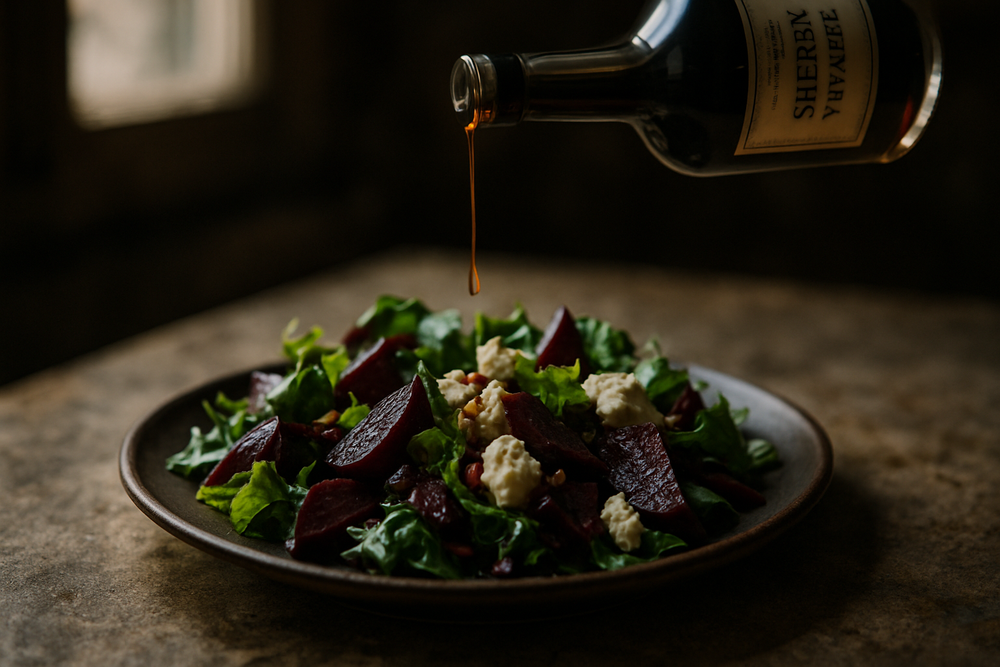
Sherry Vinegar · Photograph
Discover the sherry vinegar health benefits and side effects in plain English. Learn about its nutrition, blood sugar support, gut health role, safety tips, and how this oak-aged Spanish vinegar fits into a whole-food, plant-based diet.
Key Nutrients
% Daily Value based on 2,000 cal diet
Key active compounds
- Acetic acid — The primary organic acid in all vinegar. Formed when acetic acid bacteria oxidize ethanol during fermentation. At concentrations of 6–8% (typical for sherry vinegar), it is responsible for the sharp taste, antimicrobial properties, and the postprandial (after-meal) effects observed in human vinegar studies.
- Grape polyphenols (phenolic acids and flavanols) — Antioxidant plant compounds originating from sherry wine and grape skins and seeds. Some survive the fermentation and aging process. Their amounts in finished vinegar are low and have not been precisely quantified in clinical trials.
- Tartaric and malic acids — Naturally occurring organic acids from grapes. They contribute to the flavor profile and may influence mineral absorption, though evidence at culinary doses is lacking.
- Volatile flavor compounds — Esters and aldehydes formed during oak aging that give sherry vinegar its characteristic nutty, slightly sweet aroma. These are culinary rather than pharmacological in significance.
Prep and pairing ideas
Sherry vinegar is versatile enough to use daily without noticing its health implications — which is arguably the best way to use it.
Three go-to applications:
- Gazpacho or cold vegetable soups — A tablespoon of sherry vinegar stirred into blended tomatoes, cucumber, and peppers adds brightness and depth without any oil. The acidity also helps bring out the sweetness of ripe summer tomatoes.
- Warm lentil or white bean salads — Whisk one part sherry vinegar with two parts extra-virgin olive oil, a pinch of smoked paprika, and a little garlic. Toss with warm Puy lentils and wilted greens. The vinegar softens the earthiness of legumes while keeping the dressing light.
- Roasted vegetables — After roasting beetroot, carrots, or cauliflower, add a small splash of sherry vinegar directly onto the hot tray. It loosens the caramelized pan juices into a simple, low-calorie glaze and adds a sweet-sour note that rounds out bitter and earthy vegetables.
Bottom line
Sherry vinegar is one of the most flavorful, lowest-calorie fermented condiments you can keep in your pantry. Its primary active compound, acetic acid, is associated in human research with modest post-meal blood sugar improvements — though no trials have tested sherry vinegar specifically. Its polyphenols and oak-aging add complexity but have not been proven to deliver measurable clinical benefits at tablespoon quantities. It is not a meaningful source of probiotics in its standard commercial form.
The most honest case for sherry vinegar is indirect but real: it makes plant-heavy meals — lentils, beans, roasted vegetables, cold soups — genuinely delicious, which may be the most sustainable path to eating more of them. Used as a seasoning in food, it is safe for most healthy adults. Used undiluted, in large amounts, or in the presence of certain medical conditions, it warrants caution.
Think of it as a flavor tool first, a health ingredient second.
Eating more vegetables and legumes is one of the most consistent patterns in nutrition science. If sherry vinegar helps you do that, explore other ingredients that support the same goal at /goals.
How Sherry Vinegar Compares
| Compared with | What's different |
|---|---|
| Sherry Vinegar vs. Apple Cider Vinegar | Sherry vinegar is aged in oak for a nuttier, more complex flavor compared to crisp, apple-forward cider vinegar. |
| Sherry Vinegar vs. Balsamic Vinegar | Sherry vinegar is sharper and less syrupy, containing only 0.2g of carbohydrates per tablespoon. |
| Sherry Vinegar vs. Red Wine Vinegar | Sherry vinegar has a more robust, toasted profile than the clean and simple acidity of red wine vinegar. |
Health Benefits
Things to Know
High acidity, handle with care.: Sherry vinegar has a pH of approximately 2.8–3.2 and 6–8% acetic acid. Always use it as an ingredient diluted in food or dressings, not as a straight shot.
Dental enamel.: Like all high-acid beverages and condiments, undiluted vinegar can contribute to tooth enamel erosion over time. Rinse your mouth with water after consuming vinegar-heavy dressings if concerned.
GERD and reflux.: If you have gastroesophageal reflux disease (GERD), peptic ulcer, or chronic gastritis (inflammation of the stomach lining), sherry vinegar may worsen symptoms. Start with very small amounts and monitor your response.
Blood sugar medications.: Acetic acid may modestly lower post-meal blood glucose. If you take insulin or oral hypoglycemic (blood-sugar-lowering) medications, regular large amounts of vinegar could theoretically enhance medication effects and increase the risk of hypoglycemia (low blood sugar). Discuss with your prescriber.
Diuretics and potassium.: There are rare case reports linking excessive vinegar intake with low potassium (hypokalemia) in people on potassium-lowering diuretics. Culinary amounts are unlikely to be problematic, but very high therapeutic-style doses warrant caution.
Kidney conditions.: People with chronic kidney disease should be cautious about large, regular doses of any acidic food or supplement.
Children.: Undiluted vinegar is not recommended for children due to potential esophageal and dental irritation.
Wine or grape allergies.: Allergic reactions to sherry vinegar are rare but possible in people with known sensitivities to wine or grape products.
Pregnancy.: Culinary use in food is generally considered safe. Therapeutic or supplement-level doses have not been studied in pregnancy.
Prep Ideas
- — **Gazpacho or cold vegetable soups** — A tablespoon of sherry vinegar stirred into blended tomatoes, cucumber, and peppers adds brightness and depth without any oil. The acidity also helps bring out the sweetness of ripe summer tomatoes.
- — **Warm lentil or white bean salads** — Whisk one part sherry vinegar with two parts extra-virgin olive oil, a pinch of smoked paprika, and a little garlic. Toss with warm Puy lentils and wilted greens. The vinegar softens the earthiness of legumes while keeping the dressing light.
- — **Roasted vegetables** — After roasting beetroot, carrots, or cauliflower, add a small splash of sherry vinegar directly onto the hot tray. It loosens the caramelized pan juices into a simple, low-calorie glaze and adds a sweet-sour note that rounds out bitter and earthy vegetables.
Glossary
Shop This Ingredient
Stock your pantry with quality sherry vinegar.
Buy on AmazonAs an Amazon Associate, Plantopedia earns from qualifying purchases. This costs you nothing extra and helps us keep the encyclopedia free.
Frequently Asked Questions
Evidence for any specific health benefit from sherry vinegar is mostly indirect: researchers have studied vinegar broadly, most often apple cider vinegar or generic grain vinegar, and results are extrapolated to acetic-acid-containing vinegars as a class. Sherry vinegar has not been the subject of dedicated clinical trials. Heart and circulation No human trials have tested sherry vinegar specifically for cardiovascular outcomes. Studies of other vinegars suggest that consuming 15–30 mL of vinegar with meals may modestly improve post-meal triglycerides and some lipid (blood fat) markers in the short term, but the studies are small and inconsistent, and no long-term reduction in heart disease events has been demonstrated. In practical terms, sherry vinegar's biggest contribution to cardiovascular health is likely culinary: it lets you dress vegetables, legumes, and whole grains without adding saturated fat or significant sodium — aligning with Mediterranean and WFPB (whole-food, plant-based) dietary patterns that are well supported for heart health. Digestive health and microbiome Human data on sherry vinegar and digestion are scarce. Acetic acid can slow gastric emptying (the rate at which food moves from the stomach into the small intestine), which some small studies link to modest increases in satiety (the feeling of fullness). There is no robust human evidence that sherry vinegar improves gut motility, microbiome composition, or specific digestive disorders. A word on probiotics: most commercial sherry vinegar is filtered and pasteurized, meaning any live acetic acid bacteria are destroyed before bottling. The probiotic label applied to some vinegars is largely unsupported for standard commercial products. Unpasteurized, artisanal versions may contain a visible "mother" (a cellulose mat of live bacteria), but whether this survives digestion and benefits the gut microbiome has not been studied in humans. Blood sugar and metabolism This is the area with the most (if still limited) human evidence. Multiple small controlled trials using generic vinegar (15–30 mL, providing roughly 750–1,500 mg of acetic acid) taken with or shortly before a high-carbohydrate meal consistently show reduced post-meal glucose (blood sugar) and insulin responses in healthy adults and people with insulin resistance. The proposed mechanism is that acetic acid slows gastric emptying and may enhance glucose uptake by muscles. Because sherry vinegar delivers comparable acetic acid concentrations, similar effects are plausible at similar doses when used with carbohydrate-rich meals — though this has not been directly tested, and long-term outcomes like A1c (a measure of average blood sugar over three months) or diabetes prevention have not been established for any vinegar. Inflammation and recovery There are no human trials showing that sherry vinegar lowers systemic inflammatory markers such as CRP (C-reactive protein, a standard blood marker of inflammation). In vitro (laboratory cell culture) and animal studies with grape polyphenols and acetic acid suggest antioxidant and anti-inflammatory mechanisms, but these findings are preliminary and have not been confirmed in human studies with sherry vinegar.
Sherry vinegar comes in several styles, and while the health differences between them are minor at culinary doses, quality and use-case do vary. Standard sherry vinegar (Vinagre de Jerez) — Aged at least six months in oak. This is the most common variety, with around 6–7% acidity. Reliable, affordable, and appropriate for everyday cooking. Reserva — Aged at least two years. Deeper flavor and more complex aromatics. No significant nutritional difference from standard at tablespoon quantities. Gran Reserva — Aged at least ten years. Concentrated, nuanced, and usually more expensive. Best used as a finishing splash rather than in large quantities. Nutritionally similar to other grades. Pedro Ximénez (PX) sherry vinegar — Made from sweet sherry grapes or blended with PX wine. Slightly more residual sugar but still very low-calorie at typical serving sizes. A useful choice when you want a mild sweetness without added sugar. Unpasteurized / artisanal — May contain visible "mother" and live acetic acid bacteria. More variable in flavor and composition. If you are seeking any potential probiotic benefit (note: unproven), this is the only form where it is even theoretically present. For most people, a good-quality standard or Reserva sherry vinegar is the practical choice — better flavor than cheap wine vinegars and comparable acidity for any cooking purpose.
The plant-forward meal prepper Cooks large batches of grains, beans, and roasted vegetables. Needs low-calorie flavor options that don't rely on heavy sauces. Benefits from sherry vinegar's ability to season and preserve batch-cooked ingredients throughout the week. The complex oak-aged flavor means less vinegar is needed compared to cheaper alternatives. The person managing blood sugar through diet Interested in food-based strategies to reduce post-meal glucose spikes. Already following a lower-glycemic dietary pattern with plenty of fiber. Can use sherry vinegar as part of dressings and marinades for carbohydrate-containing meals, consistent with the way vinegar is used in the relevant small trials. Should not replace prescribed medication with vinegar, but may find it a useful, evidence-aligned culinary habit.
There is no established optimal or maximum dose of sherry vinegar. The following ranges are consistent with culinary use and with the amounts used in most human vinegar research: Culinary, everyday use: 1–2 tablespoons (15–30 mL) used as an ingredient in dressings, marinades, soups, or as a finishing splash. This is safe for most healthy adults. Research-equivalent dose (extrapolated): Human vinegar studies typically use 15–30 mL of vinegar (roughly 750–1,500 mg acetic acid) diluted in water or mixed with a meal. Sherry vinegar at 6–8% acidity would deliver a comparable amount in 1–2 tablespoons. Start low. If you are new to vinegar in cooking, begin with a teaspoon and increase as your palate and digestion allow. Never drink it straight. Undiluted vinegar shots carry real risks for dental enamel and esophageal irritation, and no evidence supports a benefit that outweighs these harms. More is not better. Exceeding 30 mL daily consistently is outside normal culinary use and enters territory where risks (dental, esophageal, potential medication interactions) begin to outweigh any plausible benefit. If you are considering vinegar for a specific health goal, speak with a registered dietitian or physician rather than self-dosing.
Quick Answers
Common questions, answered in a line.
Sherry vinegar contains acetic acid, which is associated with modest improvements in blood sugar levels after meals. While no clinical trials have tested sherry vinegar specifically, its primary organic acid is known for these postprandial effects in general vinegar studies.
Standard commercial sherry vinegar is not considered a meaningful source of probiotics. While it is a fermented condiment, the aging and production process does not leave behind significant levels of beneficial live bacteria.
You should not drink sherry vinegar straight because its high acidity, with a pH of 2.8–3.2, can irritate the esophagus and erode tooth enamel. It is safest when used as an ingredient diluted in dressings, soups, or roasted vegetable glazes.
People with GERD, peptic ulcers, or chronic gastritis should use sherry vinegar with caution as the acidity may worsen symptoms. Additionally, those taking insulin or blood-sugar-lowering medications should consult a doctor, as vinegar may enhance the medication's effects.
Sherry vinegar is an excellent plant-based seasoning for gazpacho, lentil salads, and roasted root vegetables. Its ability to brighten flavors and loosen caramelized juices makes it a low-calorie alternative to oil-heavy dressings.
Sherry vinegar contains grape polyphenols, such as phenolic acids and flavanols, which provide antioxidant properties. These compounds originate from the grape skins and seeds used in the initial wine production, though their levels in the finished vinegar are low.
Sherry vinegar is aged in oak barrels, a process that creates volatile flavor compounds like esters and aldehydes. This aging gives the vinegar its signature nutty, slightly sweet aroma and complex flavor profile.
For Readers in the USA
Local context — sourcing, seasonality, and regional notes.
In the U.S., you can find authentic Sherry Vinegar at major retailers like Whole Foods, Trader Joe’s, and Wegmans, as well as through online specialty importers. Look for the "Vinagre de Jerez" seal on the label to ensure it is a genuine DOP product imported from Spain.
Sherry Vinegar is imported year-round, but it is particularly popular in the U.S. during the summer months for gazpacho and cold salads, and during the fall for roasting root vegetables. Because it is a fermented pantry staple, its availability does not fluctuate with American growing seasons.
Yes, the USDA Organic seal can be found on certain brands of sherry vinegar, though many traditional Spanish producers follow organic practices without seeking U.S. certification. If organic status is a priority, check the back label for the USDA organic logo or the equivalent EU organic leaf.
While Sherry Vinegar is an imported Spanish product, many U.S. home cooks use it as a sophisticated, nutty alternative to Red Wine Vinegar or Apple Cider Vinegar in American classics like potato salad or barbecue glazes. It has become a staple in the "New American" culinary movement for its ability to balance heavy, smoky flavors.
AI Clinical Review
- Sherry vinegar is an ultra–low-calorie seasoning; its health value is primarily as a flavorful way to make plant-forward meals more appealing.
- The primary active, acetic acid (about 6–8% in sherry vinegar), has human data showing modest reductions in post‑meal blood sugar when vinegar is taken with carbohydrate-rich meals.
- Most commercial sherry vinegar is pasteurized and not a meaningful source of probiotics; any “mother” in artisanal products has unproven clinical benefit.
- Suggested use of roughly 1–2 tablespoons per day within meals aligns with doses commonly studied for vinegar generally and is a practical, food-first approach.
- There are no clinical trials specific to sherry vinegar; benefits are inferred from studies of other vinegars, so long‑term outcomes (A1c, weight, cardiovascular events) remain uncertain.
- Evidence for effects on blood lipids, weight, and inflammation is mixed, based on short-duration, small studies with varying designs.
- The amount and bioavailability of grape‑derived polyphenols at typical culinary doses are not well quantified, so clinical relevance is unclear.
- Claims about microbiome improvements—especially from unpasteurized vinegar—have not been demonstrated in human trials.
- Safety and dental health: vinegar is highly acidic (pH ~2.8–3.2). Use it diluted in food or dressings, avoid “shots,” and consider rinsing with water afterward to protect enamel.
- Sensitive digestion: those with GERD, gastritis, or ulcers may find vinegar aggravating; start with small amounts and gauge tolerance.
- Medications and conditions: people using insulin or insulin‑secretagogues (e.g., sulfonylureas) should monitor for possible low blood sugar if using vinegar regularly with meals. Large daily intakes are inadvisable for those with chronic kidney disease or on potassium‑lowering diuretics.
- Form choice: pasteurized products are standard and stable; unpasteurized options may contain a “mother,” but any probiotic effect is unproven—choose based on flavor preference rather than expected health differences.
Acidic; use sparingly and dilute if drinking.
References
- USDA FoodData Central — wine vinegar nutritional reference (fdc.nal.usda.gov)
- Sherry vinegar nutrition facts per tablespoon, multiple commercial labels — ReciPal and FatSecret aggregated data (recipal.com)
- FatSecret NZ — sherry vinegar calorie and macronutrient data (fatsecret.co.nz)
- SnapCalorie — aged sherry vinegar nutrition breakdown (snapcalorie.com)
- VomFASS USA — vinegar acidity, pH, and production overview including sherry vinegar (vomfassusa.com)
- Johnston CS & Gaas CA (2006), "Vinegar: Medicinal Uses and Antiglycemic Effect," Medscape General Medicine — narrative review of vinegar and blood glucose in humans (ncbi.nlm.nih.gov)
- Khezri SS et al. (2018), "Beneficial effects of apple cider vinegar on weight management, visceral adiposity index and lipid profile in overweight or obese subjects receiving restricted calorie diet," Journal of Functional Foods — small human RCT on vinegar and metabolic markers (sciencedirect.com)
- Hlebowicz J et al. (2007), "Effect of apple cider vinegar on delayed gastric emptying in patients with type 1 diabetes mellitus," BMC Gastroenterology — human trial on vinegar, gastric emptying, and glucose (bmcgastroenterol.biomedcentral.com)
- NIH National Center for Complementary and Integrative Health — overview of apple cider vinegar safety and evidence (applicable to acetic-acid vinegars broadly) (nccih.nih.gov)
- Budak NH et al. (2014), "Functional Properties of Vinegar," Journal of Food Science — review of polyphenols, antioxidant activity, and biological effects across vinegar types (ift.onlinelibrary.wiley.com)
Know Your Numbers
Eating healthy is a start. Now get to know your biomarkers.
Food changes bloodwork — inflammation, lipids, blood sugar and nutrient status all respond to what you eat. 59 markers from $59.
- Results in 7–10 days at 2,000+ Quest sites
- Licensed provider reviews every result
- One flat price, no membership, HSA/FSA eligible
Educational information only, not medical advice. Panels are ordered and reviewed through our licensed partner; Plantopedia may earn a commission.