Spaghetti Squash — health benefits and uses
Color, fiber, and everyday plate-building angle
The Short Answer
Spaghetti squash is a nutrient-dense pasta alternative containing just 42 calories and 2.2 grams of fiber per cooked cup. It is prized for its unique flesh that separates into long, noodle-like strands when cooked.

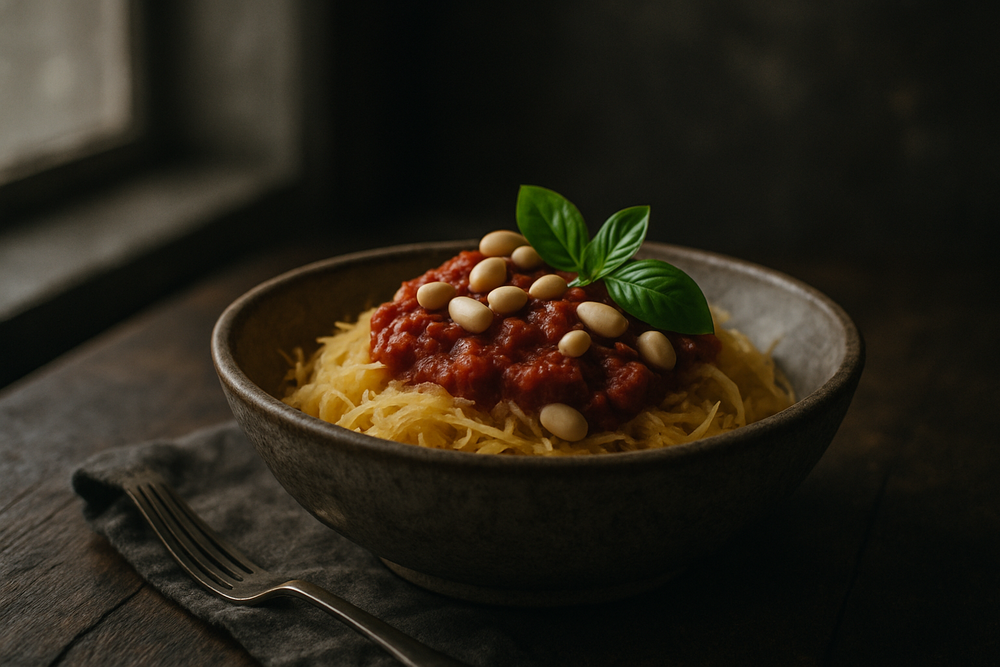
Spaghetti Squash · Photograph
Spaghetti squash (Cucurbita pepo) is a winter squash in the cucurbit family — the same broad family as pumpkins, butternut squash, and cucumbers. What makes it unusual is what happens when you cook it: the pale yellow flesh separates into long, fork-twirled strands that look remarkably like spaghetti noodles. That quirk has made it a popular whole-food stand-in for refined pasta in everything from weeknight dinners to meal prep containers.
Key Nutrients
% Daily Value based on 2,000 cal diet
Key active compounds and phytochemicals
Carotenoids (including beta-carotene, lutein, and zeaxanthin) — Fat-soluble pigments found in yellow and orange plant foods. They function as antioxidants (molecules that neutralize cell-damaging free radicals), and some can be converted into vitamin A in the body. Spaghetti squash is paler than butternut or acorn squash, so its carotenoid content is present but modest.
Phenolic compounds — A broad family of plant molecules with antioxidant properties. They are associated in observational studies with vascular and metabolic health benefits across plant-rich diets; spaghetti squash contains them, though its profile is less studied than darker produce.
Cucurbitacins (trace) — Bitter triterpenoids (a type of plant compound) that occur naturally across the cucurbit family. Cultivated edible spaghetti squash is bred to contain very low, non-harmful levels; they are not a meaningful source of nutrition here, but are worth knowing about conceptually.
Prep and pairing ideas
Spaghetti squash is one of the more adaptable vegetables in a meal rotation because the mild, slightly sweet flesh takes on the flavour of whatever sauce or seasoning surrounds it.
Classic marinara base: Top roasted strands with a simple tomato-based marinara sauce (homemade or jarred with minimal added sugar), white beans or lentils for protein, and fresh basil. This mirrors the meals used in American Heart Association recipe collections.
Garlic, olive oil, and greens: Toss warm strands with olive oil, sautéed garlic, wilted spinach or kale, cherry tomatoes, and a sprinkle of nutritional yeast. Fast, weeknight-ready.
Cold peanut-sesame bowl: Chill cooked strands and toss with a peanut-ginger dressing, shredded red cabbage, edamame, and sliced cucumber. High-fiber, high-protein, and travels well as a packed lunch.
Buying guide: how to choose, store, and prep spaghetti squash
At the store:
- Choose squash that feel heavy for their size, with a firm, matte yellow or pale cream skin
How Spaghetti Squash Compares
| Compared with | What's different |
|---|---|
| Spaghetti Squash vs. Butternut Squash | Sweeter and starchier with a smooth puree texture rather than noodle-like strands. |
| Spaghetti Squash vs. Pasta (Wheat) | Lower in calories and carbohydrates, providing a mild, noodle-like texture when forked. |
| Spaghetti Squash vs. Zucchini | Softer and more watery with a neutral flavor, usually sliced rather than shredded. |
Health Benefits
Things to Know
IBS or FODMAP sensitivity: — Larger portions of fibrous vegetables can trigger gas, cramping, or bloating. Start with a half-cup serving and monitor how you feel.
Low-fiber diet transition: — Increase fiber-rich vegetables gradually and drink more water alongside the change to ease digestive adjustment.
History of bowel obstruction or strictures: — High-volume fibrous foods may cause discomfort; seek individualized guidance from your doctor.
Advanced chronic kidney disease (CKD) on potassium restriction: — Spaghetti squash has moderate potassium; account for it as part of total dietary potassium with your dietitian.
Strict ketogenic diet for medical reasons (e.g., epilepsy protocols): — At ~10 g carbs per cup, spaghetti squash may need precise portioning to stay within very low daily carb targets.
Insulin and oral diabetes medications: — Replacing pasta with spaghetti squash lowers the carbohydrate load of a meal, which may affect mealtime dosing needs. Discuss dietary changes with your healthcare provider.
Antihypertensives that affect potassium (ACE inhibitors, ARBs, potassium-sparing diuretics): — Increasing vegetable intake alongside these medications should be monitored, especially if kidney function is reduced.
No specific drug-food interactions are documented for spaghetti squash beyond these general dietary considerations.
Shop This Ingredient
Stock your pantry with quality spaghetti squash.
Buy on AmazonAs an Amazon Associate, Plantopedia earns from qualifying purchases. This costs you nothing extra and helps us keep the encyclopedia free.
Frequently Asked Questions
Heart and circulation There are no human clinical trials focused specifically on spaghetti squash and cardiovascular outcomes. What does exist is strong cohort evidence (large population-tracking studies) linking higher total vegetable consumption with lower cardiovascular disease risk and all-cause mortality. Spaghetti squash fits that pattern because it is low in saturated fat, adds fiber and potassium, and — when used to replace refined pasta — reduces the overall calorie and carbohydrate load of a meal. The American Heart Association includes spaghetti squash-based dishes in its heart-healthy recipe collections. The benefit here is largely about the dietary pattern: using spaghetti squash as a base for tomato sauce, olive oil, and legumes aligns with Mediterranean-style eating that is well-supported for cardiovascular health. Digestive health and microbiome Spaghetti squash contributes both soluble and insoluble fiber (different physical forms of dietary fiber). Soluble fiber dissolves in water and can help feed beneficial gut bacteria; insoluble fiber adds bulk and helps keep stool moving through the colon. At 2.2 g per cup it is not among the highest-fiber vegetables, but it can contribute meaningfully to daily fiber intake — especially when a serving replaces a low-fiber refined starch. Human trials on higher vegetable and fiber intake consistently show improved stool regularity and gut comfort when increases are gradual and paired with adequate hydration. People not used to high-fiber diets may notice some gas or bloating when adding spaghetti squash in large portions; starting with a half-cup serving and building up helps. Blood sugar and metabolism Gram for gram, spaghetti squash has a substantially lower carbohydrate load than refined pasta. Human studies on replacing refined-grain foods with non-starchy vegetables consistently show lower post-meal blood sugar spikes (called postprandial glucose responses) and improved insulin sensitivity over time. No controlled trial has used spaghetti squash specifically, but the mechanism — reducing refined starch and increasing fiber and vegetable volume — is well established. Pairing spaghetti squash with protein (beans, lentils, tofu) and healthy fats (olive oil, nuts) slows gastric emptying (the rate food leaves your stomach), which further blunts the glucose rise after eating. Inflammation and recovery Higher fruit and vegetable intake is consistently associated with lower circulating levels of C-reactive protein (CRP — a common blood marker of inflammation) in epidemiologic studies. Carotenoids and vitamin C from vegetables are thought to contribute to these effects, along with fiber-driven improvements in gut microbiome composition. Spaghetti squash contains both, though at modest levels compared with deeply orange or dark green vegetables. Think of it as one of many vegetables pulling in the same direction rather than a concentrated anti-inflammatory source. Pairing it with tomato sauce, leafy greens, and herbs significantly raises the anti-inflammatory nutrient density of the overall meal. Weight management and satiety Human trials on high-volume, low-energy-density diets (eating large amounts of food that are naturally low in calories — primarily vegetables and fruits) consistently show lower total calorie intake and improved satiety without strict calorie counting. At 42 calories per cup, spaghetti squash delivers substantial meal volume. Replacing even half a pasta portion with spaghetti squash can cut meal calories by 90–100 kcal while keeping the plate visually full. This fits squarely into evidence-based strategies for weight management, though no trial has studied spaghetti squash alone for weight loss. Hormones and cycle health There are no direct human studies on spaghetti squash and hormone health. General evidence suggests vegetable- and fiber-rich diets can support insulin sensitivity and may modestly influence estrogen metabolism. Given spaghetti squash's moderate fiber content, it is better seen as a supportive part of a vegetable-rich eating pattern than as a targeted hormone food. Pairing it with legumes and dark leafy greens boosts the overall fiber and micronutrient profile of meals studied in hormone-related research.
This is the question that trips people up the most, and the answer comes down to a few specific technique choices. Oven roasting (best results, most flavor): Preheat your oven to 400°F (205°C). Using a large, stable knife, cut the squash in half lengthwise — pole to pole, not across the middle. Lengthwise cuts produce longer strands. Scoop out the seeds and fibrous centre with a large spoon. Brush the cut sides lightly with olive oil and season with salt and pepper. Place cut-side DOWN on a rimmed baking sheet. This is the single most important step for non-watery strands — it lets steam escape rather than pool on the flesh. Roast for 35–40 minutes for a medium squash (3–4 lb) or until a fork pierces the skin easily. Remove from oven and let cool 5–10 minutes before flipping and scraping with a fork in long strokes. Microwave (fast, weeknight-friendly): Place halves cut-side down in a microwave-safe dish with 2 tablespoons of water. Cover loosely with a microwave-safe lid or wrap. Microwave on high for 8–12 minutes depending on size, until the flesh is fork-tender. Rest for 3 minutes before scraping. Strands will be slightly softer than oven-roasted but perfectly usable. Pressure cooker / Instant Pot (batch-cooking friendly): Place halves on the trivet with 1 cup of water in the pot. Cook on high pressure for 12–15 minutes. Quick-release pressure, cool briefly, and scrape. Ideal for making two or three squashes at once for the week. Pro tip to avoid watery strands: After scraping, blot the strands gently with a paper towel or lay them in a colander for a few minutes before adding sauce. Excess moisture is most noticeable when the squash is slightly overcooked or left sitting in steam.
Quick Answers
Common questions, answered in a line.
Spaghetti squash is a winter squash belonging to the Cucurbita pepo species, which also includes pumpkins, butternut squash, and cucumbers. It stands out due to its pale yellow flesh that, when cooked, separates into long strands resembling noodles.
Yes, spaghetti squash is a common whole-food alternative to refined pasta because its mild, slightly sweet flesh acts as a neutral base for various sauces. While it mirrors the texture of noodles, one cup contains approximately 10 grams of carbohydrates, making it a lower-carb option than traditional wheat pasta.
Spaghetti squash contains carotenoids like beta-carotene, lutein, and zeaxanthin, which serve as antioxidants that neutralize cell-damaging free radicals. It also provides phenolic compounds and trace amounts of cucurbitacins, which are naturally occurring plant molecules found throughout the cucurbit family.
When shopping for spaghetti squash, select one that feels heavy for its size and features a firm, matte yellow or pale cream skin. Avoid squash with soft spots or skins that appear shiny, as these may not be fully mature or fresh.
Individuals with advanced chronic kidney disease (CKD) or those taking medications like ACE inhibitors or potassium-sparing diuretics should be mindful of spaghetti squash due to its moderate potassium content. Because it is high in fiber, those with IBS or a history of bowel obstructions should also manage portion sizes to avoid digestive discomfort.
Because spaghetti squash significantly lowers the carbohydrate load of a meal compared to pasta, it may affect the dosing needs for insulin or oral diabetes medications. It is recommended that individuals with diabetes discuss these dietary changes with their healthcare provider to ensure proper blood sugar management.
For Readers in the USA
Local context — sourcing, seasonality, and regional notes.
Spaghetti squash is widely available at major U.S. grocery chains like Whole Foods, Trader Joe’s, Kroger, and Walmart, typically sold year-round in the produce section. You can also find locally grown varieties at farmers markets from late summer through early winter.
The peak season for U.S.-grown spaghetti squash runs from early autumn through early winter, generally between September and December. While it is harvested in the fall, its thick skin allows it to be stored and sold in grocery stores across the country throughout the year.
Look for the USDA Organic seal if you want squash grown without synthetic pesticides, though the skin of spaghetti squash is thick and not usually eaten. Additionally, the FDA notes that winter squashes are high-fiber, low-sodium foods that fit well into heart-healthy dietary patterns.
Spaghetti squash is grown in almost every state, but top producing regions include California, Florida, New York, and Michigan. These states benefit from the warm growing seasons and well-drained soil that the Cucurbita pepo species requires to thrive.
AI Clinical Review
- Accurately portrays spaghetti squash as a low-calorie, modestly fibrous vegetable; the USDA-style nutrition snapshot (~42 kcal, ~10 g carbs, ~2 g fiber per cooked cup) is in the right range.
- Emphasizes that benefits come from dietary pattern shifts (replacing refined pasta, adding vegetables) rather than from a single “superfood,” which aligns with human nutrition research.
- Explains plausible mechanisms for satiety and glycemic control (lower energy density, added fiber, pairing with protein and healthy fats) consistent with controlled feeding and substitution studies.
- Offers practical, safe cooking guidance that reduces excess moisture and preserves longer strands—useful for adherence to vegetable-forward meals.
- There are no randomized trials on spaghetti squash itself for cardiovascular, metabolic, or weight outcomes; claims are extrapolated from broader vegetable-intake research and refined-grain swaps.
- Antioxidant and phytochemical content is present but modest and variable by cultivar, ripeness, and cooking method—so large “antioxidant” effects should not be assumed.
- Effects on post-meal glucose, inflammation markers, or hormone-related outcomes likely depend more on the full meal composition and overall diet quality than on spaghetti squash alone.
- Microbiome benefits are plausible via added fiber and vegetable diversity, but specific data on spaghetti squash and gut microbial changes are lacking.
- Practical portions are typically 1–2 cups cooked; sauces and toppings drive most of the sodium, fat, and total calories—pair with a protein and some healthy fat for balance.
- If you use insulin or insulin‑secretagogues for diabetes, swapping pasta for spaghetti squash lowers carbohydrate load; monitor glucose and discuss dose adjustments with your clinician.
- If you have chronic kidney disease or take potassium‑affecting medications (ACE inhibitors, ARBs, potassium‑sparing diuretics), account for its moderate potassium with your care team.
- If you have IBS/FODMAP sensitivity or are transitioning from a low‑fiber diet, increase portions gradually; very rarely, an unusually bitter taste can signal excess cucurbitacins—discard if that occurs.
Frame as food education, not disease treatment.
References
- Cleveland Clinic — Amazing Health Benefits of Spaghetti Squash (health.clevelandclinic.org)
- USDA FoodData Central — USDA FoodData Central (fdc.nal.usda.gov)
- University of Rochester Medical Center — Content - Health Encyclopedia - URochester Medicine (urmc.rochester.edu)
Know Your Numbers
Eating healthy is a start. Now get to know your biomarkers.
Food changes bloodwork — inflammation, lipids, blood sugar and nutrient status all respond to what you eat. 59 markers from $59.
- Results in 7–10 days at 2,000+ Quest sites
- Licensed provider reviews every result
- One flat price, no membership, HSA/FSA eligible
Educational information only, not medical advice. Panels are ordered and reviewed through our licensed partner; Plantopedia may earn a commission.