Suan Cai (Chinese Sauerkraut) — health benefits and uses
Traditional fermentation for gut support.
The Short Answer
Suan cai is a traditional Chinese fermented cabbage containing 18 calories and 700 mg of sodium per 100g serving. It provides gut-friendly lactic acid bacteria and essential nutrients like Vitamin K and Vitamin C.
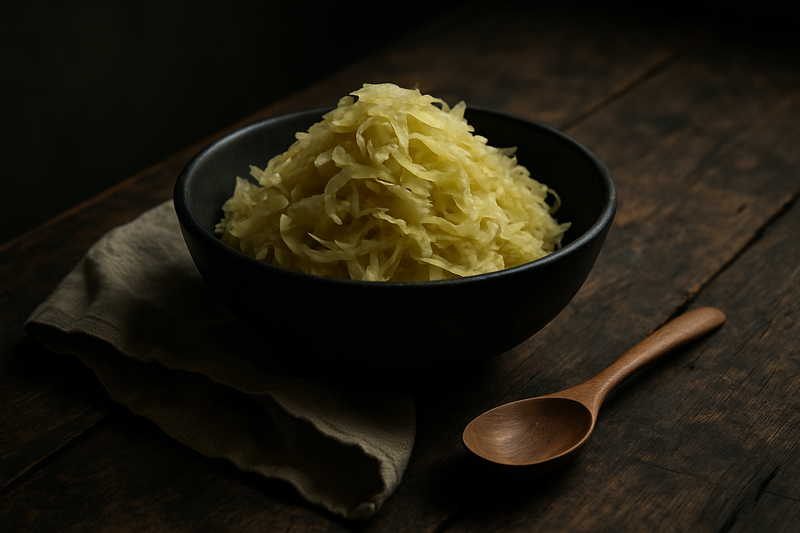
Suan Cai (Chinese Sauerkraut) · Photograph
Discover suan cai (Chinese sauerkraut) health benefits, gut-friendly probiotics, fermented napa cabbage nutrition, sodium content, and practical ways to use it as a condiment with whole grains and stews — all explained in plain English.
Key Nutrients
% Daily Value based on 2,000 cal diet
Key active compounds
- Lactic acid — Organic acid produced by LAB during fermentation; responsible for suan cai's sour taste and its low pH (typically below 4), which inhibits harmful microbes.
- Acetic acid — A secondary organic acid that adds sharpness; more prominent in vinegar-pickled (non-fermented) versions.
- Glucosinolates — Sulfur-containing compounds naturally found in all cruciferous (cabbage-family) vegetables; partially converted during fermentation.
- Isothiocyanates — Bioactive molecules formed when glucosinolates break down; associated with antioxidant and detoxification activity in cell and animal research.
- Indole-3-carbinol and related indoles — Glucosinolate breakdown products that show hormone-modulating effects in laboratory models; levels in suan cai have not been precisely measured.
- Phenolic acids and flavonoids — Plant polyphenols present in cabbage and modified by fermentation; contribute to antioxidant capacity.
- GABA (gamma-aminobutyric acid) — A non-protein amino acid some LAB strains produce during fermentation; small human studies link dietary GABA to modest calming and blood-pressure effects, but suan cai-specific data are limited.
- Live lactic acid bacteria (LAB) — Present in traditionally fermented, unpasteurized suan cai; function as probiotics if they survive transit to the large intestine.
Prep and pairing ideas
Suan cai is versatile as both a raw condiment and a cooked ingredient.
As a raw condiment: Rinse lightly, chop finely, and scatter 1–2 tablespoons over congee (rice porridge), plain steamed rice, or millet. The acidity and umami brighten bland grain bases without any oil or sauce needed.
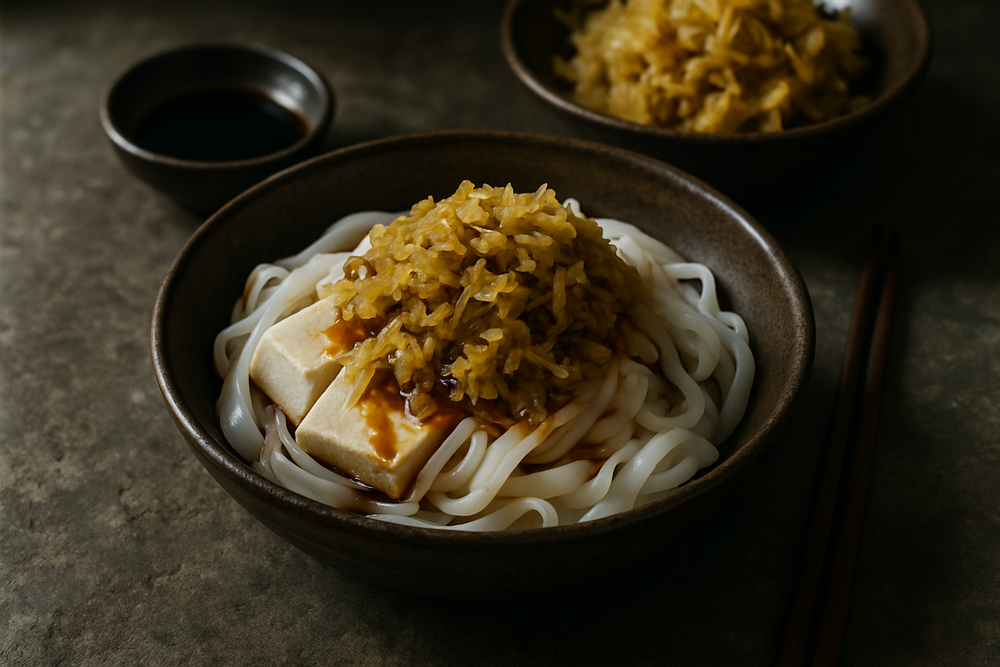
In stews and braises: Add 50–80 g of suan cai to a pot of firm tofu, sweet potato noodles (glass noodles), or diced potatoes with low-sodium vegetable broth. Simmer 15–20 minutes. The sourness deepens and the cabbage becomes silky, flavoring a whole pot with minimal sodium per bowl.
Suan cai and tofu: Thinly sliced or crumbled firm tofu absorbs suan cai's brine beautifully. Stir-fry together with a small amount of sesame oil and ginger for a fast, protein-rich side dish.
Suan cai over noodles: Toss a small amount of roughly chopped suan cai with cooked soba or rice noodles, sliced cucumber, and a drizzle of rice vinegar. The fermented sourness acts as the dressing.
Quick pickle bowl: Pair suan cai with steamed edamame and black rice for a complete, colorful bowl that hits savory, sour, earthy, and nutty notes simultaneously.
Buying guide: how to choose suan cai
Traditional fermented vs. vinegar-pickled Read the ingredient list carefully. True fermented suan cai will list only cabbage and salt (sometimes with spices). Products listing vinegar, citric acid, sodium benzoate, or artificial flavors are vinegar-pickled and will not deliver live probiotics.
Checking sodium on the label Aim for products with ≤1,200 mg sodium per 100 g. Many supermarket versions exceed 1,500–1,800 mg per 100 g. Asian grocery stores often stock regional brands with more moderate salting and shorter ingredient lists.
Fresh vs. jarred vs. refrigerated Refrigerated fresh-packed suan cai (often sold in plastic pouches or vacuum bags) is most likely to contain live cultures. Jarred, shelf-stable products have usually been heat-processed, killing live bacteria — still a valid flavor ingredient, just not probiotic. Check for a "live cultures" or "naturally fermented" label if probiotics are your goal.
Color and smell Good suan cai is pale to golden yellow-green, slightly translucent, and smells cleanly sour — like a mild vinegar crossed with cooked cabbage. Avoid any product with an off or ammonia-like smell, brown discoloration, or visible mold.
Bottom line
Suan cai is a simple, ancient fermented food made from salted napa cabbage. It contributes live lactic acid bacteria (in uncooked, traditionally fermented versions), fiber, vitamin C, vitamin K, and folate to the diet — all for roughly 15 calories per 50 g serving. Research suggests fermented cabbage can modestly support gut health and digestive comfort; evidence for broader benefits (heart health, blood sugar, inflammation) is promising but early.
The one number to watch is sodium: a condiment-sized serving can approach 700 mg or more, so portion size and product choice matter — especially if you have hypertension, kidney disease, or are on medications affected by sodium intake.
Used wisely — 2–3 tablespoons alongside whole grains, legumes, and vegetables — suan cai is a flavorful, whole-food addition to a plant-based diet that earns its place more through centuries of culinary tradition than marketing claims.
Looking to build a gut-friendly, plant-forward eating pattern? Explore Plantopedia's curated ingredient collections at /goals.
How Suan Cai (Chinese Sauerkraut) Compares
| Compared with | What's different |
|---|---|
| Suan Cai (Chinese Sauerkraut) vs. Sauerkraut | Traditional suan cai uses Napa cabbage and salt, while sauerkraut uses green cabbage. |
| Suan Cai (Chinese Sauerkraut) vs. Kimchi | Made with chili, garlic, and ginger, resulting in a spicy profile rather than just sour. |
Health Benefits
Things to Know
Sodium is the main caution.: A single 50 g condiment serving can deliver 600–900 mg of sodium — up to 30% of a typical daily limit. Aim for products with ≤1,200 mg sodium per 100 g. Rinse briefly under cold water before eating to reduce sodium by an estimated 20–30%.
High blood pressure or pre-hypertension: Limit portions to 20–30 g per meal and factor suan cai sodium into your daily total.
Chronic kidney disease or heart failure: Strict sodium limits apply; speak with your care team before adding suan cai regularly.
Gastric ulcers or acid reflux: Acidic, salty fermented foods may worsen symptoms in some people.
Histamine intolerance or mast cell disorders: Fermented foods are naturally high in biogenic amines (histamine-like compounds); reduce or avoid if you react to aged or fermented foods.
IBS or sensitive digestion: Introduce gradually — 1 tablespoon at a time — and monitor for gas or bloating.
Vitamin K interactions: Suan cai provides vitamin K. If you take warfarin (or another vitamin K-sensitive blood thinner), keep your intake consistent rather than varying it widely; consult your prescriber.
Antihypertensive medications and diuretics: High regular sodium intake from suan cai can blunt the effect of blood-pressure drugs and counteract diuretics. Account for it in your daily sodium budget.
Pregnancy: Moderate amounts of properly fermented suan cai are generally acceptable, but sodium management and food safety (proper pH, clean fermentation) matter more during pregnancy.
Immunocompromised individuals: Stick to commercially produced products with clear safety records, or ensure home fermentation achieves pH below 4.0.
Shop This Ingredient
Stock your pantry with quality suan cai (chinese sauerkraut).
Buy on AmazonAs an Amazon Associate, Plantopedia earns from qualifying purchases. This costs you nothing extra and helps us keep the encyclopedia free.
Frequently Asked Questions
Digestive health and microbiome This is where the evidence is strongest, even if most trials study fermented cabbage broadly rather than suan cai specifically. Small randomized studies of fermented cabbage and kimchi show modest improvements in bowel regularity and reductions in constipation scores compared with non-fermented controls. The working theory: fiber in the cabbage adds bulk to stools, while live LAB may support microbial diversity and lower gut pH, creating an environment less hospitable to some harmful bacteria. Suan cai gut health benefits depend heavily on whether your product contains live cultures. Traditionally fermented, unpasteurized suan cai likely does; heat-processed or vinegar-pickled versions probably do not. Start with 1–2 tablespoons if you are new to fermented foods; some people experience temporary gas or bloating as their gut microbiome adjusts. Heart and circulation Evidence here is emerging and indirect. No controlled human trials have tested suan cai specifically for cardiovascular outcomes. Observational data suggest diets that include fermented vegetables can fit into heart-healthy patterns — but the benefit appears tied to overall diet quality and sodium management. The critical catch: commercial suan cai can contain over 1,800 mg of sodium per 100 g. For context, most guidelines recommend no more than 2,300 mg of sodium for the entire day. Choosing products with ≤1,200 mg sodium per 100 g, and limiting portions to 20–30 g, is the practical guidance for anyone with hypertension or cardiovascular risk. Blood sugar and metabolism Suan cai itself is very low in calories and carbohydrates and contributes fiber, so it has a negligible direct glycemic impact when used as a condiment. Small clinical studies of fermented vegetables and kimchi report modest improvements in fasting glucose in calorie-controlled diets, but these effects are difficult to separate from weight loss and overall dietary improvement. Replacing higher-sugar or processed sauces with suan cai can lower the glycemic load of a meal, particularly when paired with intact whole grains and legumes. Inflammation and recovery There are no direct human trials on suan cai and inflammatory markers. Studies on probiotic-rich fermented foods more broadly show small decreases in C-reactive protein (CRP — a blood marker of inflammation) and pro-inflammatory cytokines (chemical messengers that promote inflammation) in some populations. Fermentation also transforms glucosinolates into isothiocyanates, which show anti-inflammatory and antioxidant effects in cell and animal models. Whether these effects translate meaningfully to humans eating suan cai regularly remains an open question. Hormones and cycle health No human trials have examined suan cai and hormonal outcomes directly. Cabbage glucosinolates and their indole derivatives influence estrogen metabolism in mechanistic and animal research, but their levels in fermented suan cai and any resulting hormonal effects in people have not been characterized. Suan cai should not be framed as a hormone therapy; its primary value is as a flavorful, fiber-rich condiment.
Not all suan cai is the same. How it is made changes both its probiotic potential and its sodium load. Traditionally salt-brined suan cai uses 1.5–2.5% salt by weight to draw moisture from napa cabbage, then relies on naturally occurring LAB to ferment the vegetable over several weeks. When unpasteurized and refrigerated (not shelf-stable), it likely retains live cultures. This is the closest form to whole-food fermentation. Homemade low-sodium suan cai ferments cabbage in water with controlled temperature over 30 or more days. Sodium content is minimal, but hygiene and achieving a safe pH below 4.0 require care. This method suits people on sodium-restricted diets but should be made under clean conditions. Commercial vinegar-pickled Chinese cabbage uses vinegar, sugar, salt, and sometimes preservatives to mimic the sour flavor without true lactic fermentation. These products are salty condiments, not probiotic foods. Check the ingredient list: if it says "vinegar" but no mention of fermentation or live cultures, assume no live bacteria. Cooked suan cai in stews, braises, and soups kills most live bacteria, but retains acidity, minerals, fiber, and flavor compounds. This is still a valuable form — just don't expect probiotic effects. Cooking also allows small amounts of suan cai to season large volumes of low-sodium ingredients, which is useful for sodium management.
The plant-based eater looking for flavor without processed sauces Plain whole grains and legumes can taste monotonous; suan cai adds bold umami and acidity for 15 calories. Replaces high-sugar teriyaki or soy-heavy sauces as a flavor booster. Contributes fiber, vitamin C, and fermentation-derived organic acids to an already plant-rich meal. The person managing digestive sluggishness Traditionally fermented, unpasteurized suan cai provides live LAB that may support gut microbiome diversity. The fiber in cabbage adds gentle bulk to support regularity. Starting with 1 tablespoon per day and building slowly helps minimize adjustment bloating.
There is no official recommended dose for suan cai. Traditional eating patterns in northeastern China typically use 1–3 tablespoons (15–45 g) per meal as a condiment, or up to 50–100 g when suan cai is the featured flavor in a stew. For most healthy adults, 30–50 g per day (about 2–3 tablespoons) is a sensible starting range that provides flavor, some fiber, and potential probiotic benefit without contributing excessive sodium to the diet — assuming the rest of the day's meals are low in sodium. For sodium-sensitive individuals, the practical ceiling is closer to 20–30 g per meal, and only one suan cai serving per day. Pair it with high-potassium foods (beans, sweet potato, leafy greens) to help offset sodium's effect on blood pressure. Start low. If you are new to fermented foods, begin with 1 tablespoon daily for a week and increase only if your digestion is comfortable.
Quick Answers
Common questions, answered in a line.
Suan cai, or Chinese sauerkraut, is a traditional fermented food made from salted and aged napa cabbage. It is prized for its sour flavor and umami profile, which develops naturally through the production of lactic acid during the fermentation process.
Traditionally fermented, unpasteurized suan cai contains live lactic acid bacteria (LAB) that can function as probiotics. To ensure you are getting these gut-friendly cultures, look for refrigerated products that list only cabbage and salt rather than vinegar or preservatives.
The best way to use suan cai is as a raw condiment for congee and rice, or as a flavor base for stews with tofu and glass noodles. Its natural acidity and savory notes brighten bland grain dishes and silken the texture of vegetables without the need for extra oil.
You can reduce the sodium in suan cai by 20–30% by briefly rinsing the fermented cabbage under cold water before consumption. Additionally, choosing brands that contain ≤1,200 mg of sodium per 100 g and limiting portions to 2–3 tablespoons can help manage overall salt intake.
Suan cai provides fiber, vitamin C, vitamin K, and folate while remaining low in calories, at approximately 15 calories per 50 g serving. It also contains bioactive compounds like isothiocyanates and phenolic acids, which are associated with antioxidant activity.
People taking the blood thinner warfarin should be consistent with their suan cai intake because it contains vitamin K. High sodium levels in the cabbage can also interfere with the effectiveness of diuretics and certain antihypertensive medications.
To identify high-quality suan cai, look for a pale to golden yellow-green color, a slightly translucent appearance, and a clean, sour smell. Avoid any products that exhibit brown discoloration, visible mold, or an ammonia-like odor.
For Readers in the USA
Local context — sourcing, seasonality, and regional notes.
You can find suan cai at major Asian grocery chains like H Mart, 99 Ranch Market, and Mitsuwa Marketplace, as well as some local natural food co-ops. While mainstream retailers like Kroger or Whole Foods may carry European sauerkraut, you will likely need a specialty Asian grocer for authentic fermented napa cabbage.
In the U.S., look for refrigerated pouches labeled "naturally fermented" or "no preservatives" to ensure you are getting live probiotics. Many shelf-stable jars found in the international aisle are heat-pasteurized for safety, which kills the beneficial lactic acid bacteria described in the article.
Suan cai is traditionally made from Napa cabbage, which is widely grown in California, Florida, and New York, ensuring year-round availability in the U.S. Because it is a fermented product, it is sold in American stores in all seasons, though it is a staple "winter vegetable" in Northern Chinese-American culinary traditions.
The USDA and FDA regulate suan cai under acidified and fermented food guidelines to ensure safety against pathogens like botulism. When shopping, check for the "USDA Organic" seal if you want to ensure the cabbage was grown without synthetic pesticides, though many traditional imported brands may not carry this specific U.S. certification.
AI Clinical Review
- Explains fermentation clearly and notes that traditionally fermented, unpasteurized suan cai may provide live lactic acid bacteria (LAB), while vinegar‑pickled or heat‑processed versions generally do not.
- Appropriately frames the strongest evidence around digestive comfort and modest microbiome support, without overstating disease claims.
- Highlights sodium as the key nutritional caution and offers practical strategies (portion control, comparing labels, brief rinsing) that consumers can use.
- Provides realistic serving ranges (about 30–50 g/day for most healthy adults) and shows how small amounts can boost flavor in a plant‑forward pattern.
- Human research on suan cai itself is limited; much of the discussion extrapolates from studies on other fermented cabbages (e.g., kimchi), with generally small effect sizes.
- Probiotic viability varies by brand, storage, salt levels, and time; survival through digestion and consistent clinical benefits are not guaranteed.
- Cardiometabolic and anti‑inflammatory outcomes remain uncertain and likely depend more on overall dietary patterns and sodium management than on suan cai alone.
- Reported nutrient values (vitamin C/K, sodium per serving, and the impact of rinsing) can differ widely across recipes and products; labels and measured portions matter.
- Dose and form: For probiotic potential, choose refrigerated, naturally fermented products and eat some uncooked; cooked suan cai contributes flavor and fiber but not live cultures.
- Sodium management: Keep portions small and count the sodium toward your daily total; selecting products around or below ~1,200 mg sodium per 100 g and brief rinsing can help.
- Who should be cautious: People with hypertension, heart failure, or chronic kidney disease; those on diuretics/antihypertensives; individuals with histamine intolerance or significant reflux.
- Medication and safety notes: Maintain consistent vitamin K intake if on warfarin; immunocompromised people and those who are pregnant should favor reputable commercial ferments and avoid questionable home batches (safe pH <4).
Contains salt; moderate intake for sodium-sensitive individuals.
References
- USDA FoodData Central — fermented cabbage nutrient data (fdc.nal.usda.gov)
- Chinese Pickled Cabbage Wellness Guide: sodium content, buying tips, and gut health (thelivinglook.com)
- Suan cai and Pao cai: An Introduction — fermentation process and culinary context (blogs.evergreen.edu)
- International Food Research Journal (2024) — physicochemical properties of Chinese fermented vegetables including organic acid profiles (ifrj.upm.edu.my%202024/21%20-%20IFRJ23271.R1.pdf)
- NIH National Center for Complementary and Integrative Health — probiotics overview, evidence levels, and safety (nccih.nih.gov)
- Culinary Connoisseur — suan cai preparation and culinary uses (culinaryconnoisseur.wordpress.com)
- Homemade Suan Cai: Three-Ingredient Low-Sodium Fermentation — process and practical guidance (youtube.com)
- Suan cai with frozen tofu and sweet potato noodles — cooking application (youtube.com)
Know Your Numbers
Eating healthy is a start. Now get to know your biomarkers.
Food changes bloodwork — inflammation, lipids, blood sugar and nutrient status all respond to what you eat. 59 markers from $59.
- Results in 7–10 days at 2,000+ Quest sites
- Licensed provider reviews every result
- One flat price, no membership, HSA/FSA eligible
Educational information only, not medical advice. Panels are ordered and reviewed through our licensed partner; Plantopedia may earn a commission.