Sunflower seeds are a concentrated source of Vitamin E, selenium, and heart-healthy fats. Discover how these nutrient-dense kernels support
Healthy fats, minerals, and texture; small-amount high-leverage add-in
The Short Answer
Sunflower seeds are a dense source of Vitamin E and selenium, providing 49% and 58% of the daily value respectively in just a 1/4 cup serving. These kernels support heart health and antioxidant protection through high levels of magnesium and linoleic acid.
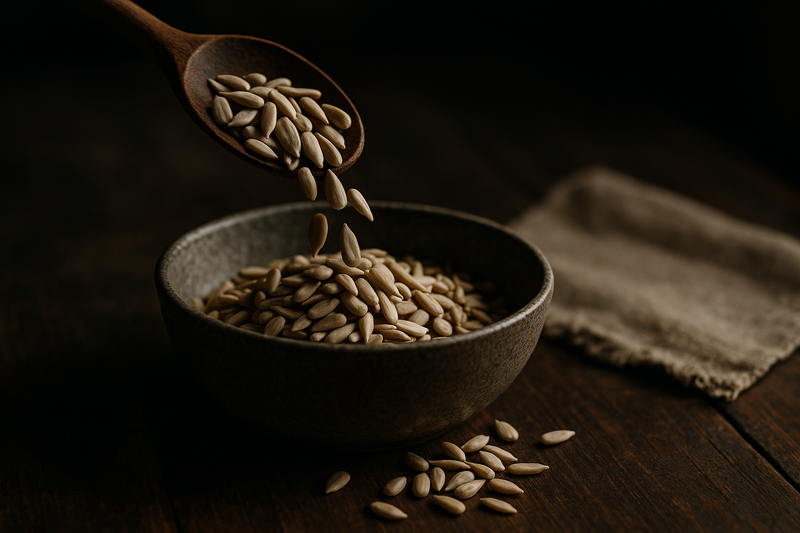
Sunflower Seeds · Photograph
In a modern diet often lacking in fat-soluble antioxidants, sunflower seeds offer a convenient solution. Just a small handful provides more Vitamin E than many people consume in a full day. Their ability to deliver magnesium—a mineral involved in over 300 enzymatic reactions—makes them vital for those focusing on blood pressure regulation and neurological health.
Key Nutrients
% Daily Value based on 2,000 cal diet
Key Takeaways
- 1. One of nature's richest sources of Vitamin E, providing approximately 76% of the Daily Value in just one ounce.
- 2. High magnesium and fiber content help stabilize blood sugar and improve insulin sensitivity.
- 3. Contains significant levels of selenium, a trace mineral essential for antioxidant enzyme function and thyroid regulation.
- 4. Rich in linoleic acid, which helps manage cholesterol levels and supports vascular health.
- 5. Uniquely offers a complete amino acid profile, rare for plant-based seeds, aiding muscle maintenance.
Why Sunflower Seeds' Health Benefits Matter
In a modern diet often lacking in fat-soluble antioxidants, sunflower seeds offer a convenient solution. Just a small handful provides more Vitamin E than many people consume in a full day. Their ability to deliver magnesium—a mineral involved in over 300 enzymatic reactions—makes them vital for those focusing on blood pressure regulation and neurological health.
Key Active Compounds in Sunflower Seeds
- Alpha-tocopherol (Vitamin E): Protects lipids and proteins from oxidative stress.
- Linoleic Acid: An essential Omega-6 fatty acid that supports heart health.
- Selenium: A cofactor for glutathione peroxidase, a major antioxidant enzyme.
- Phenolic Acids: Including chlorogenic and caffeic acid, which provide antimicrobial and anti-inflammatory effects.
- Biotin: A B-vitamin critical for hair, skin, and macronutrient metabolism.
- Arginine: An amino acid that supports nitric oxide production and blood flow.
Prep and Pairing Ideas
- Antioxidant Synergy: Mix sunflower seeds with berries or citrus to pair Vitamin E with Vitamin C.
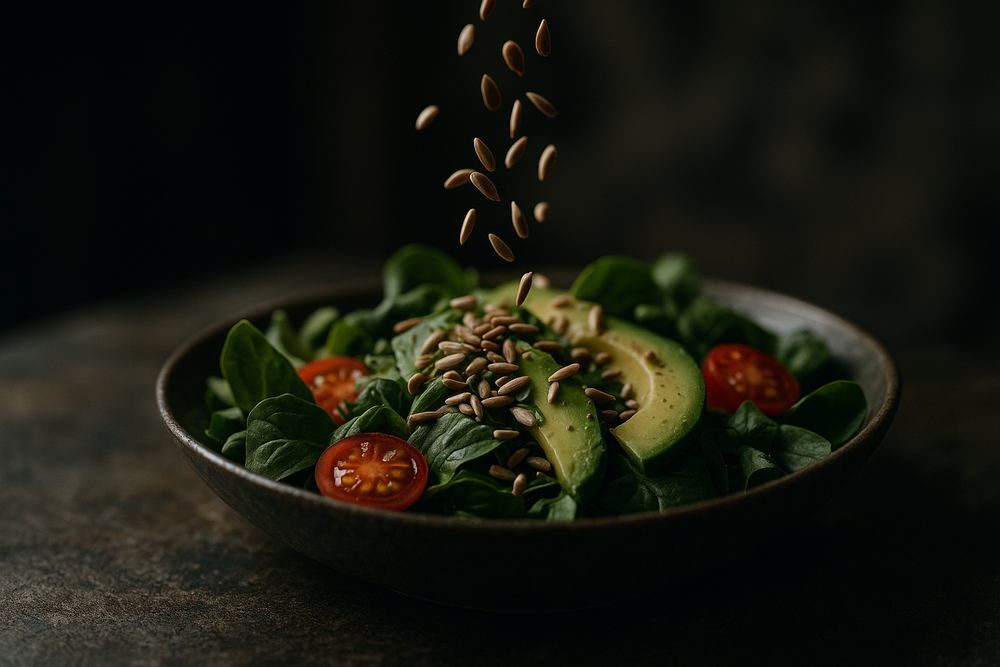
- Mineral Absorption: Add seeds to leafy green salads; the healthy fats help your body absorb the Vitamin K in the greens.
- Protein Boost: Stir kernels into Greek yogurt or cottage cheese for a complete amino acid snack.
Conclusion
Sunflower seeds' health benefits come from their exceptional combination of vitamin E, selenium, magnesium, and healthy fats, all in a convenient, whole-food package. They offer practical nutrition support for heart health, energy metabolism, and antioxidant protection. The key to maximizing benefits is choosing high-quality seeds, managing portion sizes, and incorporating them regularly into a balanced eating pattern.
Whether you prefer the ritual of cracking whole seeds or the convenience of kernels, you're getting one of nature's most nutrient-dense snack foods. Start with smaller amounts and gradually increase as your body adjusts. Focus on unsalted varieties to avoid excess sodium, and remember that consistency matters more than large occasional doses when it comes to nutrient benefits.
How Sunflower Seeds Compares
| Compared with | What's different |
|---|---|
| Sunflower Seeds vs. Pumpkin Seeds | Higher in Vitamin E and selenium but contains more Omega-6 fatty acids per gram. |
| Sunflower Seeds vs. Almonds | Higher in Vitamin E and fiber, while sunflower seeds provide significantly more selenium. |
Health Benefits
Things to Know
Calorie Density: At 165 calories per ounce, mind your portions if weight management is a goal.
Sodium Warning: Many commercial seeds are heavily salted. Opt for "unsalted" or "lightly salted" to protect heart health.
Allergy Sensitivity: People with ragweed allergies may occasionally experience cross-reactivity.
Blood Thinners: Because Vitamin E has mild anti-clotting properties, consult a doctor if you are on anticoagulant medications.
Common Uses
- —Whole roasted seeds provide sustained energy and satiety between meals.
- —Used to add crunch and healthy fats to leafy greens, oatmeal, or yogurt.
- —Sunflower seed butter (SunButter) is a safe alternative for those with tree nut allergies.
- —Dehulled kernels are incorporated into bread, muffins, and pesto for added mineral density.
Best Forms
Most convenient; look for unsalted varieties to avoid excess sodium.
Retain the highest levels of heat-sensitive Vitamin E and B-vitamins.
Excellent for portion control, as the time taken to crack the shell prevents overconsumption.
A nutrient-dense, creamy alternative for those with nut allergies; choose brands without added sugars.
Prep Ideas
- — Antioxidant Synergy: Mix sunflower seeds with berries or citrus to pair Vitamin E with Vitamin C.
- — Mineral Absorption: Add seeds to leafy green salads; the healthy fats help your body absorb the Vitamin K in the greens.
- — Protein Boost: Stir kernels into Greek yogurt or cottage cheese for a complete amino acid snack.
Glossary
Shop This Ingredient
Stock your pantry with quality sunflower seeds.
Buy on AmazonAs an Amazon Associate, Plantopedia earns from qualifying purchases. This costs you nothing extra and helps us keep the encyclopedia free.
Frequently Asked Questions
Sunflower seeds are among the world's best sources of Vitamin E. A single one-ounce serving provides approximately 76% of the daily recommended intake. This powerful antioxidant helps protect your cells from oxidative damage, supports healthy skin, and maintains immune function, making these seeds an efficient way to meet daily requirements.
The optimal amount for most people is 1/4 cup (roughly 28 to 35 grams) of kernels daily. This portion provides substantial minerals and vitamins without excessive calories. If you are new to high-fiber seeds, start with 1 tablespoon to help your digestive system adjust comfortably to the fiber.
Yes, sunflower seeds are safe and highly nutritious for daily consumption. They provide essential fats and minerals that support long-term health. However, you should prioritize unsalted varieties to prevent excessive sodium intake. Also, be mindful of the calorie density by sticking to recommended portion sizes to avoid unintended weight gain.
Sunflower seeds support heart health through their high levels of linoleic acid and magnesium. These nutrients help maintain healthy cholesterol levels and support proper blood pressure regulation. Additionally, the Vitamin E in the seeds prevents the oxidation of cholesterol, which is a key factor in maintaining clear and healthy arteries.
Whole sunflower seeds include the fibrous outer shell, which provides more fiber but requires cracking, which can help with portion control. Kernels are the dehulled inner seeds, offering a higher concentration of vitamins and minerals per gram. Both forms provide the same essential healthy fats and high Vitamin E content.
Sunflower seeds provide sustained energy through a balanced mix of protein, healthy fats, and B-vitamins like biotin and thiamine. These nutrients help your body efficiently convert food into cellular energy. The magnesium content also supports muscle function, preventing the fatigue often associated with mineral deficiencies during a busy day.
Quick Answers
Common questions, answered in a line.
Sunflower seeds are a vital source of magnesium, a mineral that supports neurological health and over 300 enzymatic reactions. This mineral content makes them particularly beneficial for individuals focusing on brain function and blood pressure regulation.
Sunflower seeds provide linoleic acid and arginine, which support heart health by promoting healthy blood flow and nitric oxide production. These seeds also contain vitamin E and selenium, antioxidants that protect lipids and proteins from oxidative stress.
Yes, sunflower seeds contain the amino acid arginine, which supports the body's production of nitric oxide to improve blood flow. Additionally, their magnesium content plays a critical role in the regulation of blood pressure.
To maximize mineral absorption, pair sunflower seeds with leafy greens, as the healthy fats in the seeds help your body absorb Vitamin K. You can also mix them with berries or citrus to create antioxidant synergy between Vitamin E and Vitamin C.
Individuals taking anticoagulant medications should consult a doctor before increasing sunflower seed intake because their high Vitamin E content has mild anti-clotting properties. Those with ragweed allergies should also be cautious of potential cross-reactivity.
Sunflower seeds contain biotin, a B-vitamin that is critical for maintaining healthy hair and skin. They also provide phenolic acids, such as chlorogenic and caffeic acid, which offer anti-inflammatory and antimicrobial effects.
Sunflower seed butter, often called SunButter, serves as a safe and nutrient-dense alternative for people with tree nut allergies. It provides a way to incorporate the seeds' mineral density into diets where nuts are restricted.
For Readers in the USA
Local context — sourcing, seasonality, and regional notes.
The majority of US sunflowers are grown in the Great Plains, specifically North Dakota and South Dakota. These two states consistently lead the nation in production due to the region's ideal soil and climate conditions for both oilseed and confection (snack) varieties.
In the US, sunflower harvests typically occur in the fall, specifically from late September through November. While the plants bloom beautifully in the summer, farmers wait until the heads turn brown and the seeds reach a lower moisture content before harvesting for grocery stores and snacks.
Sunflower seeds are widely available at major US retailers like Walmart, Kroger, and Whole Foods, as well as at local farmers markets. Look for the USDA Organic seal if you want seeds grown according to federal organic standards, which prohibit most synthetic fertilizers and pesticides.
Sunbutter, a popular brand of sunflower seed butter, is a staple in many US schools and households as a delicious, nut-free alternative to peanut butter. This spread is frequently used in "allergy-friendly" lunch programs to ensure safety for children with peanut or tree nut allergies while still providing essential fats and proteins.
AI Clinical Review
- Sunflower seeds are nutrient-dense, especially for vitamin E, unsaturated fats (linoleic acid), magnesium, and fiber—nutrients linked to heart and metabolic health when part of an overall balanced diet.
- Replacing snacks high in saturated fat with sunflower seeds can help improve lipid profiles (lower LDL cholesterol) and support blood pressure via magnesium.
- The combination of protein, fiber, and fat can blunt post-meal blood sugar rises and promote fullness.
- Practical guidance on forms (kernels, butter, oil) and portions (about 1/4 cup for most adults) is helpful and appropriate.
- Antioxidants and phytochemicals in sunflower seeds are promising, but most anti-inflammatory and "prebiotic" effects are based on early or mechanistic research; human outcome data are limited.
- Vitamin E is consistently high, but the exact Daily Value percentage varies by product and processing; selenium content, in particular, varies by soil and growing region and may be more modest than implied.
- While sunflower seeds contain all essential amino acids, their overall protein quality is lower than that of animal proteins; benefits come from varied protein sources throughout the day.
- Claims about improved blood flow/oxygen delivery are indirect (e.g., via selenium or arginine) and not well established for sunflower seeds specifically.
- Typical food-level intake: 1–2 tablespoons to 1/4 cup (≈15–35 g) per day provides benefits without too many calories (about 160–200 kcal per ounce). Choose unsalted or lightly salted to limit sodium.
- Allergy notes: seed allergies exist; people with ragweed/mugwort pollen sensitivity may experience oral allergy symptoms—seek guidance if this applies to you.
- Medications and conditions: Food sources of vitamin E are generally safe, but those on anticoagulants should be cautious with high-dose vitamin E supplements. People with chronic kidney disease or heavy smokers may wish to moderate very high, long-term intakes due to potential cadmium accumulation.
- Digestion and minerals: Seeds contain phytates (natural compounds that can reduce mineral absorption). Roasting/soaking and eating a varied diet helps balance this.
- Cold sores: sunflower seeds are relatively high in arginine; some individuals with recurrent herpes labialis find large amounts can be a trigger—monitor your own response.
Mention allergy context where appropriate; keep serving size realistic.
References
- USDA FoodData Central - Sunflower seeds nutrition data (fdc.nal.usda.gov)
- Healthline - Sunflower Seeds: Nutrition, Benefits, and How to Eat (healthline.com)
- PMC - Review of phytochemistry and medicinal uses of sunflower seed (pmc.ncbi.nlm.nih.gov)
- WebMD - Health Benefits of Sunflower Seeds (webmd.com)
- National Sunflower Association - NuSun factsheet and nutritional information (sunflowernsa.com)
- PMC - Nutritional characteristics and bioactive compounds in sunflower seeds (pmc.ncbi.nlm.nih.gov)
- NIH National Center for Complementary and Integrative Health - Antioxidants fact sheet (nccih.nih.gov)
- Nutrivore - Comprehensive sunflower seed nutrient analysis (nutrivore.com)
Know Your Numbers
Eating healthy is a start. Now get to know your biomarkers.
Food changes bloodwork — inflammation, lipids, blood sugar and nutrient status all respond to what you eat. 59 markers from $59.
- Results in 7–10 days at 2,000+ Quest sites
- Licensed provider reviews every result
- One flat price, no membership, HSA/FSA eligible
Educational information only, not medical advice. Panels are ordered and reviewed through our licensed partner; Plantopedia may earn a commission.