Szechuan Peppercorn — health benefits and uses
Used in Chinese medicine to stimulate appetite.
The Short Answer
Szechuan peppercorns are the dried husks of the prickly ash shrub, prized for a unique numbing sensation caused by the compound hydroxy-alpha-sanshool. Unlike black pepper, they provide a citrusy aroma and a vibrating "tingle" rather than direct heat.
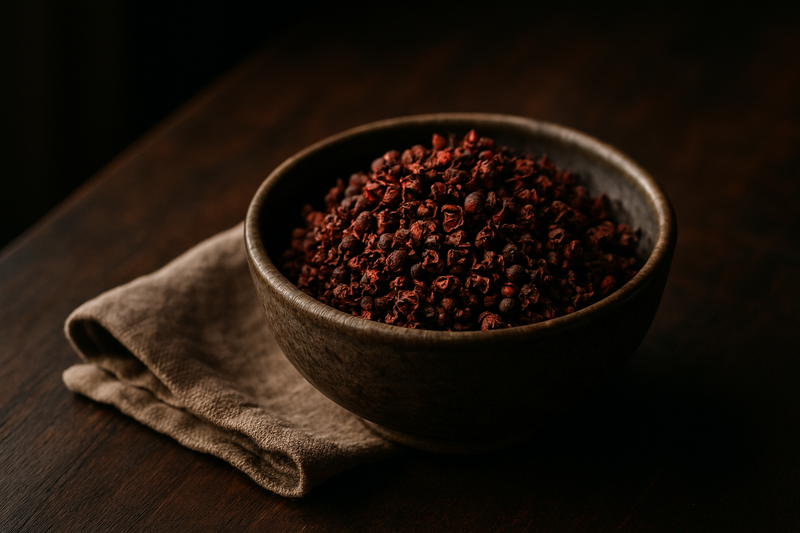
Szechuan Peppercorn · Photograph
Discover the science-backed Szechuan peppercorn health benefits, what causes its signature numbing zing, how to use it in stir-fries, and what safety considerations matter most. A complete ingredient guide from Plantopedia.
Key Nutrients
% Daily Value based on 2,000 cal diet
Key active compounds
The health-relevant action in Szechuan peppercorn comes primarily from its unique phytochemical profile:
- Hydroxy-α-sanshool — The principal alkylamide (a type of nitrogen-containing plant compound) responsible for the tingling, numbing sensation. It activates specific sensory neurons in the mouth. Preclinical research links it to potential effects on lipid metabolism and pain pathways.
- β-sanshool and hydroxy-β-sanshool — Related sanshool variants that amplify pungency and may share anti-inflammatory and neuromodulatory (nerve-influencing) properties seen in lab models.
- Terpenes: β-myrcene, limonene, geraniol, linalool, cineol, citronellal — Volatile aromatic compounds that give Szechuan peppercorn its distinctive citrusy, floral fragrance. Terpenes are broadly studied for antioxidant and antimicrobial properties, though specific human data for this spice remain limited.
- Flavonoids and polyphenols — Small amounts of plant phenolic compounds that contribute to antioxidant capacity in experimental systems. Their exact identity and concentration in a culinary serving are not fully characterized.
Buying guide
Optional module: chosen because form and freshness dramatically affect both flavor and phytochemical delivery.
What to look for on the label or in the bag:
- Color: quality Szechuan peppercorns should be a warm reddish-brown, not pale or grey. Dull color often signals age.
- Smell: open the bag if possible. Fresh peppercorns smell citrusy, floral, almost perfumey. A weak or musty smell means stale stock.
- Form: look for husks only, not husks with black seeds still inside. The seeds are bitter and gritty; most quality suppliers remove them. If you buy with seeds included, pick them out before using.
- Whole vs. pre-ground: always prefer whole and grind at home for maximum aroma and sanshool potency.
Fresh vs. dried: Szechuan peppercorn is always sold dried. There is no meaningful fresh-to-consumer form in Western markets.
Canned or jarred products: Some chili oils and doubanjiang (fermented chili bean paste) products contain Szechuan pepper. These are fine for cooking but are processed products where the peppercorn content per serving is unknown.
Storage tip: Store whole peppercorns in an airtight container away from light and heat. They keep well for up to a year. Ground pepper loses most of its aroma within 2–3 months.
Prep and pairing ideas
Szechuan peppercorn is versatile once you get comfortable with its unique character. The key rule: toast it first, then use it.
How to toast: Dry-toast whole peppercorns in a skillet over medium heat for 60–90 seconds, shaking frequently, until fragrant. Let cool, then crush or grind.
Stir-fry base: Add ½ teaspoon of crushed peppercorn to hot oil alongside garlic and ginger at the start of a stir-fry. This is the classic mala base, and it builds depth under any protein or vegetable you add.
Spice rub for tofu or mushrooms: Mix ground Szechuan peppercorn with salt, five-spice powder, and a pinch of chili flakes. Press onto extra-firm tofu or king oyster mushrooms before searing.
Finishing oil: Make a small batch of Szechuan pepper oil (peppercorns gently heated in a neutral oil for 10 minutes, then strained). Drizzle over cold noodles, steamed greens, or dumplings right before serving.
Common pairings and why they work:
- Szechuan peppercorn + dried red chilies (mala combination): The numbing effect of sanshools and the burn of capsaicin are neurologically distinct and combine to create a layered sensory experience. Neither alone produces the same effect — this pairing is the foundation of Sichuan cuisine.
- Szechuan peppercorn + ginger + garlic: All three stimulate digestive secretions via different mechanisms (sanshools, gingerols, and allicin respectively), and together they create an aromatic base that makes plant-heavy dishes deeply savory.
- Szechuan peppercorn + citrus zest: The terpene profiles overlap — limonene and geraniol appear in both — making this pairing taste harmonious and bright. Try a pinch of ground Szechuan peppercorn in a citrus dressing or marinade.
Bottom line
Szechuan peppercorn is a genuinely fascinating spice — not a black pepper variant, not a chili substitute, but a botanical category of its own. Its signature numbing-tingling effect is well understood, safe at culinary amounts, and produced by a class of compounds (sanshools) that show real biological activity in preclinical research.
Whether those lab findings translate to meaningful health outcomes in people eating normal amounts of this spice remains an open question. The human trial evidence is thin. What is not in question is this: it makes whole-food, plant-based cooking more exciting, more layered, and more likely to be something you return to — and that dietary consistency is itself a health asset.
Use it in stir-fries, noodle dishes, spice rubs, and infused oils. Toast it first. Grind it fresh. Pair it with chilies, ginger, and citrus. Introduce it gradually if your stomach is sensitive. And enjoy it for what it genuinely is: one of the world's most distinctive culinary ingredients, with a phytochemical profile that science is only beginning to understand.
Curious about building more flavor-forward, anti-inflammatory meals around ingredients like this one? Explore the Plantopedia goals guide for practical starting points.
How Szechuan Peppercorn Compares
| Compared with | What's different |
|---|---|
| Szechuan Peppercorn vs. Black Peppercorn | Produces a sharp, pungent heat via piperine rather than a numbing, citrusy sensation. |
| Szechuan Peppercorn vs. Chili Flakes | Delivers intense spicy heat (capsaicin) rather than the vibrating, tingling effect of sanshool. |
Health Benefits
Things to Know
GI conditions: If you have peptic ulcer disease, active gastritis, ulcerative colitis, or diverticulitis, pungent spices including Szechuan peppercorn may irritate the gut lining and worsen symptoms. Introduce cautiously or avoid during flares.
Rutaceae allergy: Szechuan peppercorn is in the same botanical family as citrus fruits (Rutaceae). Rare cross-reactivity is possible if you have known citrus allergies. Start with a small amount and monitor.
Pregnancy and breastfeeding: Small culinary amounts are generally considered fine, but there are no formal safety studies on high or concentrated intake during pregnancy. Avoid supplement-level doses.
Medications — anticoagulants (blood thinners): No specific documented interaction at culinary doses, but very high intake of pungent spices warrants a conversation with your prescriber if you are on warfarin or similar drugs.
Medications — antihypertensives and antidiabetics: No clinically significant interactions with Szechuan peppercorn have been documented. Do not use this spice as a substitute for prescribed medications.
Trigeminal neuralgia or very low pain threshold: The intense sensory stimulation from sanshools may be uncomfortable for some individuals; start with a very small amount to gauge tolerance.
The numbing sensation is normal: A tingling, buzzing feeling on your lips and tongue after eating this spice is expected and harmless. It fades within 10–20 minutes.
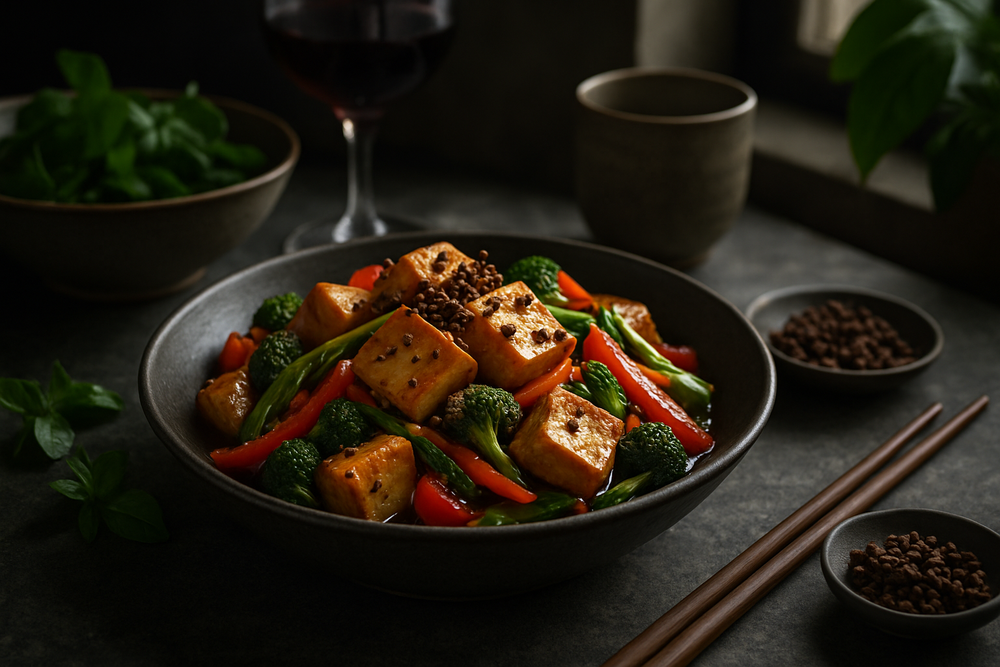
Prep Ideas
- — **Szechuan peppercorn + dried red chilies (mala combination):** The numbing effect of sanshools and the burn of capsaicin are neurologically distinct and combine to create a layered sensory experience. Neither alone produces the same effect — this pairing is the foundation of Sichuan cuisine.
- — **Szechuan peppercorn + ginger + garlic:** All three stimulate digestive secretions via different mechanisms (sanshools, gingerols, and allicin respectively), and together they create an aromatic base that makes plant-heavy dishes deeply savory.
- — **Szechuan peppercorn + citrus zest:** The terpene profiles overlap — limonene and geraniol appear in both — making this pairing taste harmonious and bright. Try a pinch of ground Szechuan peppercorn in a citrus dressing or marinade.
Shop This Ingredient
Stock your pantry with quality szechuan peppercorn.
Buy on AmazonAs an Amazon Associate, Plantopedia earns from qualifying purchases. This costs you nothing extra and helps us keep the encyclopedia free.
Frequently Asked Questions
Here is what the current evidence — from traditional use, lab research, and the few human studies available — suggests about each area. Digestive health and gut comfort Traditional Chinese medicine and East Asian culinary tradition have long used Szechuan peppercorn to warm the stomach, stimulate appetite, and ease bloating. The underlying mechanism makes biological sense: pungent compounds in spices can prompt saliva production and stimulate gastric (stomach) secretions, which may assist the early stages of digestion. Terpenes like limonene have established digestive effects in other plants. That said, no randomized controlled trials (the gold standard of clinical evidence) specifically testing Szechuan peppercorn for conditions like dyspepsia (indigestion), constipation, or bloating in humans have been published. The digestive case rests on traditional use and mechanistic plausibility rather than direct proof. Importantly, the flip side also applies: if you have an active inflammatory gut condition (see safety section below), this spice may irritate rather than help. Inflammation and antioxidant activity Lab studies show that sanshools, flavonoids, and terpenes from Szechuan peppercorn can reduce markers of inflammation and neutralize free radicals (unstable molecules that damage cells) in cell and animal models. Hydroxy-α-sanshool appears to interact with sensory neurons involved in neurogenic inflammation — inflammation driven by nerve signals. These are intriguing findings, but they have not yet been replicated in human trials. At the small amounts used in cooking, any anti-inflammatory contribution would be modest and should be seen as part of an overall anti-inflammatory diet pattern — not a standalone intervention. Heart and circulation Szechuan peppercorn contains potassium, antioxidant polyphenols, and sanshools that, in animal models, show preliminary effects on lipid (fat) metabolism and body weight regulation. Sanshools share a chemical family with capsaicin (the active compound in chili peppers), and large observational studies do link frequent pungent-spice consumption to lower cardiovascular mortality — but those studies focused on capsaicin-rich chili peppers, not Szechuan peppercorn specifically. There are no human trials measuring blood pressure, cholesterol, or cardiovascular events using Szechuan peppercorn. Any heart-health benefit at this stage is speculative and food-based — not therapeutic. Blood sugar and metabolism Mechanistic research on pungent spices suggests compounds in this family may influence energy expenditure and glucose (blood sugar) handling. However, these findings come almost entirely from capsaicin studies, not from sanshool-specific human research. Szechuan peppercorn should be considered a flavorful component of a blood-sugar-friendly diet, not a blood-sugar supplement. People managing diabetes should not adjust medications based on this spice. The numbing effect: what is it and is it healthy? This is Szechuan peppercorn's best-documented biological action in humans. Psychophysical studies (controlled experiments measuring sensory perception in human participants) have clearly established that hydroxy-α-sanshool activates a specific subset of sensory neurons in the lips, tongue, and mouth — producing the characteristic tingling paresthesia (an unusual skin or nerve sensation, like pins and needles). This is distinct from the burn of capsaicin or the sharp bite of black pepper's piperine. The numbing-tingling effect is normal, expected, and not harmful at the amounts used in cooking. It is the whole point of the spice in classic Sichuan cuisine. No adverse neurological outcomes from culinary use have been documented.
The form you choose makes a real difference to both flavor and convenience. Whole dried husks are the most traditional and most shelf-stable option. Toasting them briefly in a dry pan before use wakes up the aromatic oils and intensifies flavor. They can be added whole to stir-fries, braises, or oil infusions, then left in or fished out before serving (the husks can be quite chewy). Whole peppercorns hold their volatile oils — the aromatic terpenes — far longer than pre-ground versions. Ground or freshly crushed peppercorn releases flavor fastest and distributes evenly through a dish. The downside: once ground, the volatile oils dissipate quickly. Freshly grinding a small batch in a mortar or spice grinder just before use is the best of both worlds. Pre-ground Szechuan pepper bought in a jar loses its punch within a few months if not sealed well. Szechuan pepper–infused oil is made by gently heating whole or crushed peppercorns in a neutral oil. The sanshools and terpenes extract into the oil, creating a fragrant, numbing condiment used to dress noodles, drizzle over cold dishes, or finish stir-fries. This form delivers the numbing effect efficiently without adding whole husks to the dish texture. Supplement extracts (sanshool isolates) exist in research settings but are not standard consumer products and have no established clinical dosing. Stick to the whole food form.
There is no established therapeutic dose for Szechuan peppercorn. It has not been studied in clinical trials at any specific intake level. The guidance below reflects culinary convention and general spice safety, not a medical recommendation. Culinary range: Most recipes call for ½ to 2 teaspoons (approximately 1–4 g) of whole or ground peppercorn per dish, typically serving 2–4 people. That translates to roughly ¼ to 1 teaspoon per person per meal. Start low if you are new to it: The sanshool effect can be surprising if you are not expecting it. Start with ¼ teaspoon per dish and build up based on your comfort and preference. No upper limit has been set by any health authority. At typical cooking amounts, safety concerns are minimal for healthy adults. Very large amounts on a daily basis are uncharted territory and unnecessary — the flavor becomes overwhelming long before any theoretical risk. Supplement forms: Avoid concentrated sanshool supplements outside of medical supervision. There are no dosing guidelines, and the research supporting their use in humans is not yet there.
Quick Answers
Common questions, answered in a line.
Hydroxy-α-sanshool is the primary plant compound in Szechuan peppercorns responsible for the signature tingling and numbing sensation. This alkylamide activates specific sensory neurons in the mouth and is linked to potential effects on pain pathways and lipid metabolism.
Quality Szechuan peppercorns should be a warm reddish-brown color and have a citrusy, floral fragrance. Avoid dull grey peppercorns or those with a musty smell, as these are signs of age, and look for husks that have had the bitter black seeds removed.
Dry-toast whole Szechuan peppercorns in a skillet over medium heat for 60 to 90 seconds until they become fragrant. Once toasted, let them cool before crushing or grinding them to release their maximum aroma and potency.
People with gastrointestinal conditions like peptic ulcers, gastritis, or ulcerative colitis should avoid Szechuan peppercorns as they may irritate the gut lining. Additionally, those with citrus allergies should be cautious due to potential cross-reactivity within the Rutaceae family.
Szechuan peppercorn pairs exceptionally well with dried red chilies, ginger, garlic, and citrus zest. The combination of Szechuan pepper and chilies creates the classic "mala" flavor, while pairing it with citrus complements the spice's natural limonene and geraniol content.
Yes, the tingling or buzzing feeling on your lips and tongue is a normal and harmless reaction to the sanshools in the spice. This sensation typically fades within 10 to 20 minutes and is not a cause for concern.
Store whole Szechuan peppercorns in an airtight container away from direct light and heat to maintain their flavor for up to a year. Once ground, the spice loses most of its aroma within two to three months, so it is best to grind it fresh as needed.
For Readers in the USA
Local context — sourcing, seasonality, and regional notes.
You can buy Szechuan peppercorns at major US grocery chains like Whole Foods and Wegmans, as well as specialized retailers like H Mart, 99 Ranch Market, or online spice shops. While standard supermarkets may carry them in the international aisle, Asian grocery stores typically offer higher turnover and better freshness.
While Szechuan peppercorns were banned from US import between 1968 and 2005 to prevent citrus canker spread, they are now legal provided they are heat-treated to kill the bacteria. The USDA and FDA permit their sale today, but you may still see them labeled as "dried peppercorns" or "prickly ash" to comply with specific labeling standards.
Yes, you can grow Szechuan pepper trees (Zanthoxylum simulans or Zanthoxylum bungeanum) in USDA Plant Hardiness Zones 5 through 9, which covers much of the US from the Pacific Northwest to the Northeast. These deciduous shrubs are cold-hardy and produce small red berries in late summer or early fall, which are then dried to harvest the husks.
In the US, Szechuan peppercorns are the defining ingredient in "Mala" dishes, a flavor profile that combines numbing heat with chili spice found in trendy Szechuan peppercorn-dusted fried chicken and hot pot restaurants. The American culinary scene has also adopted the spice in craft cocktails and gourmet chocolates due to its unique sensory effect.
AI Clinical Review
- Clearly explains that Szechuan peppercorn is not black pepper and that its numbing effect comes from sanshools; human sensory (psychophysical) studies support this effect as expected and safe at culinary amounts.
- Appropriately frames most proposed benefits (digestive support, antioxidant activity) as plausible but not clinically proven, with limited human trials to date.
- Emphasizes its value as a low‑calorie flavor booster that can make plant‑forward eating more enjoyable—consistent with behavior‑focused nutrition guidance.
- Offers practical, accurate preparation advice (toast, then grind; whole retains aroma longer) that affects both flavor and phytochemical delivery.
- Digestive benefits are based on tradition and mechanism (pungent spices can stimulate saliva and gastric secretions), but there are no randomized controlled trials specific to Szechuan peppercorn.
- Anti‑inflammatory and antioxidant findings largely come from cell/animal studies of sanshools and terpenes; real‑world effects at typical food doses in humans are unknown.
- Cardiometabolic claims are speculative; observational links with spicy foods mainly involve capsaicin‑rich chilies, not Zanthoxylum species specifically.
- No standardized dosing or supplement‑grade evidence exists for isolated sanshool extracts in humans.
- Typical culinary use lands around ¼–1 teaspoon per person per meal; there is no established therapeutic dose or upper limit—start small if you’re new to the sensation.
- People with active GI conditions (ulcer, gastritis, IBD flares, diverticulitis) may find pungent spices irritating; introduce cautiously or pause during flares.
- Those with citrus/Rutaceae allergies should trial very small amounts first; in pregnancy or breastfeeding, culinary amounts are generally fine, but avoid concentrated supplements.
- Drug interactions at food doses are unlikely; if you use large amounts regularly and take anticoagulants (e.g., warfarin), check with your clinician for individualized advice.
Mild numbing effect is normal.
References
- USDA FoodData Central — nutrition data reference for spices and herbs (fdc.nal.usda.gov)
- Szechuan peppercorns per-teaspoon nutrition facts and macronutrient breakdown (recipal.com)
- Sichuan peppercorns: nutrition facts overview and traditional health uses, Nutrition-and-You (nutrition-and-you.com)
- Human sensory neuron study: pungent agents from Szechuan pepper activate TRPV1- and TRPA1-expressing neurons — PMC/NIH (pmc.ncbi.nlm.nih.gov)
- Bulk Sichuan peppercorn flavor, aroma, and per-teaspoon nutritional data — SpicesInc (spicesinc.com)
- Composition, tingling paresthesia mechanism, and pungent alkylamides in Zanthoxylum species — ScienceDirect review (sciencedirect.com)
- From pungent spices to pharma-food: functional roles of alkylamides including sanshools — Trends in Food Science & Technology review (2024.sci-hub.se)
- Observational study on spicy food consumption and mortality in Chinese adults — SBS/academic context (sbs.com.au)
- NIH National Center for Complementary and Integrative Health — general guidance on herbs and spices safety (nccih.nih.gov)
Know Your Numbers
Eating healthy is a start. Now get to know your biomarkers.
Food changes bloodwork — inflammation, lipids, blood sugar and nutrient status all respond to what you eat. 59 markers from $59.
- Results in 7–10 days at 2,000+ Quest sites
- Licensed provider reviews every result
- One flat price, no membership, HSA/FSA eligible
Educational information only, not medical advice. Panels are ordered and reviewed through our licensed partner; Plantopedia may earn a commission.