Tamarind — health benefits and uses
Widely used across South Asia and Latin America as a gentle digestive and laxative.
The Short Answer
Tamarind is a nutrient-dense fruit providing 750mg of potassium and 110mg of magnesium per cup. It is widely used as a souring agent in cooking to support digestion and heart health through its high fiber and tartaric acid content.

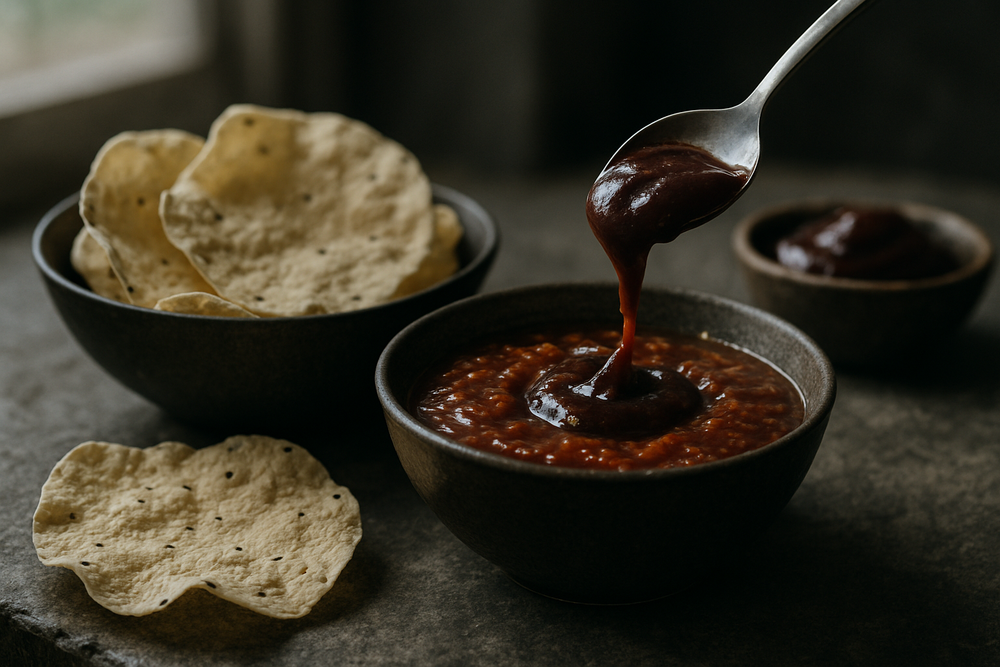
Tamarind · Photograph
Discover the real tamarind health benefits, nutrition facts, and side effects. Learn how this sticky-tart pod fruit supports digestion, heart health, and more — plus who should watch their portions.
Key Nutrients
% Daily Value based on 2,000 cal diet
Key active compounds
Tamarind's nutritional personality comes from several overlapping compound groups:
- Tartaric acid — The dominant organic acid in tamarind pulp, making up roughly 40–55% of its total acid content. Gives the fruit its sharp tang and has antioxidant properties, though clinical significance in humans is not yet established.
- Citric acid — A naturally occurring organic acid also found in citrus. Adds sour notes and may enhance the absorption of minerals such as iron when consumed together at a meal.
- Malic acid — A third organic acid that rounds out the flavor and contributes to the fruit's overall antioxidant capacity.
- Pectin and soluble fiber — Gel-forming carbohydrates (polysaccharides) found in the pulp. Soluble fiber dissolves in water, forming a gel in the gut that can slow sugar absorption and support stool formation.
- Polyphenols — A broad family of plant antioxidants present in the pulp and especially the seed coat. Most research on tamarind polyphenols is in lab or animal settings; human clinical trials are limited.
- B vitamins — Particularly thiamin (B1), riboflavin (B2), and niacin (B3), which support energy metabolism and nervous system function.
Prep and pairing ideas
Tamarind's tart depth makes it one of the most versatile souring agents in global cooking. Here are three practical pairings that highlight different faces of the fruit.
Tamarind + chickpeas (chana chaat): The acidity of tamarind chutney cuts through the earthy richness of chickpeas and brightens the whole dish. You also get a complementary nutrient boost: chickpeas provide plant-based protein and additional fiber, while tamarind adds magnesium and B vitamins.
Tamarind + peanuts (pad thai): Classic for a reason. The sour-sweet tamarind paste balances the fat richness of peanuts and provides a sauce backbone without needing heavy oil or refined sugar in large amounts. Using a homemade tamarind base rather than a bottled sauce keeps sodium and added sugar in check.
Tamarind + hibiscus (agua fresca): Both are tart, deeply colored, and naturally refreshing. Steep dried hibiscus flowers, strain, and add a small amount of tamarind paste with a squeeze of lime and minimal sweetener. You get two antioxidant-rich plant sources in one glass, with far less sugar than most commercial drinks.
Bottom line
Tamarind earns its place in a whole-food, plant-based diet as a bold, functional flavor ingredient — not a superfood, but far from nutritionally empty. Its strengths are real: meaningful magnesium and potassium, a solid thiamin contribution, and a decent fiber content that supports gut health. Its organic acids and polyphenols add antioxidant value as part of a broader plant-rich eating pattern.
The catch is portion and form. Fresh pods and unsweetened paste used in savory cooking are the smartest choices. Sweetened drinks and candies carry a sugar and acid cost that can outweigh the benefits if consumed frequently. Treat tamarind as you would any flavorful, concentrated whole fruit — enjoy it regularly in culinary amounts, lean toward the least-processed forms, and be mindful of the sweeter, more processed versions.
How Tamarind Compares
| Compared with | What's different |
|---|---|
| Tamarind vs. Dates | More tart and acidic with a sticky, paste-like texture; dates are much sweeter and chewier. |
| Tamarind vs. Lime Juice | Tamarind provides a sour, earthy tang; lime juice provides a bright, citrusy acidity. |
Health Benefits
Things to Know
High natural sugar: Even unsweetened tamarind pulp is dense in sugar. Keep portion size in mind if you are monitoring carbohydrate intake.
Mild laxative effect: Larger quantities can increase stool frequency and cause gas or bloating. Start with small culinary amounts if you are new to it.
Acidity and dental health: Frequent exposure to tamarind — especially in candy or undiluted concentrate form — can erode tooth enamel over time. Rinse your mouth with water after eating sour tamarind products.
GERD and reflux: If you have gastroesophageal reflux disease (a condition where stomach acid flows back into the esophagus), large amounts of high-acid tamarind may worsen symptoms.
Diabetes and blood sugar medications: Tamarind — especially in drinks and candies — contributes carbohydrates that need to be counted. Large or frequent servings could affect blood glucose in people using insulin or oral hypoglycemic agents.
Kidney disease: Tamarind is relatively high in potassium. People on potassium-restricted diets due to kidney disease should discuss portion limits with their care team.
Pregnancy: Culinary food-level tamarind is generally considered safe. High-dose concentrated extracts or supplements have not been well studied in pregnancy; stick to food amounts.
Children: Tamarind candies are very popular with kids, but their high sugar and acid content warrant portion awareness.
Shop This Ingredient
Stock your pantry with quality tamarind.
Buy on AmazonAs an Amazon Associate, Plantopedia earns from qualifying purchases. This costs you nothing extra and helps us keep the encyclopedia free.
Frequently Asked Questions
Research on tamarind as a whole food is still maturing. Most evidence is built on its nutrient composition and traditional use rather than large-scale clinical trials. Here is what current science suggests, area by area. Digestive health and microbiome Tamarind benefits for digestion and gut health have the longest track record of any claim. The pulp's soluble fiber — including pectin — feeds beneficial gut bacteria and supports stool bulk and regularity. Combined with its organic acids, which gently stimulate the gut, tamarind has been used as a traditional mild laxative for centuries. In practical terms: a small to moderate culinary portion is unlikely to cause any issues, but larger intakes — like several glasses of sweetened tamarind juice or a lot of candy — can increase stool frequency and gas, especially if your gut isn't used to high-fiber or high-acid foods. People with irritable bowel syndrome (IBS) may want to start with small amounts. Heart and circulation Tamarind's cardiovascular case is largely built on its mineral content. A single cup of pulp provides 26% of the daily magnesium target and 16% of potassium — two minerals consistently linked to healthy blood pressure in population studies. Its naturally low fat content also means it can replace higher-fat or higher-sodium sauces in dishes like pad thai without adding an unhealthy trade-off. However, direct clinical evidence is limited. Controlled human trials showing that tamarind itself lowers blood pressure or improves cholesterol are scarce. Tamarind benefits for heart health are better understood as part of an overall fruit- and fiber-rich dietary pattern rather than a standalone intervention. Blood sugar and metabolism This is where context matters most. Tamarind is genuinely high in natural sugars — around 38–47 g per cup of pulp. However, its fiber and organic acids may modestly slow carbohydrate absorption when eaten as part of a mixed meal, which could blunt post-meal blood sugar spikes compared with consuming the same amount of sugar in refined form. For people without diabetes, culinary amounts of tamarind (a tablespoon of paste, a couple of fresh pods) fit into a balanced diet without concern. For people managing blood sugar, the carbohydrate content — particularly from sweetened tamarind drinks and candies — needs to be tracked. Robust human trials specifically testing tamarind for glycemic control are currently lacking. Inflammation and recovery Tamarind's organic acids and polyphenols have demonstrated antioxidant activity in lab studies, and antioxidants are associated with reduced oxidative stress — a driver of chronic inflammation. This is promising, but the honest assessment is that human clinical evidence for tamarind-specific anti-inflammatory effects is very thin. Any inflammation benefit is best viewed as part of the broader effect of eating more fruits, fiber, and plant polyphenols — not as something unique to tamarind.
Buying guide: fresh pods, paste, concentrate, and candy compared Choosing the right tamarind product shapes both its nutrition profile and how much sugar and acid you actually consume. Fresh tamarind pods — The least-processed, most whole-food option. Crack open the shell, peel away the fibers, and eat the pulp directly or soak it for cooking. You get the complete fruit matrix — fiber, minerals, acids — with no added sugar or preservatives. Downside: labor-intensive and not always easy to find outside South Asian, Latin, or Caribbean grocery stores. Compressed pulp blocks or jars of paste — The most practical option for cooking. Seeds and tough fibers are removed; the pulp is compacted or blended. These are the go-to for chutneys, curries, and pad thai. Check labels: ideally the only ingredient should be tamarind. Some brands add salt or sugar; look for "tamarind" or "tamarind pulp" alone on the ingredient list. Tamarind concentrate — More intensely sour and sometimes more processed; a teaspoon can flavor a whole pot. Convenient but may contain preservatives. Because it is so potent, portions tend to be tiny, which keeps sugar load low. Sweetened tamarind beverages (agua fresca, bottled drinks) — Often contain several tablespoons of pulp per serving plus added sugar. Read the nutrition label: some bottled versions have as much sugar as a soda. Homemade agua fresca with minimal added sugar is a much better choice. Tamarind candies — Enjoyable occasionally, but these combine high natural sugar with significant acid exposure. Frequent snacking on tamarind candy is associated with dental enamel erosion risk and can contribute meaningfully to daily sugar intake — especially for children. Label tip: For any packaged tamarind product, the shorter the ingredient list, the better. Avoid products where sugar, corn syrup, or artificial flavors appear near the top.
There is no formally established recommended daily intake for tamarind as a functional food. General guidance from nutrition and culinary sources points to: Culinary flavoring (most common use): 5–15 g of pulp or paste per serving — roughly one to three teaspoons in a dish that serves several people. At this level, the sugar and acid load is low, and you still pick up some fiber and minerals. Practical daily maximum for whole-food consumption: Around 10–20 g of unsweetened pulp (one small handful of fresh pods, or about one tablespoon of paste) is a reasonable ceiling for people eating it as a food rather than a supplement. Sweetened products: Because tamarind candies, bottled drinks, and sweet chutneys layer significant added sugar on top of the fruit's natural sugar, these should be considered occasional treats rather than daily staples. Start low: If you are not used to high-acid or high-fiber foods, begin with a small culinary amount and see how your gut responds before increasing portion size. No supplement evidence: Tamarind extract supplements exist but have limited human safety and efficacy data. Whole-food culinary use is better supported.
Quick Answers
Common questions, answered in a line.
Tamarind is a good source of magnesium, potassium, thiamin (B1), riboflavin (B2), and niacin (B3). These nutrients support energy metabolism, nervous system function, and heart health as part of a plant-rich diet.
Tamarind supports digestive health through its pectin and soluble fiber content, which helps with stool formation and gut health. However, larger quantities can have a mild laxative effect and may cause gas or bloating.
People with kidney disease should be cautious with tamarind because it is relatively high in potassium. Those on potassium-restricted diets should discuss specific portion limits with their healthcare team.
Tamarind may enhance iron absorption when consumed during a meal because of its natural citric acid content. This organic acid, also found in citrus fruits, helps the body better process minerals from food.
Frequent exposure to tamarind, particularly in candy or concentrate form, can erode tooth enamel due to its high acidity. It is recommended to rinse your mouth with water after consuming sour tamarind products to protect your teeth.
Tamarind contains tartaric, citric, and malic acids, which provide its signature sharp tang and antioxidant properties. Tartaric acid is the dominant organic acid, making up 40–55% of the pulp's total acid content.
Tamarind is safe for pregnant women when consumed in normal culinary food amounts. However, high-dose concentrated extracts or supplements should be avoided as they have not been well studied for use during pregnancy.
For Readers in the USA
Local context — sourcing, seasonality, and regional notes.
In the United States, you can find fresh tamarind pods, pastes, and concentrates at major retailers like Whole Foods and Kroger, as well as at specialized H-Mart or local Indian and Latino grocery stores. While larger chains often stock processed pastes in the international aisle, ethnic markets are the best source for raw pods or seedless blocks.
Tamarind grows primarily in USDA hardiness zones 10 and 11, with commercial production centered in South Florida and small-scale cultivation in Hawaii and parts of coastal Southern California. Because the trees require tropical conditions and are sensitive to frost, most tamarind sold in other US regions is imported from Mexico or Thailand.
The FDA monitors imported tamarind products for lead contamination, which has historically been an issue in certain tamarind-based candies and pottery-stored pastes from Mexico. When shopping in the US, look for "USDA Organic" labels or reputable brands to ensure the product meets federal safety and purity standards.
In the US, tamarind is most frequently encountered as a key ingredient in Pad Thai, Mexican "Agua de Tamarindo," and traditional Indian chutneys. It is also a "hidden" staple in American pantries as a primary flavoring component of Worcestershire sauce and various steak sauces.
AI Clinical Review
- Clearly explains that tamarind is unusually rich (for a fruit) in magnesium, potassium, iron, and thiamin, while noting that real-world culinary portions are smaller than a cup.
- Helpfully differentiates whole-food forms (pods, unsweetened paste/concentrate) from sweetened beverages and candies, which carry much higher sugar and acid loads.
- Describes digestive effects appropriately: soluble fiber and organic acids can support regularity, but larger intakes may cause gas or loose stools.
- Offers practical buying and label tips that align with general nutrition guidance (short ingredient lists, minimal added sugar/salt).
- Heart-health claims are mostly inferential from mineral content; rigorous human trials showing blood pressure or lipid improvements from tamarind itself are limited.
- Glycemic effects are context-dependent: fiber/organic acids may modestly blunt post-meal spikes within mixed meals, but the fruit’s inherent sugars and scarce clinical data curb strong conclusions.
- Antioxidant/anti-inflammatory statements are based largely on lab or animal work; human outcome data tying tamarind intake to reduced disease risk are lacking.
- The idea that organic acids enhance mineral absorption is biologically plausible, but tamarind-specific human evidence remains thin.
- Portions: culinary use of ~5–15 g pulp or paste per dish (and up to ~10–20 g/day of unsweetened pulp) is generally well tolerated; sweetened drinks and candies are best kept occasional.
- Dental and GI considerations: high acidity plus stickiness can erode enamel with frequent exposure; larger amounts may have a mild laxative effect—start small if you have a sensitive gut or IBS.
- Who should be cautious: people with diabetes or on glucose-lowering meds should count the carbohydrates; those with chronic kidney disease/potassium restriction should review portions; those with GERD may find acidic forms aggravating.
- Pregnancy and children: culinary food amounts appear fine in pregnancy; avoid high-dose extracts due to limited data. Kids are more vulnerable to the sugar/acid load from candies and sweet drinks.
High in natural acids and sugar; may have a mild laxative effect in quantity.
References
- USDA FoodData Central — Tamarinds, raw (FDC #167763), nutrient data (fdc.nal.usda.gov)
- USDA MyPlate — Fruit intake guidance for a healthy diet (myplate.gov)
- Nutritional composition of tamarind (Tamarindus indica L.) — Fruits journal, EDP Sciences (peer-reviewed review) (fruits.edpsciences.org)
- World Agroforestry Centre — Priority Food Tree Nutrition Database, Tamarind (apps.worldagroforestry.org)
- Darwin Nutrition — Tamarind: benefits, dosage, and contraindications (safety reference) (darwin-nutrition.fr)
- EatHealthy365 — Tamarind side effects: The unseen risks of this sour fruit (eathealthy365.com)
- NutritionValue.org — Tamarind nutritional analysis (USDA National Nutrient Database cross-reference) (nutritionvalue.org)
- Apollo 247 — Tamarind in Ayurveda: health benefits, uses, and side effects (apollo247.com)
Know Your Numbers
Eating healthy is a start. Now get to know your biomarkers.
Food changes bloodwork — inflammation, lipids, blood sugar and nutrient status all respond to what you eat. 59 markers from $59.
- Results in 7–10 days at 2,000+ Quest sites
- Licensed provider reviews every result
- One flat price, no membership, HSA/FSA eligible
Educational information only, not medical advice. Panels are ordered and reviewed through our licensed partner; Plantopedia may earn a commission.