Tapioca — health benefits and uses
Plant-based energy base; pair with legumes/vegetables for a complete meal
The Short Answer
Tapioca is a gluten-free starch extracted from cassava root, primarily used as a thickener or for its chewy texture. It is high in carbohydrates but contains almost no protein, fiber, or essential vitamins, making it a source of quick energy rather than dense

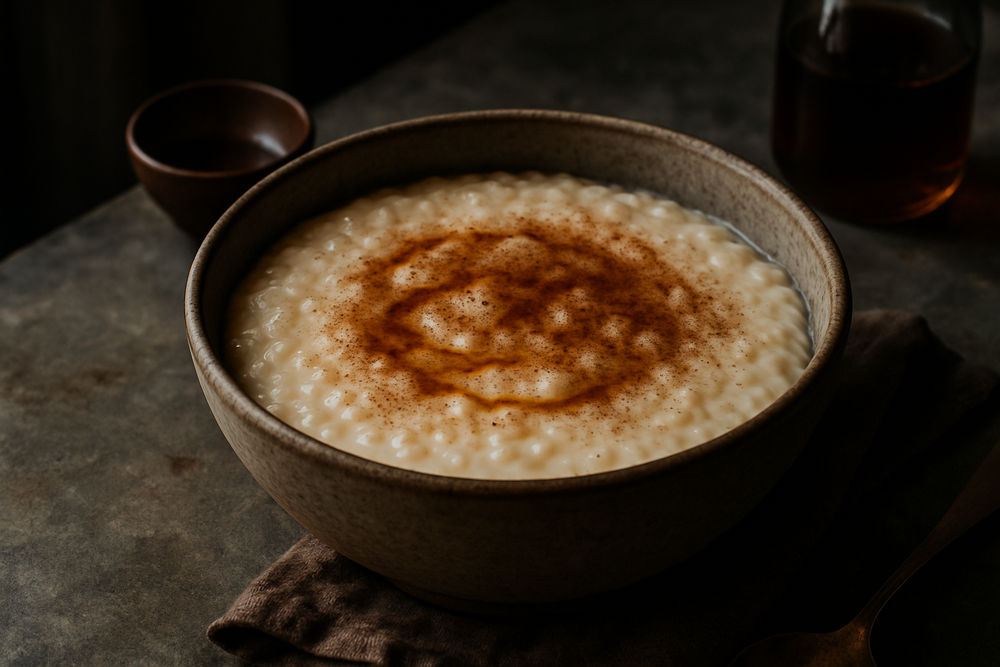
Tapioca · Photograph
Tapioca is a refined starch extracted from the root of the cassava plant (Manihot esculenta), a woody shrub native to South America that is now one of the most widely grown starchy crops in the tropics. You might know tapioca best as the chewy pearls in bubble tea or the creamy base of a classic pudding, but it also shows up as a fine white flour used to thicken soups, lighten gluten-free baked goods, and bind plant-based recipes.
Key Nutrients
% Daily Value based on 2,000 cal diet
Key active compounds (or notable lack thereof)
Tapioca is unusual in that its nutritional story is largely about what is absent rather than what is present. After processing, very little survives beyond starch.
- Starch (amylopectin-dominant): Tapioca starch is high in amylopectin, a type of starch that digests quickly and raises blood sugar faster than starch richer in amylose. This is the primary active compound and the main driver of its high glycemic index (GI).
- Cyanogenic glycosides (trace): Raw cassava contains natural plant compounds called cyanogenic glycosides that release small amounts of hydrogen cyanide if not properly processed. Commercially sold tapioca in countries with food safety standards contains only trace amounts, considered safe at typical serving sizes.
- No significant polyphenols, carotenoids, or flavonoids: Unlike whole grains, tubers with skin, or colourful vegetables, tapioca does not provide meaningful antioxidant phytochemicals. The processing that makes it shelf-stable and neutral-tasting removes these compounds.
- No fibre: Essentially zero dietary fibre per serving, which distinguishes it from whole grains and even minimally processed cassava flour.
Is tapioca actually good for you? What the evidence says
Heart and circulation
Tapioca is free of saturated fat, trans fat, and cholesterol, which sounds like a tick for heart health. But the story is more nuanced. It also contains no fibre, no omega-3 fats, no potassium, and no cardioprotective polyphenols, so it contributes nothing to the dietary pattern that decades of research link to lower cardiovascular risk. If tapioca replaces whole grains, legumes, or vegetables as a carbohydrate source, it may crowd out foods that actively support heart health. Used as a small thickener or partial flour substitute alongside whole foods, it is essentially neutral.
Digestive health and tapioca as a low-FODMAP starch
Tapioca has a quiet but useful role in digestive health, specifically for people with irritable bowel syndrome (IBS) or other conditions where certain fermentable carbohydrates (known as FODMAPs) trigger symptoms. Tapioca is considered low-FODMAP and is also low in residue, meaning it leaves very little undigested material in the gut. This makes it a gentle, well-tolerated starch during a digestive flare.
The flip side: because tapioca contains no fibre, it does nothing to feed the gut microbiome (the community of beneficial bacteria living in your colon) or promote regular bowel movements. For long-term gut health, it must be accompanied by fibre-rich foods such as legumes, vegetables, and whole grains.
Blood sugar and metabolism
This is where tapioca deserves the most honest scrutiny. Tapioca has a high glycemic index, meaning it breaks down and enters the bloodstream quickly, causing a sharper rise in blood sugar and a corresponding insulin response compared with lower-GI carbohydrates like lentils or barley.
Research on a specially processed form called modified resistant tapioca starch (a laboratory or industrial ingredient, not standard kitchen tapioca) suggests it may support insulin sensitivity, but this does not apply to the tapioca starch or pearls you cook with at home. Standard culinary tapioca should be treated as a high-GI refined carbohydrate and portioned accordingly, especially when combined with added sugars in boba drinks or sweetened puddings.
Inflammation and recovery
There is no strong human trial evidence that standard tapioca has direct anti-inflammatory effects. As a high-GI refined carbohydrate, it is unlikely to be a beneficial choice for people whose inflammation is partly diet-driven. For people who react to wheat or grains, switching to tapioca-based products may indirectly reduce inflammation-related symptoms, but that benefit comes from avoiding the trigger, not from anything uniquely protective in tapioca itself.
Hormones and cycle health
Tapioca is not considered a hormone-active food in ordinary culinary use. The concern sometimes raised about cyanide and thyroid function relates to regions where poorly processed raw cassava is consumed in very large amounts as a dietary staple, not to commercially processed tapioca sold in countries with food safety standards. At typical serving sizes, there is no meaningful hormonal concern.
Prep and pairing ideas
Tapioca is almost flavourless, which is both its limitation and its greatest strength in the kitchen. It takes on the character of whatever surrounds it.
As a thickener: Use 1–2 tablespoons of tapioca starch to thicken soups, stews, or curries in place of wheat flour or cornstarch. Whisk it into a cold liquid first (called a slurry) before adding it to a hot pan to prevent lumps.
In baked goods: Tapioca starch blended with a whole-grain flour like sorghum, buckwheat, or oat flour creates a lighter, less gritty texture in gluten-free bread, pancakes, or muffins. Using it as part of a blend rather than the whole flour improves both taste and nutrition.
In pudding: Traditional tapioca pudding is made with pearl tapioca, plant-based milk, and a sweetener. To make it more nutrient-dense, add a tablespoon of ground flaxseed or chia seeds, use unsweetened oat milk, and keep the added sugar minimal.
In bubble tea (boba): Large pearl tapioca in sweetened boba drinks can easily deliver 400–600+ calories per cup when the full drink is assembled. Enjoy occasionally and consider smaller portions or unsweetened versions.
Buying guide: how to choose the right tapioca product
Tapioca starch / flour:
- Look for products labelled "100% tapioca starch" with no additives. Organic options exist but offer no meaningful nutritional advantage over conventional tapioca starch, since the starch is so refined.
- "Tapioca flour" and "tapioca starch" are the same product in most markets. If a recipe calls for one, the other works.
- Store in an airtight container away from moisture. Shelf life is typically 1–2 years.
Tapioca pearls:
- Dry pearls keep well (1–2 years) in a sealed container. Once cooked, they should be used within a few hours as they harden and lose their texture when refrigerated.
- "Quick-cooking" pearls are pre-gelat
How Tapioca Compares
| Compared with | What's different |
|---|---|
| Tapioca vs. Cassava Flour | Made from the whole root including fiber, whereas tapioca is the pure extracted starch. |
| Tapioca vs. Sago | Contains more protein and fiber; tapioca is almost exclusively fast-digesting carbohydrates. |
| Tapioca vs. Cornstarch | A more effective thickener at high temperatures, but tapioca provides a superior chewy texture. |
Health Benefits
Things to Know
High glycemic index: Tapioca can cause a rapid blood sugar rise. People with diabetes, prediabetes, or insulin resistance should keep portions modest and always pair it with protein, fat, and fibre.
Blood sugar medications: If you take insulin, metformin, sulfonylureas, GLP-1 receptor agonists (like semaglutide), or SGLT2 inhibitors (like empagliflozin), large tapioca-based meals, especially sweet ones, may affect your glucose management. Speak with your prescriber or dietitian about how to account for high-GI foods.
Nutritional displacement risk: If tapioca becomes a major staple, it can displace more nutrient-dense whole foods. This is a concern especially for older adults, pregnant individuals, and people with increased nutrient needs.
Not a whole food: People following a strict whole-food, plant-based (WFPB) diet should be aware that tapioca is a refined starch. It is plant-based and vegan, but it is not a whole food in the way that lentils, oats, or sweet potato are.
Trace cyanide: Commercially processed tapioca contains trace amounts of cyanide compounds inherited from the cassava root. At typical culinary amounts, this is not considered a health risk, but it is worth knowing.
Pregnancy: Tapioca itself is not contraindicated in pregnancy, but its low nutrient density means it should not crowd out iron-rich, folate-rich, and protein-rich whole foods that are especially important during pregnancy.
Allergy profile: Tapioca is free of the most common allergens (wheat, gluten, nuts, soy, dairy, eggs). It is one of the most allergen-friendly starches available.
Shop This Ingredient
Stock your pantry with quality tapioca.
Buy on AmazonAs an Amazon Associate, Plantopedia earns from qualifying purchases. This costs you nothing extra and helps us keep the encyclopedia free.
Frequently Asked Questions
Tapioca comes in several forms, and knowing which to reach for matters. Tapioca starch / tapioca flour: A fine, chalky-white powder. This is the most versatile form for plant-based cooking: it thickens sauces, binds patties, and lightens gluten-free baked goods. Nutritionally, all forms of tapioca starch are essentially the same. Tapioca pearls (small and large): Spherical granules that swell into a glossy, chewy texture when boiled. Used in puddings and bubble tea. Nutritionally equivalent to tapioca starch but often consumed in larger volumes and alongside added sugar. Tapioca flakes or granules: A coarser format used similarly to pearls. Useful in puddings when you want a less uniform texture. Cassava flour vs tapioca starch: Worth clarifying because they come from the same plant but behave differently. Cassava flour is made from the whole dried root, so it retains more fibre and nutrients. Tapioca starch is extracted from cassava, removing almost everything except starch. Cassava flour is more nutritious; tapioca starch is more refined and closer to cornstarch in function. Modified tapioca starch / resistant starch ingredients: Industrial ingredients used in food manufacturing and some research. Not equivalent to cooking-grade tapioca. Do not assume health claims about modified resistant starch apply to standard tapioca products. Tapioca syrup: An enzymatically processed liquid sweetener used in packaged foods. Metabolically similar to other refined syrups and not the same as whole-food tapioca. Practical tip: If you are choosing between tapioca starch and cassava flour purely for nutrition, cassava flour is the slightly better choice because it retains more fibre and micronutrients. For a neutral, flavourless thickener or binder, tapioca starch is the right tool.
Quick Answers
Common questions, answered in a line.
Tapioca is a refined starch extracted from the root of the cassava plant, a woody shrub native to South America. It is widely used as a thickener in soups, a base for puddings, and to create the chewy pearls found in bubble tea.
Tapioca is naturally gluten-free and free of common allergens like wheat, nuts, soy, dairy, and eggs. It is often used in gluten-free baking to create a lighter, less gritty texture when blended with other flours like sorghum or oat flour.
Tapioca has a high glycemic index (GI), meaning it digests quickly and can cause a sharp rise in blood sugar and insulin. Because it is an amylopectin-dominant starch, it should be portioned carefully, especially by those with diabetes or insulin resistance.
Tapioca is considered a low-FODMAP and low-residue starch, making it gentle and well-tolerated for people with IBS or during digestive flares. However, it contains virtually no fiber, so it does not actively promote regular bowel movements or feed the gut microbiome.
Standard culinary tapioca is a refined starch and does not contain meaningful levels of protein, fiber, vitamins, or minerals. While it is free of cholesterol and saturated fat, it lacks the cardioprotective polyphenols and nutrients found in whole grains or vegetables.
Commercial tapioca is generally safe because the processing used to create shelf-stable starch removes most of the naturally occurring cyanogenic glycosides. While raw cassava contains compounds that can release hydrogen cyanide, only trace, safe amounts remain in retail tapioca products.
Tapioca pearls in bubble tea are high-calorie, high-GI carbohydrates that can deliver 400–600+ calories per cup when combined with sugary syrups. To make them healthier, enjoy them occasionally in smaller portions or choose unsweetened versions of the drink.
For Readers in the USA
Local context — sourcing, seasonality, and regional notes.
In the United States, you can find tapioca starch and pearls at major grocers like Walmart, Kroger, and Whole Foods, as well as specialized Asian supermarkets like H Mart or 99 Ranch Market. While starch is usually in the baking aisle, pearls are often found in the international or tea sections.
While cassava (the source of tapioca) is primarily a tropical crop, it is commercially grown on a limited scale in U.S. states with warm climates, specifically Florida and parts of Texas. Most tapioca products sold in the U.S. are imported from major global producers like Thailand and Brazil.
The FDA regulates the safety of tapioca products, ensuring that commercial processing effectively removes harmful levels of cyanogenic glycosides before they reach American shelves. Additionally, if you see the USDA Organic seal on tapioca flour, it guarantees the cassava was grown without synthetic pesticides or GMOs.
AI Clinical Review
- Accurately frames tapioca as a refined, mostly nutrient‑void starch that’s useful functionally but not a stand‑in for whole, fiber‑rich staples.
- Clearly explains its high glycemic index and the practical value of pairing with protein, fat, and fiber—especially relevant for sweet drinks like bubble tea.
- Helpfully distinguishes tapioca starch/pearls from cassava flour and from industrial “modified resistant” tapioca ingredients.
- Appropriately notes tapioca’s low‑FODMAP, low‑residue profile—often well tolerated during IBS flares—while acknowledging it doesn’t feed the gut microbiome.
- Highlights its allergen‑friendly, gluten‑free role for people managing multiple food restrictions.
- Benefits seen with resistant starch from tapioca largely involve modified forms used in research/industry; it’s unclear how much resistant starch typical home cooking or cooling of tapioca provides, and human outcomes data are limited.
- Glycemic responses likely vary by preparation (pearls vs flour, cooking time, added fat/fiber), but high‑quality comparative studies across common culinary uses are sparse.
- Trace cyanogenic glycoside exposure from commercially processed tapioca is considered safe at usual intakes, yet product‑level surveillance data are limited; most toxicity concerns relate to inadequately processed cassava, not culinary tapioca.
- Portions: 1–2 tablespoons of tapioca starch as a thickener adds roughly 35–70 kcal; large servings of pearls in sweet beverages can contribute several hundred calories quickly.
- If you have diabetes, prediabetes, or use insulin, sulfonylureas, GLP‑1s, or SGLT2s, monitor your own glucose response and pair tapioca with protein, fat, and fiber; check in with your clinician if using it regularly.
- For celiac disease or severe gluten sensitivity, tapioca is naturally gluten‑free, but choosing certified GF products helps minimize cross‑contact risk.
- During pregnancy and for older adults with higher nutrient needs, use tapioca as an occasional ingredient so it doesn’t displace iron‑, folate‑, protein‑, and fiber‑rich foods.
For grain products, clarify whole-grain vs refined where relevant.
References
- PMC, National Library of Medicine — The Dangers of Cassava (Tapioca) Consumption (pmc.ncbi.nlm.nih.gov)
- PubMed — Tapioca Resistant Maltodextrin as a Carbohydrate Source of Oral Nutrition Supplement (ONS) on Metabolic Indicators: A Clinical Trial (pubmed.ncbi.nlm.nih.gov)
- PubMed — [Tapioca in the diet of infants under 6 months of age] (pubmed.ncbi.nlm.nih.gov)
- PubMed — Effects of the general health and nutritional status of children of partial replacement of rice in a poor vegetarian diet by tapioca flour (pubmed.ncbi.nlm.nih.gov)
- USDA FoodData Central — USDA FoodData Central (fdc.nal.usda.gov)
Know Your Numbers
Eating healthy is a start. Now get to know your biomarkers.
Food changes bloodwork — inflammation, lipids, blood sugar and nutrient status all respond to what you eat. 59 markers from $59.
- Results in 7–10 days at 2,000+ Quest sites
- Licensed provider reviews every result
- One flat price, no membership, HSA/FSA eligible
Educational information only, not medical advice. Panels are ordered and reviewed through our licensed partner; Plantopedia may earn a commission.