Tianmianjiang (Sweet Bean Sauce) — health benefits and uses
Northern Chinese kitchens ferment flour pastes for a mellow, digestible umami.
The Short Answer
Tianmianjiang is a thick, savory-sweet fermented paste made primarily from wheat flour. It provides 30 calories and 435mg of sodium per tablespoon, serving as the essential umami base for Peking Duck and Zhajiangmian.
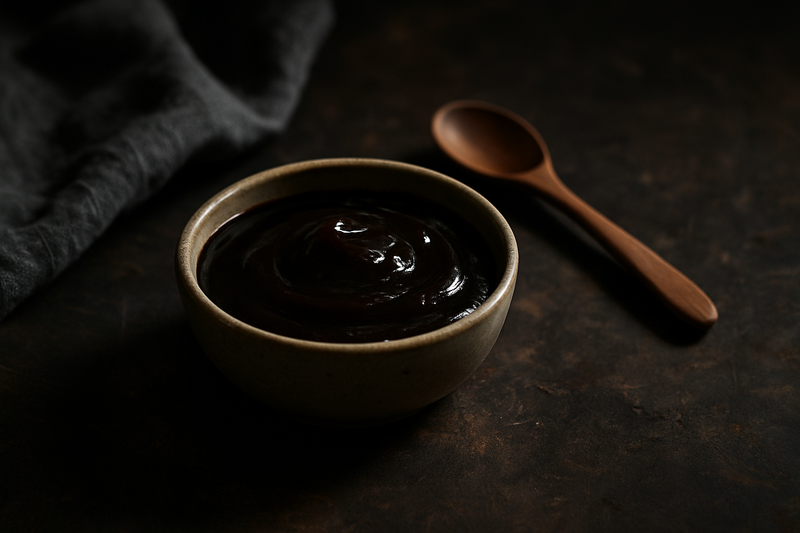
Tianmianjiang (Sweet Bean Sauce) · Photograph
Discover the real sweet bean sauce (tianmianjiang) health benefits and side effects — including nutrition facts per tablespoon, sodium and sugar content, gut health evidence, gluten and soy allergen warnings, and how to use it wisely in a whole-food plant-based diet.
Key Nutrients
% Daily Value based on 2,000 cal diet
Key active compounds and phytochemicals
- Organic acids (lactic acid, acetic acid): Small carboxylic acids produced when microbes ferment the wheat and soy. They give tianmianjiang its tangy undertone, lower its pH (making it less hospitable to spoilage organisms), and may interact gently with gut microbiota — though this has not been studied in tianmianjiang specifically.
- Bioactive peptides: Short chains of amino acids that are released when proteins break down during fermentation. In other fermented soy and wheat foods, similar peptides have shown antihypertensive and antioxidant activity in laboratory and animal studies. Whether this applies at the quantities found in a teaspoon of sauce is unknown.
- Maillard-derived melanoidins: The dark-brown compounds formed when sugars react with amino acids during fermentation and processing (the same reaction that browns bread crusts). These give tianmianjiang its characteristic color and depth of flavor. In other foods, melanoidins have shown antioxidant properties, but their health impact at condiment-level servings has not been studied.
- Glutamates (free amino acids): Fermentation liberates glutamic acid from proteins, creating the savory umami flavor that defines the sauce.
Prep and pairing ideas
Classic uses in northern Chinese cooking
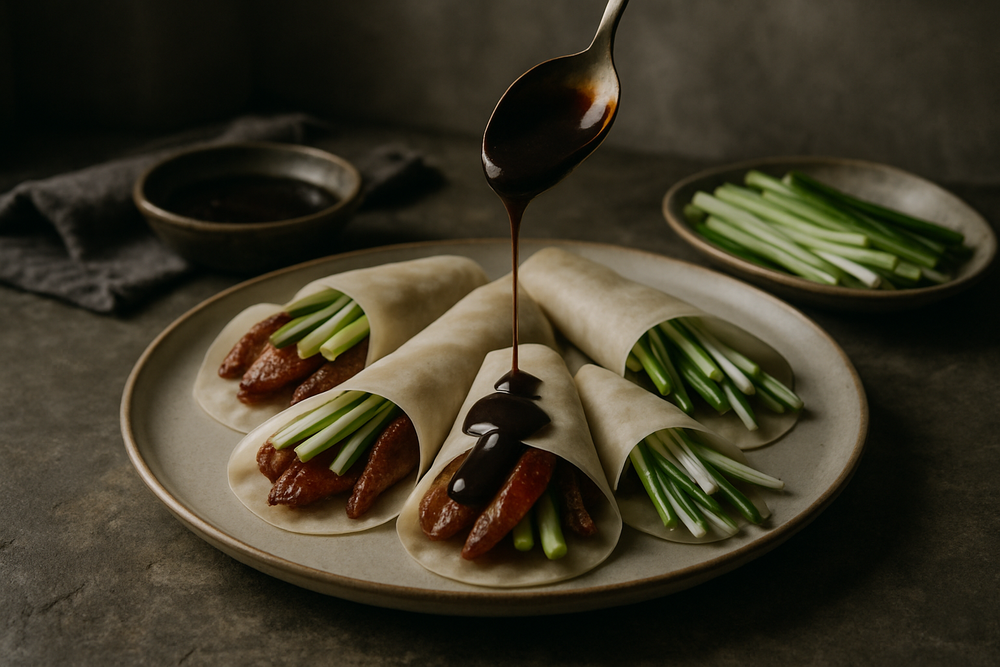
- Peking duck wraps: Brush 1 teaspoon onto a Mandarin pancake, add sliced cucumber, scallion, and duck (or smoked tofu for a plant-based version).
- Zhajiangmian noodles: Stir-fry minced mushrooms or firm tofu with tianmianjiang and a splash of Shaoxing rice wine; toss with noodles and crisp raw vegetables.
- Moo shu-style stir-fry: Use as a sauce base with shredded cabbage, wood-ear mushrooms, and egg or egg substitute, rolled in thin pancakes.
Common pairings and why they work
- Cucumber and scallion: The cool crunch and mild bitterness of cucumber and the sharp freshness of scallion balance the sauce's intense salt-sweetness. This is a classic Chinese flavor principle — contrast refreshes and prevents palate fatigue.
- Firm tofu: Protein-dense tofu absorbs the paste's umami depth during a quick stir-fry. Together they create a complete protein and savory pairing that works as a plant-based Peking-duck substitute.
- Sesame oil (finishing drizzle): A few drops of toasted sesame oil added after cooking round out the roasted, nutty notes in the sauce without adding more sodium — a simple way to amplify flavor while keeping portion size (and salt) small.
Bottom line
Tianmianjiang sweet bean sauce is a genuinely interesting fermented condiment with centuries of culinary history and a complex, layered flavor. As a fermented food, it carries some biological complexity that distinguishes it from plain salty-sweet sauces, but the direct human evidence for any specific health benefit is essentially absent. What is well-supported by evidence is its nutritional profile: high sodium, notable added sugar, gluten-containing, and soy-based — all of which matter for specific groups.
For most healthy adults without sodium, sugar, gluten, or soy concerns, using 1–2 teaspoons to bring depth and umami to plant-rich meals is a perfectly sensible choice. It can make vegetables, tofu, and whole-grain noodles more appealing — and making plant-forward meals more enjoyable is itself a meaningful indirect health benefit. Treat it as a flavorful accent, not a supplement, and you will get the best of what it offers without the downsides of overuse.
Looking for meals where this sauce fits naturally? Browse our whole-food plant-based recipe goals for ideas that make the most of fermented, umami-rich condiments.
How Tianmianjiang (Sweet Bean Sauce) Compares
| Compared with | What's different |
|---|---|
| Tianmianjiang (Sweet Bean Sauce) vs. Hoisin Sauce | Sweeter and thicker than hoisin, made primarily with fermented wheat rather than soy and spices. |
| Tianmianjiang (Sweet Bean Sauce) vs. Soy Sauce | Much thicker and sweeter than soy sauce, which is a liquid seasoning rather than a paste. |
| Tianmianjiang (Sweet Bean Sauce) vs. Doubanjiang | Made with fermented wheat (sweet) vs. fermented soybeans and chili (spicy/savory). |
Health Benefits
Things to Know
Gluten: Tianmianjiang is made from wheat flour and is not safe for anyone with celiac disease or a wheat allergy.
Soy: Most formulations include soybeans. Anyone with a soy allergy should read ingredient lists carefully or avoid the sauce entirely.
Sodium: At ~435 mg per tablespoon, regular use can substantially raise daily sodium intake. People on low-sodium diets for blood pressure, heart failure, or kidney disease should use very small amounts or consider alternatives.
Added sugar: Some commercial products contain significant added sugar. People with diabetes, insulin resistance, or metabolic syndrome should count carbohydrates from this sauce when planning meals.
Histamine sensitivity: Like many fermented foods, tianmianjiang may contain histamine and other biogenic amines produced during fermentation. Individuals with histamine intolerance may experience headaches, flushing, or digestive symptoms.
Immunocompromised individuals: Some clinical guidelines caution immunocompromised patients to be selective about fermented foods. Check with your healthcare provider.
Medication interactions:
Antihypertensive drugs (ACE inhibitors, ARBs, diuretics, beta-blockers): high sodium from salty condiments can blunt blood-pressure control.
Insulin and oral diabetes medications: added sugars can raise post-meal blood glucose; adjust carbohydrate counting accordingly.
Warfarin (blood thinner): tianmianjiang provides small amounts of vitamin K (~2 µg/tablespoon). At normal condiment doses this is unlikely to be clinically significant, but highly variable intake of vitamin K–containing foods can affect anticoagulation stability.
Pregnancy: The sauce is not inherently contraindicated in pregnancy, but its high sodium content should be monitored as part of overall diet management.
Introduce gradually: Starting with small amounts (½ teaspoon) helps you assess individual tolerance before using more.
Prep Ideas
- — Peking duck wraps: Brush 1 teaspoon onto a Mandarin pancake, add sliced cucumber, scallion, and duck (or smoked tofu for a plant-based version).
- — Zhajiangmian noodles: Stir-fry minced mushrooms or firm tofu with tianmianjiang and a splash of Shaoxing rice wine; toss with noodles and crisp raw vegetables.
- — Moo shu-style stir-fry: Use as a sauce base with shredded cabbage, wood-ear mushrooms, and egg or egg substitute, rolled in thin pancakes.
- — Cucumber and scallion: The cool crunch and mild bitterness of cucumber and the sharp freshness of scallion balance the sauce's intense salt-sweetness. This is a classic Chinese flavor principle — contrast refreshes and prevents palate fatigue.
- — Firm tofu: Protein-dense tofu absorbs the paste's umami depth during a quick stir-fry. Together they create a complete protein and savory pairing that works as a plant-based Peking-duck substitute.
- — Sesame oil (finishing drizzle): A few drops of toasted sesame oil added after cooking round out the roasted, nutty notes in the sauce without adding more sodium — a simple way to amplify flavor while keeping portion size (and salt) small.
Glossary
Shop This Ingredient
Stock your pantry with quality tianmianjiang (sweet bean sauce).
Buy on AmazonAs an Amazon Associate, Plantopedia earns from qualifying purchases. This costs you nothing extra and helps us keep the encyclopedia free.
Frequently Asked Questions
A candid answer requires separating what is plausibly inferred from fermented-food research versus what has been directly studied in tianmianjiang. The short version: no human clinical trials have tested this sauce specifically for any health outcome. The sections below apply general fermented-food evidence where it is relevant and flag where it is not. Heart and circulation Tianmianjiang's most significant cardiovascular consideration is not a benefit — it is a caution. Japanese food composition data report approximately 2,900 mg of sodium per 100 g of the sauce; commercial labels often list 7–10 g of salt per 100 g. One tablespoon therefore delivers roughly 435 mg of sodium, approaching 20% of the 2,300 mg daily limit most health authorities recommend. Excess sodium is consistently linked to elevated blood pressure, and higher blood pressure is one of the leading drivers of heart disease and stroke. There is no evidence that tianmianjiang improves any cardiovascular marker. Its fat content is low, but there are no clinically meaningful amounts of heart-protective nutrients like omega-3 fatty acids or soluble fiber. For people with hypertension, heart failure, or kidney disease, this sauce should be treated like any other salty condiment — used sparingly and counted within a daily sodium budget. Digestive health and microbiome This is where the fermented-food connection is most discussed. Human research on fermented foods as a category — including yogurt, kefir, kimchi, sauerkraut, and miso — has linked regular consumption to improved digestive tolerance, modestly altered gut microbial diversity, and enhanced availability of certain nutrients. Mechanisms include organic acid production, possible delivery of live or inactivated microbes, and fermentation-generated compounds that can signal to gut cells. However, most of these studies used dairy-based fermented foods or products like kimchi and kombucha. None have specifically tested tianmianjiang. Additionally, commercial versions of the sauce are often pasteurized, which may eliminate live bacteria while preserving flavor compounds. If you are drawn to tianmianjiang for gut health specifically, it is worth checking the label: a pasteurized sauce is unlikely to deliver the same microbial load as an unpasteurized one, though it may still provide fermentation-derived metabolites. One additional note: introducing large amounts of any fermented food quickly can cause temporary bloating and discomfort in sensitive individuals, and tianmianjiang's gluten content rules it out entirely for anyone with celiac disease. Blood sugar and metabolism The sugar numbers here deserve attention. Some commercial tianmianjiang products list around 21–22 g of sugar per 100 g — that is roughly 3.3 g of sugar per tablespoon. For most people using 1–2 teaspoons, this is a modest contribution. But for individuals with type 2 diabetes or insulin resistance, added sugars from condiments can accumulate across a meal, especially when combined with other sweet sauces or refined starches like white rice or noodles. No human trials have assessed tianmianjiang for glycemic control or insulin sensitivity. Its carbohydrate fraction is largely digestible starch and added sugar rather than resistant starch or dietary fiber, so it is not a low-glycemic ingredient. People managing blood sugar should account for the sauce's carbohydrates within their overall meal plan and consider using smaller amounts or lower-sugar alternatives. Inflammation and recovery Fermentation can generate bioactive peptides and antioxidant compounds, and some fermented foods have been associated with lower inflammatory markers in human cohort studies. However, these associations are product-specific, and no research has measured inflammatory outcomes (such as C-reactive protein or cytokine levels) in relation to tianmianjiang. Any anti-inflammatory claims for this sauce at this point are extrapolated from general fermented-food literature and should be treated with appropriate skepticism. The sauce's high sodium and sugar content could also work against metabolic health if used in large amounts.
Buying guide: fresh paste, commercial jar, or homemade? Traditional fermented paste (often sold in sealed pouches or small jars at Chinese grocery stores) This is the closest to the original product — made from wheat flour, soybeans, salt, and sugar with minimal additives. If unpasteurized, it may contain live fermentation microbes. Look for short ingredient lists: ideally wheat flour, water, soybeans, salt, and sugar. Nothing else is strictly necessary. Commercial bottled sauce (supermarket brands) These are the most widely available but often include monosodium glutamate (a flavor enhancer), preservatives like potassium sorbate, and sometimes artificial coloring. They are reliably convenient and shelf-stable but typically pasteurized. Sodium and sugar levels vary significantly by brand — always check the label. Label tips: Compare sodium per 100 g across brands; lower is better if you use more than a teaspoon at a time. Check for "wheat flour" in the allergen section — this confirms gluten content. "No added MSG" labels are available if you prefer to avoid that additive. Darker, thicker sauces typically indicate longer fermentation and more concentrated flavor, meaning you can use less. Homemade sweet flour sauce Home recipes often combine purchased fermented bean paste with additional wheat flour, sugar, sesame oil, and aromatics, then simmer briefly. Sodium and sweetness levels can be adjusted. This gives the most control over ingredients and portions.
There is no established clinical "dose" for tianmianjiang because it has never been studied as a therapeutic food. The practical guidance comes from its sodium and sugar content. Practical range: 1–2 teaspoons (5–10 g) per serving is typical for a dipping sauce or thin coating in a stir-fry. At this amount, sodium contribution is roughly 145–290 mg — noticeable but manageable within a 2,300 mg daily budget if the rest of the meal is lower-sodium. Up to 1 tablespoon (15 g) is used in sauce-forward dishes like zhajiangmian. This delivers close to 435 mg sodium — a significant portion of the daily limit in a single condiment. Start low: If you are new to this sauce or monitoring sodium, start with ½ teaspoon and build up to understand how it affects overall intake. Frequency: Using it a few times per week as a condiment is very different from adding large spoonfuls daily to every meal. For most healthy adults, occasional moderate use fits within a balanced diet. Those with sodium, sugar, or gluten restrictions should treat it as an occasional flavor accent rather than a regular cooking staple.
Quick Answers
Common questions, answered in a line.
Tianmianjiang is not gluten-free as it is primarily made from wheat flour. People with celiac disease or a wheat allergy must avoid this sauce entirely because wheat is a fundamental ingredient in its production.
Tianmianjiang typically contains about 435 mg of sodium per tablespoon. Because of this high salt content, individuals with high blood pressure, heart failure, or kidney disease should use the sauce in very small amounts or seek lower-sodium alternatives.
Individuals with soy allergies should avoid tianmianjiang because most formulations include soybeans. It is essential to read ingredient labels carefully, as soy is a common component alongside the wheat base in this fermented condiment.
Tianmianjiang contains organic acids, bioactive peptides, and melanoidins created during the fermentation of wheat and soy. These compounds may offer antioxidant or antihypertensive properties, though specific studies on their health impact in human-sized servings are currently lacking.
People with diabetes should account for the added sugars in tianmianjiang when planning meals to manage post-meal blood glucose levels. While used as a condiment, some commercial brands contain enough sugar to impact carbohydrate counts for those with insulin resistance.
Tianmianjiang is a versatile umami base for dishes like Zhajiangmian noodles, Peking duck-style wraps, and Moo shu stir-fries. It pairs exceptionally well with cucumber, scallions, and firm tofu, which help balance its intense salty-sweet flavor profile.
Tianmianjiang may cause headaches, flushing, or digestive issues in people with histamine intolerance. Like many fermented products, it can contain biogenic amines like histamine that are naturally produced during the fermentation process.
For Readers in the USA
Local context — sourcing, seasonality, and regional notes.
You can find tianmianjiang at major pan-Asian chains like H Mart, 99 Ranch Market, and Mitsuwa Marketplace, or in the international aisle of some well-stocked Kroger or Whole Foods locations. If a local physical store is unavailable, U.S. consumers frequently purchase it through online retailers like Weee! or Amazon.
Because tianmianjiang contains both wheat and soy, look for the USDA Organic seal to ensure the ingredients were grown without synthetic pesticides or GMOs. For those monitoring additives, check the U.S. nutrition label for "added sugars" and avoid brands that use high-fructose corn syrup or artificial colors like Caramel Color (Class III or IV).
While authentic tianmianjiang is shelf-stable in the U.S. due to high salt content, the FDA generally recommends refrigerating fermented sauces after opening to maintain flavor quality and prevent mold. In the typical American kitchen environment, a tightly sealed jar will last in the refrigerator for up to a year.
In the U.S., tianmianjiang is the essential base for "Beijing-style" Zhajiangmian, which differs from the Korean-American takeout favorite, Jajangmyeon. While the Chinese version uses this salty-sweet wheat-based paste, the Korean-American version uses chunjang, which is darker, smoother, and usually contains more caramel.
AI Clinical Review
- Accurately frames tianmianjiang as a fermented condiment—flavor-forward, not a “health food.”
- Clear nutrition snapshot with sodium as the key limiting nutrient (~435 mg per tablespoon ≈ 19% of a 2,300 mg/day target).
- Appropriately distinguishes general fermented-food findings from the lack of tianmianjiang-specific human trials.
- Sensible guidance on portions (typically 1–2 teaspoons) and practical label-reading tips.
- Highlights important allergens (gluten, soy) and notes that pasteurization can reduce live microbes.
- Probiotic or gut-health benefits are extrapolated; commercial products are often pasteurized, and no human studies test this sauce specifically.
- Claims around bioactive peptides or antioxidants largely come from lab/animal work or other fermented foods; effects at condiment-size doses are uncertain.
- Cardiometabolic outcomes (blood pressure, lipids, glycemia, inflammation) have not been studied for tianmianjiang in humans.
- Biogenic amine (e.g., histamine) content likely varies by brand and batch, with limited published quantification.
- Sodium adds up quickly; those with hypertension, heart failure, or chronic kidney disease should count it toward daily limits and favor smaller portions.
- For diabetes or insulin resistance, note that some brands provide ~3 g sugar per tablespoon; using 1/2–1 teaspoon helps keep added sugars modest.
- Not suitable for celiac disease or wheat allergy and typically contains soy—check ingredient lists.
- Special situations: immunocompromised individuals or those with histamine intolerance may prefer pasteurized versions and gradual introduction; high-sodium condiments can counteract blood-pressure medications, added sugars can affect insulin/oral agents, and while vitamin K is low, keep intake patterns consistent if you use warfarin.
Contains gluten and added sugar; high in sodium.
References
- Japanese Food Composition Table — Tianmianjiang (Temmenjan) nutrient data (mairepi.jp)
- Commercial Chinese sweet bean paste product label — ingredients and nutrition (sklepsoasian.com)
- Overview of Chinese sweet flour paste — preparation and culinary use (limintiaoliao.com)
- Wisdomlib — Tianmianjian ingredient overview, nutrition, and cautions (wisdomlib.org)
- USDA FoodData Central — general fermented grain and soy food nutrient reference (fdc.nal.usda.gov)
- Fermented Foods, Health and the Gut Microbiome — PMC review (pmc.ncbi.nlm.nih.gov)
- Preventive and Therapeutic Aspects of Fermented Foods — Journal of Applied Microbiology (academic.oup.com)
- Evidence-based benefits and myths of fermented foods — Practical Gastroenterology, Feb 2023 (practicalgastro.com)
- Myth-Busting Fermented Foods — Stanford Medicine Nutrition Resource (med.stanford.edu)
- Probiotic potential of lactic acid bacteria from fermented wheat flour dough — PubMed (pubmed.ncbi.nlm.nih.gov)
Know Your Numbers
Eating healthy is a start. Now get to know your biomarkers.
Food changes bloodwork — inflammation, lipids, blood sugar and nutrient status all respond to what you eat. 59 markers from $59.
- Results in 7–10 days at 2,000+ Quest sites
- Licensed provider reviews every result
- One flat price, no membership, HSA/FSA eligible
Educational information only, not medical advice. Panels are ordered and reviewed through our licensed partner; Plantopedia may earn a commission.