Tomatillo — health benefits and uses
Color, fiber, and everyday plate-building angle
The Short Answer
Tomatillos are firm, tart fruits used primarily in savory dishes like salsa verde. They are low in calories and provide notable amounts of Vitamin C and fiber, along with unique plant compounds called withanolides.
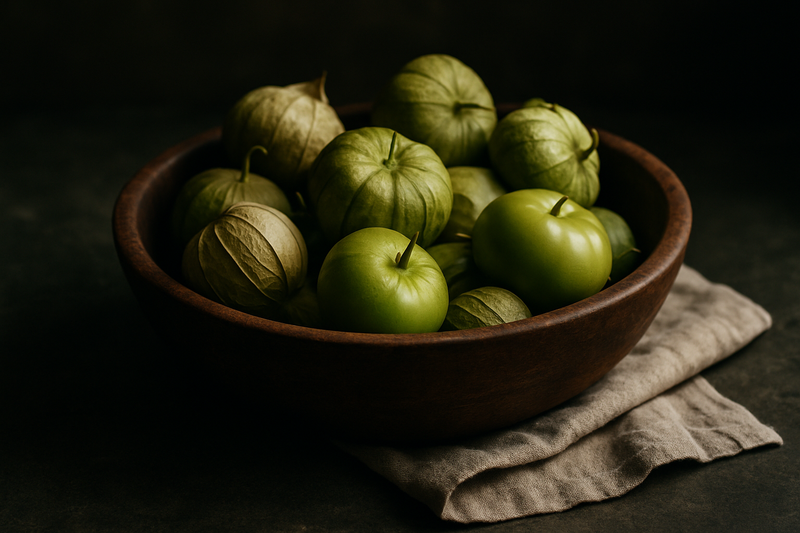
Tomatillo · Photograph
Tomatillos (Physalis ixocarpa) are small, firm, green fruits wrapped in a papery husk that crinkles and browns as the fruit ripens. They have been a cornerstone of Mexican and Latin American cooking for centuries — most famously as the base of salsa verde — and they are increasingly easy to find in mainstream grocery stores across North America.
Key Nutrients
% Daily Value based on 2,000 cal diet
Key active compounds and phytochemicals
- Withanolides and related steroidal lactones — Plant-derived, steroid-like compounds (meaning they share a structural shape with certain hormones but are not hormones themselves) found in Physalis species. Cell and animal studies suggest anti-inflammatory and antiproliferative activity, but no human tomatillo trials have confirmed these effects.
- Phenolic acids and flavonoids (including quercetin and kaempferol) — Polyphenolic compounds that act as antioxidants (molecules that neutralize cell-damaging particles called free radicals) and may modulate inflammatory pathways. Benefits in humans are inferred from broader polyphenol research, not tomatillo-specific trials.
- Carotenoids (including lutein and, in some varieties, beta-carotene) — Pigments with antioxidant activity, some of which can be converted to vitamin A in the body. Tomatillos contribute modestly to total carotenoid intake.
- Phytosterols — Plant compounds structurally similar to cholesterol. At high enough intakes across many plant foods, phytosterols can support healthy LDL ("bad" cholesterol) levels, but the amount from a single tomatillo serving is small.
Are tomatillos good for you? What the research suggests
Research specifically on tomatillos in human clinical trials is limited. The health discussion below draws on what we know about their nutrient profile and phytochemical content, alongside broader evidence on non-starchy vegetables. Tomatillos are best thought of as one valuable piece of a varied plant-forward diet rather than a stand-alone treatment.
Heart and circulation
Tomatillos are low in calories and fat, provide dietary fiber, supply potassium, and are naturally very low in sodium. Large cohort studies (long-term studies tracking thousands of people over years) and major dietary guidelines consistently link higher overall fruit and vegetable consumption with lower risk of coronary heart disease and stroke. Tomatillos can be one of many vegetables contributing to that pattern.
Their tart flavor is also practically useful: building sauces and salsas around tomatillos means you can rely less on salt, heavy fats, or sugary condiments to create depth of flavor — a small but meaningful shift in how a meal is assembled.
Digestive health and microbiome
Each serving provides roughly 2 grams of dietary fiber, which supports regular bowel movements, feeds beneficial gut bacteria (your microbiome — the trillions of microorganisms living in your digestive tract), and contributes to satiety. No human trials have tested tomatillos specifically for gut health outcomes, but increasing non-starchy vegetables as a category is a consistent recommendation from gastroenterology and general nutrition guidelines.
If you are adding more tomatillos or fiber-rich foods to your diet, increasing portions gradually and drinking adequate water can help minimize gas or bloating as your gut adjusts.
Blood sugar and metabolism
Tomatillos are a relatively low-carbohydrate, low-calorie option that can stand in for higher-sugar condiments and sauces. Swapping a tomatillo-based salsa for a sugary jarred sauce or creamy dressing can modestly reduce added sugar and calories in a meal without sacrificing flavor. Human trials on tomatillos and glycemic control (how your blood sugar rises after eating) do not currently exist; any metabolic benefit is extrapolated from the general advantages of higher vegetable and fiber intake documented in broader research.
Inflammation and recovery
Tomatillos contain vitamin C, phenolic compounds, and withanolide-type molecules that have shown antioxidant and anti-inflammatory (reducing the body's inflammatory response) effects in cell and animal models. There are no robust human intervention trials on tomatillos specifically. Frame them as one colorful vegetable in an antioxidant-rich, varied diet — not as anti-inflammatory therapy.
Prep and pairing ideas
The basic prep — takes about 60 seconds:
- Peel the papery husk off and discard it.
- Rinse the fruit under cool water, rubbing off the sticky film with your fingers.
- Slice, halve, or leave whole depending on your cooking method.
- Done. No peeling the skin, no removing seeds.
Three practical pairings:
1. Tomatillos + black beans + cumin The tartness of tomatillos cuts through the earthiness of black beans, and cumin ties both together. Simmer together for 15 minutes and you have a versatile base for burritos, grain bowls, or a quick soup. The fiber from both the tomatillos and beans adds up fast, and the combination is filling without being heavy.
2. Tomatillos + avocado + lime Blend roasted tomatillos with ripe avocado, lime juice, garlic, and a little cilantro for a creamy salsa verde that is lighter than guacamole but still rich. The fat from avocado helps your body absorb the fat-soluble carotenoids in tomatillos more effectively — a nutrient absorption win built into a naturally satisfying combination.
3. Tomatillos + sweet potato + chipotle The sweetness of roasted sweet potato balances the sharpness of tomatillo perfectly. Add a smoky chipotle element (dried or canned chipotle in adobo) and you get a sweet-tart-smoky flavor layering that works as a taco filling, grain bowl topping, or sheet-pan roast. The color contrast alone makes the meal look more appealing, which research suggests can increase how satisfying we find a dish.
Myths vs. facts
Myth 1: "A tomatillo is just an unripe tomato." Fact: Tomatillos and tomatoes are related but distinct plants. Tomatoes belong to the genus Solanum; tomatillos belong to Physalis. The flavor, texture, phytochemical profile, and culinary uses are meaningfully different. An unripe green tomato is bitter and starchy; a ripe tomatillo is tart, citrusy, and firm.
Myth 2: "You have to cook tomatillos — they're toxic raw." Fact: Ripe tomatillos are safe to eat raw. The confusion may come from the husk, which is not eaten, or from mixing up tomatillos with other *Phys
How Tomatillo Compares
| Compared with | What's different |
|---|---|
| Tomatillo vs. Green Tomato | Sweeter and juicier, whereas tomatillos are firm, tart, and less watery. |
| Tomatillo vs. Cape Gooseberry | Sweeter and fruity, while tomatillos are savory and acidic. |
Health Benefits
Things to Know
Nightshade sensitivity: Tomatillos belong to the nightshade family (Solanaceae). People with confirmed allergies or sensitivities to tomatoes, peppers, eggplant, or potatoes should introduce tomatillos carefully and discontinue if any reaction occurs.
Vitamin K and blood thinners: Tomatillos contain small amounts of vitamin K. People taking warfarin or other vitamin K–antagonist anticoagulants (blood thinners that work by blocking vitamin K) should aim for consistency in total vegetable intake rather than sudden large changes. Discuss any significant dietary shifts with your prescriber.
Potassium-restricted diets: People with advanced kidney disease or on strict potassium-restricted diets should count tomatillos within their overall potassium budget, especially if eating them frequently.
Acid-sensitive digestion or GERD: Tomatillos are acidic. Combined with chiles and onions in a spicy salsa, they may trigger heartburn or reflux (GERD — gastroesophageal reflux disease) in sensitive individuals. Eating smaller amounts or pairing with starchier foods may help.
Husk and leaves: The papery husk and plant leaves are not eaten. Always remove and discard the husk and rinse the fruit before use.
Pregnancy: Tomatillos eaten as a food are generally considered safe during pregnancy. Supplement-level extracts have not been studied in pregnant populations.
ACE inhibitors, ARBs, and potassium-sparing diuretics: These medications can raise blood potassium levels. Tomatillos provide modest potassium; interactions at typical serving sizes are unlikely, but total dietary potassium should be considered if your clinician has flagged potassium as a concern.

Prep Ideas
- — Peel the papery husk off and discard it.
- — Rinse the fruit under cool water, rubbing off the sticky film with your fingers.
- — Slice, halve, or leave whole depending on your cooking method.
- — Done. No peeling the skin, no removing seeds.
Shop This Ingredient
Stock your pantry with quality tomatillo.
Buy on AmazonAs an Amazon Associate, Plantopedia earns from qualifying purchases. This costs you nothing extra and helps us keep the encyclopedia free.
Frequently Asked Questions
There is no single "best" form — the right choice depends on how you plan to use them and what is practical for your kitchen. | Form | Flavor + texture | Best uses | |---|---|---| | Fresh, raw | Bright, sharply tart, firm | Raw salsa, thin-sliced on tacos, grain bowls | | Roasted (broiled or charred) | Deeper, slightly smoky, less sharp | Salsa verde, enchilada sauce, soups | | Boiled or blanched | Soft, mellow tartness | Quick green sauces, blended soups | | Canned or jarred | Convenient, may taste softer | Fast weeknight sauces — check sodium on the label | | Frozen | Good texture for cooked dishes | Winter stews, braises — not ideal for raw use | Label tip for canned versions: Look for products that list tomatillos (and water) as the only or main ingredients. Sodium can vary widely — some brands add significant salt, others do not. If you are managing blood pressure or sodium intake, compare labels and rinse canned tomatillos before use to reduce sodium by a meaningful amount.
There is no established therapeutic dose for tomatillos. Treat them as a vegetable, not a supplement. Typical culinary portion: ¼ to 1 cup cooked or raw (roughly 40–150 g) as part of a salsa, sauce, stew, or side. Daily vegetable targets: Major dietary guidelines (USDA Dietary Guidelines for Americans, MyPlate) recommend 2.5 to 3 cups of vegetables per day for most adults. Tomatillos can count toward that goal alongside other vegetables. Starting out: If you are not used to eating higher-fiber vegetables regularly, start with smaller amounts (2–3 medium tomatillos in a salsa) and build from there to avoid digestive discomfort. No upper limit for most people: There is no evidence of toxicity from eating ripe tomatillos in normal culinary amounts. Eating them daily as part of a varied diet is reasonable for most healthy adults. Frequency matters more than precision: Rather than measuring grams, the practical goal is finding ways to include tomatillos (and other vegetables) in regular rotation — a couple of times a week is a solid starting point.
Quick Answers
Common questions, answered in a line.
Tomatillos contain withanolides, phenolic acids, and flavonoids like quercetin, which show anti-inflammatory and antioxidant activity in cell and animal studies. While these compounds may modulate inflammatory pathways, no human trials have yet confirmed these specific effects.
The best way to prepare tomatillos is to peel and discard the papery husk, then rinse the fruit under cool water to remove the sticky residue. Once rinsed, the entire fruit including the skin and seeds is edible and can be sliced, halved, or left whole for cooking or raw consumption.
Tomatillos are related to tomatoes but belong to a different genus (Physalis) and are not simply unripe tomatoes. Unlike unripe green tomatoes, which are bitter and starchy, ripe tomatillos have a distinct tart, citrusy flavor and a firm texture.
Ripe tomatillos are safe to eat raw and do not need to be cooked, though the papery husk and plant leaves must be removed and discarded. Raw tomatillos offer a tart, citrusy flavor that works well in fresh salsas or salads.
Tomatillos support heart health because they are naturally low in calories, fat, and sodium while providing essential nutrients like dietary fiber and potassium. Their tart flavor can also help reduce the need for added salt or heavy fats when building flavorful sauces and salsas.
Tomatillos may aid weight management as a low-calorie, low-carbohydrate vegetable that can replace high-sugar condiments or creamy dressings. Swapping sugary jarred sauces for a tomatillo-based salsa can modestly reduce calorie intake without sacrificing the flavor of a meal.
Pairing tomatillos with healthy fats, such as avocado, helps your body more effectively absorb the fat-soluble carotenoids found in the fruit. Other beneficial pairings include black beans for a fiber boost or sweet potatoes to balance the tomatillo's natural sharpness.
Each serving of tomatillos provides approximately 2 grams of dietary fiber, which supports regular bowel movements and feeds beneficial gut bacteria. Following general nutrition guidelines for non-starchy vegetables, they contribute to satiety and overall digestive health.
For Readers in the USA
Local context — sourcing, seasonality, and regional notes.
Tomatillos are primarily grown in California and Texas, with their peak domestic season running from early summer through the first frost of autumn. While they are available year-round in most U.S. supermarkets thanks to imports from Mexico, locally grown crops are most abundant at farmers markets between July and October.
You can find fresh tomatillos at major U.S. grocery chains like Kroger, Whole Foods, and Safeway, as well as at Hispanic markets where they are a staple. Look for them in the produce section near the hot peppers; they are often sold by the pound or in small pre-wrapped containers.
Most U.S. retailers stock the standard green variety, but specialty farmers markets may offer purple tomatillos, which have a slightly sweeter, less acidic flavor profile. While the green variety is the industry standard for salsa verde, the purple heirloom types are popular in the Pacific Northwest and Northeast for raw salads.
When buying tomatillos in the U.S., look for the USDA Organic seal if you want to ensure the fruit was grown without synthetic pesticides or fertilizers. The FDA recommends washing them thoroughly under running water after removing the husk to remove the natural sticky residue before consumption.
AI Clinical Review
- Clearly distinguishes tomatillos from tomatoes and correctly places them in the nightshade family (genus Physalis), with an accurate, food-first focus.
- Appropriately frames tomatillos as low-calorie, fiber‑containing vegetables that can help replace saltier, fattier, or sugary condiments.
- Describes key phytochemicals (withanolides, phenolic acids, carotenoids) while noting that most evidence comes from lab or animal work rather than human trials.
- Offers practical preparation options (raw, roasted, canned, frozen) and helpful label guidance, which matters more for everyday health than chasing specific “superfood” claims.
- There are few, if any, human clinical trials on tomatillos themselves; most health takeaways are extrapolated from overall fruit‑and‑vegetable research.
- Anti‑inflammatory or anticancer signals from withanolides and other compounds are based largely on cell/animal studies and may not translate at typical food doses.
- Potential effects on lipids or blood sugar are more likely from swapping in lower‑calorie, lower‑sugar sauces than from a direct, measured effect of tomatillos.
- Microbiome and digestive benefits reflect general fiber intake; tomatillo‑specific outcomes haven’t been tested in people.
- Nightshade sensitivity/allergy: if you react to tomatoes, peppers, eggplant, or potatoes, introduce tomatillos cautiously and stop if symptoms occur.
- If you take warfarin or another vitamin K–antagonist blood thinner, keep your overall vegetable (vitamin K) intake consistent; discuss big diet changes with your clinician.
- People with advanced kidney disease or those on ACE inhibitors, ARBs, or potassium‑sparing diuretics may need to account for the potassium from frequent servings.
- Tomatillos are acidic and common in spicy salsas, which can trigger reflux in some individuals; canned versions can be high in sodium—compare labels and rinse if needed.
Frame as food education, not disease treatment.
References
- PubMed — Selected nutritional and quality analyses of tomatillos (Physalis ixocarpa) (pubmed.ncbi.nlm.nih.gov)
- PubMed — A review of nutritional properties and health benefits of Physalis species (pubmed.ncbi.nlm.nih.gov)
- PubMed — Pre-meal tomato (Lycopersicon esculentum) intake can have anti-obesity effects in young women? (pubmed.ncbi.nlm.nih.gov)
- University of Rochester Medical Center — Content - Health Encyclopedia - URochester Medicine (urmc.rochester.edu)
- PMC, National Library of Medicine — Tomatoes: An Extensive Review of the Associated Health Impacts of Tomatoes and Factors That Can Affect Their Cultivation (pmc.ncbi.nlm.nih.gov)
Know Your Numbers
Eating healthy is a start. Now get to know your biomarkers.
Food changes bloodwork — inflammation, lipids, blood sugar and nutrient status all respond to what you eat. 59 markers from $59.
- Results in 7–10 days at 2,000+ Quest sites
- Licensed provider reviews every result
- One flat price, no membership, HSA/FSA eligible
Educational information only, not medical advice. Panels are ordered and reviewed through our licensed partner; Plantopedia may earn a commission.