Valencia Peanuts — health benefits and uses
A sweet Southwestern peanut prized for pure, additive-free nut butter.
The Short Answer
Valencia peanuts are a small, sweet variety of legume known for having three or more kernels per pod. They are prized for boiling and natural peanut butters due to their thin, reddish skins and high folate content.
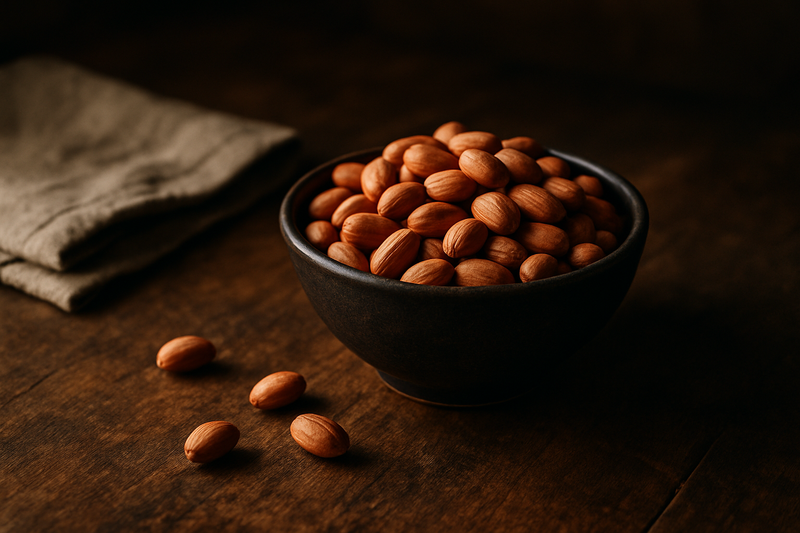
Valencia Peanuts · Photograph
Discover Valencia peanuts health benefits and nutrition facts, from heart health and blood sugar support to plant-based protein and folate. Learn how many to eat, the safest ways to prepare them, and who should take extra care.
Key Nutrients
% Daily Value based on 2,000 cal diet
Key active compounds in Valencia peanuts
- Monounsaturated fatty acids (MUFAs) — mainly oleic acid; the dominant fat, associated with improved LDL (low-density lipoprotein, often called "bad") cholesterol without lowering HDL ("good") cholesterol.
- Polyunsaturated fatty acids (PUFAs) — principally linoleic acid (an omega-6); contributes to a healthy fat profile when the overall diet is balanced.
- Resveratrol — a polyphenol (plant-protective compound) also found in grapes; acts as an antioxidant and may support vascular health, though human data at typical peanut intake levels are still limited.
- Phytosterols (e.g., beta-sitosterol) — plant compounds structurally similar to cholesterol that compete with it for absorption in the gut, modestly lowering LDL.
- Phenolic acids (e.g., p-coumaric acid) — antioxidant compounds found in peanut skins and kernels that may help protect lipids and DNA from oxidative (cellular) damage.
- Proanthocyanidins — condensed tannins with antioxidant and potential anti-inflammatory properties in experimental models.
- Arginine — an amino acid (a protein building block) that the body can convert into nitric oxide, a molecule that helps relax and widen blood vessels.
- Folate (vitamin B9) — critical for DNA synthesis; particularly important around conception and early pregnancy.
- Niacin (vitamin B3) — supports energy metabolism, skin health and nervous system function; peanuts are widely recognised as a good food source.
Prep and pairing ideas
Valencia peanuts are genuinely easy to use. Here are three practical combinations that also make nutritional sense:
1. Valencia peanut butter on wholegrain toast with banana slices The fibre in the bread and banana, combined with peanut butter's protein and healthy fats, creates a low-glycaemic breakfast that steadies blood sugar through the morning. Banana adds potassium; toast adds B vitamins from fortified grain.
2. Boiled Valencia peanuts stirred into a vegetable curry Boiling softens the peanuts to a chickpea-like texture that absorbs spice beautifully. Added to a tomato-based vegetable curry with turmeric, you get complementary plant proteins, and curcumin (turmeric's active compound) pairs with peanuts' fat to improve its absorption.
3. A small handful of dry-roasted unsalted Valencias with an apple The apple's soluble fibre (pectin) combines with peanuts' protein and MUFAs to slow sugar absorption and extend satiety. A portable snack with no prep required.
Bottom line
Valencia peanuts are a nutritionally rich, versatile whole food that fits naturally into a plant-based, heart-healthy eating pattern. The sweet flavour and less bitter skin make them one of the most palatable peanut varieties to eat in minimally processed form — whether boiled, dry-roasted at home, or blended into natural peanut butter. Human evidence on peanuts as a group is robust for cardiovascular benefit, reasonably strong for blood sugar support, and emerging for anti-inflammatory effects.
The key caveats are real and worth repeating: peanut allergy is serious and can be life-threatening; whole peanuts are a choking hazard for young children; and heavily salted or processed peanut snacks may undercut the very benefits that plain peanuts offer. Within those guardrails, a daily small handful of unsalted Valencia peanuts is one of the most evidence-backed, budget-friendly additions you can make to a whole-food diet.
If you want to explore how peanuts fit into your broader health goals, browse our goal-based guides at Plantopedia.
How Valencia Peanuts Compares
| Compared with | What's different |
|---|---|
| Valencia Peanuts vs. Runner Peanuts | Valencias have three or more small kernels per pod, while Runners usually have two. |
| Valencia Peanuts vs. Spanish Peanuts | Valencias are sweeter and thinner-skinned, making them the primary choice for boiling. |
| Valencia Peanuts vs. Virginia Peanuts | Valencias are smaller and sweeter, whereas Virginia peanuts are known for their jumbo size. |
Health Benefits
Things to Know
Peanut allergy is serious.: Peanut allergy is one of the leading causes of food-induced anaphylaxis (a sudden, potentially life-threatening allergic reaction). If you have a known or suspected allergy, avoid all peanut-containing foods. Carry prescribed emergency medication (antihistamine and adrenaline auto-injector) and follow your personalised allergy action plan.
Children under 5 and whole peanuts don't mix: — choking risk is real. For infant introduction, use smooth peanut butter or finely ground peanuts, and always follow current medical guidance (such as the LEAP study protocol: introduce early, with guidance, if the baby is low-risk).
Tree nut allergy overlap.: Some people with tree nut allergies also react to peanuts. Allergy testing can clarify individual risk before introducing either.
Sodium watch.: Salted or flavour-coated peanut snacks can add considerable sodium. People managing hypertension, heart failure, or sodium-sensitive conditions should choose unsalted forms.
Calorie density.: A 1 oz serving is only about 160 calories, but it is easy to overeat. In controlled trials, adding peanuts does not cause significant weight gain — partly because they are satiating — but large, unrestricted portions can tip the calorie balance.
Anticoagulants.: There is no strong documented interaction between peanuts and blood-thinning medications like warfarin, but a major sudden change in dietary fat intake can theoretically affect how some medicines are absorbed. If you are starting or significantly increasing peanut intake while on medication, let your prescriber know.
Aflatoxin awareness.: Store peanuts in a cool, dry place; discard any that smell musty or show mould. Roasting significantly reduces aflatoxin levels.
Pregnancy.: Peanuts are safe to eat during pregnancy for women without allergy; their folate content is actively beneficial. Current UK and US guidance no longer advises avoiding peanuts during pregnancy.
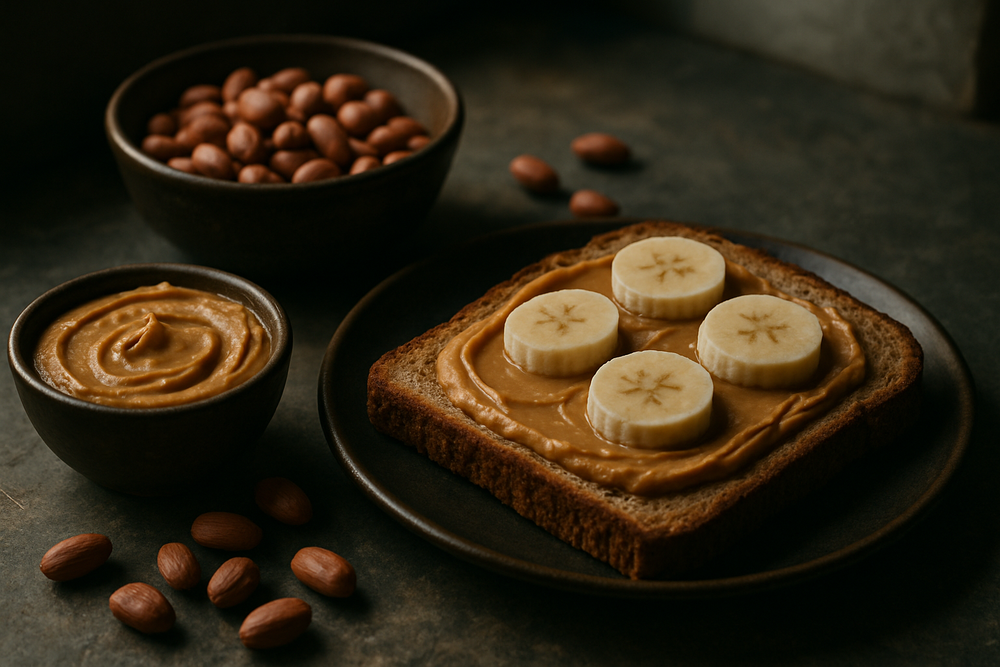
Shop This Ingredient
Stock your pantry with quality valencia peanuts.
Buy on AmazonAs an Amazon Associate, Plantopedia earns from qualifying purchases. This costs you nothing extra and helps us keep the encyclopedia free.
Frequently Asked Questions
Valencia peanuts are a distinct variety of groundnut (Arachis hypogaea) that typically contain three (sometimes four) seeds per shell rather than the usual two. They are smaller, sweeter, and have thinner, less bitter skins than runner or Virginia peanuts — the varieties most commonly found in commercial peanut butter. Because of their sweetness and clean flavour, they are particularly well suited to natural peanut butter and boiled peanut preparations. They are grown mainly in the southwestern United States (especially New Mexico) and parts of Spain.
Research on peanuts as a group — which includes Valencia peanuts, given their similar nutrient profile — shows consistent links to better heart outcomes. Large cohort studies find that eating peanuts two or more times per week is associated with a 13–23% lower risk of cardiovascular disease. Randomised trials show that adding peanuts can raise HDL ("good") cholesterol and improve the overall blood lipid profile without promoting weight gain. For best results, choose unsalted, minimally processed forms; heavily salted or fried peanut snacks may not share the same benefit.
Most human studies use 1–2 oz (28–56 g) per day, or at least two servings per week. A practical starting point is a small handful of shelled kernels (about 1 oz / 28 g) or two tablespoons of natural Valencia peanut butter. If you are new to eating peanuts regularly, starting with half an ounce and gradually increasing over a couple of weeks can help your gut adjust. Because peanuts are calorie-dense (160 calories per oz), portion awareness is sensible if overall calorie intake is a concern.
No. Peanut allergy can cause severe, potentially life-threatening anaphylaxis, and even very small amounts can trigger a reaction in sensitive individuals. If you have a confirmed or suspected peanut allergy, you must avoid all peanut products — including Valencia peanuts — and follow your personalised allergy action plan, including carrying prescribed emergency medication at all times. Speak to an allergist or your GP before attempting any peanut exposure.
Both are good options when prepared without excess salt. Dry-roasting without added oil keeps the healthy fat profile intact and enhances flavour, while also reducing microbial risk. Boiling softens the kernel, leaches a small amount of fat into the cooking water, and is a traditional preparation that works well with Valencia peanuts' natural sweetness. The most important variable for health is sodium: unsalted or lightly salted versions of either preparation are preferable to heavily salted commercial snack peanuts, particularly for people managing blood pressure.
Yes, they are an excellent fit. Valencia peanuts are a minimally processed whole legume offering plant-based protein, unsaturated fats, fibre, folate, niacin and several protective phytochemicals — all consistent with whole-food plant-based principles. They work well as a snack, blended into natural peanut butter, stirred into grain bowls, or boiled into savoury dishes. The main consideration is choosing forms with minimal added salt, sugar, or refined oils to keep them as close to their whole-food state as possible.
Quick Answers
Common questions, answered in a line.
Valencia peanuts provide high levels of monounsaturated fats (oleic acid), plant-based protein, and essential micronutrients like folate and niacin. They are also rich in antioxidants such as resveratrol and p-coumaric acid, alongside phytosterols that help manage cholesterol levels.
Valencia peanuts contain a combination of protein, healthy fats, and fiber that helps slow down sugar absorption and stabilize blood glucose levels. When paired with other high-fiber foods like wholegrain toast or apples, they create a low-glycemic effect that extends satiety.
Yes, eating Valencia peanuts is actively beneficial during pregnancy because they are a rich source of folate (vitamin B9), which is critical for DNA synthesis. Current health guidance no longer advises avoiding peanuts during pregnancy for women without a known allergy.
Valencia peanuts contain the amino acid arginine, which the body converts into nitric oxide to help relax and widen blood vessels. They also provide resveratrol and phenolic acids, which act as antioxidants to support vascular health and protect cells from oxidative damage.
Whole peanuts are a significant choking hazard and should not be given to children under the age of five. For safer introduction, medical guidance suggests using smooth peanut butter or finely ground peanuts, particularly when following infant allergy introduction protocols.
To maintain safety and quality, store Valencia peanuts in a cool, dry place and discard any that appear moldy or smell musty. Roasting peanuts is also a recommended practice as it significantly reduces potential levels of aflatoxin.
Valencia peanuts are naturally sweet with a less bitter skin, making them ideal for eating raw, dry-roasting, or blending into natural peanut butter. They are also frequently boiled, which gives them a soft, chickpea-like texture suitable for adding to curries and stews.
For Readers in the USA
Local context — sourcing, seasonality, and regional notes.
New Mexico is the primary producer of Valencia peanuts in the U.S., accounting for over 90% of the domestic crop due to its ideal dry climate. While other states like Texas and South Carolina grow peanuts, the Portales, New Mexico region is the historic hub for this specific sweet variety.
Fresh Valencia peanuts are typically harvested in the United States between September and October, making them most widely available at farmers markets in the fall. While dried or processed versions are available year-round, the peak season for purchasing "green" peanuts for boiling is late summer through early autumn.
In the U.S., Valencia peanuts are frequently found in natural food stores like Whole Foods Market and specialty grocers like Trader Joe's, often sold as "natural" or "organic" peanut butter. Because they are the preferred variety for boiling, they are also a staple at roadside stands and local markets across the American South.
Look for the USDA Organic seal to ensure your Valencia peanuts were grown without synthetic pesticides or fertilizers, which is a popular choice for this variety given its thin skin. Additionally, the FDA monitors domestic peanut production for aflatoxin, so buying U.S.-grown Valencias ensures the product has met federal safety standards for mold levels.
AI Clinical Review
- Clearly explains that peanuts (including Valencia) are nutrient-dense sources of plant protein, mostly unsaturated fats, fibre, folate, niacin, and magnesium.
- Accurately summarizes human research linking regular peanut intake to better lipid profiles and lower cardiovascular risk, especially when consumed as unsalted, minimally processed nuts or natural peanut butter.
- Offers practical, evidence-aligned serving ranges (about 1–2 oz/28–56 g per day or several times per week) and sensible preparation advice (dry-roasted/boiled, minimal salt).
- Highlights key safety points: peanut allergy risk, choking risk in young children, and aflatoxin/storage considerations.
- Most studies evaluate “peanuts” in general rather than Valencia specifically; variety-specific advantages (beyond flavor/texture) haven’t been demonstrated in clinical trials.
- Cardiometabolic benefits come largely from observational cohorts and short-to-moderate length trials using surrogate markers (e.g., cholesterol); they support but don’t prove disease prevention.
- Anti-inflammatory and polyphenol-related claims (e.g., resveratrol, proanthocyanidins) are biologically plausible but rely mainly on mechanistic or secondary outcomes; robust, peanut-specific clinical endpoints are limited.
- Signals that heavily salted or oil-fried peanut snacks may blunt benefits are suggestive but not definitive; preparation method likely matters, yet head-to-head outcome trials are scarce.
- Allergy: If you have a known or suspected peanut allergy, strict avoidance is essential; carry and know how to use prescribed emergency medication.
- Portions and calories: Start around 1 oz (about a small handful or 2 Tbsp natural peanut butter); peanuts are satiating but calorie-dense, so mindful portions help if weight management is a goal.
- Form and safety: Prefer unsalted dry-roasted, boiled, or natural peanut butter; avoid heavily salted, oil-fried, or sugar-coated products. Store peanuts cool and dry; discard any with musty smell (aflatoxin risk).
- Special populations: For infants and toddlers use smooth peanut butter or powders to reduce choking risk and follow pediatric guidance. People managing hypertension should watch sodium. If you’re on medications (e.g., anticoagulants) or planning pregnancy, discuss any major diet changes with your clinician.
A peanut allergy can be severe; roast or boil before snacking.
References
- USDA FoodData Central — Valencia peanuts, raw (nutrition data) (fdc.nal.usda.gov)
- Harvard T.H. Chan School of Public Health — Legumes and Pulses overview (nutritionsource.hsph.harvard.edu)
- Meta-analysis of RCTs: peanut consumption and cardiovascular risk factors (pubmed.ncbi.nlm.nih.gov)
- RCT: peanut consumption improves cardiovascular indices in free-living subjects (pubmed.ncbi.nlm.nih.gov)
- JACC prospective cohort study: nut consumption and cardiovascular disease risk (jacc.org)
- Frontiers in Nutrition review: effect of peanut consumption on cardiovascular risk factors (frontiersin.org)
- Nurses' Health Study: nut and peanut butter intake and type 2 diabetes risk in women (pubmed.ncbi.nlm.nih.gov)
- Vanderbilt/VU study: peanut consumption and lower cardiovascular and total mortality (news.vumc.org)
- Mayo Clinic — Nuts and heart health guidance (mayoclinic.org)
- NHS — Food allergy overview including peanut allergy safety guidance (nhs.uk)
Know Your Numbers
Eating healthy is a start. Now get to know your biomarkers.
Food changes bloodwork — inflammation, lipids, blood sugar and nutrient status all respond to what you eat. 59 markers from $59.
- Results in 7–10 days at 2,000+ Quest sites
- Licensed provider reviews every result
- One flat price, no membership, HSA/FSA eligible
Educational information only, not medical advice. Panels are ordered and reviewed through our licensed partner; Plantopedia may earn a commission.