Valerian Root — health benefits and uses
Traditional Western sedative herb used for restlessness and sleep.
The Short Answer
Valerian root is a traditional herbal sedative used to improve sleep quality by enhancing GABA activity in the brain. It is most effective when steeped as a tea for 10–15 minutes or taken as a standardized extract 30–60 minutes before bed.
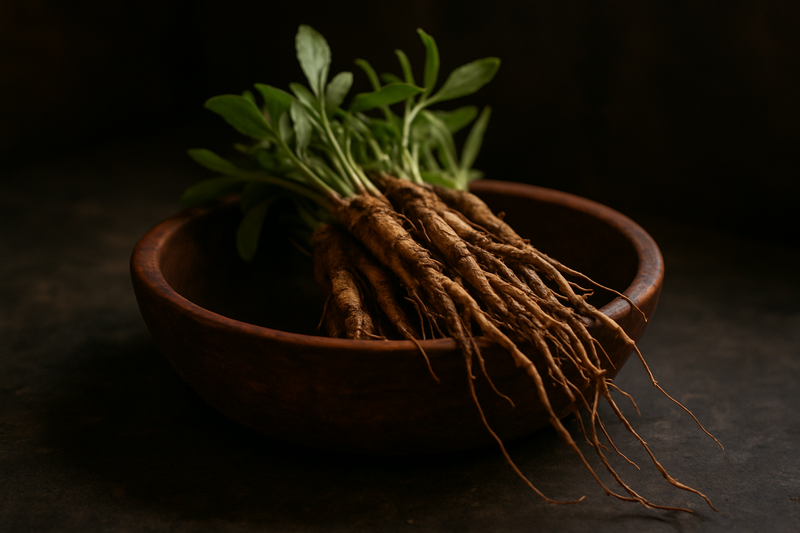
Valerian Root · Photograph
Discover the evidence-based benefits and side effects of valerian root for sleep and relaxation. Learn how to prepare valerian root tea, find the right dosage, and understand who should use it with caution.
Key Nutrients
% Daily Value based on 2,000 cal diet
Key active compounds in valerian root
Valerian root is used primarily for its phytochemicals, not its macro- or micronutrient content. The following compounds are considered most relevant to its relaxation and sleep-supporting effects.
- Valerenic acid — A sesquiterpenic carboxylic acid (a plant-derived organic compound) that is the primary marker chemical in standardized valerian extracts. It acts as an allosteric modulator of GABA(A) receptors, meaning it gently enhances the calming effect of GABA, the brain's main inhibitory neurotransmitter. This is similar in concept — though not in strength — to how benzodiazepine medications work.
- Valepotriates (e.g., valtrate, didrovaltrate) — Esterified iridoid compounds (a type of plant-derived cyclic molecule) that may contribute to anxiety-relieving and muscle-relaxing effects. They are chemically unstable and not always present in finished extracts, particularly dried or heated preparations.
- Sesquiterpenes, including β-caryophyllene — 15-carbon terpenoid (aromatic plant) compounds found in valerian's essential oil. β-caryophyllene is also found in black pepper and cloves and has anti-inflammatory properties in preclinical (laboratory and animal) research.
- Flavonoids (e.g., linarin, apigenin) — Polyphenolic compounds (a large family of plant-based antioxidants) that may support antioxidant activity and modulate neurotransmitter systems.
- Lignans (e.g., pinoresinol, hydroxypinoresinol) — Phenolic dimers (paired aromatic molecules) that may complement valerenic acid's anxiolytic (anxiety-reducing) effects.
- Monoterpenes and volatile oils (e.g., borneol, bornyl acetate) — The aromatic compounds responsible for valerian's characteristic sharp, earthy smell. They may have mild sedative and spasmolytic (muscle-relaxing) properties.
Prep and pairing ideas
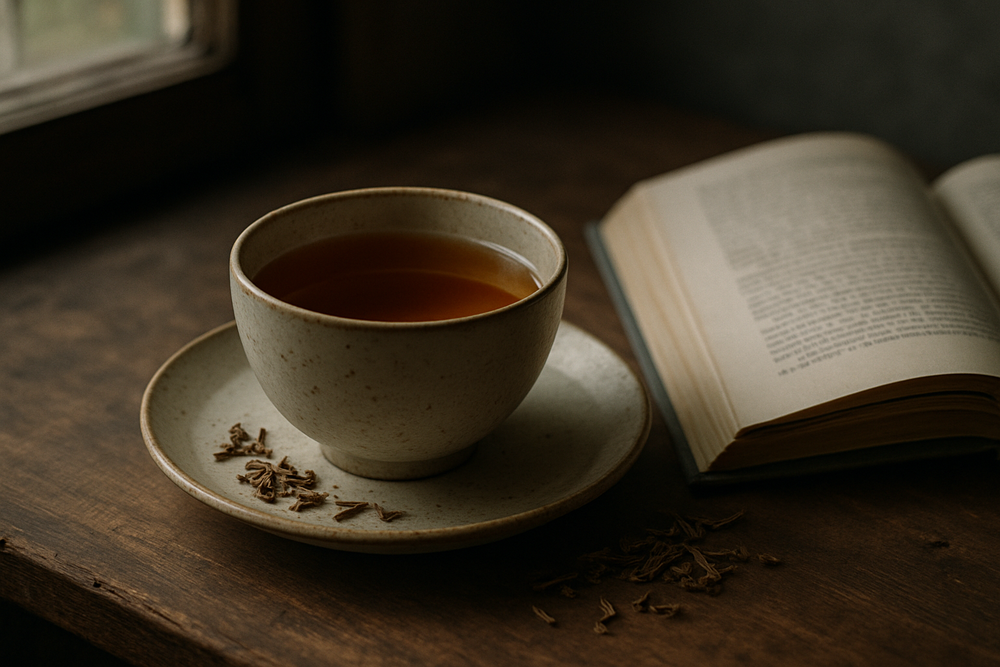
Classic valerian evening tea Steep 2–3 g of dried valerian root in freshly boiled water (not rolling boil — about 95°C / 200°F) for 10–15 minutes. Strain, add a small amount of raw honey if desired, and drink 30–60 minutes before bed. The flavor is earthy and slightly bitter; starting with 1 g and working up helps you adjust to the taste.
Valerian and chamomile blend Mix equal parts dried valerian root and dried chamomile flowers. Chamomile's mild apple-like sweetness balances valerian's earthiness while adding its own gentle calming effect. This is one of the most popular traditional evening blends.
Valerian and lemon balm tea Lemon balm (Melissa officinalis) has a gentle lemony flavor that softens valerian considerably. Some human trials have used this combination specifically for sleep and anxiety, making it one of the better-evidenced pairings. Use about 1.5 g valerian root with 1.5 g dried lemon balm per cup.
Capsule with a calming wind-down routine If tea preparation feels like a barrier at night, a standardized 300–450 mg valerian extract capsule taken with a small glass of warm water works just as well for delivery. Pair it with dimmed lights, no screens, and a consistent sleep schedule to support the herb's modest effects.
Myths vs facts about valerian root
Myth: "Valerian root works immediately, like a sleeping pill." Fact: Most clinical trials show that valerian's effects on sleep build over two or more weeks of consistent use. It is not a rapid-acting sedative in the pharmaceutical sense. Some people notice mild effects sooner, but expecting immediate knockout-style results will likely lead to disappointment.
Myth: "It's herbal, so there are no serious interactions." Fact: "Natural" does not mean interaction-free. Valerian shares a GABAergic mechanism with benzodiazepines and can amplify the effect of any sedative substance — including alcohol, prescription sleep aids, and opioids. These combinations can be dangerous without medical supervision.
Myth: "Valerian root is addictive because it works like Valium." Fact: Despite the name similarity, valerian and Valium (diazepam) are chemically unrelated. Valerian modulates GABA receptors more gently and indirectly. There is no strong clinical evidence that valerian causes physical dependence at standard doses, though abrupt discontinuation after prolonged use may cause mild, transient withdrawal-like symptoms — which is why tapering is still recommended.
Bottom line
Valerian root is a well-studied traditional herb with a genuinely plausible mechanism and a real, if modest, track record for supporting sleep quality and nervous relaxation. An evening cup of valerian tea — perhaps blended with chamomile or lemon balm — is one of the more evidence-informed herbal rituals you can add to a wind-down routine.
That said, valerian is not a cure for insomnia. Its effects take time to appear, vary meaningfully between individuals, and work best as part of a broader sleep hygiene approach — consistent sleep times, reduced screen exposure, a cool dark bedroom — rather than as a standalone fix. It is also not a benign supplement for everyone: the interactions with sedatives, alcohol, and anesthesia are real concerns that deserve direct attention.
For most healthy adults using it short-term at standard doses for occasional sleep difficulty, valerian root is a reasonable, low-risk herbal option worth trying. If sleep problems persist beyond a few weeks, working with a clinician — ideally one trained in CBT-I — is a more effective long-term path.
How Valerian Root Compares
| Compared with | What's different |
|---|---|
| Valerian Root vs. Chamomile | Offers a milder, sweeter flavor and uses different compounds (apigenin) for relaxation. |
| Valerian Root vs. Lemon Balm | Provides a citrus scent and is often combined with valerian to improve its bitter taste. |
| Valerian Root vs. Hops | Contains humulone and lupulone which provide a more potent sedative effect than valerian alone. |
Health Benefits
Things to Know
Sedatives and sleep medications: Valerian can significantly increase the sedative effect of benzodiazepines (e.g., diazepam, lorazepam), barbiturates, and prescription sleep aids like zolpidem. Combining them without medical supervision risks excessive drowsiness or impaired breathing.
Alcohol: Drinking alcohol alongside valerian meaningfully increases drowsiness and impairs coordination and cognitive performance. Avoid this combination.
Other CNS depressants: Opioid pain medications, certain antipsychotics, and anticonvulsants all act on the central nervous system (CNS). Adding valerian can intensify these effects unpredictably.
Other calming herbs and supplements: Kava, passionflower, hops, and melatonin blends can stack sedative effects with valerian. If using a combination product, check all ingredients.
Pre-surgery: Valerian's sedative actions may interact with anesthesia. Most guidelines recommend discontinuing use at least one to two weeks before any scheduled surgery or procedure.
Pregnancy and breastfeeding: Not recommended. There is insufficient safety data, and the effects of valerenic acid and valepotriates on fetal development are not well understood.
Children under 3 years: Avoid. Controlled safety data are lacking.
Older adults: May experience exaggerated drowsiness or confusion at standard doses. Start at the lower end of any dose range.
Liver conditions: Comprehensive hepatic (liver) safety data are limited. Those with liver disease or taking multiple liver-metabolized drugs should use valerian only under medical supervision.
Duration of use: Most guidelines and clinical trials support short-term use — typically 2 to 8 weeks continuously. If you have been taking valerian for several weeks and wish to stop, taper the dose rather than stopping abruptly to avoid transient withdrawal-like symptoms.
Glossary
Shop This Ingredient
Stock your pantry with quality valerian root.
Buy on AmazonAs an Amazon Associate, Plantopedia earns from qualifying purchases. This costs you nothing extra and helps us keep the encyclopedia free.
Frequently Asked Questions
Sleep quality and insomnia The most-studied use for valerian root is mild to moderate insomnia — specifically trouble falling asleep (sleep latency) and subjective sleep quality (how rested you feel). A meta-analysis of 16 randomized, placebo-controlled trials involving over 1,000 participants concluded that valerian may improve sleep quality and is generally safe for short-term use, though the authors noted significant variation across studies and cautioned against firm conclusions. Subjective measures (self-reported sleep quality, how long it felt like falling asleep took) tend to respond more clearly than objective measures such as polysomnography (a medical test that records brain waves, breathing, and movement during sleep). In practical terms: you might feel like you slept better even if a sleep clinic device would show only modest changes. That is not nothing — perceived sleep quality has real effects on mood, energy, and daily function — but it is worth knowing the distinction. Takeaway: Effects are real for many people, but mild and not universal. Valerian is not a replacement for evidence-based insomnia therapies like Cognitive Behavioral Therapy for Insomnia (CBT-I). Anxiety, stress, and nervous tension Small randomized trials suggest valerian root extracts (commonly 100–200 mg taken up to three times daily) may reduce anxiety scores and subjective nervous tension compared with placebo. The proposed mechanism involves valerenic acid's action on GABA(A) receptors, as well as possible glutamatergic effects (modulation of glutamate, an excitatory brain chemical). Evidence here is weaker than for sleep, with smaller sample sizes and less consistent results. The European Medicines Agency recognizes traditional use for "nervous tension and restlessness," which is a fair characterization: the effect is calming rather than strongly anxiolytic. Valerian should not replace prescribed anti-anxiety medication. Restless Legs Syndrome A small triple-blind, randomized, placebo-controlled trial in 37 participants found that valerian root improved sleep quality and reduced Restless Legs Syndrome (RLS) symptom severity compared with placebo. RLS is a neurological condition causing uncomfortable leg sensations and an urge to move the legs, especially at night. Evidence is preliminary and needs replication in larger trials. Hormones and cycle health A handful of small randomized trials have examined valerian for menopausal vasomotor symptoms — the technical term for hot flashes and night sweats. Daily doses of approximately 530–1,060 mg of valerian root extract over 8 weeks appeared to modestly reduce hot flash frequency and severity in some studies. Evidence remains preliminary, and other established therapies for menopause symptoms have a much stronger evidence base. Traditional and clinical sources also reference valerian for PMS-related tension, irritability, and sleep disturbance, though rigorous trial data for this use are sparse. Inflammation and antioxidant activity Valerian's sesquiterpenes and flavonoids show anti-inflammatory and antioxidant activity in laboratory and animal studies. However, controlled human trials specifically measuring inflammatory markers or antioxidant status after valerian supplementation are essentially absent. Consider antioxidant benefits a plausible but unconfirmed property at this stage.
Valerian is available in several forms, each with practical trade-offs. Dried root tea is the most traditional and whole-food approach. Steep 2–3 g of dried root in about 1 cup (240 mL) of hot water for 10–15 minutes. The flavor is earthy and somewhat pungent — many people find it easier to tolerate with a little honey or combined with sweeter herbs like chamomile. Phytochemical content varies by batch and source. Standardized capsule or tablet extract is the most consistent option for dosing. Look for products standardized to approximately 0.8% valerenic acid per dose. Typical trial doses are 300–600 mg taken 30–60 minutes before bedtime. Capsules bypass the taste entirely, which many people prefer. Powdered dried root capsules are the middle ground: whole-root powders in capsule form, usually taken at 0.3–1 g per dose. Less standardized than extracts but closer to the traditional whole-plant preparation. Tinctures and fluid extracts are liquid preparations where doses are typically calibrated to equivalent dried-root amounts. Dosing varies by product concentration — always read the label. Combination sleep formulas pairing valerian with lemon balm, hops, or lavender are popular and may be slightly more effective than valerian alone for some people, but evidence for specific combinations varies and individual product quality is inconsistent.
The restless overthinker at bedtime Finds their mind racing as soon as they lie down Struggles with the transition from "on" to "off" in the evening Prefers a gentle, non-pharmaceutical option to start winding down an hour before bed May respond well to a warm valerian and chamomile tea as part of a consistent nighttime routine The perimenopausal woman with disrupted sleep Experiencing night sweats or hot flashes that interrupt sleep Looking for a complementary tool alongside lifestyle changes Interested in small trial data supporting modest reduction in vasomotor symptoms Should discuss valerian with a clinician before use, particularly if on hormonal or cardiac medications
Dosage depends on what you are using valerian for and the form you choose. For sleep support (most common use): Dried root tea: 2–3 g steeped in hot water, taken 30 minutes to 1 hour before bed Standardized extract capsule: 300–600 mg (standardized to 0.8% valerenic acid), taken 30–60 minutes before bedtime Most clinical trials run for 2–8 weeks; some evidence suggests benefits accumulate over this period rather than appearing immediately For daytime nervous tension: Standardized extract: 100–200 mg up to three times daily has been used in trials Dried root: 0.3–1 g per dose, up to three times daily, per European herbal monograph guidance Starting guidance: Begin at the lower end of any range. Some people are more sensitive to valerian than others, and starting low lets you gauge your personal response — especially around next-day grogginess — before increasing the dose. If you feel significantly drowsy the following morning, reduce the dose or take it earlier in the evening. Duration: Most guidance supports use for up to 2–8 weeks. If you need ongoing support for sleep, discuss longer-term options with a healthcare professional rather than using valerian indefinitely without medical oversight. If you are looking for other evidence-supported approaches to sleep and stress, explore Plantopedia's goals guides for complementary lifestyle and nutritional strategies.
Quick Answers
Common questions, answered in a line.
Valerian root contains valerenic acid, which acts as an allosteric modulator of GABA(A) receptors to enhance the brain's natural calming effects. It also contains valepotriates, flavonoids, and lignans that may support anxiety-relieving and muscle-relaxing benefits.
To make valerian tea, steep 2–3 grams of dried root in 95°C (200°F) water for 10–15 minutes and drink it 30–60 minutes before bed. You can add raw honey or blend it with chamomile or lemon balm to balance its earthy, bitter flavor.
Valerian root is not a rapid-acting sedative and typically requires two or more weeks of consistent use for its effects on sleep to build. While some people notice mild effects sooner, it does not provide the immediate "knockout" results associated with pharmaceutical sleep aids.
Valerian root can significantly amplify the effects of alcohol, benzodiazepines, barbiturates, and prescription sleep aids like zolpidem. Combining these substances increases the risk of excessive drowsiness, impaired coordination, and breathing difficulties.
Valerian root should be avoided by pregnant or breastfeeding women, children under age three, and individuals scheduled for surgery within two weeks. Older adults and those with liver conditions should also exercise caution and consult a healthcare provider before use.
Valerian and Valium (diazepam) are chemically unrelated despite their similar names, and valerian is not considered physically addictive at standard doses. However, tapering the dose is recommended after prolonged use to avoid mild, transient withdrawal-like symptoms.
For Readers in the USA
Local context — sourcing, seasonality, and regional notes.
Valerian grows well in USDA Plant Hardiness Zones 4 through 9, flourishing in the temperate climates of the Pacific Northwest and the Northeast. While it is native to Europe and Asia, it has naturalized in many parts of the U.S. and prefers moist, well-drained soil with full sun to partial shade.
In the U.S., you can find valerian root supplements and teas at major retailers like Whole Foods Market, Sprouts Farmers Market, and CVS, as well as through online giants like Amazon. For fresh or raw dried root, check local apothecary shops or natural food cooperatives, particularly in regions like the West Coast where herbalism is highly integrated.
The FDA regulates valerian root as a dietary supplement, meaning it does not undergo the same rigorous pre-market testing for safety and efficacy as over-the-counter sleep drugs. To ensure quality, U.S. consumers should look for products with third-party certifications like USP (U.S. Pharmacopeia) or NSF International on the label.
In the U.S., valerian is often nicknamed "All-heal" or "Garden Heliotrope," and it is most culturally recognized for its pungent, "gym locker" aroma. It is a staple in the American natural wellness community, frequently marketed in "Sleepytime" style tea blends alongside other domestically grown herbs like skullcap and hops.
AI Clinical Review
- Sets appropriate expectations: valerian’s sleep benefits are modest, tend to build over 2–4 weeks, and vary by person.
- Describes a plausible mechanism (GABA(A) modulation via valerenic acid) without equating it to prescription sedatives.
- Provides practical, commonly used doses (2–3 g dried root as tea; 300–600 mg standardized extract ~0.8% valerenic acid 30–60 minutes before bed).
- Emphasizes key safety points: avoid alcohol and other sedatives, disclose use before surgery, and recognize higher sensitivity in older adults.
- Correctly frames valerian as an adjunct to good sleep hygiene and not a substitute for CBT‑I for chronic insomnia.
- Improvements are more consistent for subjective sleep quality than for objective sleep measures; trials are heterogeneous and often small.
- Anxiety and menopausal symptom data are limited and mixed; benefits appear possible but not definitive.
- Evidence for restless legs syndrome comes from small studies and needs replication.
- Anti‑inflammatory/antioxidant findings are largely preclinical; human biomarker data are lacking.
- Product quality varies: standardized extracts (~0.8% valerenic acid) offer more consistent dosing than teas; consider third‑party tested products when possible.
- Start low to gauge next‑day drowsiness; take earlier in the evening if grogginess occurs, and avoid driving or hazardous tasks if sedated.
- Typical trial use is 2–8 weeks; if used longer, taper rather than stopping abruptly and speak with a clinician if sleep problems persist.
- Check with a healthcare professional if you are pregnant or breastfeeding, have liver disease, are taking CNS depressants (e.g., benzodiazepines, opioids, sleep medicines), or have an upcoming procedure requiring anesthesia.
May cause drowsiness; avoid combining with sedatives or alcohol.
References
- Restorative Medicine clinical monograph on Valeriana officinalis — comprehensive review of mechanisms, clinical trials, and safety (restorativemedicine.org)
- European Medicines Agency herbal monograph on Valeriana officinalis radix — official EU guideline recognizing traditional use for sleep disturbance and nervous tension (ema.europa.eu)
- Merck Manual Professional Edition — Valerian — clinical reference summary on evidence, dosing, and safety (merckmanuals.com)
- Examine.com — Valerian — evidence-based supplement review including human trial data and dosage analysis (examine.com)
- PubMed: Molecular mechanisms of anxiolytic effects of Valeriana officinalis (2021) — peer-reviewed review of GABAergic and glutamatergic mechanisms (pubmed.ncbi.nlm.nih.gov)
- ClinicalTrials.gov — Valerian Root Extract and Lavender Aromatherapy for Insomnia (NCT05194618) — active randomized controlled trial evaluating efficacy and safety in adults (clinicaltrials.gov)
- WebMD — Valerian Root Oral: Uses, Side Effects, Interactions, Warnings — consumer-level safety and interaction overview (webmd.com)
- USDA FoodData Central — nutritional composition reference database (fdc.nal.usda.gov)
- MedicineNet — Valerian: Insomnia Uses, Warnings, Dosage — clinical overview including cautions and populations to avoid (medicinenet.com)
- Healthline — Valerian Root Dosage: How Much Is Safe? — accessible overview of dose ranges and forms backed by cited studies (healthline.com)
Know Your Numbers
Eating healthy is a start. Now get to know your biomarkers.
Food changes bloodwork — inflammation, lipids, blood sugar and nutrient status all respond to what you eat. 59 markers from $59.
- Results in 7–10 days at 2,000+ Quest sites
- Licensed provider reviews every result
- One flat price, no membership, HSA/FSA eligible
Educational information only, not medical advice. Panels are ordered and reviewed through our licensed partner; Plantopedia may earn a commission.