Wheatgrass — health benefits and uses
Popularized as a cleansing, nutrient-dense living green.
The Short Answer
Wheatgrass is a nutrient-dense young grass providing high levels of chlorophyll, antioxidants like ferulic acid, and essential vitamins K and C. Research suggests it may support management of ulcerative colitis and lipid levels when used as a supplement to

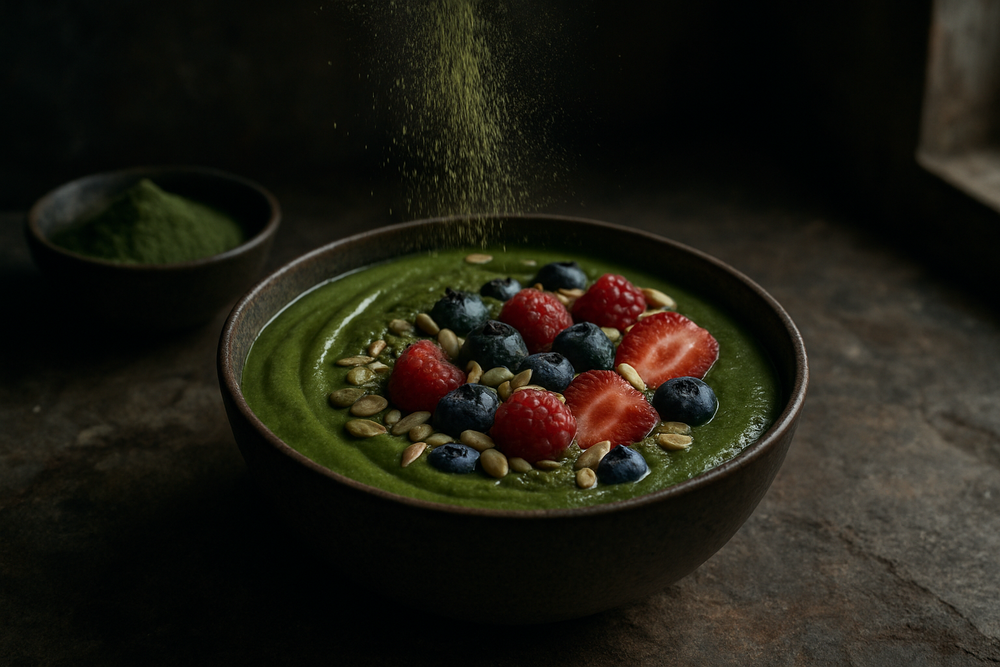
Wheatgrass · Photograph
Discover the real wheatgrass benefits, side effects, and how to use it safely. From wheatgrass juice shots to powder, explore what the clinical evidence actually says about chlorophyll, detox, immune support, and more.
Key Nutrients
% Daily Value based on 2,000 cal diet
Key active compounds in wheatgrass
- Chlorophyll — The primary green pigment. Acts as an antioxidant in laboratory studies and is often credited with wheatgrass's purported detox and protective effects. Chlorophyll in the grass does not function identically to hemoglobin in blood, despite a popular claim that it does.
- Flavonoids (apigenin, quercetin) — Polyphenolic plant compounds (natural chemicals made by plants) with antioxidant and anti-inflammatory activity observed in cell and animal studies.
- Phenolic acids (ferulic acid, p-coumaric acid) — A class of plant-derived antioxidants common in cereal grasses that may help protect fats, proteins, and DNA from oxidative damage (cell-level damage caused by unstable molecules called free radicals).
- Superoxide dismutase (SOD) — An antioxidant enzyme (a protein that speeds up protective chemical reactions) found in fresh wheatgrass juice; stability and absorption in the human gut are still being studied.
- Polysaccharides — Complex carbohydrates that preliminary research suggests may influence immune cell activity and gut bacteria, though supporting data remain largely preclinical (from lab or animal studies, not yet confirmed in humans).
- Vitamins C and K, iron, and magnesium — Present in the grass in amounts that vary by growing conditions and processing method.
Prep and pairing ideas
Wheatgrass has a distinctly grassy, slightly bitter flavor that catches people off guard the first time. Here are three practical ways to work with it:
1. The classic shot Throw back 30–60 ml of fresh or thawed juice on its own first thing in the morning before coffee. Chase immediately with a slice of citrus — the acidity helps neutralize the intense green taste. Many juice bars offer this paired with a lemon wedge for exactly that reason.
2. Green smoothie blend Add 1 teaspoon (about 3 g) of wheatgrass powder to a blender with frozen mango or pineapple, coconut water, and spinach. The sweetness of tropical fruit masks the bitterness effectively, and the vitamin C in the fruit may support the absorption of plant-based iron.
3. Savory green dressing Whisk half a teaspoon of wheatgrass powder into a tahini-lemon dressing. The earthy flavor pairs naturally with grain bowls, roasted root vegetables, or lentil salads. This works well for people who find the concentrated shot format too intense.
Storage tip: Powder keeps best in an airtight container away from heat, light, and moisture. Once opened, use within 2–3 months. Frozen juice cubes keep up to 6 months in a sealed freezer bag.
Bottom line
Wheatgrass is a genuinely nutrient-dense green food with a small but credible body of human trial evidence behind it — particularly for ulcerative colitis, lipid management, and supportive care during chemotherapy and in thalassemia. It is not a detox miracle or cure-all, and the mechanisms behind many popular claims (like "cleansing the liver") have not been confirmed in direct human studies.
For a healthy adult curious about adding more concentrated greens to their routine, a daily shot of fresh juice or a teaspoon of powder is a low-risk, potentially worthwhile habit. For anyone managing a specific health condition, wheatgrass works best as a complement — not a replacement — for standard care, ideally discussed with a healthcare provider first. Prioritize certified gluten-free products, start low, and watch for the interactions noted above.
How Wheatgrass Compares
| Compared with | What's different |
|---|---|
| Wheatgrass vs. Barley Grass | Stronger, bitter taste with higher chlorophyll; usually consumed as a raw juice shot. |
| Wheatgrass vs. Spirulina | A blue-green algae with significantly higher protein content (about 4g per tablespoon). |
| Wheatgrass vs. Spinach | A whole-leaf vegetable with more fiber and lower concentration of specific cereal grass enzymes. |
Health Benefits
Things to Know
Gluten cross-contamination: Pure wheatgrass (the grass blade) contains no gluten. However, wheat kernels or gluten-containing dust can contaminate products during growing or processing. Always choose certified gluten-free products if you have celiac disease or non-celiac gluten sensitivity.
Vitamin K and blood thinners: Wheatgrass is a concentrated source of vitamin K, which can reduce the effectiveness of warfarin and similar anticoagulant medications. If you take a blood thinner, do not start wheatgrass without discussing it with your prescriber first.
Other blood thinners and antiplatelet drugs: Aspirin, clopidogrel, and related medications warrant similar caution, though direct evidence is limited.
Immunocompromised individuals: Raw or homegrown wheatgrass juice carries a theoretical risk of bacterial or mold contamination. If you are on chemotherapy, immunosuppressant drugs, or have HIV, use only commercially produced, hygiene-controlled products — and check with your care team first.
Chemotherapy: Wheatgrass has been studied as a supportive adjunct during chemotherapy, but any use during cancer treatment must be coordinated with your oncology team. Do not self-prescribe.
Immunosuppressive medications: Preclinical data suggest wheatgrass polysaccharides may influence immune activity; the interaction with immunosuppressants is not well characterized.
Pregnancy and breastfeeding: There are no robust safety studies for concentrated wheatgrass shots or supplements during pregnancy or breastfeeding. Err on the side of caution and consult your provider.
Children with chronic illness: Wheatgrass has been studied in children with thalassemia, but only under close medical supervision. Do not give supplements to children with serious conditions without a clinician's guidance.
Starting out: Nausea, loose stools, or headache may occur in some people when beginning, particularly at higher doses. Start with a small amount (15–30 ml of juice or 1 g of powder) and increase gradually.
Glossary
Shop This Ingredient
Stock your pantry with quality wheatgrass.
Buy on AmazonAs an Amazon Associate, Plantopedia earns from qualifying purchases. This costs you nothing extra and helps us keep the encyclopedia free.
Frequently Asked Questions
Heart and circulation A randomized controlled study gave 59 South Asian women with high blood lipids either 3.5 g of freeze-dried wheatgrass powder in capsules daily or no supplement for ten weeks. The wheatgrass group showed statistically significant reductions in total cholesterol (about 5%), triglycerides (about 9.5%), and apolipoprotein B (a marker linked to cardiovascular risk) compared with the control group, without a meaningful drop in HDL ("good") cholesterol. No serious side effects were reported. That is a meaningful finding, but it is one small, short-term trial. It did not measure hard outcomes like heart attacks or strokes, and the effect size is modest. People managing high cholesterol should prioritize evidence-based strategies — dietary patterns, medication where appropriate — and consider wheatgrass only as an adjunct under clinical guidance. Digestive health and microbiome The most compelling human evidence for wheatgrass involves a specific digestive condition: active distal ulcerative colitis (inflammation limited to the lower portion of the large intestine). In a randomized, double-blind, placebo-controlled trial — the strongest study design — 23 patients received either 100 ml of fresh wheatgrass juice or a matching placebo daily for one month alongside their standard care. The wheatgrass group showed significantly reduced disease activity scores and less rectal bleeding; no serious side effects occurred. It is important to note that this benefit was demonstrated in a specific disease context, not in healthy adults with general bloating or irregular digestion. There is currently no robust clinical trial showing wheatgrass improves irritable bowel syndrome or everyday digestive complaints. Blood sugar and metabolism Here the evidence is still emerging. The ten-week cholesterol trial did not find meaningful changes in blood sugar markers. Most of what we know about wheatgrass and glucose comes from animal and cell studies suggesting it may reduce oxidative stress in ways that could indirectly influence how the body handles sugar. Until dedicated human trials measure fasting glucose, HbA1c (a three-month blood sugar average), or insulin sensitivity directly, blood sugar claims for wheatgrass remain speculative. People with diabetes should not substitute wheatgrass for evidence-based management. Hormones and cycle health The same cholesterol trial also tracked menopausal symptoms in the women participants. Wheatgrass supplementation was associated with nonsignificant numerical reductions in vasomotor symptoms (like hot flashes), somatic, and psychological symptom scores — but these did not reach statistical significance. Hormone levels (estrogen, FSH) were not directly measured. Current data do not support promoting wheatgrass as a hormone therapy or primary menopausal treatment. Inflammation and recovery Two bodies of evidence stand out here. First, in the ulcerative colitis trial described above, wheatgrass juice reduced markers of gut inflammation. Second, in a controlled trial of 100 colorectal cancer patients receiving adjuvant chemotherapy (treatment given after the main cancer therapy to reduce recurrence risk), the group drinking daily wheatgrass juice maintained higher levels of the anti-inflammatory signaling protein IL-10 and experienced a smaller drop in white blood cell counts compared with the chemotherapy-only group — without an increase in severe diarrhea. Separately, several studies in patients with thalassemia (a genetic blood disorder requiring regular transfusions) reported that regular wheatgrass juice supplementation was associated with improved hemoglobin, lower serum ferritin (a marker of iron overload), and reduced transfusion frequency. All of these findings come from specific clinical populations under medical supervision. The inflammation-related benefits observed in serious illness settings should not be assumed to apply directly to healthy people seeking general anti-inflammatory support.
Buying guide Fresh wheatgrass juice shots (30–100 ml) The form used in most human trials. High in chlorophyll and live enzymes, but highly perishable — consume immediately after juicing. Grow-at-home kits and juice bars offer this format. Risk of microbial contamination is highest here; people with compromised immune systems should avoid raw, homegrown juice and opt for commercially tested products. Freeze-dried wheatgrass powder Juice or whole grass is freeze-dried to preserve nutrients, then powdered. This is the form used in the cholesterol trial (3.5 g/day in capsules). More shelf-stable, portable, and easier to dose consistently than fresh juice. Mix into cold water, smoothies, or yogurt (heat degrades chlorophyll). Frozen wheatgrass juice cubes Fresh juice frozen into single-serve portions. Convenient and closer to fresh than powder. Thaw before drinking; do not microwave. Tablets and capsules Contain dried, powdered wheatgrass. Nutrient density varies widely by brand and processing. Check for: Certified gluten-free label (essential for celiac disease or wheat allergy) Third-party quality testing (NSF, USP, or equivalent) Single ingredient with no added fillers Label tip: "Organic wheatgrass" tells you about pesticide practices; it does not automatically mean gluten-free. Look for both certifications if you need them.
Human clinical trials have used: 30–100 ml of fresh wheatgrass juice daily for four weeks to several months (ulcerative colitis, thalassemia, and cancer supportive care studies) 3.5 g/day of freeze-dried powder in capsules for ten weeks (cholesterol trial) 55–110 ml/day of frozen juice in some chemotherapy support protocols Practical starting guidance: Begin at the lower end — 30 ml juice or 1–2 g powder — for the first one to two weeks to gauge tolerance. Most commercially available shots are 30–60 ml; one shot per day is a reasonable maintenance dose for general use. There is no established "detox dose" that is higher than the doses used in clinical research. Taking more does not mean faster results and may increase the risk of nausea or digestive upset. No official upper limit has been set by health authorities. Duration beyond the studied periods (typically up to three months) is unstudied in formal trials. Morning or evening? Most study protocols and traditional practice favor morning consumption on an empty stomach, but there is no strong evidence that timing makes a significant difference. Take it when you are most likely to be consistent. Looking to connect specific health goals with the right foods? Browse the Plantopedia Goals Library to see how wheatgrass fits into broader food-as-medicine patterns.
Quick Answers
Common questions, answered in a line.
Wheatgrass contains chlorophyll, flavonoids like quercetin and apigenin, phenolic acids, and the antioxidant enzyme superoxide dismutase (SOD). These plant compounds act as antioxidants that protect cells from oxidative damage caused by unstable free radical molecules.
Pure wheatgrass blades are naturally gluten-free, but products can become contaminated with gluten-containing kernels or dust during growing and processing. Individuals with celiac disease or gluten sensitivity should only use products that are certified gluten-free.
Wheatgrass contains high levels of vitamin K, which can reduce the effectiveness of warfarin and other anticoagulant medications. You should consult a healthcare provider before using wheatgrass if you take blood thinners, aspirin, or antiplatelet drugs.
Common side effects when starting wheatgrass include nausea, headache, or loose stools, especially if taken in high doses. To minimize these effects, it is recommended to start with a small amount, such as 15–30 ml of juice or 1 gram of powder, and increase gradually.
Wheatgrass powder should be stored in an airtight container away from moisture, light, and heat, and used within two to three months of opening. Frozen juice cubes can be kept in a sealed freezer bag for up to six months.
You can mask the bitter, grassy flavor of wheatgrass by blending powder into tropical fruit smoothies or whisking it into a savory tahini-lemon dressing. If drinking a fresh shot, chasing it with a slice of citrus can help neutralize the intense green taste.
Immunocompromised individuals should use only commercially produced, hygiene-controlled wheatgrass products because raw or homegrown juice carries a risk of mold or bacterial contamination. This includes people on chemotherapy, immunosuppressant drugs, or those living with HIV.
For Readers in the USA
Local context — sourcing, seasonality, and regional notes.
You can buy fresh wheatgrass at major US grocery chains like Whole Foods Market and Sprouts, or find concentrated powders at retailers like GNC and Vitamin Shoppe. Many local juice bars, such as Jamba, also offer fresh wheatgrass shots as a menu add-on.
Wheatgrass grows year-round indoors in the US, but it is most commonly cultivated outdoors in Kansas and the Midwest during the spring and fall. These regions provide the ideal temperate conditions for large-scale production of high-quality wheatgrass powder.
The USDA Organic seal on wheatgrass products ensures they were grown without synthetic fertilizers or pesticides and meet strict federal standards. For consumers, this label is a common way to verify that the grass was cultivated using sustainable agricultural practices.
The FDA classifies wheatgrass as a "raw agricultural commodity," meaning fresh juice carries a risk of bacterial contamination if not handled properly. To ensure safety, the FDA recommends that juice bars and producers follow strict sanitation protocols to prevent foodborne illness.
AI Clinical Review
- Accurately distinguishes wheatgrass (the young grass) from wheat grain and notes gluten-free status with appropriate emphasis on cross-contamination risk for celiac disease.
- Summarizes the best human data: a small RCT showing benefit in distal ulcerative colitis, a modest lipid-lowering effect with ~3.5 g/day freeze‑dried powder, and adjunctive use during chemotherapy and in thalassemia—framed correctly as complementary, not curative.
- Provides practical, study‑aligned dosing ranges (about 30–100 ml juice or ~3.5 g powder daily) and emphasizes that higher “detox” doses aren’t supported.
- Sensibly compares forms (fresh, frozen, powder) and flags microbial safety concerns with raw/homegrown juice.
- Most trials are small and short (weeks to a few months), so durability of benefits and effects on hard outcomes (e.g., heart attacks, hospitalizations) are unknown.
- Many mechanistic claims (chlorophyll, antioxidant enzymes, immune modulation) come from lab or animal work; human bioavailability and clinically meaningful effects remain uncertain.
- Evidence for glycemic control, IBS, or general “detox/liver cleanse” benefits is limited or indirect; these uses should be considered speculative.
- Product variability (growing conditions, processing) likely changes nutrient and phytochemical content; few head‑to‑head comparisons exist.
- Typical trial doses: 30–100 ml fresh juice or ~3.5 g/day powder; start low to gauge tolerance. Mild nausea or loose stools can occur, especially at higher amounts.
- Vitamin K content may interfere with warfarin; use caution with other anticoagulants/antiplatelets and discuss with your clinician if you take these medications.
- Immunocompromised individuals, those on immunosuppressants, people who are pregnant or breastfeeding, and children with chronic illness should seek clinician guidance; prefer commercially tested products over raw/homegrown juice.
- For celiac disease or wheat allergy, choose certified gluten‑free products and consider third‑party quality testing; powder/frozen forms are generally more stable and lower risk than fresh bar‑juiced shots.
Gluten-free as pure grass, but cross-contamination is possible; choose certified products.
References
- USDA FoodData Central — nutritional composition reference for plant foods (fdc.nal.usda.gov)
- Randomized controlled trial: wheatgrass juice for active distal ulcerative colitis — double-blind, placebo-controlled; significant reduction in disease activity and rectal bleeding (pubmed.ncbi.nlm.nih.gov)
- Randomized controlled trial: freeze-dried wheatgrass powder for hyperlipidemia and menopausal symptoms — 59 South Asian women, 10 weeks, significant lipid improvements (pubmed.ncbi.nlm.nih.gov)
- Controlled trial: wheatgrass juice and immune parameters during adjuvant chemotherapy in colorectal cancer — higher IL-10 and maintained white blood cell counts in wheatgrass group (pmc.ncbi.nlm.nih.gov)
- Randomized prospective study: wheatgrass in thalassemic children — improved hemoglobin, lower ferritin, reduced transfusion frequency (pmc.ncbi.nlm.nih.gov)
- Systematic review: The Medical Use of Wheatgrass — summarizes gap between traditional use and clinical evidence (pubmed.ncbi.nlm.nih.gov)
- Review: Therapeutic Potential of Wheatgrass Juice — comprehensive overview of mechanisms and clinical findings (pmc.ncbi.nlm.nih.gov)
- Review: Wheatgrass as a miraculous microgreen — phytochemistry, bioactivity, and emerging applications (sciencedirect.com)
- Phytochemical and in vitro study: Triticum aestivum — antioxidant compounds and in silico analysis (nature.com)
- Functional Foods review: Wheatgrass juice in thalassemia — clinical applications and dosing evidence (functionalfoodscenter.net)
Know Your Numbers
Eating healthy is a start. Now get to know your biomarkers.
Food changes bloodwork — inflammation, lipids, blood sugar and nutrient status all respond to what you eat. 59 markers from $59.
- Results in 7–10 days at 2,000+ Quest sites
- Licensed provider reviews every result
- One flat price, no membership, HSA/FSA eligible
Educational information only, not medical advice. Panels are ordered and reviewed through our licensed partner; Plantopedia may earn a commission.