Yellow-Eyed Beans — health benefits and uses
A regional Northeastern staple for slow Sunday bean pots.
The Short Answer
Yellow-eyed beans are nutrient-dense heirloom legumes that provide 9 grams of fiber and 5 grams of protein per cooked cup. They are known for a mild, sweet flavor and a creamy texture that holds up well in slow-cooked dishes like New England baked beans.
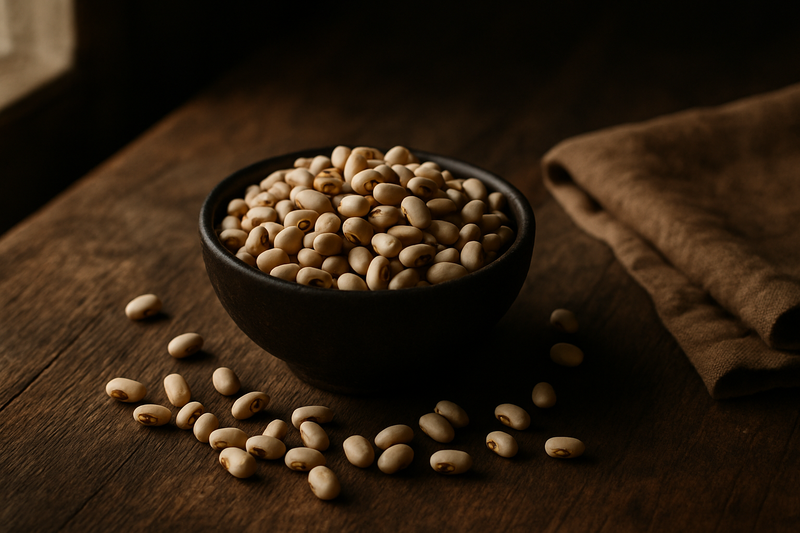
Yellow-Eyed Beans · Photograph
Discover yellow eye beans health benefits, nutrition facts, and safe preparation tips. This heirloom New England legume delivers plant protein, fiber, iron, and folate — here's what the evidence says.
Key Nutrients
% Daily Value based on 2,000 cal diet
Key active compounds in yellow eye beans
Yellow eye beans contain several biologically active compounds beyond their vitamins and minerals. Here is what research on common beans has identified and why each matters:
- Resistant starch — A portion of bean starch that passes through the small intestine undigested and is fermented by gut bacteria in the colon. This fermentation produces short-chain fatty acids (SCFAs), small molecules that feed the colon lining, support microbiome diversity, and may help with blood sugar regulation.
- Soluble fiber — Dissolves in water to form a gel-like substance in the gut, which slows digestion, blunts post-meal blood sugar rises, and can help lower LDL (low-density lipoprotein) cholesterol — often called "bad" cholesterol.
- Insoluble fiber — Does not dissolve; instead it adds bulk to stool and speeds transit time through the bowel, supporting regularity.
- Polyphenols, including flavonoids — Plant compounds with antioxidant properties (meaning they can neutralize unstable molecules, called free radicals, that can damage cells). Found in most colored beans, they may contribute to cardiometabolic protection over time.
- Phytates (phytic acid) — Naturally occurring compounds in legumes that bind to minerals like iron and zinc and can slightly reduce how much the body absorbs. Soaking and thorough cooking reduce phytate levels. Phytates may also have their own antioxidant properties.
- Saponins — Foam-forming compounds common in legumes that may contribute modestly to cholesterol-lowering effects, though human data for yellow eye beans specifically are limited.
- Lectins (including phytohaemagglutinin) — Carbohydrate-binding proteins present in raw or undercooked common beans. They can cause acute gastrointestinal distress if beans are eaten undercooked. Thorough soaking and boiling fully deactivates them.
Are yellow eye beans good for your health? What the evidence shows
Heart and circulation
This is where legume research is most robust. Several large systematic reviews and meta-analyses — studies that pool data from multiple research projects — find that people who eat the most legumes have meaningfully lower rates of cardiovascular disease (CVD). One meta-analysis found approximately a 10% lower risk of total CVD and coronary heart disease in the highest legume-intake group compared with the lowest. A dose-response analysis (meaning researchers tracked whether more legumes meant more benefit) suggested cardiovascular benefits increase up to roughly 400 g of legumes per week — about 2 to 4 cups cooked — before plateauing.
The mechanisms thought to drive these benefits align closely with yellow eye beans' nutrient profile: soluble fiber and plant sterols can lower LDL cholesterol; the high potassium content supports healthy blood pressure; replacing red or processed meat with beans reduces saturated fat intake; and the lower glycemic load (the impact a food has on blood sugar) of bean-based meals supports better metabolic health overall. The evidence is strong enough that major health organizations, including the American Heart Association, recommend regular legume consumption as part a heart-healthy diet.
Digestive health and microbiome
Yellow eye beans deliver both soluble and insoluble fiber plus resistant starch in a single serving. Research consistently links high dietary fiber intake from legumes with improved bowel regularity, reduced risk of constipation, and a more diverse gut microbiome — the community of trillions of bacteria living in the large intestine. Resistant starch in particular acts as a prebiotic (food for beneficial gut bacteria), encouraging the production of SCFAs that nourish the colon lining.
It is worth being honest about the flip side: beans are also well known for causing gas and bloating in some people, particularly when eaten in large amounts suddenly. This happens because gut bacteria ferment the bean's oligosaccharides (short chains of sugar molecules) to produce gas. The fix is gradual introduction — start with a quarter cup and build up — plus the preparation tips below.
Blood sugar and metabolism
Yellow eye beans score relatively low on the glycemic index — a scale measuring how quickly a food raises blood sugar compared to pure glucose. Their high fiber and protein content slow digestion and smooth out the post-meal blood sugar curve, which may be useful for people managing blood sugar or trying to avoid the energy crashes that follow high-glycemic meals.
Large cohort studies looking at whether habitual bean intake lowers the risk of developing type 2 diabetes have found at most a small protective effect at the population level, suggesting beans alone are not a decisive factor in diabetes prevention. However, using yellow eye beans to replace refined carbohydrates (white bread, white rice, processed snacks) in a meal is a practical way to lower the overall glycemic load of your diet — something clinical dietitians routinely recommend. People already using insulin or blood sugar-lowering medications should include beans in their meal planning rather than treating them as a "free food," since they do contribute carbohydrate.
Inflammation and recovery
Observational research on legume-rich dietary patterns — most notably the Mediterranean diet and traditional plant-forward diets — consistently associates those eating patterns with lower markers of chronic, low-grade inflammation. While direct human trials measuring inflammatory markers specifically after yellow eye bean intake are not available, it is plausible that their fiber, polyphenols, and displacement of pro-inflammatory ultra-processed foods all contribute. This should be framed as supportive and plausible rather than definitive.
Prep and pairing ideas
Yellow eye beans are exceptionally versatile. Here are practical starting points:
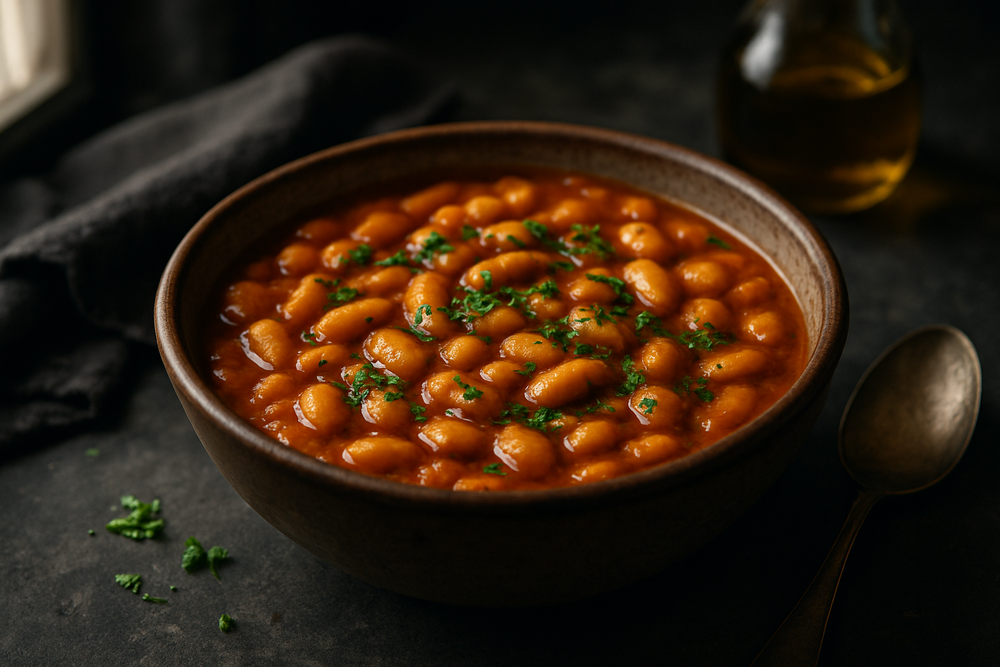
- Classic New England baked beans (plant-based version). Soak dried yellow eye beans overnight, drain, and slow-bake with diced onion, a tablespoon of molasses, tomato paste, mustard, smoked paprika, apple cider vinegar, and low-sodium vegetable broth. The beans become creamy and deeply flavored. Serve alongside whole-grain bread.
- White bean and vegetable soup. Sauté onion, garlic, celery, and carrot. Add cooked or canned yellow eye beans, canned tomatoes, low-sodium broth, and a handful of hardy greens like kale or chard. Finish with lemon juice and black pepper. A squeeze of lemon boosts non-heme iron absorption from the beans.
- Bean and grain bowls. Toss cooked yellow eye beans with farro or barley, roasted root vegetables, fresh herbs, and a tahini-lemon dressing. Satisfying, high in fiber, and protein-balanced without any animal product.
Common pairings and why they work
- Yellow eye beans + leafy greens (kale, chard, spinach). Both are iron-rich plant foods. Greens also provide vitamin C, which significantly improves the body's absorption of non-heme iron from the beans — a practical synergy for plant-based eaters.
- Yellow eye beans + whole grains (farro, barley, brown rice). Beans and whole grains together create a complementary amino acid profile (the full set of protein building blocks the body needs) without requiring any animal protein. They also double up on fiber and resistant starch.
- Yellow eye beans + acidic ingredients (tomatoes, lemon, vinegar). Acid brightens the mild, creamy flavor of yellow eye beans and, in the case of tomatoes and citrus, contributes vitamin C that boosts iron absorption.
Bottom line
Yellow eye beans are one of the most nutritionally complete whole foods you can add to a regular rotation. They are high in fiber, a solid source of plant-based protein, meaningfully contribute to iron and potassium intake, and fit the legume-rich dietary pattern that large bodies of research link to lower cardiovascular risk and better long-term health.
They are not a cure for anything, and eating them will not single-handedly transform your health outcomes. But as a replacement for lower-fiber, higher-saturated-fat foods — especially in traditional New England dishes where they belong — yellow eye beans are doing exactly what food-as-medicine thinking is about: using a nutrient-dense whole food to slowly, sustainably support the systems your body relies on.
Cook them thoroughly, rinse them if canned, and work them gradually into your meals. A half cup a few times a week is an entirely achievable, evidence-aligned place to start.
Looking to find more evidence-based ways to use food for specific health goals? Browse Plantopedia's goals pages to explore ingredients by what you want to support.
How Yellow-Eyed Beans Compares
| Compared with | What's different |
|---|---|
| Yellow-Eyed Beans vs. Navy Beans | Yellow-eyed beans have a milder, sweeter flavor and a creamier, less grainy texture. |
| Yellow-Eyed Beans vs. Cannellini Beans | Yellow-eyed beans hold their shape better during long baking times than Cannellini. |
Health Benefits
Things to Know
Always cook thoroughly.: Raw or undercooked yellow eye beans contain active lectins that can cause nausea, vomiting, and severe gastrointestinal cramping. Soak dried beans and boil at a full rolling boil for at least 10 minutes before simmering until tender. Do not use a slow cooker without pre-boiling first; slow cooker temperatures may not be high enough to fully deactivate lectins in raw beans.
Introduce gradually.: If you are not a regular bean eater, start with a quarter cup per serving and increase slowly to let your gut microbiome adapt and reduce gas and bloating.
Rinse canned beans.: This meaningfully reduces sodium content — important if you follow a sodium-restricted diet.
Kidney disease.: People with chronic kidney disease or advanced kidney impairment who must restrict potassium should discuss legume intake with their nephrologist or dietitian, as beans are a meaningful source of potassium.
IBS and FODMAP sensitivity.: Yellow eye beans contain oligosaccharides that can trigger symptoms in people with irritable bowel syndrome (IBS) who follow a low-FODMAP diet (FODMAP = fermentable oligosaccharides, disaccharides, monosaccharides, and polyols — types of carbohydrate that some people poorly absorb). Work with a dietitian to find a tolerated portion size.
Sodium-restricted diets.: Standard canned yellow eye beans can contain ~390 mg sodium per half cup. Choose no-salt-added canned versions or cook from dried.
Medication interactions to discuss with your doctor:
Antihypertensive medications: High-sodium canned preparations could work against blood pressure targets.
Diuretics and medications affecting potassium balance: Beans add dietary potassium that matters in total intake for people with kidney or heart conditions.
Insulin and oral hypoglycemic agents: Include beans in carbohydrate counting and meal planning; their fiber content is beneficial but carbs still count.
Anticoagulants (e.g., warfarin): Major dietary shifts toward more legumes and vegetables may alter nutrient patterns; coordinate with your prescriber when making significant diet changes.
Pregnancy.: Beans are an excellent source of folate, which is critical in early pregnancy for preventing neural tube defects (birth defects affecting the brain and spine). Always ensure they are fully cooked. Speak with your midwife or OB about folate needs and supplementation.
Prep Ideas
- — Classic New England baked beans (plant-based version). Soak dried yellow eye beans overnight, drain, and slow-bake with diced onion, a tablespoon of molasses, tomato paste, mustard, smoked paprika, apple cider vinegar, and low-sodium vegetable broth. The beans become creamy and deeply flavored. Serve alongside whole-grain bread.
- — White bean and vegetable soup. Sauté onion, garlic, celery, and carrot. Add cooked or canned yellow eye beans, canned tomatoes, low-sodium broth, and a handful of hardy greens like kale or chard. Finish with lemon juice and black pepper. A squeeze of lemon boosts non-heme iron absorption from the beans.
- — Bean and grain bowls. Toss cooked yellow eye beans with farro or barley, roasted root vegetables, fresh herbs, and a tahini-lemon dressing. Satisfying, high in fiber, and protein-balanced without any animal product.
- — Yellow eye beans + leafy greens (kale, chard, spinach). Both are iron-rich plant foods. Greens also provide vitamin C, which significantly improves the body's absorption of non-heme iron from the beans — a practical synergy for plant-based eaters.
- — Yellow eye beans + whole grains (farro, barley, brown rice). Beans and whole grains together create a complementary amino acid profile (the full set of protein building blocks the body needs) without requiring any animal protein. They also double up on fiber and resistant starch.
- — Yellow eye beans + acidic ingredients (tomatoes, lemon, vinegar). Acid brightens the mild, creamy flavor of yellow eye beans and, in the case of tomatoes and citrus, contributes vitamin C that boosts iron absorption.
Glossary
Shop This Ingredient
Stock your pantry with quality yellow-eyed beans.
Buy on AmazonAs an Amazon Associate, Plantopedia earns from qualifying purchases. This costs you nothing extra and helps us keep the encyclopedia free.
Frequently Asked Questions
The short answer: dried whole beans cooked from scratch are the gold standard nutritionally, but canned beans are a fully acceptable, practical everyday option. Dried yellow eye beans require an overnight soak (or a quick soak — bring to a boil, turn off heat, soak one hour) followed by a full boil until tender. This process reduces phytates and fully deactivates lectins, maximizes nutrient availability, and lets you control sodium entirely. The flavor is richer and the texture slightly creamier than canned. Canned yellow eye beans are pre-cooked and ready to use straight from the can, making them a genuinely convenient whole-food option. The trade-off is sodium: a standard can may deliver around 390 mg per half cup — roughly 17% of the daily recommended maximum. Rinsing canned beans under cold running water for 30 seconds can reduce sodium content by up to 40%, according to research on rinsing beans. Choosing labeled "low-sodium" or "no-salt-added" varieties eliminates the concern entirely. Traditional New England baked beans made with yellow eye beans are a cultural staple worth keeping on the table — but the classic recipe includes molasses, salt pork or bacon, and extra salt. The bean itself remains nutritious; the additions determine whether the dish fits your overall dietary goals. A plant-based version using a small amount of molasses, a splash of apple cider vinegar, and smoked paprika captures much of the flavor without the saturated fat and excess sodium.
Dried yellow eye beans Look for: Beans sold under names like "Steuben Yellow Eye," "Maine Yellow Eye," or simply "Yellow Eye Beans." Reputable online purveyors (North Bay Trading, Rancho Gordo, Niblack Foods) and New England specialty stores are the most reliable sources; large mainstream grocery chains often do not carry them. Label check: Uniform size and color with no signs of moisture, cracking, or insect damage. Older dried beans (more than 1–2 years old) cook unevenly and may never fully soften. Storage: Airtight container, cool dark pantry. Use within 1–2 years for best texture. Canned yellow eye beans Look for: "Low-sodium" or "no-salt-added" on the label. S&W Heirloom Yellow Eye Beans is one of the more widely distributed canned options. Label check: Sodium per serving is the most important number to compare between brands. Rinse before use: Even low-sodium canned beans benefit from a quick rinse to remove excess starch and improve texture. Specialty and seasonal sources New England farmers markets and CSA (community-supported agriculture) boxes occasionally offer fresh-shelled or locally dried yellow eye beans in late summer and fall. These are worth seeking out for freshness and regional food culture.
There is no single official daily dose for yellow eye beans, but population research offers a practical target. A dose-response meta-analysis (a study measuring whether more of a food produces more benefit) found that cardiovascular protection from legumes increased up to approximately 400 g per week — roughly 2 to 4 cups of cooked beans — before leveling off. That works out to about half a cup to one cup per day, which can be spread across meals or concentrated into a few larger servings during the week. For most healthy adults new to eating beans regularly: Start at: ¼ cup cooked per meal, a few times a week. Work toward: ½ cup cooked per meal, 3 to 5 times per week, or however you can fit legumes into your eating pattern. Mix it up: Yellow eye beans alongside other legumes (lentils, chickpeas, black beans, navy beans) count toward the same weekly target. Variety also broadens your exposure to different fiber types and phytochemicals. People with specific health conditions — particularly kidney disease or blood sugar management needs — should get personalized guidance from a registered dietitian rather than applying general population targets directly.
Quick Answers
Common questions, answered in a line.
Yellow eye beans provide plant protein, fiber, iron, and folate, along with resistant starch and polyphenols. These heirloom legumes also contain potassium for heart health and plant sterols that may help lower LDL cholesterol.
Legume consumption, including yellow eye beans, is linked to a 10% lower risk of cardiovascular disease and coronary heart disease. Their soluble fiber helps lower "bad" LDL cholesterol while their high potassium levels support healthy blood pressure.
Yes, yellow eye beans contain resistant starch and fiber that act as prebiotics to feed beneficial gut bacteria. These compounds are fermented in the colon to produce short-chain fatty acids, which nourish the colon lining and support a diverse microbiome.
To avoid food poisoning from lectins, you must soak dried yellow eye beans and boil them at a full rolling boil for at least 10 minutes. Avoid using a slow cooker for raw beans without pre-boiling, as lower temperatures may not deactivate the toxins that cause gastrointestinal distress.
Yellow eye beans have a low glycemic index and contain fiber and protein that slow digestion to prevent blood sugar spikes. While they contribute carbohydrates to a meal, they are a recommended replacement for refined grains like white rice to lower overall glycemic load.
To reduce gas and bloating, introduce yellow eye beans gradually starting with a quarter-cup serving to let your microbiome adapt. Rinsing canned beans and using proper soaking and cooking techniques for dried beans can also help minimize digestive discomfort.
Yellow eye beans are excellent for pregnancy because they are a rich source of folate, which is critical for preventing neural tube defects. They also provide non-heme iron, which is better absorbed when the beans are paired with vitamin C-rich foods like leafy greens or lemon.
For Readers in the USA
Local context — sourcing, seasonality, and regional notes.
Yellow-eyed beans are a traditional staple of New England cuisine, specifically Maine and Vermont, where they are the preferred legume for authentic regional baked beans. While they originated in these Northeastern states, they are now also cultivated in other northern climates like Idaho and Michigan.
You can typically find yellow-eyed beans at major U.S. retailers like Whole Foods Market or specialty grocers like Bob’s Red Mill, though they are most common in New England supermarkets like Hannaford. If they aren't in the bulk section of your local store, they are widely available through American online heirloom seed and grain suppliers.
Yellow-eyed beans are harvested in the late summer and early autumn across the northern U.S., but they are available as a shelf-stable dried good year-round. Because of their hearty nature, they are culturally tied to American "comfort food" traditions during the winter months.
When buying yellow-eyed beans in the U.S., look for the USDA Organic seal to ensure they were grown without synthetic pesticides or fertilizers. The FDA regulates these as a "common bean" (Phaseolus vulgaris), and they must meet standard U.S. food safety guidelines for dried legumes regarding moisture content and purity.
AI Clinical Review
- Clearly identifies yellow eye beans as an heirloom common bean and accurately summarizes their nutrient profile (high fiber, plant protein, potassium, iron) in a low‑fat, cholesterol‑free food.
- Aligns with robust evidence that regular legume intake supports heart health, noting dose–response data around roughly 2–4 cups cooked per week and plausible mechanisms (soluble fiber lowering LDL, potassium for blood pressure, and replacing higher‑saturated‑fat foods).
- Explains digestive and microbiome benefits of fiber and resistant starch, while realistically acknowledging gas/bloating and offering gradual introduction as a practical strategy.
- Emphasizes essential safety points: soak and thoroughly boil dried beans to inactivate lectins; recognize canned options as convenient but higher in sodium, with rinsing meaningfully reducing it.
- Most data cited apply to legumes or common beans broadly; there are few studies isolating yellow eye beans specifically, so benefits are extrapolated rather than variety‑specific.
- Diabetes prevention effects from legumes appear modest at the population level; individual glycemic responses vary by portion size, meal composition, and preparation method.
- Proposed roles of polyphenols, saponins, and phytates are supported mainly by mechanistic and observational work; direct clinical trials linking these compounds in beans to hard outcomes are limited.
- The ~400 g/week “optimal” intake is a population estimate, not a prescription; benefits likely reflect overall dietary pattern quality rather than a precise dose.
- Safety first: dried beans should be brought to a vigorous boil (at least 10 minutes) before simmering until fully tender; do not slow‑cook from raw. Canned beans are pre‑cooked and safe.
- Sodium: standard canned beans can contribute substantial sodium per ½ cup; rinsing can cut it by roughly one‑third to two‑fifths, and low/no‑salt varieties are preferable for those managing blood pressure.
- Practical intake: a reasonable target is 2–4 cups cooked legumes per week (about ½–1 cup/day), increasing gradually to minimize GI symptoms.
- Check with a clinician if you have chronic kidney disease or take medications affecting potassium (e.g., ACE inhibitors, ARBs, potassium‑sparing diuretics), if you use insulin or oral diabetes medications (for carb planning), follow a low‑FODMAP plan for IBS (portion tolerance varies), or take warfarin and are making major dietary shifts.
Cook thoroughly before eating.
References
- Harvard T.H. Chan School of Public Health — Legumes and Pulses overview (nutritionsource.hsph.harvard.edu)
- USDA FoodData Central — common bean nutrition data (fdc.nal.usda.gov)
- S&W Heirloom Yellow Eye Beans canned nutrition label (via Kroger) (kroger.com)
- Canned yellow eye bean nutrition facts — prospre.io database (prospre.io)
- Dose-response meta-analysis: legume intake and cardiovascular disease risk (2023, PMC) (pmc.ncbi.nlm.nih.gov)
- NutriCoDE systematic review — optimal intakes for cardiovascular disease and diabetes (PubMed, 2022) (pubmed.ncbi.nlm.nih.gov)
- Meta-analysis: legume consumption and all-cause and cardiovascular mortality (PLOS ONE, 2017) (journals.plos.org)
- Systematic review: legumes and cardiometabolic outcomes — NutriCoDE (Science Direct, 2022) (sciencedirect.com)
- Meta-analysis: legume consumption and cardiovascular biomarkers (Wiley, 2017) (onlinelibrary.wiley.com)
- North Bay Trading — dried yellow eye beans product and nutrition information (northbaytrading.com)
Know Your Numbers
Eating healthy is a start. Now get to know your biomarkers.
Food changes bloodwork — inflammation, lipids, blood sugar and nutrient status all respond to what you eat. 59 markers from $59.
- Results in 7–10 days at 2,000+ Quest sites
- Licensed provider reviews every result
- One flat price, no membership, HSA/FSA eligible
Educational information only, not medical advice. Panels are ordered and reviewed through our licensed partner; Plantopedia may earn a commission.