Cassava Flour — health benefits and uses
Derived from the staple root of tropical Africa, Asia, and Latin America.
The Short Answer
Cassava flour is a grain-free, gluten-free flour made from the whole cassava root. It is prized for its high resistant starch content and a 1:1 substitution ratio for wheat in many recipes, though it is higher in carbohydrates.
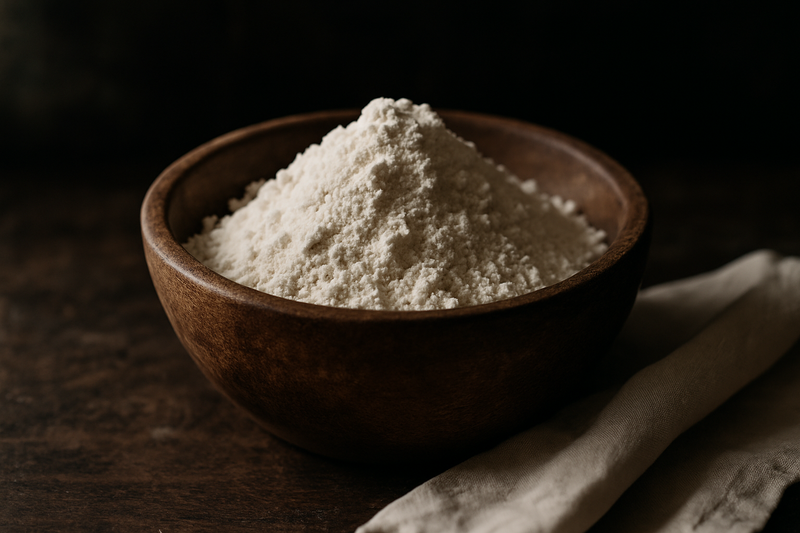
Cassava Flour · Photograph
Discover cassava flour benefits, nutrition facts per 1/4 cup, glycemic index, cyanide safety, and how it compares to wheat flour for gluten-free tortillas and baking. Evidence-based, layperson-friendly guide.
Key Nutrients
% Daily Value based on 2,000 cal diet
Key active compounds and phytochemicals
- Resistant starch — A portion of starch that resists digestion in the small intestine and travels intact to the colon, where gut bacteria ferment it into short-chain fatty acids (SCFAs). Cassava flour contains an estimated 4.5–7.2% resistant starch depending on variety and how it was processed. SCFAs like butyrate support colon-cell health and may influence blood sugar regulation, though human studies specific to cassava flour are limited.
- Cyanogenic glycosides (linamarin and lotaustralin) — Natural plant defense compounds present in raw cassava that can release hydrogen cyanide (HCN) when the root is cut or chewed. Proper processing (peeling, soaking, fermenting, drying, and/or cooking) reduces HCN to below the Codex Alimentarius international safety limit of ≤10 mg HCN per kg of flour. Reputable commercial brands test for this. Homemade or artisanal flours with poor processing can retain dangerous levels.
- Vitamin C (ascorbic acid) — An antioxidant that supports immune function and collagen production. Some cassava flour analyses show a meaningful amount of vitamin C per serving, though heat and storage can degrade it. Values vary by brand and processing method.
- Dietary fiber — A mix of soluble and insoluble fiber that contributes to stool bulk, feeds gut bacteria, and helps moderate the speed of carbohydrate digestion. Cassava flour has more fiber than pure tapioca starch, but less than most whole-grain flours.
Buying guide
Fresh vs. packaged: Cassava flour is not typically sold "fresh" — it is always a dried, milled product. The key quality distinction is between reputable commercial brands and artisanal or homemade versions.
Label tips:
- Look for "sweet cassava" or processing notes that confirm the product is made from low-cyanide varieties.
- Choose brands that test for hydrogen cyanide residue or carry food safety certifications (e.g., USDA Organic, Non-GMO Project, or country-of-origin quality marks).
- "Cassava flour" and "tapioca flour" are sometimes used interchangeably on packaging in certain regions — check the ingredient list. True cassava flour lists "whole cassava root" or "cassava" as the sole ingredient, not "tapioca starch."
- For celiac disease: look for certified gluten-free labeling to confirm it was processed in a wheat-free facility.
- Store in an airtight container in a cool, dry place; shelf life is typically 1–2 years unopened. Once opened, use within 6–12 months and check for off smells or clumping from moisture.
Prep and pairing ideas
Cassava flour is one of the most forgiving gluten-free flours to cook with — here is how to get the most out of it.
Cassava tortillas: Mix cassava flour with a little water, salt, and a small amount of fat (avocado oil or coconut oil). The dough presses and rolls without crumbling — something most grain-free flours cannot do. Cook on a dry cast-iron skillet for 1–2 minutes per side.
Pancakes and flatbreads: Substitute cassava flour 1:1 for all-purpose wheat flour in simple pancake recipes. Add extra eggs or a flax egg (ground flaxseed + water) to increase protein and bind the batter.
Thickening sauces and soups: Whisk a tablespoon of cassava flour into cold water before adding to a hot sauce or soup. It thickens more cleanly than cornstarch and leaves little aftertaste.
Common pairings
- Cassava flour + avocado + lime (tortillas): The healthy fats in avocado slow glucose absorption from the cassava starch, and lime juice adds brightness while contributing vitamin C alongside the flour's own. A genuinely useful functional pairing.
- Cassava flour + black beans + cumin (flatbreads or wraps): Beans supply the protein and additional fiber that cassava flour lacks, making the meal nutritionally complete. Cumin adds flavor and has its own modest antioxidant profile.
- Cassava flour + eggs + banana (pancakes): Eggs provide complete protein and fat; ripe banana adds natural sweetness, potassium, and a little extra fiber. The combination produces a tender pancake that holds together well without any gums or stabilizers.
Bottom line
Cassava flour earns its reputation as the closest grain-free, gluten-free substitute for all-purpose wheat flour — especially in tortillas and soft flatbreads. It is made from the whole cassava root, so it has more fiber and micronutrients than pure tapioca starch. It contains a modest fraction of resistant starch that may support gut bacteria. And when sourced from reputable commercial producers, it is safe for most people.
Its limitations are real, though. It is primarily a carbohydrate food with little protein, and it can raise blood sugar similarly to other refined starches if eaten in large amounts without balancing nutrients. The cyanide concern — while well-controlled in commercial products — is a genuine safety issue for homemade or poorly sourced flour.
As part of a varied, plant-forward diet that includes legumes, vegetables, whole fruits, nuts, and seeds, cassava flour is a versatile and enjoyable ingredient. It becomes less ideal when it crowds out more nutrient-dense foods or is used without attention to quality and sourcing.
If you are looking for ways to build a more complete gluten-free or grain-free eating pattern, browse ingredient guides built around the same food-as-medicine lens.
→ Explore more ingredients by health goal at /goals
How Cassava Flour Compares
| Compared with | What's different |
|---|---|
| Cassava Flour vs. Tapioca Flour | Made from the whole root with more fiber; tapioca is the isolated starch only. |
| Cassava Flour vs. Almond Flour | Grain-free and nut-free with a neutral flavor; almond flour is high-fat and nutty. |
| Cassava Flour vs. Wheat Flour | Contains resistant starch and no gluten; wheat flour contains gluten and more protein. |
Health Benefits
Things to Know
Cyanide risk from non-commercial flour: The most serious safety concern is using homemade or poorly sourced cassava flour. A documented CDC outbreak found cyanide levels of ~800 mg/kg in homemade cassava flour — about 200 times the international safe limit. Stick to reputable commercial products.
Blood sugar management: Large servings can cause significant blood glucose rises. If you take insulin, sulfonylureas, GLP-1 agonists, or other antidiabetic medications, discuss any major dietary changes with your healthcare provider.
Low protein and micronutrient density: Cassava flour provides very little protein (about 1 g per quarter cup) and minimal B vitamins. Relying heavily on it without balancing protein- and micronutrient-rich foods can contribute to poor diet quality over time.
Children: Children are more vulnerable to cyanide toxicity and nutritional deficiencies if cassava flour is improperly processed or dominates the diet. Use only certified commercial flour and vary their grain and starch sources.
Pregnancy and breastfeeding: Avoid non-commercial cassava flour entirely during pregnancy. Ensure adequate intake of protein, iron, folate, and calcium, which cassava flour does not supply adequately.
Celiac disease: Cassava flour is naturally gluten-free, but cross-contamination in processing facilities is possible. Use only certified gluten-free labeled products.
Thyroid considerations: Chronic high intake of poorly processed cassava has been linked to thyroid disruption in low-resource settings where it is a primary food. This concern is not relevant to normal use of properly processed commercial flour.
No well-documented drug interactions: beyond the blood sugar–medication concern noted above.
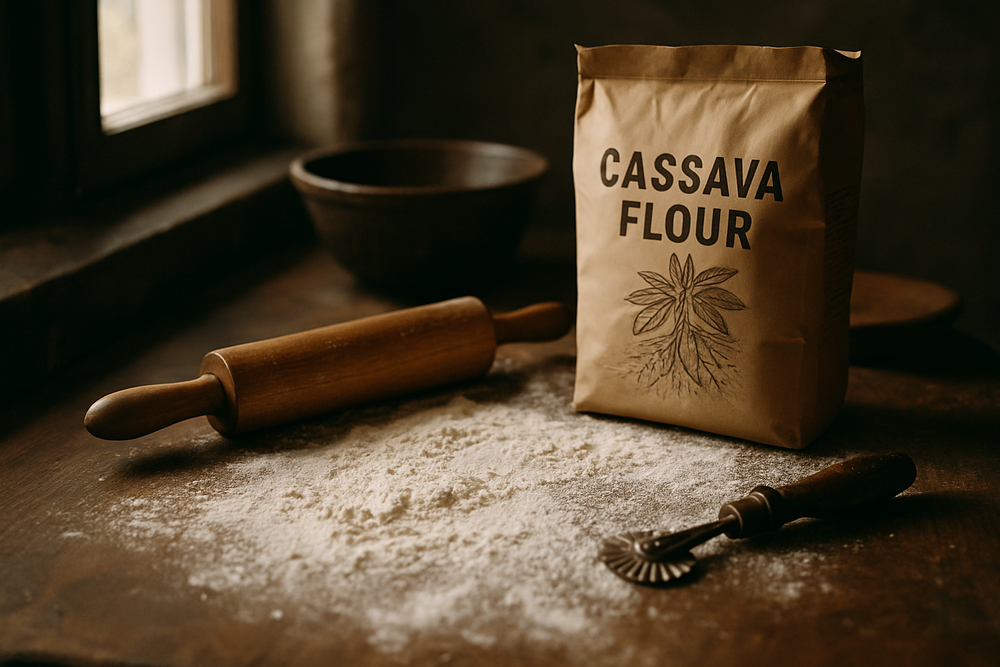
Prep Ideas
- — Cassava flour + avocado + lime (tortillas): The healthy fats in avocado slow glucose absorption from the cassava starch, and lime juice adds brightness while contributing vitamin C alongside the flour's own. A genuinely useful functional pairing.
- — Cassava flour + black beans + cumin (flatbreads or wraps): Beans supply the protein and additional fiber that cassava flour lacks, making the meal nutritionally complete. Cumin adds flavor and has its own modest antioxidant profile.
- — Cassava flour + eggs + banana (pancakes): Eggs provide complete protein and fat; ripe banana adds natural sweetness, potassium, and a little extra fiber. The combination produces a tender pancake that holds together well without any gums or stabilizers.
Shop This Ingredient
Stock your pantry with quality cassava flour.
Buy on AmazonAs an Amazon Associate, Plantopedia earns from qualifying purchases. This costs you nothing extra and helps us keep the encyclopedia free.
Frequently Asked Questions
The evidence for cassava flour is mostly emerging — meaning we have plausible mechanisms and some observational data, but large, well-controlled human trials are limited. Here is what the current research suggests, area by area. Digestive health and microbiome The resistant starch in cassava flour acts as a prebiotic — food for beneficial gut bacteria. When bacteria in the colon ferment resistant starch, they produce short-chain fatty acids, particularly butyrate, which research suggests supports the cells lining the colon and may influence inflammation in the gut. The 3 g of dietary fiber per quarter-cup serving also contributes to stool bulk and regularity. That said, cassava flour is not a high-fiber food by whole-food standards — most whole grains and legumes provide more fiber per serving. Research specifically measuring cassava flour's effect on gut microbiome composition or digestive symptoms in humans is still thin, so claims here should be kept modest. Blood sugar and glycemic index This is where cassava flour requires the most caution. It is high in readily digestible carbohydrate (about 30 g per quarter cup), and its glycemic index — a measure of how quickly a food raises blood glucose — is relatively high compared with lower-starch whole foods. Eating a large serving without pairing it with protein, fat, or extra fiber can cause a meaningful blood sugar spike. The resistant starch fraction may modestly blunt that glycemic response, and some analyses suggest cassava flour has a slightly lower glycemic index than pure tapioca starch or white rice flour. But the difference is not dramatic enough to make it a "blood-sugar-friendly" flour on its own. People managing diabetes or insulin resistance should treat cassava flour similarly to other refined starches and build their meals accordingly. Heart and circulation There is very little direct human trial evidence connecting cassava flour to cardiovascular outcomes like blood pressure or cholesterol levels. Its nutrient profile — low in saturated fat, sodium-free by nature, with small amounts of potassium and vitamin C — is not harmful to heart health. But its low protein, modest fiber content, and high carbohydrate density mean it is nutritionally less favorable than whole-grain wheat flour from a heart-health standpoint. The benefit for heart health comes indirectly: if cassava flour helps someone with celiac disease or gluten intolerance eat a more varied, plant-forward diet without digestive distress, that adherence benefit can matter. On its own, however, swapping wheat flour for cassava flour is not a heart-health upgrade. Inflammation and recovery Cassava flour contains small amounts of vitamin C and other micronutrients with antioxidant roles, which theoretically could contribute to reducing oxidative stress (cellular damage from unstable molecules called free radicals). In practice, there are no human trials directly measuring cassava flour's effect on inflammatory biomarkers like C-reactive protein or interleukin-6. Any anti-inflammatory contribution is likely minor and reflects its micronutrient content rather than any unique property.
Understanding how cassava flour compares to related products helps you use it well. Cassava flour vs. tapioca starch: These two products come from the same root but are very different in the kitchen and nutritionally. Tapioca starch (also called tapioca flour) is the pure, isolated starch extracted from cassava — it has almost no fiber, protein, or micronutrients. Cassava flour is made from the whole peeled root and retains fiber, some minerals, and vitamin C. For baking, cassava flour behaves more like all-purpose wheat flour; tapioca starch is better as a thickener or added to blends for chewiness. Cassava flour vs. whole wheat flour: Whole wheat flour provides roughly twice the protein, three to four times the fiber, and more B vitamins and minerals than cassava flour per serving. If you do not need to avoid gluten, whole wheat flour is nutritionally superior. If you do need to avoid gluten or grains, cassava flour is one of the most culinarily versatile replacements, though you should compensate for its lower protein and fiber by building more nutrient diversity into your meals. Forms of cassava flour to know: Whole-root sweet cassava flour — the standard commercial form; best for baking, tortillas, flatbreads. Fermented cassava flour — traditional in parts of West Africa and Latin America; fermentation reduces cyanogenic glycosides further and changes flavor and texture. Pregelatinized (instant) cassava flour — heat-treated for quick hydration; may have lower resistant starch content. Cassava-based baking blends — commercial mixes that combine cassava with rice, sorghum, or tapioca; nutrition varies by product.
Culinary range: Most people in Western kitchens use roughly 15–60 g per day (about 2 tablespoons to half a cup), typically in tortillas, pancakes, or baked goods. At this level, cassava flour from reputable commercial sources is considered safe for healthy adults. Traditional dietary ranges: In regions where cassava is a primary staple, daily intakes of 100–300 g or more are common. At these levels, the quality of processing becomes critically important — both for cyanide safety and for nutritional completeness (since cassava flour alone cannot meet protein or micronutrient needs). Practical guidance: Start with small amounts (2–3 tablespoons) if you are new to cassava flour to assess tolerance — some people notice mild GI changes as they add a new resistant starch source. There is no established upper limit for properly processed commercial cassava flour for healthy adults, but most nutrition guidance suggests limiting any single refined carbohydrate source and diversifying grain and starch choices. If you are using cassava flour as a staple (more than one meal per day), prioritize getting protein, fiber, and micronutrients from other foods like legumes, vegetables, nuts, seeds, and fruits. People with diabetes should monitor blood glucose response to cassava-flour-based meals and discuss appropriate portion sizes with their care team.
Quick Answers
Common questions, answered in a line.
Cassava flour contains 4.5–7.2% resistant starch, which travels to the colon to feed gut bacteria and produce short-chain fatty acids like butyrate. This fiber helps support colon-cell health and may help moderate the speed of carbohydrate digestion.
Properly processed commercial cassava flour is safe because peeling, soaking, and drying reduces hydrogen cyanide to international safety limits of ≤10 mg/kg. However, homemade or poorly processed versions can retain dangerous levels of cyanide and should be avoided.
You can substitute cassava flour for all-purpose wheat flour at a 1:1 ratio in simple recipes like pancakes and flatbreads. It is one of the most forgiving gluten-free options because it creates a dough that rolls without crumbling, unlike many other grain-free flours.
Cassava flour is high in carbohydrates and can cause significant blood glucose rises if eaten in large amounts without balancing nutrients. To manage blood sugar, it is best paired with healthy fats, fiber, or protein, such as avocado or black beans.
Cassava flour should be stored in an airtight container in a cool, dry place to prevent clumping from moisture. Unopened packages typically last 1–2 years, while opened flour should be used within 6–12 months and checked for off smells.
While naturally gluten-free, cassava flour can be cross-contaminated during processing, so those with celiac disease should only buy products labeled "certified gluten-free." Commercial brands are generally safer than artisanal versions for this reason.
Cassava flour is a dried, milled product made from the whole cassava root, whereas tapioca starch is a more refined product. Because it uses the whole root, cassava flour provides more fiber and micronutrients like vitamin C than pure tapioca starch.
For Readers in the USA
Local context — sourcing, seasonality, and regional notes.
You can find cassava flour at major US retailers like Whole Foods Market, Sprouts Farmers Market, and Trader Joe’s, as well as via online marketplaces. While it was once a specialty item, it is now widely available in the baking or gluten-free aisles of national chains like Kroger, Walmart, and Target.
The USDA Organic seal ensures that the cassava was grown without synthetic pesticides and processed according to strict federal standards that prohibit irradiation. While all commercial cassava flour must meet safety standards, the organic label provides an extra layer of transparency regarding the environmental and chemical inputs used during cultivation.
Cassava is primarily a tropical crop, but it is grown on a small commercial scale in warm US regions like Florida and Hawaii. Most cassava flour sold in the US is imported from Brazil, Nigeria, or Thailand, as the domestic climate in the continental United States is generally too cold for year-round production outside of USDA zones 8-11.
In American kitchens, cassava flour is most commonly used as a grain-free alternative for Latin American-inspired tortillas or as a "cup-for-cup" replacement in Paleo and AIP (Autoimmune Protocol) baking. It has gained significant popularity in the US health-food community because its texture closely mimics white wheat flour more than almond or coconut flours do.
AI Clinical Review
- Clearly distinguishes cassava flour (whole-root, more fiber and micronutrients) from tapioca starch (isolated starch) and from wheat flour, which helps set realistic nutrition expectations.
- Accurately notes that cassava flour is naturally gluten‑free and grain‑free, making it useful for celiac disease or gluten sensitivity when sourced from certified facilities.
- Appropriately explains the cyanide concern: raw cassava contains cyanogenic glycosides, but reputable commercial processing reduces levels to within international safety limits.
- Gives balanced guidance on blood sugar: cassava flour is primarily carbohydrate, with only modest resistant starch; portion size and meal composition still drive glycemic impact.
- Human studies directly testing cassava flour’s effects on the gut microbiome and short‑chain fatty acids are limited; most insights come from general resistant‑starch research.
- Reported resistant‑starch content and glycemic index likely vary by cultivar, processing, storage, and cooking method; standardized, brand‑specific data are sparse.
- Links to heart health or inflammation are theoretical (via small amounts of vitamin C/fiber) and not yet supported by controlled trials using cassava flour itself.
- Vitamin C content is highly processing‑ and heat‑sensitive, so real‑world intakes from baked products may be lower than label estimates.
- Practical intake: common culinary amounts are about 15–60 g per day (roughly 2 Tbsp to 1/2 cup of flour in recipes). Introduce gradually if you’re new to resistant starch (a carbohydrate that resists digestion).
- Safety and sourcing: avoid homemade or artisanal flours of uncertain processing; choose reputable commercial brands, and look for certified gluten‑free labeling if you have celiac disease.
- Blood sugar considerations: people with diabetes or on glucose‑lowering medications should monitor post‑meal glucose when trying cassava‑based foods; “glycemic index” reflects how quickly a food raises blood sugar and can vary.
- Form differences matter: cassava flour is not the same as tapioca starch; fermented or pre‑gelatinized products may behave differently in recipes and can alter resistant‑starch content. Also remember cassava flour is low in protein and B vitamins—pair with protein‑ and fiber‑rich foods for balance.
Must come from properly processed cassava; raw cassava contains cyanogenic compounds.
References
- USDA FoodData Central — cassava flour nutrient profile (fdc.nal.usda.gov)
- MyPlate.gov — grains and starches guidance (myplate.gov)
- CDC MMWR — outbreak of cyanide poisoning from homemade cassava flour (cdc.gov)
- WHO JECFA — cyanogenic glycosides risk assessment for cassava and cassava flour (apps.who.int)
- PMC — compositional study comparing cassava flour and cassava starch (human-relevant quality characteristics) (pmc.ncbi.nlm.nih.gov)
- Healthline — cassava flour nutrition overview and benefits summary (healthline.com)
- WebMD — health benefits and safety of cassava flour (webmd.com)
- African Delight Store — cassava flour nutrition facts and glycemic index analysis (africandelightstore.com)
- ScienceInsights — cassava flour uses, nutrition, and benefits overview (scienceinsights.org)
Know Your Numbers
Eating healthy is a start. Now get to know your biomarkers.
Food changes bloodwork — inflammation, lipids, blood sugar and nutrient status all respond to what you eat. 59 markers from $59.
- Results in 7–10 days at 2,000+ Quest sites
- Licensed provider reviews every result
- One flat price, no membership, HSA/FSA eligible
Educational information only, not medical advice. Panels are ordered and reviewed through our licensed partner; Plantopedia may earn a commission.