Cassia Cinnamon — health benefits and uses
Widely used as a warming, blood-sugar-supporting bark.
The Short Answer
Cassia cinnamon is a polyphenol-rich spice known for its potential to help regulate blood sugar, though it contains high levels of coumarin, which requires mindful dosing for liver safety.

Cassia Cinnamon · Photograph
Explore cassia cinnamon benefits and side effects in plain English — from blood sugar research and antioxidant properties to the real story on coumarin, liver safety, and how much is too much each day.
Key Nutrients
% Daily Value based on 2,000 cal diet
Key active compounds
- Cinnamaldehyde — The molecule responsible for cassia's distinctive sharp, warming flavor. In lab and animal studies, it shows antimicrobial, anti-inflammatory, and blood-vessel-modulating properties, and is thought to contribute to the metabolic effects seen in human trials.
- Procyanidins and other polyphenols — A family of plant antioxidants (molecules that neutralize cell-damaging free radicals) abundant in cassia bark. They appear to influence how cells respond to insulin and may help explain modest improvements in blood sugar and lipid levels seen in some studies.
- Coumarin — A naturally occurring aromatic compound found at much higher concentrations in cassia (~3 mg per gram of bark, on average) than in Ceylon cinnamon (where it's present only in trace amounts). Food safety agencies set a tolerable daily intake (TDI) — the maximum amount considered safe to consume regularly — at around 0.1 mg per kilogram of body weight per day. For a 70 kg (154 lb) adult, that's about 7 mg/day; a single teaspoon of cassia powder can deliver that much or more.
- Cinnamic acid and related phenylpropanoids — Additional phenolic compounds in cassia bark with antioxidant and mild anti-inflammatory activity in experimental models, contributing to the overall polyphenol profile.
Prep and pairing ideas
Cassia's bold, assertive flavor profile — warmer and less nuanced than Ceylon — shines in dishes that can hold up to it. Think high-heat cooking, long braises, and strong-flavored desserts.
Three practical pairings:
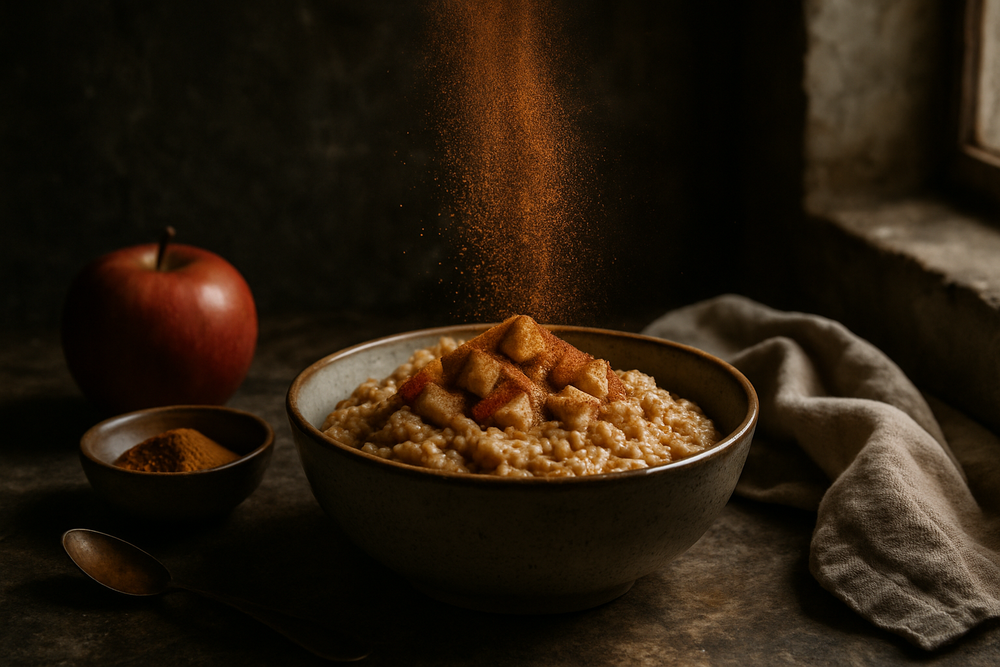
- Cassia + rolled oats + apple — The classic morning combination. Cassia's intensity balances the natural sweetness of apple and the earthiness of oats. Starting the day with fiber and polyphenols is a practical way to work cassia into a metabolic-health-friendly routine. Try ¼–½ teaspoon ground cassia stirred into cooked oats.
- Cassia + lentils or chickpeas + tomato — Cassia's depth works beautifully in Moroccan-style stews and dals. A cinnamon stick simmered in the broth adds warmth without overpowering; remove before serving. This pairing layers plant protein and fiber with cassia's polyphenols.
- Cassia + dark chocolate + chili — A classic combination in Mexican-inspired moles and spiced hot cocoa. The bitterness of high-cacao chocolate and the heat of chili both complement cassia's bold sweetness. Use ¼ teaspoon of ground cassia in a mug of unsweetened cocoa for a warming, antioxidant-rich drink.
Bottom line
Cassia cinnamon is one of the most studied culinary spices in modern nutrition research — and the verdict is nuanced. As a bold, polyphenol-rich flavor ingredient used in everyday cooking, it's a legitimate asset to a whole-food diet. The evidence for modest blood sugar benefits in type 2 diabetes is real, if inconsistent across studies. As a daily supplement taken in gram-level doses, the coumarin math becomes a genuine concern that shouldn't be brushed aside, particularly for children, people with liver disease, and anyone on multiple medications.
The most practical takeaway: enjoy cassia generously in your favorite recipes, be thoughtful if you want to use it daily, and reach for Ceylon cinnamon if you want a daily supplement habit without the coumarin tradeoff.
Looking to support your metabolic health through food? Explore the Plantopedia goals hub for ingredient-led guides matched to your specific health priorities.
How Cassia Cinnamon Compares
| Compared with | What's different |
|---|---|
| Cassia Cinnamon vs. Ceylon Cinnamon | Contains significantly higher coumarin levels and has a bolder, spicier flavor profile. |
| Cassia Cinnamon vs. Saigon Cinnamon | A related bark with a citrusy, floral note that lacks the intense sweetness of Cassia. |
Health Benefits
Things to Know
Coumarin and your liver: One teaspoon (~2.5 g) of ground cassia can contain 7.5 mg or more of coumarin — at or above the tolerable daily intake for a 70 kg adult, and several times above it for a child. This is not acutely dangerous for most people, but daily gram-level intake over weeks and months has been associated with reversible liver enzyme elevations and, in sensitive individuals, liver injury.
Children are at higher risk: Lower body weight means children exceed the coumarin TDI more easily. Cinnamon-heavy recipes, daily cinnamon-dusted oatmeal, and cinnamon supplements are worth moderating for kids.
Liver disease: If you have existing liver disease (including fatty liver, hepatitis, or a history of drug-induced liver injury), avoid regular high-dose cassia and discuss any supplemental use with your doctor.
Diabetes medications: Cassia may have a mild blood-sugar-lowering effect. Combined with insulin, metformin, sulfonylureas, or other glucose-lowering agents, this can increase the risk of hypoglycemia (dangerously low blood sugar).
Blood thinners: There is a theoretical risk of additive effects with anticoagulants like warfarin, direct oral anticoagulants (DOACs), or antiplatelet drugs (aspirin, clopidogrel). High-dose cassia supplements are generally discouraged with these medications.
Other hepatotoxic medications: If you take medications with known liver strain potential (certain antiepileptics, high-dose acetaminophen, isoniazid, some statins), additional coumarin from cassia could add to that burden.
Pregnancy and breastfeeding: Culinary amounts in food are generally considered acceptable, but medicinal or supplemental doses lack safety data and are best avoided.
Allergy or oral sensitivity: Some people experience oral irritation, mouth ulcers, or contact dermatitis from cinnamon flavorings, especially in large or concentrated amounts (e.g., cinnamon essential oil).
Drug interactions via liver enzymes: Cassia compounds may influence how the liver processes certain medications (CYP450 enzyme pathways). If you take multiple medications, mention cassia supplement use to your pharmacist.
Prep Ideas
- — Cassia + rolled oats + apple — The classic morning combination. Cassia's intensity balances the natural sweetness of apple and the earthiness of oats. Starting the day with fiber and polyphenols is a practical way to work cassia into a metabolic-health-friendly routine. Try ¼–½ teaspoon ground cassia stirred into cooked oats.
- — Cassia + lentils or chickpeas + tomato — Cassia's depth works beautifully in Moroccan-style stews and dals. A cinnamon stick simmered in the broth adds warmth without overpowering; remove before serving. This pairing layers plant protein and fiber with cassia's polyphenols.
- — Cassia + dark chocolate + chili — A classic combination in Mexican-inspired moles and spiced hot cocoa. The bitterness of high-cacao chocolate and the heat of chili both complement cassia's bold sweetness. Use ¼ teaspoon of ground cassia in a mug of unsweetened cocoa for a warming, antioxidant-rich drink.
Glossary
Shop This Ingredient
Stock your pantry with quality cassia cinnamon.
Buy on AmazonAs an Amazon Associate, Plantopedia earns from qualifying purchases. This costs you nothing extra and helps us keep the encyclopedia free.
Frequently Asked Questions
This is where the majority of cassia research is focused, and the honest answer is: maybe, modestly, for some people — but results are inconsistent enough that it should not replace standard diabetes management. Blood sugar and metabolism In a widely cited randomized controlled trial (a study where participants are randomly assigned to treatment or placebo groups), 60 adults with type 2 diabetes took 1 g, 3 g, or 6 g of ground cassia daily for 40 days. Fasting blood glucose fell by roughly 18–29% compared to baseline across all three dose groups. Later meta-analyses — studies that pool the results of many trials — suggest more modest effects. A cassia-specific meta-analysis found no statistically significant improvement in fasting glucose, HbA1c (a three-month average of blood sugar levels), or lipids when cassia was used at 1–2 g/day. The bottom line: short-term fasting glucose may improve in some people, particularly those with poorer baseline control, but the effect is small and variable. Cassia is not a substitute for medication or lifestyle change. Heart and circulation The same 40-day trial reported meaningful drops in triglycerides (blood fats linked to heart disease risk), LDL cholesterol ("bad" cholesterol), and total cholesterol. However, broader analyses of cinnamon studies show inconsistent results on LDL and HDL ("good" cholesterol), and cassia-specific analyses have not confirmed these lipid benefits reliably. Any cardiovascular benefit is best viewed as a possible bonus of a healthy spice-rich diet rather than a reason to take cassia supplements. Digestive health and microbiome Cassia has a long history of traditional use as a carminative — a substance that helps ease gas and bloating. Modern clinical evidence specifically for cassia and digestion is thin, but anecdotal and traditional reports suggest it may ease mild stomach discomfort and support digestive motility. High doses can actually do the opposite and cause GI irritation in sensitive people, so less is more here. Inflammation and recovery Cassia's cinnamaldehyde and polyphenols show strong antioxidant activity in lab settings and can dampen inflammatory signaling pathways in cell and animal models. Small human studies using mixed-species cinnamon preparations have found improvements in markers of oxidative stress (cellular damage from free radicals) and inflammation, but cassia-specific, well-controlled human trials on inflammation outcomes remain limited. Think of it as a flavorful way to add polyphenols to your diet — not a proven anti-inflammatory therapy. Hormones and cycle health Cassia has been explored in the context of polycystic ovary syndrome (PCOS), an insulin-resistant hormonal condition affecting reproductive health. Small trials suggest cinnamon (often unspecified species) may improve menstrual regularity and insulin sensitivity. However, sample sizes are small, durations short, and cassia-specific data are insufficient for firm conclusions. Any hormonal effect is likely indirect — mediated through improved insulin sensitivity rather than direct hormone modulation.
Ground bark powder is the most common form and what nearly all clinical trials have used. It's convenient, dissolves into recipes easily, and delivers the full range of cassia's active compounds. The downside: it also delivers the most coumarin per gram, and because coumarin isn't uniformly distributed, even different batches from the same brand can vary significantly. Whole bark sticks (quills) are used to infuse flavor into stews, mulled drinks, rice dishes, and teas. The actual cassia you ingest per serving tends to be lower than with powder, especially if you remove the stick before eating. Sticks can still contribute meaningful coumarin when steeped in hot liquid for extended periods, so strong daily cassia tea isn't a workaround. Cassia cinnamon capsules and extracts concentrate the active compounds but often don't reduce coumarin proportionally unless specifically processed to do so. If you're considering a daily supplement for blood sugar support, many experts recommend choosing a product certified to be low-coumarin or switching to Ceylon cinnamon, which has the same polyphenol benefits without the coumarin load. Tea or decoction (simmering bark in water) extracts polyphenols and cinnamaldehyde into a warming drink. Coumarin is partly — but not fully — extracted this way, so daily strong decoctions still count toward your cumulative coumarin intake.
The adventurous home cook who wants more flavor, less sugar: A teaspoon of cassia powder adds intense warmth and complexity to baked goods, curries, and overnight oats without adding calories or sugar. Using bold spices like cassia can make lower-sugar, higher-fiber recipes genuinely satisfying — which indirectly supports blood sugar and weight goals. For this person, cassia is a pleasure ingredient with potential metabolic perks at culinary doses. The person managing metabolic health under medical supervision: If you have type 2 diabetes or metabolic syndrome and are interested in evidence-based dietary adjuncts, cassia has more clinical trial data behind it than most spices. Under a healthcare provider's guidance, incorporating 1–2 teaspoons of cassia into daily meals (rather than taking supplements) keeps coumarin exposure moderate while providing polyphenol-rich variety. This person should monitor blood sugar more closely when introducing any regular cinnamon habit, watch for symptoms of hypoglycemia, and consider switching to Ceylon cinnamon for long-term daily use to reduce coumarin exposure.
For healthy adults using cassia as a culinary spice, a pinch to about ½–1 teaspoon (approximately 1.5–2.5 g) per day used occasionally in food is broadly considered safe. Most people won't use that much consistently enough for coumarin to accumulate. For daily regular use — whether in oatmeal, coffee, or smoothies every morning — it's worth being thoughtful. The EU and German food safety authority (BfR) have calculated that a 70 kg adult reaches the coumarin TDI with roughly 1–2 teaspoons of typical supermarket cassia powder per day. Because coumarin content varies widely between brands and batches (some samples test three times higher than average), you can't reliably stay under the TDI by measuring powder alone. Practical guidance: For occasional cooking: use freely — a pinch to 1 teaspoon in a recipe serves multiple people and is low risk. For daily personal use: consider keeping it to ¼–½ teaspoon per day, or switching to Ceylon cinnamon for a daily habit. For supplement use (capsules, extracts): do not use cassia-based products regularly without medical supervision. Doses used in trials (1–6 g/day) can meaningfully exceed the coumarin TDI and should not be self-prescribed for extended periods. Start low. If you're new to regular cinnamon use, begin with small culinary amounts and observe how your body responds before increasing.
Quick Answers
Common questions, answered in a line.
Cassia cinnamon contains significantly higher levels of coumarin, averaging about 3 mg per gram, whereas Ceylon cinnamon contains only trace amounts. Because coumarin can impact liver health at high doses, Ceylon is often preferred for daily supplementation.
Yes, daily gram-level intake of cassia cinnamon over weeks or months can cause reversible liver enzyme elevations or liver injury in sensitive individuals due to its coumarin content. People with existing liver disease or those taking hepatotoxic medications should avoid high doses.
Cassia cinnamon contains polyphenols and cinnamaldehyde, which show antimicrobial, anti-inflammatory, and antioxidant properties in research. These compounds help neutralize cell-damaging free radicals and may influence how the body responds to insulin.
If you take diabetes medications like insulin or metformin, cassia cinnamon may increase your risk of hypoglycemia, or dangerously low blood sugar. It may also interfere with blood thinners like warfarin and medications processed by specific liver enzymes.
Children are at higher risk for coumarin toxicity because their lower body weight makes it easier to exceed the tolerable daily intake. Experts recommend moderating cinnamon-heavy recipes and avoiding cinnamon supplements for kids.
Cinnamaldehyde is the primary molecule responsible for the sharp, warming, and assertive flavor profile of cassia cinnamon. This active compound is also studied for its metabolic effects and ability to modulate blood vessels.
Cassia cinnamon is best used in high-heat cooking, long braises, and bold desserts like Moroccan-style stews, spiced lentils, or dark chocolate treats. Its intense flavor profile balances well with earthy ingredients like oats, apples, and beans.
For Readers in the USA
Local context — sourcing, seasonality, and regional notes.
Most ground cinnamon sold in major US supermarkets like Walmart, Kroger, and Safeway is Cassia cinnamon unless the label explicitly states it is Ceylon.
While cinnamon is a tropical evergreen not commercially grown in the US mainland, the USDA ensures imported Cassia meets safety standards for pesticide residues and contaminants.
To ensure your Cassia cinnamon is free from synthetic additives and irradiation, look for the USDA Organic seal and Non-GMO Project Verified labels.
In the US, Cassia is the standard spice for holiday baking, essential for classic recipes like pumpkin pie, snickerdoodles, and Cincinnati-style chili.
AI Clinical Review
- Clearly distinguishes cassia from Ceylon cinnamon and explains why the difference matters (notably much higher coumarin in cassia).
- Accurately portrays the glycemic evidence as mixed: short‑term fasting glucose may improve in some people with type 2 diabetes, but effects on HbA1c (the 2–3 month marker) are inconsistent and modest.
- Provides concrete safety context for coumarin, including the tolerable daily intake (~0.1 mg/kg/day) and how a teaspoon of cassia powder can meet or exceed that for a 70 kg adult.
- Offers practical, food‑first guidance (culinary doses vs supplements; when to consider Ceylon) and flags key medication and liver‑health cautions.
- Blood sugar outcomes vary by dose, duration, and baseline control; many trials are short, use differing preparations, and sometimes don’t verify species—factors that limit firm conclusions.
- Cardiovascular markers (LDL, HDL, triglycerides) show inconsistent changes across studies; any heart benefit should be viewed as possible but unproven.
- Anti‑inflammatory and antioxidant claims are largely based on lab/animal data; well‑controlled cassia‑specific human studies are limited.
- Early findings in PCOS (cycle regularity/insulin sensitivity) are intriguing but small and often species‑unspecified; more rigorous trials are needed.
- Dose and form matter: occasional culinary use (about ¼–1 tsp) is generally low risk for healthy adults; daily habits should stay modest (e.g., ¼–½ tsp) or favor Ceylon to minimize coumarin. Ground powder tends to deliver more coumarin than briefly steeped sticks.
- Safety first for certain groups: children (lower body weight), people with liver disease, those pregnant/breastfeeding, and anyone on glucose‑lowering drugs, anticoagulants/antiplatelets, or other liver‑stress medications should consult a clinician before regular use or supplements.
- Supplements (1–6 g/day as in some studies) can exceed coumarin guidance; if choosing a product, look for verified low‑coumarin or use Ceylon, and monitor blood glucose closely if you have diabetes to avoid hypoglycemia.
- Natural variability is real: coumarin content differs widely between brands and batches, and some products may be mislabeled by species—another reason to keep doses moderate and prioritize reputable sources.
Higher in coumarin than Ceylon; limit very high daily intake.
References
- USDA FoodData Central — cassia cinnamon nutritional data (fdc.nal.usda.gov)
- BfR (German Federal Institute for Risk Assessment) press release — coumarin in cassia cinnamon safety advisory (bfr.bund.de)
- BfR FAQ on coumarin in cinnamon and other foods — tolerable daily intake calculations and food safety context (bfr.bund.de)
- Khan et al. (2003) — RCT of cassia cinnamon in type 2 diabetes, 1–6 g/day, 40-day trial; reported fasting glucose and lipid improvements (pmc.ncbi.nlm.nih.gov)
- Zhu et al. (2021) — Meta-analysis of cassia bark consumption on glucose and lipid control in type 2 diabetes; found no significant effect on fasting glucose, HbA1c, or lipids at 1–2 g/day (pmc.ncbi.nlm.nih.gov)
- ConsumerLab.com — Cinnamon and liver damage; practical coumarin content estimates and case review (consumerlab.com)
- Mnayer et al. / PMC — Commercial cinnamon product safety and fraud analysis; coumarin content and species mislabeling in retail products (pmc.ncbi.nlm.nih.gov)
- Blahová & Svobodová (2012) — Assessment of coumarin levels in retail ground cinnamon (pmc.ncbi.nlm.nih.gov)
- Canadian Food Inspection Agency — Coumarin in cinnamon, cinnamon-containing foods, and licorice in the Canadian retail market (inspection.canada.ca)
- WebMD — Cassia cinnamon: uses, side effects, interactions overview (webmd.com)
Know Your Numbers
Eating healthy is a start. Now get to know your biomarkers.
Food changes bloodwork — inflammation, lipids, blood sugar and nutrient status all respond to what you eat. 59 markers from $59.
- Results in 7–10 days at 2,000+ Quest sites
- Licensed provider reviews every result
- One flat price, no membership, HSA/FSA eligible
Educational information only, not medical advice. Panels are ordered and reviewed through our licensed partner; Plantopedia may earn a commission.