Coconut Vinegar — health benefits and uses
Traditionally kept as a living, mother-rich vinegar valued for digestion.
The Short Answer
Coconut vinegar is a fermented condiment made from coconut sap or water, containing roughly 1 calorie and 10–30mg of potassium per tablespoon. It is prized in Southeast Asian cuisine for its mild, slightly sweet acidity and potential to support blood sugar

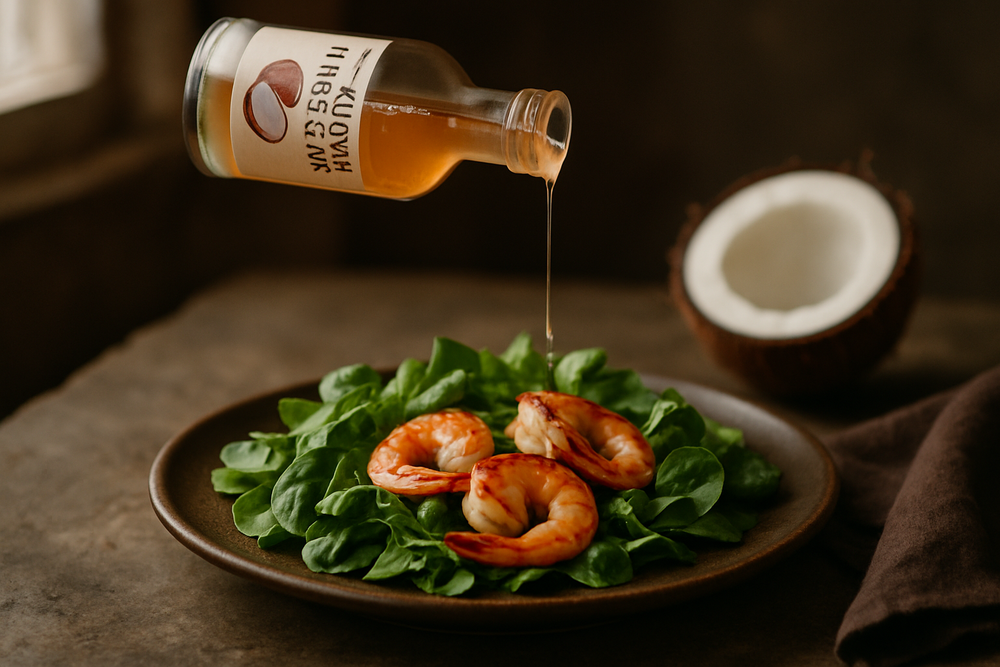
Coconut Vinegar · Photograph
Discover the coconut vinegar health benefits and side effects backed by evidence — from gut health and blood sugar support to tooth enamel risks, safe daily amounts, and how to use this tangy fermented vinegar in Filipino and South Indian cooking.
Key Nutrients
% Daily Value based on 2,000 cal diet
Key active compounds
- Acetic acid — The primary compound in all vinegars, produced when acetic acid bacteria ferment alcohol. Responsible for coconut vinegar's sharp taste and most of its studied metabolic effects, including slowing gastric emptying (the rate at which food leaves your stomach) and blunting post-meal blood sugar spikes.
- Organic acids (lactic, citric, malic) — Minor acids formed during fermentation or present from the raw coconut material. They contribute to flavor complexity and may have modest antimicrobial and mineral-absorption effects.
- Phenolic compounds and antioxidants — Polyphenols (plant compounds that can neutralize cell-damaging free radicals) sourced from coconut sap and partially retained through fermentation. Animal and cell studies suggest anti-inflammatory potential, but human data are limited.
- Amino acids and peptides — Small protein fragments from coconut sap. They contribute to the vinegar's umami (savory) depth and may have minor buffering effects, but coconut vinegar is not a protein source.
- Prebiotic oligosaccharides (possible) — Short-chain carbohydrates that may survive fermentation and selectively feed beneficial gut bacteria. Levels are thought to be low and have not been rigorously measured in finished coconut vinegar.
Prep and pairing ideas
Coconut vinegar's flavor is softer and slightly sweeter than apple cider vinegar — closer to a mild rice vinegar with a faint coconut undertone. It pairs well with:
- Filipino adobo: Use it as the acid base for chicken or tofu adobo (braised in vinegar, soy, garlic, and bay leaves). Its gentle acidity won't overpower.
- Salad dressings: Whisk 1 tablespoon coconut vinegar with 2 tablespoons olive oil, a pinch of sea salt, and fresh herbs for a simple, gut-friendly dressing.
- Quick pickles: Pour a brine of diluted coconut vinegar, salt, and a touch of coconut sugar over sliced cucumbers, daikon, or carrots. Ready in 30 minutes.
- Dipping sauce: Combine with minced garlic, chili, and a small amount of tamari for a classic Filipino condiment alongside grilled vegetables or spring rolls.
Storage: Keep raw, unfiltered bottles in a cool, dark cupboard (refrigeration is optional). Vinegar is self-preserving due to its acidity and keeps well for 1–2 years unopened; quality is maintained for months after opening.
Bottom line
Coconut vinegar is a time-honored fermented food with genuine culinary appeal and a plausible — if not yet proven in its own right — set of metabolic benefits derived from acetic acid and its coconut-sap origins. The evidence base for vinegar broadly supports modest improvements in post-meal blood sugar and some cardiometabolic markers at culinary doses. For coconut vinegar specifically, those findings are extrapolated rather than directly demonstrated.
Used the way it has been used for generations — as a souring agent in cooking, a base for dressings and pickles, occasionally diluted as a pre-meal drink — it fits well into a plant-forward, low-glycemic eating pattern. Just keep it diluted, protect your teeth, and if you have an underlying health condition or take medications, loop in your doctor before making it a daily ritual.
How Coconut Vinegar Compares
| Compared with | What's different |
|---|---|
| Coconut Vinegar vs. Apple Cider Vinegar | Lacks the fruity apple profile and is slightly milder and sweeter. |
| Coconut Vinegar vs. White Distilled Vinegar | Has a more complex, savory depth compared to the neutral acidity of white vinegar. |
| Coconut Vinegar vs. Rice Vinegar | Similarly mild, but coconut vinegar has distinct yeastier, tropical undertones. |
Health Benefits
Things to Know
Dilute every time.: Never drink coconut vinegar straight. Always mix it into water, dressings, or food. A standard approach: 1–2 teaspoons diluted in a full glass of water.
Protect your teeth.: Drink diluted vinegar through a straw, rinse your mouth with plain water afterward, and wait at least 30 minutes before brushing. Repeated acid exposure softens enamel (the hard protective coating on teeth), making brushing abrasive.
GI caution.: If you have GERD, gastritis, or a peptic ulcer, vinegar's acidity can worsen symptoms even at small doses. Start with very small amounts or skip it entirely.
Diabetes medication interaction.: Vinegar may lower post-meal blood sugar. If you use insulin or sulfonylureas (a class of blood-sugar-lowering pills), monitor your glucose more closely and discuss with your clinician.
Kidney disease.: People with chronic kidney disease may need to limit acetic acid and potassium intake — check with your care team.
Potassium-related medications.: Very high vinegar intake has been linked in case reports to electrolyte disturbances. If you take potassium-sparing diuretics, ACE inhibitors, or ARBs (common blood pressure drugs), keep intake at typical culinary levels and mention regular use to your doctor.
Pregnancy and breastfeeding.: Small culinary amounts as part of food are generally considered fine, but medicinal-style daily doses have not been studied in this population.
Children.: Children are more susceptible to enamel erosion due to thinner enamel. Avoid giving undiluted vinegar to children and limit routine supplemental use.
Prep Ideas
- — Filipino adobo: Use it as the acid base for chicken or tofu adobo (braised in vinegar, soy, garlic, and bay leaves). Its gentle acidity won't overpower.
- — Salad dressings: Whisk 1 tablespoon coconut vinegar with 2 tablespoons olive oil, a pinch of sea salt, and fresh herbs for a simple, gut-friendly dressing.
- — Quick pickles: Pour a brine of diluted coconut vinegar, salt, and a touch of coconut sugar over sliced cucumbers, daikon, or carrots. Ready in 30 minutes.
- — Dipping sauce: Combine with minced garlic, chili, and a small amount of tamari for a classic Filipino condiment alongside grilled vegetables or spring rolls.
Glossary
Shop This Ingredient
Stock your pantry with quality coconut vinegar.
Buy on AmazonAs an Amazon Associate, Plantopedia earns from qualifying purchases. This costs you nothing extra and helps us keep the encyclopedia free.
Frequently Asked Questions
Heart and circulation Small human studies on various vinegars report modest reductions in triglycerides (blood fats), total cholesterol, and blood pressure over several weeks. The effect sizes are generally small, and the studies are short-term with mixed methodology. No clinical trials have tested coconut vinegar specifically for cardiovascular outcomes. Coconut sap vinegar may retain small amounts of potassium and phenolic compounds that are broadly associated with vascular health, but amounts per tablespoon are low. Research suggests vinegar may be a helpful supporting addition to a heart-healthy diet — not a replacement for established strategies like dietary fiber, regular movement, or prescribed medications. Digestive health and microbiome Raw, unfiltered coconut vinegar has a cloudy appearance because it contains sediment, residual proteins, and potentially live or inactive acetic acid bacteria from fermentation. This has generated interest in its probiotic potential (the idea that it contains live beneficial microorganisms). However, human evidence that drinking vinegar meaningfully shifts gut microbiota composition or relieves digestive symptoms is very limited and largely anecdotal. What is more established is that the acidity of vinegar can both help and hinder digestion. Diluted amounts may stimulate digestive enzyme activity, while undiluted or excessive intake can irritate the esophagus and stomach lining. If you have acid reflux (GERD), gastritis, or an ulcer, approach coconut vinegar cautiously and always diluted. Blood sugar and metabolism This is the area with the strongest vinegar evidence overall. Multiple small human trials — most using apple cider or grain vinegar at 10–30 mL doses taken with or before carbohydrate-rich meals — have shown reductions in postprandial blood glucose (blood sugar measured after eating) and improved insulin sensitivity (how effectively your cells respond to insulin) in healthy adults, people with insulin resistance, and those with type 2 diabetes. The likely mechanism is acetic acid slowing gastric emptying, which smooths out the blood sugar curve after meals. Because coconut vinegar is also an acetic acid vinegar, similar effects are biologically plausible — but direct, well-controlled trials on coconut vinegar have not yet been published. If you take insulin or diabetes medications, discuss regular vinegar use with your doctor first, as it could affect blood glucose levels and interact with your dosing. Inflammation and recovery A few small human studies on other vinegars report changes in oxidative stress markers or inflammatory biomarkers (measurable signals of inflammation in the blood), but findings are inconsistent. For coconut vinegar specifically, the phenolic compounds from coconut sap have anti-inflammatory properties in laboratory models, but translating lab findings into human benefits requires clinical trials that don't yet exist for this vinegar. Claims about coconut vinegar "fighting inflammation" should be treated as preliminary.
Buying guide Raw, unfiltered coconut sap vinegar (cloudy bottle) This is the traditional form — fermented from fresh coconut flower sap, usually unpasteurized, with visible sediment. If probiotic or prebiotic activity matters to you, this is the type most likely to contain residual fermentation microbes and plant compounds. Shake before using. Look for "raw" or "unfiltered" on the label and check that the ingredient list is simply "coconut sap" or "coconut flower sap vinegar." Filtered or pasteurized coconut vinegar (clear bottle) Heat treatment or fine filtration removes sediment and stabilizes shelf life. Phytochemical content may be slightly lower, but it is still a good culinary vinegar and suitable for most cooking uses. Coconut water vinegar Fermented from coconut water rather than sap. Lighter in flavor and typically paler. Use it when you want a subtler acidity in dressings and marinades. Label tips: Avoid products with added sugars, caramel color, or artificial preservatives if you want the cleanest option. An acidity level of 4–6% acetic acid is typical and safe for culinary use. "Mother of vinegar" (the strand-like residue visible in raw bottles) is normal and not a sign of spoilage.
Most human vinegar research uses 10–30 mL (2 teaspoons to 2 tablespoons) per day, taken with or just before meals and always diluted or incorporated into food. This is the range where modest blood sugar and satiety effects have been observed in studies on other vinegars. For everyday culinary use, 1–2 tablespoons per day spread across meals is a sensible upper limit for most healthy adults. More than this does not appear to confer additional benefit and meaningfully increases the risk of enamel erosion, GI irritation, and electrolyte effects with long-term use. Start low: If you are new to vinegar, begin with 1 teaspoon diluted in water once a day with a meal and observe how your digestion and teeth respond before increasing. There is no established therapeutic dose specifically for coconut vinegar. Any amount beyond normal cooking use should be discussed with a healthcare provider, especially if you are managing a health condition.
Quick Answers
Common questions, answered in a line.
Coconut vinegar tastes softer and slightly sweeter than apple cider vinegar, similar to a mild rice vinegar with a faint coconut undertone. It provides a gentle acidity that does not overpower dishes, making it a popular choice for dressings and traditional Filipino cooking.
Coconut vinegar contains acetic acid, organic acids, phenolic antioxidants, and amino acids. It may also contain small amounts of prebiotic oligosaccharides that can help feed beneficial gut bacteria, although these levels are not yet rigorously measured.
To protect your teeth from coconut vinegar, always dilute it in water, drink it through a straw, and rinse your mouth with plain water afterward. You should also wait at least 30 minutes before brushing your teeth, as the acid can temporarily soften the enamel.
Coconut vinegar may help manage blood sugar by using acetic acid to slow gastric emptying and blunt post-meal blood sugar spikes. While most evidence is extrapolated from general vinegar studies, it is considered a supportive addition to a low-glycemic eating pattern.
You can use coconut vinegar as a base for Filipino adobo, whisk it into salad dressings with olive oil, or use it to make quick pickles. It also works well as a dipping sauce when combined with minced garlic, chili, and tamari.
People with GERD, gastritis, peptic ulcers, or chronic kidney disease should exercise caution or avoid coconut vinegar due to its acidity. Additionally, those taking insulin, blood pressure medications, or potassium-sparing diuretics should consult a doctor before using it daily.
Unopened bottles of raw coconut vinegar can be stored in a cool, dark cupboard for 1–2 years. Once opened, the vinegar remains high quality for several months, and while refrigeration is optional, it is self-preserving due to its high acidity.
For Readers in the USA
Local context — sourcing, seasonality, and regional notes.
You can find coconut vinegar at major US retailers like Whole Foods Market, Sprouts Farmers Market, and increasingly in the "International" or "Asian" aisles of Kroger and Walmart. Specialty Filipino and Pan-Asian grocery stores almost always stock several varieties, including both sap-based and coconut water-based versions.
In the United States, look for the USDA Organic seal to ensure the coconut vinegar was produced without synthetic pesticides and complies with federal organic standards. While the FDA does not have a specific "Standard of Identity" for coconut vinegar like it does for cider vinegar, products must still follow general FDA labeling requirements for fermented foods.
While coconut vinegar is imported year-round to the US, it is most popular during the summer months for use in light salad dressings and quick-pickled garden vegetables. In Filipino-American communities, it is a perennial staple used for traditional holiday dishes and backyard barbecues throughout the year.
AI Clinical Review
- Clearly explains that most potential benefits come from acetic acid, with the strongest evidence for modest reductions in post‑meal blood sugar when vinegar is taken with meals.
- Accurately notes that direct human trials on coconut vinegar are scarce; most claims are extrapolated from apple cider or grain vinegars.
- Provides realistic nutrition context: very low calories and not a meaningful source of vitamins/minerals at typical doses.
- Sensibly highlights practical risks (tooth enamel erosion, GI irritation) and the importance of dilution and culinary use.
- Probiotic/prebiotic claims for raw, unfiltered coconut vinegar are plausible but unproven; human studies confirming meaningful microbiome changes are lacking.
- Cardiometabolic outcomes beyond postprandial glucose (lipids, blood pressure, inflammation) show mixed, short‑term effects in small studies of other vinegars; coconut vinegar–specific data are minimal.
- Any added benefit from coconut‑sap phenolics over other vinegars remains theoretical without head‑to‑head human trials.
- Typical research doses for vinegar are 10–30 mL (about 2 tsp to 2 Tbsp) per day, taken with meals and well diluted; starting lower can help assess tolerance.
- Form matters: raw/unfiltered (cloudy) may contain residual fermentation microbes and plant compounds; filtered/pasteurized offers flavor and stability but fewer residues; 4–6% acidity is standard for cooking.
- Use caution and consider clinician guidance if you have GERD/gastritis/ulcer, chronic kidney disease, or take insulin/sulfonylureas, potassium‑sparing diuretics, ACE inhibitors, or ARBs; pregnancy/breastfeeding and children warrant conservative, culinary‑only use.
- Protect teeth: avoid undiluted “shots,” dilute in food or water, and rinse the mouth after acidic drinks to reduce enamel erosion risk.
Acidic; dilute for drinking and protect tooth enamel.
References
- USDA FoodData Central — vinegar nutritional data (fdc.nal.usda.gov)
- Johnston et al. — vinegar improves insulin sensitivity in insulin-resistant adults (randomized crossover trial, Diabetes Care 2004) (pubmed.ncbi.nlm.nih.gov)
- Shishehbor et al. — vinegar consumption and postprandial glucose in type 2 diabetes (clinical study, Journal of Diabetes Research 2017) (pubmed.ncbi.nlm.nih.gov)
- Hadi et al. — systematic review of apple cider vinegar effects on glycemic markers and lipids (BMC Complementary Medicine and Therapies 2021) (pubmed.ncbi.nlm.nih.gov)
- Mayo Clinic — apple cider vinegar: uses, benefits, and risks (consumer health) (mayoclinic.org)
- Harvard Health Publishing — apple cider vinegar and health (overview article) (health.harvard.edu)
- Verzera et al. / traditional Southeast Asian fermented sap products — academic review of coconut sap fermentation and vinegar chemistry (sciencedirect.com)
- Kondo et al. — acetic acid consumption reduces body weight and visceral fat (double-blind trial, Bioscience, Biotechnology, and Biochemistry 2009) (pubmed.ncbi.nlm.nih.gov)
- American Dental Association — dietary acids and tooth enamel erosion guidance (ada.org)
Know Your Numbers
Eating healthy is a start. Now get to know your biomarkers.
Food changes bloodwork — inflammation, lipids, blood sugar and nutrient status all respond to what you eat. 59 markers from $59.
- Results in 7–10 days at 2,000+ Quest sites
- Licensed provider reviews every result
- One flat price, no membership, HSA/FSA eligible
Educational information only, not medical advice. Panels are ordered and reviewed through our licensed partner; Plantopedia may earn a commission.