Cottonseed Oil — health benefits and uses
An industrial-era oil with little traditional food history.
The Short Answer
Cottonseed oil is a neutral cooking oil providing 4.8 mg of Vitamin E and 7.3 g of omega-6 fatty acids per tablespoon. While raw seeds contain gossypol, the refining process removes this toxin to levels considered safe for food use.
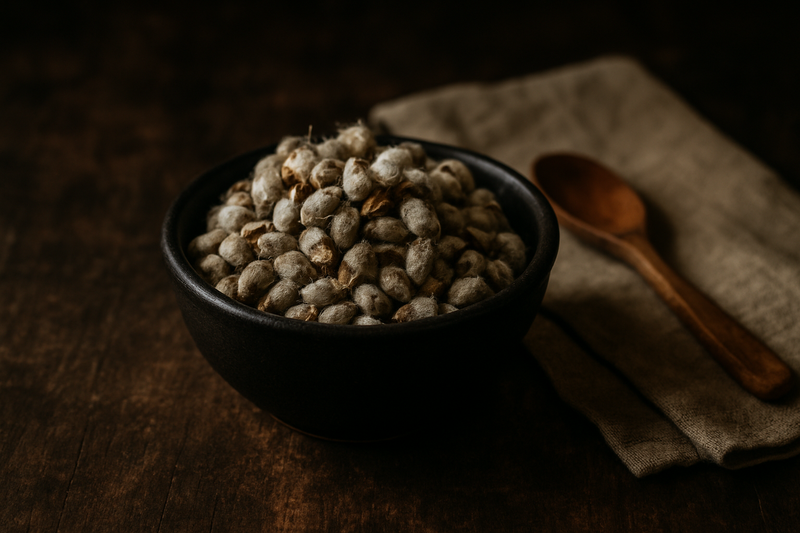
Cottonseed Oil · Photograph
Explore the real cottonseed oil health benefits and side effects, from its neutral frying performance and vitamin E content to gossypol safety concerns and omega-6 balance. Evidence-based, layperson-friendly guide.
Key Nutrients
% Daily Value based on 2,000 cal diet
Key active compounds in cottonseed oil
- Linoleic acid (omega-6 PUFA): The dominant fatty acid (~51–55% of total fat). An essential polyunsaturated fatty acid — one your body cannot make and must get from food — needed for cell membrane structure and normal skin barrier function.
- Oleic acid (omega-9 MUFA): A monounsaturated fatty acid making up roughly 18–20% of the fat. Associated with favorable lipid profiles when it replaces saturated fat.
- Saturated fatty acids (mainly palmitic acid): About 25–26% of total fat. Dietary guidelines recommend limiting saturated fat because high intakes are linked to raised LDL cholesterol (see glossary).
- Alpha-tocopherol (vitamin E): A fat-soluble antioxidant found in meaningful amounts (~4.8–5 mg per tablespoon). Helps protect cell membranes from oxidative stress (damage caused by unstable molecules called free radicals).
- Phylloquinone (vitamin K1): Present in small amounts (~3.4 mcg per tablespoon). Required for normal blood clotting.
- Gossypol: A polyphenolic pigment (a plant-derived compound with a ring structure) naturally present in raw cotton seeds and crude oil. Can be toxic at higher exposures, affecting liver function and male reproductive health. The commercial refining process — bleaching, deodorization, and degumming — removes gossypol to levels considered safe in food-grade oil.
- Tocopherols (broader vitamin E family): Contribute antioxidant capacity that helps the oil resist rancidity during frying.
Prep and pairing ideas
Cottonseed oil's neutral flavor and high smoke point make it genuinely versatile. Here are three practical pairings with a nutritional rationale:
1. Cottonseed oil + oily fish (e.g., salmon or sardines) Using cottonseed oil for cooking while regularly eating oily fish helps counterbalance cottonseed oil's heavy omega-6 load with EPA and DHA omega-3 fatty acids, supporting a healthier overall fat ratio.
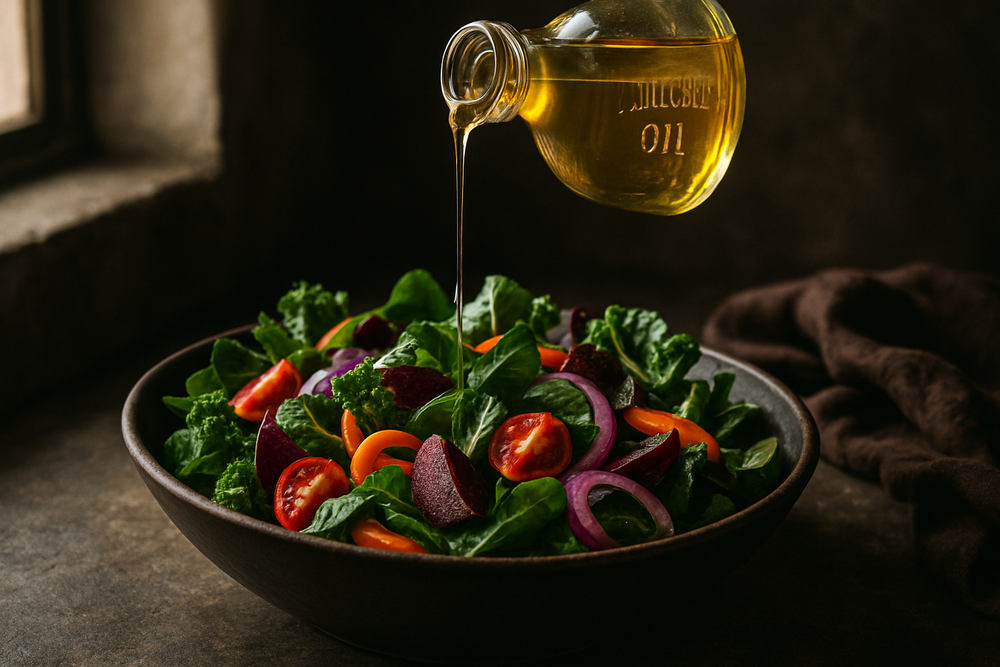
2. Cottonseed oil + leafy greens and vitamin K–rich vegetables Vitamin K is fat-soluble, meaning fat in the same meal improves its absorption from vegetables like kale, spinach, and broccoli. A small drizzle of cottonseed oil on a salad or sautéed greens can improve uptake — just keep total vitamin K consistent if you're on warfarin.
3. Cottonseed oil + whole-grain batter (for frying) When frying at home, pairing cottonseed oil with a whole-grain (e.g., whole-wheat or chickpea flour) batter adds fiber and protein that slows glucose absorption and improves the nutritional profile of the dish compared with refined-flour coatings.
Myths vs. facts
Myth 1: "All cottonseed oil contains gossypol and is toxic." Fact: Only raw cottonseed and crude unrefined oil contain significant gossypol. Commercial refining removes gossypol to trace levels. Fully refined, food-grade cottonseed oil is approved and safe for cooking.
Myth 2: "Cottonseed oil causes inflammation because it's high in omega-6." Fact: The relationship between dietary omega-6 and inflammation is more nuanced than a simple cause-and-effect. The overall balance between omega-6 and omega-3 in your diet matters more than any single oil. Current evidence does not show that cottonseed oil specifically elevates inflammatory markers in clinical studies.
Myth 3: "Cottonseed oil is a health food because it lowers cholesterol." Fact: Short-term trials do show modest LDL cholesterol reductions when large amounts of cottonseed oil replace saturated fat. But those trials used very high doses, were short-term, and measured cholesterol as a surrogate — not actual heart events. Cottonseed oil is a practical cooking oil, not a cholesterol-lowering treatment.
Bottom line
Fully refined cottonseed oil is a safe, neutral-flavored, high-smoke-point cooking fat that has earned its place in commercial kitchens and packaged foods for good practical reasons. Short-term human trials suggest it may modestly reduce LDL cholesterol when it replaces higher-saturated fats in the diet, and it provides a meaningful hit of vitamin E per tablespoon. The safety concern most worth knowing is simple: only food-grade refined oil is appropriate for consumption — crude or unrefined cottonseed products contain gossypol and are not food.
The honest trade-off is this: cottonseed oil is heavier in saturated fat than canola or olive oil, and its dominance of omega-6 fatty acids means it is best used as part of a fat-diverse diet that also includes omega-3 sources. For everyday home cooking where you want the richest evidence for heart health, extra-virgin olive oil or canola oil are stronger choices. For high-heat frying or commercial-scale cooking where neutral flavor and frying stability are priorities, refined cottonseed oil is a reasonable, well-established option.
How Cottonseed Oil Compares
| Compared with | What's different |
|---|---|
| Cottonseed Oil vs. Canola Oil | Has half the saturated fat and significantly more heart-healthy monounsaturated fats. |
| Cottonseed Oil vs. Coconut Oil | Contains much higher levels of saturated fat (about 90%) and lacks Vitamin E. |
| Cottonseed Oil vs. Soybean Oil | Higher in Vitamin E and monounsaturated fats, with a lower omega-6 to omega-3 ratio. |
Health Benefits
Things to Know
Omega-6 balance: Cottonseed oil is predominantly omega-6. A diet already heavy in packaged snacks, fried foods, and seed oils can lead to a high omega-6 to omega-3 ratio, which some researchers associate with a less favorable inflammatory environment. Balancing with omega-3 sources (oily fish, flaxseed, walnuts) is advisable.
Saturated fat content: At ~25% saturated fat, cottonseed oil is higher in saturated fat than canola (~7%) and olive oil (~14%). People with hyperlipidemia (high blood fat levels) or cardiovascular disease may benefit more from oils with stronger cardioprotective evidence.
Warfarin (and similar anticoagulants): Cottonseed oil contains a small but nonzero amount of vitamin K. Vitamin K influences how warfarin works, and large or sudden changes in vitamin K intake can shift medication effectiveness. Keep intake consistent if you take this class of medication.
Fat-soluble medication absorption: As a fat, cottonseed oil can increase absorption of fat-soluble vitamins and certain medications. Very high intakes may alter pharmacokinetics in sensitive individuals — discuss with your pharmacist if relevant.
Cholesterol medications: Large changes in overall fat intake and quality (including switching oils) can influence baseline lipid levels. If you're on cholesterol-lowering therapy, dietary changes are worth discussing with your care team.
Known seed oil allergies: Individuals with documented allergies to cottonseed or related seed oils should avoid cottonseed oil.
Pregnancy and lactation: Fully refined cottonseed oil in typical culinary amounts is not known to pose specific risks during pregnancy, but very high intakes of omega-6-dominant oils at the expense of omega-3s are generally discouraged. Seek tailored guidance from your midwife or OB.
Non-food-grade products: Workers or individuals in agricultural settings who may be exposed to raw cottonseed meal or crude oil should be aware of gossypol's documented reproductive and liver toxicity.
Glossary
Shop This Ingredient
Stock your pantry with quality cottonseed oil.
Buy on AmazonAs an Amazon Associate, Plantopedia earns from qualifying purchases. This costs you nothing extra and helps us keep the encyclopedia free.
Frequently Asked Questions
Heart and circulation The most researched area for cottonseed oil is its effect on blood cholesterol. A 2024 review published in the Journal of Medicinal Food summarized several short-term human feeding trials in which participants consumed approximately 75–95 g of cottonseed oil per day as a replacement for other dietary fats. Researchers observed consistent reductions of 5–15% in fasting total cholesterol and LDL cholesterol (low-density lipoprotein, sometimes called "bad" cholesterol) in healthy adults. A separate controlled feeding study (2012, PMC) confirmed that a cottonseed-oil-rich diet lowered both total and LDL cholesterol compared with a control fat. What these studies cannot tell us: long-term cardiovascular outcomes (heart attacks, stroke), effects on HDL cholesterol ("good" cholesterol) or triglycerides, or how cottonseed oil compares head-to-head with oils like olive or canola in clinical populations. The cholesterol-lowering signal is real but modest and based on short-term surrogate markers, not hard events. Digestive health and microbiome Cottonseed oil contains no fiber, no fermentable carbohydrates, and no prebiotics. It does not directly support gut motility or microbiome diversity. High-fat meals in general — regardless of oil type — can aggravate acid reflux or gallbladder symptoms in susceptible individuals, so portion size matters more than the specific oil in this context. No clinical trials have evaluated cottonseed oil against digestive endpoints. Blood sugar and metabolism As a pure fat with zero carbohydrate, cottonseed oil has no direct glycemic effect (it does not raise blood sugar on its own). Existing clinical trials were designed to measure lipid changes and did not report glucose, insulin, or HbA1c (a three-month blood sugar average used to monitor diabetes). Any indirect metabolic effects would depend on overall calorie balance and what the oil displaces in the diet rather than any property of the oil itself. Inflammation and recovery Cottonseed oil is rich in linoleic acid (omega-6), which can theoretically have both pro- and anti-inflammatory influences depending on your total dietary fat pattern — especially how much omega-3 fatty acids (found in oily fish, flaxseed, and walnuts) you consume alongside it. It also contains vitamin E, a fat-soluble antioxidant with anti-inflammatory properties at the cellular level. However, no human trials have measured inflammatory biomarkers (measurable indicators like C-reactive protein or interleukin-6) in response to cottonseed oil specifically. Theoretical inferences from its fat composition cannot substitute for direct clinical evidence.
Refined vs. unrefined: the gossypol question This is the single most important safety distinction with cottonseed oil. Raw cotton seeds and crude (unrefined) cottonseed oil contain gossypol, a polyphenolic compound that at higher doses can damage the liver and impair male reproductive function. For this reason, only fully refined, food-grade cottonseed oil should be consumed. The standard commercial refining process (degumming, neutralization, bleaching, deodorization) reduces gossypol to negligible trace levels, and food-grade cottonseed oil is approved and widely consumed in the United States and globally. Crude or cold-pressed cottonseed oil is not a food product — it is used industrially and in agriculture. Do not use it for cooking. Smoke point and frying performance Refined cottonseed oil has a smoke point (the temperature at which oil begins to break down and smoke) of approximately 220–230 °C (428–446 °F), making it well suited to deep frying, stir-frying, and commercial baking. Its neutral flavor means it does not compete with the taste of other ingredients — a key reason it dominates restaurant and food-manufacturing applications. It also has reasonable oxidative stability during frying, partly due to its vitamin E content.
There is no established recommended daily intake specifically for cottonseed oil. In typical Western diets, most people consume it indirectly through restaurant fried foods and packaged snacks — often amounting to roughly 1–2 tablespoons (14–28 g) per day without realizing it. The clinical trials that observed cholesterol-lowering effects used much higher amounts — approximately 75–95 g per day (around 5–7 tablespoons) as the primary dietary fat — for several weeks. This is far above ordinary culinary use and not a practical or necessarily desirable daily target for most people, given the calorie load (900+ calories from oil alone) and the saturated fat content. Practical guidance: Use cottonseed oil as one tool in a varied fat repertoire rather than as a primary oil. If you fry regularly at home, 1–2 tablespoons per cooking session is a reasonable benchmark. Start by noting where you're already consuming it through packaged foods — labels often list it — before adding more deliberately. If you're aiming to improve cholesterol or cardiovascular risk, oils with stronger and broader evidence (extra-virgin olive oil, canola) may be a better primary choice, with cottonseed oil used situationally for its high smoke point. Curious how cottonseed oil fits your specific health goals? Browse our guides by goal at Plantopedia Goals.
Quick Answers
Common questions, answered in a line.
Fully refined, food-grade cottonseed oil is safe for consumption because the refining process removes toxic gossypol to trace levels. Only crude or unrefined cottonseed products are considered unsafe for food use due to their natural gossypol content.
Cottonseed oil is a significant source of Alpha-tocopherol (vitamin E), providing approximately 4.8 to 5 mg per tablespoon. This fat-soluble antioxidant helps protect your cell membranes from oxidative stress caused by free radicals.
Cottonseed oil is a neutral-flavored fat with a high smoke point, making it highly versatile for high-heat frying and commercial cooking. It is often used in packaged foods and professional kitchens because it remains stable during the frying process.
Cottonseed oil contains roughly 25% to 26% saturated fat, which is higher than the levels found in olive oil or canola oil. Because high intake of saturated fat is linked to raised LDL cholesterol, it is recommended to use it as part of a fat-diverse diet.
Cottonseed oil is predominantly composed of linoleic acid, an essential omega-6 polyunsaturated fatty acid that the body cannot produce on its own. It is important to balance this high omega-6 intake with omega-3 sources like oily fish, flaxseed, or walnuts.
Cottonseed oil contains a small amount of vitamin K, which can influence how blood-thinning medications like warfarin work. If you are taking anticoagulants, you should maintain a consistent intake of this oil to avoid shifting the effectiveness of your medication.
Cottonseed oil can help your body absorb fat-soluble vitamins, such as vitamin K found in leafy greens like kale and spinach. Drizzling a small amount of the oil on a salad can improve the uptake of these essential nutrients during a meal.
For Readers in the USA
Local context — sourcing, seasonality, and regional notes.
In the United States, cottonseed oil is primarily produced in the "Cotton Belt," which spans across the Southern states from Virginia and the Carolinas to California. Texas is the leading producer, followed by states like Georgia, Arkansas, and Mississippi, ensuring a steady domestic supply throughout the year.
Cottonseed oil is a staple in the American food industry, commonly found in processed snacks like potato chips, salad dressings, and as a primary ingredient in Crisco vegetable shortening. While less common as a standalone bottled oil in retail stores like Walmart or Kroger compared to canola or vegetable oil, it is widely available through restaurant suppliers and wholesale clubs.
In the US, cottonseed oil is considered a "highly refined oil," which means the FDA does not require it to be labeled as a major allergen even though it is derived from a seed. Additionally, look for the USDA Organic seal if you wish to avoid oil derived from genetically modified (GMO) cotton crops, which make up the vast majority of US cotton production.
AI Clinical Review
- Clearly distinguishes refined, food‑grade cottonseed oil (safe for cooking) from crude/unrefined forms that may contain gossypol, a toxin.
- Provides an accurate nutrition snapshot: ~120 kcal per tablespoon, ~25% saturated fat, omega‑6–dominant profile, and a meaningful vitamin E contribution.
- Appropriately characterizes the clinical evidence: short‑term feeding studies show modest total and LDL cholesterol reductions when cottonseed oil replaces higher‑saturated fats, without claims of long‑term outcome benefits.
- Offers practical context on why the oil is used (neutral flavor, high smoke point) and notes the importance of balancing omega‑6 intake with omega‑3 sources.
- Long‑term cardiovascular outcomes (heart attacks, stroke) and head‑to‑head comparisons with oils like extra‑virgin olive or canola in diverse populations remain limited.
- Inflammation: theoretical concerns based on high linoleic acid are not the same as measured changes in biomarkers; human data specific to cottonseed oil are sparse.
- Metabolic, glycemic, and microbiome effects have not been directly tested in controlled trials; current statements are reasonable extrapolations rather than proven effects.
- Real‑world frying stability (oxidation products with repeated heating) is plausible but not well characterized specifically for cottonseed oil across home and commercial settings.
- Form matters: use only refined, food‑grade cottonseed oil; avoid crude or “cold‑pressed” cottonseed products due to potential gossypol.
- Portion awareness: 1 tablespoon equals ~120 kcal. Trials used 5–7 tablespoons/day—an experimental dose, not a practical target for most people.
- Medication considerations: small amounts of vitamin K mean those on warfarin should keep intake consistent; as a fat, the oil can affect absorption of fat‑soluble drugs—check with your clinician if uncertain.
- Who might choose alternatives: individuals with high LDL cholesterol or cardiovascular disease may prefer oils with lower saturated fat and stronger outcome evidence (e.g., canola, extra‑virgin olive) as everyday staples; those with seed‑oil allergies should avoid cottonseed oil; during pregnancy/lactation, typical culinary use is acceptable but aim for adequate omega‑3 intake.
Raw cottonseed contains gossypol; only fully refined, food-grade oil is safe. High in omega-6.
References
- USDA FoodData Central — Cottonseed Oil (nutrition data): (fdc.nal.usda.gov)
- Healthline overview — Cottonseed Oil: Uses, Side Effects, and Possible Benefits: (healthline.com)
- Journal of Medicinal Food 2024 review — "Is Cottonseed Oil the Next Healthy Oil?" (clinical trial summary): (liebertpub.com)
- PMC/NIH 2012 human trial — "Consumption of a Diet Rich in Cottonseed Oil Lowers Cholesterol in Humans": (pmc.ncbi.nlm.nih.gov)
- AgClassroom Cottonseed Nutrition Facts (PDF): (cdn.agclassroom.org)
- HealthJade — Cottonseed Oil Nutrition Facts and Health Review: (healthjade.com)
- MindBodyGreen — Is Cottonseed Oil Healthy? A Nutrition Deep Dive: (mindbodygreen.com)
- Global Resources Direct — Cottonseed Oil Guide for Food Manufacturing: (globalresourcesdirect.com)
- MyFoodData — Cottonseed Oil Nutrition Facts (USDA-based): (tools.myfooddata.com)
Know Your Numbers
Eating healthy is a start. Now get to know your biomarkers.
Food changes bloodwork — inflammation, lipids, blood sugar and nutrient status all respond to what you eat. 59 markers from $59.
- Results in 7–10 days at 2,000+ Quest sites
- Licensed provider reviews every result
- One flat price, no membership, HSA/FSA eligible
Educational information only, not medical advice. Panels are ordered and reviewed through our licensed partner; Plantopedia may earn a commission.