Fermented Watermelon Rind — health benefits and uses
Southern American and Eastern European cooks pickled the rind to waste nothing.
The Short Answer
Fermented watermelon rind is a probiotic-rich, low-calorie pickle containing L-citrulline, an amino acid that supports nitric oxide production and blood vessel health.

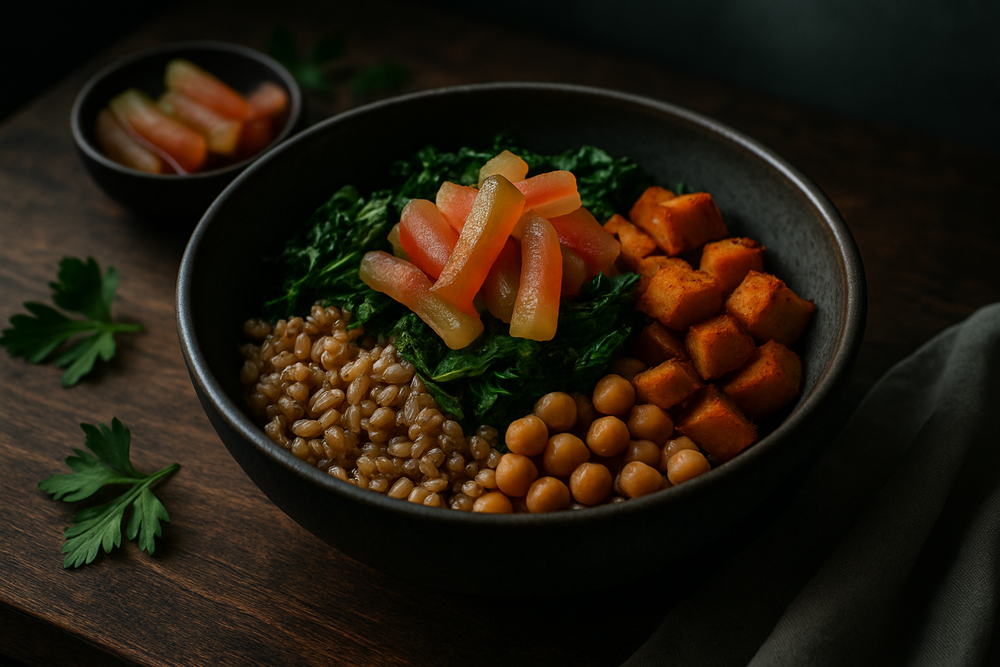
Fermented Watermelon Rind · Photograph
Discover the fermented watermelon rind health benefits: a crunchy, probiotic-rich, zero-waste pickle packed with citrulline, fiber, and gut-friendly lactic acid bacteria. Learn nutrition facts, safety tips, and easy prep ideas.
Key Nutrients
% Daily Value based on 2,000 cal diet
Key active compounds
- L-citrulline — A nonessential amino acid (one the body can make but also obtains from food) found in particularly high concentrations in watermelon rind. It is converted in the body to L-arginine, which in turn supports the production of nitric oxide — a molecule that helps relax and widen blood vessels.
- Pectin — A soluble, gel-forming fiber abundant in the rind. Pectin acts as a prebiotic (food for gut bacteria) and may support bowel regularity and short-chain fatty acid production.
- Phenolic compounds — A broad class of antioxidant plant chemicals. Research shows that fermentation with yeast can increase the total phenolic content of watermelon rind, potentially enhancing its antioxidant potential.
- Flavonoids — A subgroup of polyphenols (plant pigment compounds with antioxidant activity) present in the rind and likely increased by fermentation.
- Cucurbitacins and triterpenes — Mildly bitter compounds found across the Cucurbitaceae (gourd) family, including watermelon. They show antibacterial and anti-inflammatory activity in laboratory studies, though their effects at everyday dietary amounts are not yet established.
- Plant sterols — Cholesterol-like molecules from plants that, in sufficient dietary quantities, can modestly support healthy LDL cholesterol levels. The rind contributes small amounts.
- Lactic acid bacteria (LAB) — Not a plant compound, but a key product of lacto-fermentation (the salt-brine fermentation process). LAB such as Lactobacillus strains produce lactic acid, lower the pH of the brine, and contribute live probiotic cultures to the finished pickle.
Prep and pairing ideas
Basic lacto-ferment:
- Cut watermelon rind into sticks or cubes after removing the green skin and most of the red flesh.
- Dissolve 20–25 g of non-iodized salt per 1 litre of filtered water (a 2–2.5% brine).
- Pack the rind tightly into a clean jar, add optional aromatics (dill, garlic, mustard seeds), and pour brine over to cover.
- Weigh the rind down to keep it submerged, cover loosely, and ferment at 18–22 °C (65–72 °F) for 7–10 days.
- Taste from day 5. Transfer to the refrigerator when you reach your preferred sourness.
Three practical pairings:
- With a grain bowl (rice, farro, or quinoa). The sour, salty pickle cuts through starchy grains the same way sauerkraut does with potatoes — brightening the overall flavor without any added dressing.
- Alongside fatty plant foods (avocado, tahini, or nut-based dips). Acidity from the lactic acid ferment balances the richness of high-fat plant foods and aids in the perception of flavor complexity.
- As a taco topping or wrap filling. The crunch and tang mirror pickled jalapeños or curtido (Central American fermented cabbage slaw), making it a natural fit anywhere you'd use a quick pickle.
Bottom line
Fermented watermelon rind is an evidence-informed, low-calorie, zero-waste ferment that turns a routinely discarded fruit part into something genuinely useful. Its combination of L-citrulline, prebiotic fiber, pectin, and lactic acid bacteria from fermentation makes it nutritionally interesting — even if most of the supporting evidence comes from studies on related compounds and foods rather than clinical trials on fermented rind itself. The main practical limitation is sodium: the brine that makes it safe and crunchy also makes it a food to enjoy in measured amounts, especially for anyone watching blood pressure or kidney health. For everyone else, it is a smart, sustainable way to get more out of every watermelon.
How Fermented Watermelon Rind Compares
| Compared with | What's different |
|---|---|
| Fermented Watermelon Rind vs. Pickled Cucumbers | Watermelon rind is crisp and firm, while cucumber pickles soften more readily during fermentation. |
| Fermented Watermelon Rind vs. Sauerkraut | Watermelon rind contains L-citrulline for blood flow support, which is absent in cabbage. |
Health Benefits
Things to Know
Sodium is the primary concern.: A 100 g serving can contribute 300–400 mg of sodium — about 15% of the recommended daily limit. People with hypertension, heart failure, or chronic kidney disease should be especially mindful of portion size or choose a lower-salt brine.
Antihypertensive medications.: High sodium intake from fermented foods can work against blood-pressure targets, particularly for people on ACE inhibitors, ARBs, or beta-blockers.
Diuretics and sodium-restricted diets.: If you are on a medically supervised fluid or sodium restriction, check with your care team before adding fermented pickles regularly.
Antibiotics: can reduce the survival of probiotic bacteria, temporarily diminishing the gut-health benefit of fermented foods. This is not a dangerous interaction, but worth noting.
Histamine sensitivity.: Fermented foods are naturally higher in histamine, which some people react to with symptoms like headaches, skin flushing, or digestive upset. Start with a small amount if you are histamine-sensitive.
IBS and fermentable carbohydrates.: The pectin and fiber in rind are FODMAPs (fermentable carbohydrates that can trigger IBS symptoms in sensitive individuals). Introduce gradually.
Melon or gourd allergy.: If you react to cucumbers, melons, or other Cucurbitaceae family plants, introduce fermented watermelon rind cautiously and discontinue if any reaction occurs.
Home fermentation hygiene.: Pregnant people and immunocompromised individuals should be especially careful with home ferments: use clean equipment, maintain proper brine salinity (≥2% salt), keep the rind submerged below the brine, and discard any batch that shows mold, unusual color, or off-smells.
Peel the tough dark green skin.: The outer skin is very fibrous and has a waxy, often unwashed surface. Always remove it, leaving only the pale white-to-pale-green rind for fermentation.
Prep Ideas
- — Cut watermelon rind into sticks or cubes after removing the green skin and most of the red flesh.
- — Dissolve 20–25 g of non-iodized salt per 1 litre of filtered water (a 2–2.5% brine).
- — Pack the rind tightly into a clean jar, add optional aromatics (dill, garlic, mustard seeds), and pour brine over to cover.
- — Weigh the rind down to keep it submerged, cover loosely, and ferment at 18–22 °C (65–72 °F) for 7–10 days.
- — Taste from day 5. Transfer to the refrigerator when you reach your preferred sourness.
- — With a grain bowl (rice, farro, or quinoa). The sour, salty pickle cuts through starchy grains the same way sauerkraut does with potatoes — brightening the overall flavor without any added dressing.
- — Alongside fatty plant foods (avocado, tahini, or nut-based dips). Acidity from the lactic acid ferment balances the richness of high-fat plant foods and aids in the perception of flavor complexity.
- — As a taco topping or wrap filling. The crunch and tang mirror pickled jalapeños or curtido (Central American fermented cabbage slaw), making it a natural fit anywhere you'd use a quick pickle.
Glossary
Shop This Ingredient
Stock your pantry with quality fermented watermelon rind.
Buy on AmazonAs an Amazon Associate, Plantopedia earns from qualifying purchases. This costs you nothing extra and helps us keep the encyclopedia free.
Frequently Asked Questions
Human clinical trials specifically on fermented watermelon rind are limited. The benefits described below are based on the rind's nutrient profile, fermentation science, and research on related foods and compounds. They should be understood as potential or emerging rather than proven. Heart and circulation Watermelon rind is one of the most concentrated food sources of L-citrulline. Once absorbed, citrulline is converted to L-arginine in the kidneys, and L-arginine is a direct building block for nitric oxide — a signaling molecule that tells blood vessel walls to relax. Human studies using watermelon juice or purified citrulline supplements have found modest improvements in endothelial function (the health of the blood vessel lining) and small reductions in blood pressure, particularly in people with prehypertension. These studies used the flesh or supplements, not fermented rind, so results cannot be transferred directly. Still, the rind contains substantially more citrulline than the flesh, making it a plausible dietary source of this compound. The brine sodium, however, works in the opposite direction for blood pressure — so balance matters. Digestive health and microbiome Fermented watermelon rind contributes on two fronts simultaneously. The fiber and pectin act as prebiotics — fermentable substrates that selectively feed beneficial gut bacteria such as Lactobacillus and Bifidobacterium strains. Lab studies confirm that watermelon rind extracts support the growth of probiotic bacteria in culture. On top of that, lacto-fermentation introduces live lactic acid bacteria and organic acids (mainly lactic acid) into the food itself. Research on a synbiotic (combined probiotic + prebiotic) watermelon rind jam showed that probiotic counts remained above 10⁷ CFU/g (the generally accepted threshold for a food to be considered probiotic-level) after 90 days of storage, and the bacteria survived simulated digestion in lab models. Whether these effects translate into measurable improvements in bowel habits or microbiome diversity in humans has not yet been tested in controlled trials. Blood sugar and metabolism The rind is much lower in sugars than the sweet red flesh, and lacto-fermentation further reduces simple sugar content while producing organic acids. Both of these factors suggest a lower glycemic impact (the degree to which a food raises blood sugar) compared with sweet fruit portions or sugary pickles. Fiber also slows glucose absorption in the gut. That said, no human studies have measured blood glucose or insulin responses specifically to fermented watermelon rind, so any blood-sugar benefit remains theoretical. People managing diabetes should treat it as a low-sugar condiment within a broader dietary plan rather than a glycemic management tool on its own. Inflammation and recovery Fermentation of watermelon rind has been shown in laboratory conditions to increase total phenolic and flavonoid content while reducing certain antinutrients (compounds that can block nutrient absorption). Higher phenolic content correlates with greater antioxidant capacity in test-tube assays. The rind also contains cucurbitacins and triterpenes — bitter plant compounds that show antibacterial and anti-inflammatory activity in cell studies. Whether these effects translate to meaningful anti-inflammatory outcomes in people eating normal serving sizes of fermented rind is unknown. The evidence is currently limited to lab models and compositional analyses.
Buying guide Fresh homemade lacto-ferment (best overall) A simple 2–3% saltwater brine with the white rind (green skin peeled off) and optional aromatics like dill, garlic, or peppercorns. Fermented at cool room temperature for 7–10 days. This method preserves live cultures and produces the most natural flavor. Look for bubbling activity around day 3–5 as a sign fermentation is active. Watermelon rind kimchi (great for variety) Uses the same peeled rind in a Korean-style ferment with gochugaru (chili flakes), garlic, ginger, and salt. Delivers a spicier, more complex flavor and the same probiotic benefits. A good zero-waste way to use the whole watermelon at a summer barbecue. Store-bought pickled watermelon rind (convenient but check labels) Traditional Southern-style pickled watermelon rind is usually made with vinegar and large amounts of added sugar — that is a vinegar pickle, not a lacto-ferment, and it does not contain live cultures. If buying commercially, look for "naturally fermented," "raw," "unpasteurized," or "contains live cultures" on the label. Pasteurized products will not provide probiotics. Label tip: Ingredients should be simple — watermelon rind, water, salt, optional spices. A short ingredient list with no added sugar and no vinegar is the best indicator of a true lacto-ferment.
There is no established therapeutic dose. As a culinary ferment, a reasonable starting point is 50–100 g (about ¼ to ½ cup) per serving, eaten a few times per week. Start low and increase gradually. If you are new to fermented foods, begin with 1–2 tablespoons per meal and build up over 2–3 weeks. Introducing too much fiber and lactic acid bacteria at once can cause temporary bloating, gas, or loose stools as your gut microbiome adjusts. Sodium math matters. If you eat 100 g of fermented rind daily, you are adding roughly 300–400 mg of sodium to your day from that source alone. If you are also eating other fermented foods, soy sauce, bread, or processed items, total sodium can add up quickly. A simple way to reduce sodium without losing probiotic benefit: rinse the pickle briefly under cold water before eating, or use a lower-concentration brine (1.5% salt) and ferment slightly longer. No upper limit has been established. For most healthy adults, enjoying fermented watermelon rind as a condiment or side dish — rather than a standalone food — keeps sodium reasonable while delivering fiber, citrulline, and live cultures.
Quick Answers
Common questions, answered in a line.
Fermented watermelon rind is high in L-citrulline, pectin, phenolic compounds, and live lactic acid bacteria. These components support heart health, provide prebiotic fiber for gut bacteria, and offer antioxidant activity enhanced by the fermentation process.
Yes, fermented watermelon rind is a natural source of probiotics, specifically lactic acid bacteria like Lactobacillus strains. These beneficial cultures are produced during the lacto-fermentation process when the rind is submerged in a salt brine.
To ferment watermelon rind, peel off the green skin, cut the white rind into cubes, and submerge them in a 2–2.5% salt brine for 7–10 days. For safety, keep the rind weighted below the liquid at room temperature (18–22 °C) until it reaches your preferred sourness.
Fermented watermelon rind is a crunchy, sour, and salty pickle that pairs well with grain bowls, tacos, or fatty plant foods like avocado and tahini. Its acidity helps balance rich flavors and adds brightness to starchy dishes like rice or quinoa.
People with hypertension, heart failure, or kidney disease should be cautious due to the high sodium content in the brine. Additionally, those with histamine sensitivity or IBS may experience symptoms like headaches or digestive upset due to histamines and fermentable fibers.
L-citrulline found in watermelon rind is converted into L-arginine, which helps the body produce nitric oxide to relax and widen blood vessels. This process supports healthy circulation and blood flow, though the high sodium in the brine must be balanced by those with high blood pressure.
For safe fermentation, you must peel the tough green skin, use a brine with at least 2% salt, and ensure the rind stays completely submerged to prevent mold. Pregnant or immunocompromised individuals should discard any batch that shows unusual colors or off-smells.
For Readers in the USA
Local context — sourcing, seasonality, and regional notes.
Watermelon rind is best for fermenting during the peak U.S. harvest season, which runs from May through September. While states like Florida and Texas provide early crops, the highest quality rinds for pickling are typically found in mid-summer when domestic production is at its height across the Sun Belt.
You can buy fresh watermelons for rind fermentation at major U.S. retailers like Kroger, Walmart, and Whole Foods, or at local farmers markets for organic options. Look for melons labeled 'USDA Organic' if you plan to use the rind, as this ensures the outer skin was grown without synthetic pesticides or fertilizers.
In the Southern U.S., fermented or pickled watermelon rinds are a traditional staple often served as a side dish at barbecues or holiday meals. While older recipes often use a vinegar-sugar boil, the modern probiotic lacto-fermentation method is gaining popularity in the U.S. functional food and zero-waste cooking movements.
The FDA classifies traditionally fermented vegetables as 'low-acid foods' that are generally recognized as safe when the pH level drops below 4.6. When fermenting rinds at home, U.S. food safety guidelines recommend using a calibrated pH strip to ensure the brine has become acidic enough to prevent the growth of harmful bacteria.
AI Clinical Review
- Clearly distinguishes true lacto‑fermentation (salt brine, live cultures) from vinegar pickling, and offers practical label tips for finding probiotic products.
- Accurately frames L‑citrulline in rind and its link to nitric oxide and vascular function, while noting that most data come from watermelon flesh/juice or supplements.
- Explains the synbiotic potential (prebiotic fiber + probiotic bacteria) and why fermentation can enhance phenolic compounds, without overclaiming outcomes.
- Appropriately highlights sodium as the main nutritional trade‑off and suggests realistic strategies to limit it (lighter brine, rinsing, smaller portions).
- There are no human clinical trials on fermented watermelon rind itself; benefits for blood pressure, microbiome changes, or metabolic health are extrapolated from related foods or in‑vitro studies.
- Reported increases in antioxidant/phenolic content with fermentation are laboratory findings; their magnitude of effect in everyday servings is uncertain.
- Probiotic viability varies by recipe, temperature, time, and whether a product is pasteurized; CFU counts in home ferments are not standardized.
- The lower glycemic impact is plausible (less sugar than flesh and organic acids from fermentation) but has not been directly tested in meal studies.
- Portion and sodium: a common starting range is 50–100 g per serving; at typical brines this can add ~300–400 mg sodium per 100 g. Use lighter brines (≈1.5–2.5%), rinse before eating, and keep it as a condiment.
- Who should be cautious: people with hypertension, heart failure, or chronic kidney disease; those on diuretics or antihypertensives (ACE inhibitors/ARBs); individuals with histamine intolerance or IBS (pectin/FODMAPs can trigger symptoms); anyone with melon/gourd allergy.
- Form matters: only raw, unpasteurized, salt‑brined ferments provide live cultures. Vinegar‑pickled or pasteurized versions won’t deliver probiotics, though they still count as a flavorful pickle.
- Food safety: peel off the dark green skin, maintain adequate salinity, keep pieces submerged, and discard if mold or off‑odors appear. Pregnant or immunocompromised individuals should practice extra caution with home ferments and consider commercially controlled products.
Salty brine; peel the tough outer green skin first.
References
- USDA FoodData Central — Watermelon, raw (baseline nutrient reference for watermelon composition): (fdc.nal.usda.gov)
- Verywell Health — Watermelon rinds: surprising health benefits (consumer health summary of rind nutrition and safety): (verywellhealth.com)
- Erukainure et al. — Improvement of the biochemical properties of watermelon rinds subjected to Saccharomyces cerevisiae solid media fermentation (journal study showing fermentation increases phenolics and protein, reduces antinutrients): (pure.uj.ac.za)
- Malaysian Applied Biology — Watermelon rind as potential prebiotic and source of pectin (review covering fiber, prebiotic potential, and safety/toxicity of watermelon rind): (journalarticle.ukm.my)
- International Journal of Horticulture — Synbiotic jam with watermelon rind and microencapsulated probiotics (formulation study showing viable probiotic counts ≥10⁷ CFU/g and GI survival in simulated conditions): (journal.iahs.org.in)
- Semantic Scholar — Exploring prebiotic potential of fruit and vegetable by-products including watermelon rind (in vitro study showing rind supports Lactobacillus pentosus growth): (pdfs.semanticscholar.org)
- PMC — Versatile nutraceutical potentials of watermelon: a modest review (scientific review of citrulline, phytochemicals, and cardiovascular evidence for watermelon components): (pmc.ncbi.nlm.nih.gov)
- Mary Vance Nutrition — Fermented watermelon rinds recipe and citrulline overview (culinary and nutritional overview of lacto-fermented rind as a probiotic condiment): (maryvancenc.com)
- Dish by David — Fermented watermelon: ancient, tangy, unexpected (culinary article with approximate per-100 g nutrition data for fermented watermelon): (dishbydavid.com)
- Texas Real Food — Watermelon rind kimchi: a zero-waste fermented delight (zero-waste recipe and nutrition overview for watermelon rind kimchi): (discover.texasrealfood.com)
Know Your Numbers
Eating healthy is a start. Now get to know your biomarkers.
Food changes bloodwork — inflammation, lipids, blood sugar and nutrient status all respond to what you eat. 59 markers from $59.
- Results in 7–10 days at 2,000+ Quest sites
- Licensed provider reviews every result
- One flat price, no membership, HSA/FSA eligible
Educational information only, not medical advice. Panels are ordered and reviewed through our licensed partner; Plantopedia may earn a commission.