Protect your heart with flaxseeds. Learn how ALA, lignans, and fiber work together to lower blood pressure, stabilize blood sugar, and suppo
Healthy fats, minerals, and texture; small-amount high-leverage add-in
The Short Answer
Flaxseeds provide 1.6g of Omega-3 (ALA) and 2g of fiber per tablespoon. They are best consumed ground to ensure your body can absorb the lignans and healthy fats protected by the tough outer shell.

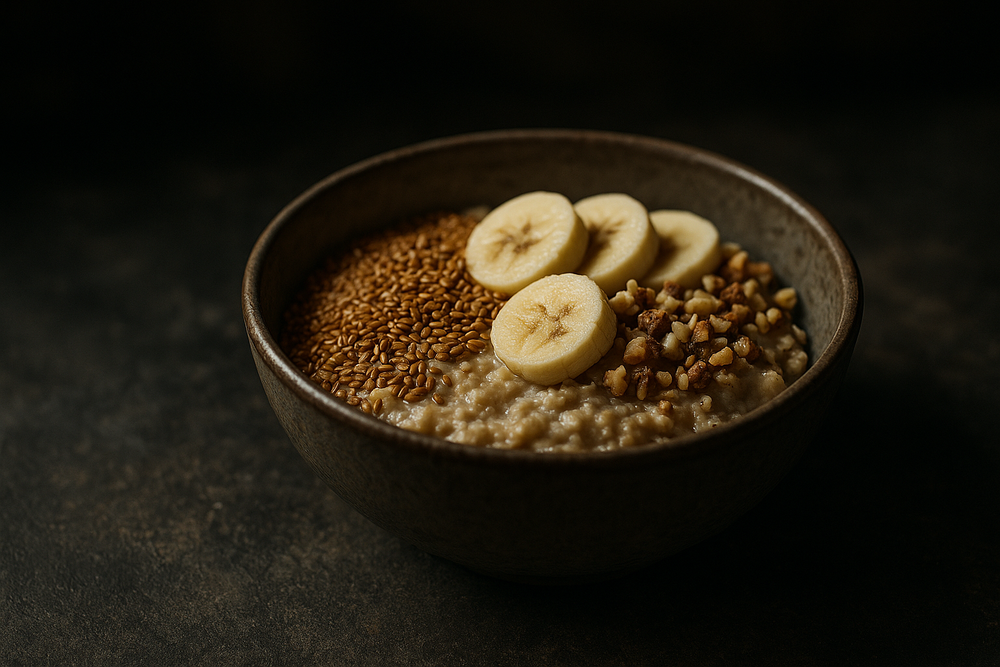
Flaxseeds · Photograph
Why Flaxseed Benefits Make This Ingredient Worth Considering Flaxseeds stand out in the plant kingdom for their unique combination of bioactive compounds.
Key Nutrients
% Daily Value based on 2,000 cal diet
Why Flaxseed Benefits Make This Ingredient Worth Considering
Flaxseeds stand out in the plant kingdom for their unique combination of bioactive compounds. Unlike many plant foods that excel in just one area, flaxseeds deliver a triple threat: they're one of the most abundant plant sources of omega-3 alpha-linolenic acid (ALA), they contain exceptionally high levels of lignans (plant compounds with antioxidant properties), and they provide both soluble and insoluble fiber to aid digestion.
This combination creates what researchers call a "synergistic effect" – the compounds work together in ways that may be more beneficial than any single component alone. Consistent intake of lignans and fiber is a cornerstone of modern functional nutrition.
Key Active Compounds
- Alpha-linolenic acid (ALA): An essential omega-3 that makes up about 42% of flaxseed oil.
- Lignans: Particularly secoisolariciresinol diglucoside (SDG), converted by gut bacteria into mammalian lignans that support hormonal balance.
- Dietary fiber: Both soluble and insoluble types, comprising 24-35% of the seed, are essential for healthy digestion.
- Phenolic acids: Antioxidant compounds that work alongside lignans.
- Protein: A complete amino acid profile including lysine and arginine.
- Tocopherols: Natural vitamin E compounds that protect the oils from oxidation.
Buying and Storage Guide
- Ground vs. Whole: Buying whole seeds and grinding them fresh ensures maximum freshness of the lignans and oils.
- Storage: Store ground flaxseed in the refrigerator to prevent oxidation. Whole seeds can be safely stored at room temperature, supporting long-term digestion benefits.
- Packaging: Look for opaque packaging that protects the lignans and omega-3s from light damage.
Conclusion
Flaxseed benefits appear most promising for heart health and digestion. This is thanks to the unique combination of omega-3 ALA, lignans, and fiber. Ground flaxseed offers the best bioavailability of these compounds, making it preferable to whole seeds or oil for most people seeking to improve their digestion and antioxidant status.
Incorporating flaxseed into your daily routine—whether in smoothies, oatmeal, or baking—is an easy way to harness the power of lignans and essential fats for long-term wellness. Ready to incorporate more functional foods into your meal planning? Our meal planner can help you create balanced meals that include nutrient-dense ingredients like flaxseed.
How much EPA and DHA does that flax turn into?
2 tablespoons of ground flaxseed = 3.2 g of ALA, converting to roughly 0.26 g EPA and 0.03 g DHA.
200% of the 1.6 g/day ALA Adequate Intake for adult men, and 291% of the 1.1 g/day figure for women.
ALA per tablespoon from USDA FoodData Central. Conversion rates ~8% ALA→EPA and ~1% ALA→DHA (Burdge & Calder, Reprod Nutr Dev 2005). Target is the NASEM Adequate Intake for ALA: 1.6 g/day men, 1.1 g/day women.
How much flaxseed do you need per day for omega-3?
One tablespoon of ground flaxseed supplies about 1.6 g of ALA, which meets the full adult Adequate Intake on its own. Because only roughly 8% converts to EPA and about 1% to DHA, people who eat no fish or algae still get very little direct DHA — an algae-oil supplement covers that gap, and the flax must be ground, since whole seeds pass through undigested.
How Flaxseeds Compares
| Compared with | What's different |
|---|---|
| Flaxseeds vs. Chia seeds | Flaxseeds have significantly higher lignan content and a milder, nuttier flavor profile. |
| Flaxseeds vs. Hemp seeds | Flaxseeds are much richer in Omega-3 (ALA) and fiber, whereas hemp is higher in complete protein. |
Health Benefits
Things to Know
Start slowly: Begin with 1 teaspoon daily and gradually increase to 1-3 tablespoons to allow your digestion to adjust to the fiber.
Hydration matters: Increase water intake when adding flaxseed to help the fiber move through your digestive system smoothly.
Medication timing: High fiber may affect absorption; separate flaxseed from medications by 2+ hours.
Hormone sensitivity: The lignan content may have mild estrogenic effects; consult a doctor if you have hormone-sensitive conditions.
Common Uses
- —Using ground flaxseed rather than whole seeds to ensure the body can actually absorb the ALA and lignans hidden behind the tough outer shell.
- —Mixing 1 tablespoon of ground flax with 3 tablespoons of water (a "flax egg") to bind baked goods without eggs.
- —Adding a tablespoon to daily smoothies to provide a massive dose of fiber and omega-3s without changing the flavor profile.
- —Incorporating ground flax into "seed cycling" routines to support estrogen metabolism during the follicular phase.
- —Sprinkling flax on breakfast foods to increase satiety and prevent mid-morning energy crashes.
- —Swapping a portion of flour for flaxseed meal in muffins or bread to add a nutty flavor and boost the mineral content.
Best Forms
Generally considered the optimal form for digestion and bioavailability of lignans.
These often pass through the system intact, limiting the absorption of omega-3s and lignans.
Offers concentrated omega-3s but lacks the fiber needed for digestion and contains zero lignans.
Retains protein and fiber but may have lower levels of beneficial lignans than whole ground seeds.
Glossary
Shop This Ingredient
Stock your pantry with quality flaxseeds.
Buy on AmazonAs an Amazon Associate, Plantopedia earns from qualifying purchases. This costs you nothing extra and helps us keep the encyclopedia free.
Frequently Asked Questions
Most research suggests 1–3 tablespoons of ground flaxseed daily. Start with 1 tablespoon to assess how your digestion handles the increased fiber. This serving size provides a significant dose of lignans and omega-3 ALA, supporting both cardiovascular health and regular bowel movements throughout the day.
Yes, ground flaxseed is significantly better for digestion and nutrient absorption. The tough outer shell of whole flaxseeds often passes through the body intact. Grinding the seeds releases the essential omega-3s and lignans trapped inside, ensuring your body can actually utilize these powerful bioactive compounds.
Research suggests flaxseed supports healthy cholesterol levels. The combination of omega-3 ALA, lignans, and soluble fiber works together to bind cholesterol in the gut. This process aids digestion and reduces the absorption of fats into the bloodstream, though it is not a replacement for medication.
Flaxseed is generally safe, but its high fiber content can cause temporary gas or bloating if your digestion is not used to it. The presence of lignans may also have mild hormonal effects. Always start with a small dose and drink plenty of water to avoid digestive discomfort.
Safety information on flaxseeds during pregnancy is limited. Because lignans can act as mild phytoestrogens, they may influence hormonal balance. While it supports digestion, it is best to consult your healthcare provider before including flaxseed to your routine if you are pregnant or breastfeeding.
Quick Answers
Common questions, answered in a line.
Flaxseeds provide a "triple threat" of nutrition by combining high levels of omega-3 alpha-linolenic acid (ALA), antioxidant-rich lignans, and both soluble and insoluble fiber. These bioactive compounds work together synergistically to support heart health and optimize digestion.
You should store ground flaxseed in the refrigerator to prevent the oils and lignans from undergoing oxidation. Whole seeds are more stable and can be safely stored at room temperature, but ground meal is highly sensitive to light and heat.
Flaxseeds are one of the most abundant plant sources of alpha-linolenic acid (ALA), an essential omega-3 fatty acid that makes up about 42% of flaxseed oil. They also contain tocopherols, which are natural vitamin E compounds that help protect these fragile oils.
Flaxseeds contain high levels of lignans, specifically secoisolariciresinol diglucoside (SDG), which are converted by gut bacteria into mammalian lignans that support hormonal balance. Because of these mild estrogenic effects, those with hormone-sensitive conditions should consult a doctor.
Flaxseed can be used as a vegan egg substitute by mixing one tablespoon of ground flax with three tablespoons of water to create a "flax egg." This mixture acts as a binder in baked goods, and you can also swap a portion of regular flour for flaxseed meal to add a nutty flavor.
It is important to increase your water intake when adding flaxseeds to your diet to help the high fiber content move through your digestive system smoothly. You should also separate flaxseed consumption from medications by at least two hours, as the fiber may affect absorption.
For Readers in the USA
Local context — sourcing, seasonality, and regional notes.
The United States is one of the world's leading flaxseed producers, with the vast majority of the crop grown in North Dakota, South Dakota, and Montana. These Northern Great Plains states provide the cool climate and specific soil conditions necessary for high-quality flax production.
In the U.S., you can find flaxseed at major grocery chains like Whole Foods, Kroger, and Publix, as well as at local health food stores and via online retailers. Many Americans also purchase flaxseed in bulk at warehouses like Costco or at local farmers markets in the Midwest harvesting regions.
You should look for the USDA Organic seal to ensure the flaxseed was grown without synthetic pesticides or fertilizers, which is a common preference for health-conscious shoppers in the U.S. Additionally, checking for Non-GMO Project Verified labels can provide further assurance regarding the seed's cultivation standards.
While golden and brown flaxseeds are the two primary varieties found in American stores, they are nutritionally very similar and can be used interchangeably in recipes. Brown flaxseed is more common and often has a slightly bolder, nuttier flavor, while golden flaxseed is frequently preferred for baking because its lighter color blends into doughs and batters.
AI Clinical Review
- Grinding for Bioavailability: Correctly emphasizes that whole seeds are largely indigestible. Without grinding, you miss the primary cardiovascular and antioxidant benefits.
- ALA Concentration: Properly identifies flax as a top-tier plant-based omega-3 source, vital for those who don't eat fish.
- Lignan Science: Rightly highlights the unique role of gut bacteria in converting flax lignans into "mammalian lignans" (enterodiol and enterolactone).
- Fiber Synergies: Accurately notes how the combination of soluble and insoluble fiber supports both the microbiome and blood sugar regulation.
- Storage Sensitivity: Correctly advises refrigeration for ground flax. The high fat content makes them extremely prone to rancidity when exposed to light and heat.
- Menopausal Symptom Relief: While many women use flax for hot flashes, clinical trials have shown mixed results; it may not be as potent as traditional hormone replacement therapy.
- Cancer Treatment: While lignans show promise in lab settings for inhibiting tumor growth, flaxseed is a preventative dietary tool and is not a clinical treatment for active cancer.
- Weight Loss Magic: Like many high-fiber foods, flax promotes fullness, but it isn't a "metabolism booster" that burns fat directly.
- ALA to DHA Conversion: Similar to chia, the body's conversion of flax's ALA into the "brain-healthy" DHA is quite low, meaning it shouldn't be the only source of omega-3s if possible.
- Hydration is Critical: Fiber from flax pulls water into the gut. If you don't increase your water intake, flax can actually cause constipation rather than fixing it.
- The "Phytoestrogen" Label: Because lignans can mimic estrogen, patients with a history of hormone-positive cancers (like certain breast cancers) should discuss intake levels with their oncologist.
- Medication Absorption: The mucilage (gel) can coat the stomach lining and slow the absorption of oral drugs. Always take medications at least 1 hour before or 2 hours after consuming flax.
- Cyanogenic Glycosides: Raw flax contains tiny amounts of cyanide compounds. However, the human body can detoxify small amounts, and cooking/baking completely neutralizes them. Stick to 1–3 tablespoons daily to be safe.
- Oxidation (Rancidity): If your ground flax smells "paint-like" or bitter, the oils have oxidized. Oxidized fats are pro-inflammatory and should be discarded.
Mention allergy context where appropriate; keep serving size realistic.
References
- USDA FoodData Central - Flaxseed nutrition data (fdc.nal.usda.gov)
- Flaxseed: A Rich Source of Bioactive Compounds with Potential Health Benefits (auctoresonline.org)
- The Role of Flaxseed in Improving Human Health - PubMed review (pubmed.ncbi.nlm.nih.gov)
- Flaxseed Bioactive Compounds: Chemical Composition, Functional Properties - PMC/NIH (pmc.ncbi.nlm.nih.gov)
- Mayo Clinic - Flaxseed and flaxseed oil safety information
- NIH National Center for Complementary and Integrative Health - Omega-3 supplements
- Healthline - 8 Flaxseed Health Benefits and Precautions (healthline.com)
- WebMD - Flaxseed uses, side effects, and safety (webmd.com)
Know Your Numbers
Eating healthy is a start. Now get to know your biomarkers.
Food changes bloodwork — inflammation, lipids, blood sugar and nutrient status all respond to what you eat. 59 markers from $59.
- Results in 7–10 days at 2,000+ Quest sites
- Licensed provider reviews every result
- One flat price, no membership, HSA/FSA eligible
Educational information only, not medical advice. Panels are ordered and reviewed through our licensed partner; Plantopedia may earn a commission.
Filed Under
Health Goals This Supports
Related Ingredients
Best Foods for a Healthy Gut Lining
The gut lining, a single layer of cells covered in mucus and sealed by tight junctions, is best supported by a dietary pattern rich in diverse fiber, polyphenols, and some fermented foods, not any one ingredient. Fermentable fibers from legumes, oats, and vegetables feed bacteria that produce...
Best Foods for Focus and Memory
A body-systems look at the foods with the most credible human evidence for attention and memory over time, including the trial that found no benefit and why that result matters.
Best Plant-Based Foods for Brain Health
The plant foods that show up most consistently in cognitive aging research, the criteria used to select them, and an honest account of what randomized trials have and have not demonstrated.
Foods That Help Stool Move More Easily
For constipation, the foods with the best evidence are kiwi and prunes: in randomized trials, two to three kiwi a day or two servings of prunes daily increased weekly bowel movements and softened stool as well as, or better than, psyllium fiber supplements. Pairing fiber-rich foods with enough...