Hazelnuts — health benefits and uses
Healthy fats, minerals, and texture; small-amount high-leverage add-in
The Short Answer
Hazelnuts are highly nutritious tree nuts providing 28% of the Daily Value for Vitamin E and 74% for manganese per ounce. They are rich in heart-healthy monounsaturated fats and polyphenols that support cardiovascular health and reduce inflammation.

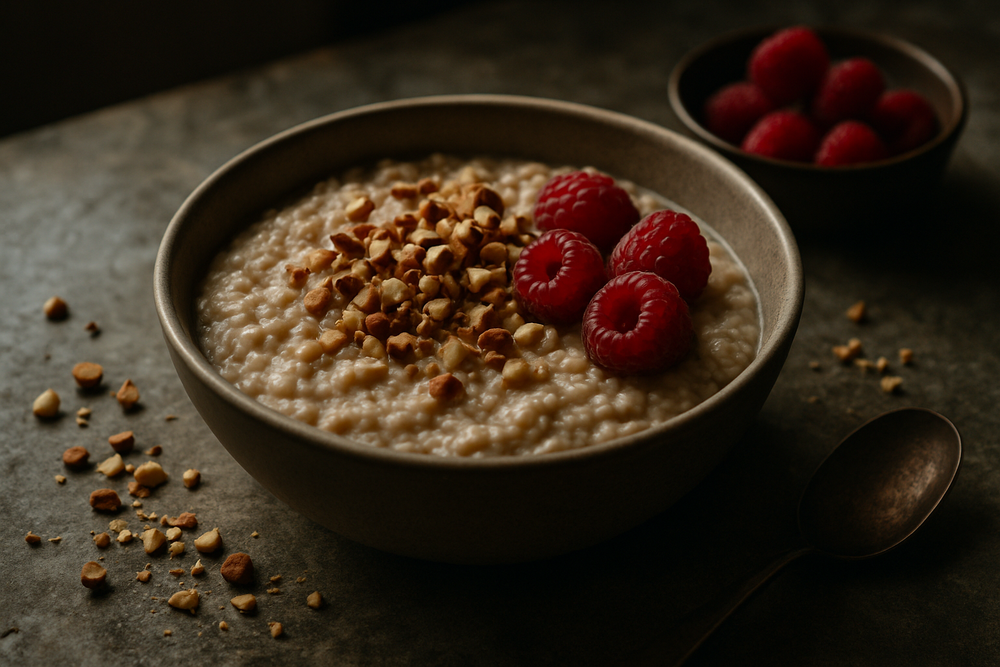
Hazelnuts · Photograph
Hazelnuts (Corylus avellana) are nutrient-dense tree nuts that have been cultivated in Mediterranean regions for thousands of years. These small, round nuts pack an impressive nutritional punch, providing exceptional levels of vitamin E, heart-healthy monounsaturated fats, and bioactive polyphenols that research suggests may support cardiovascular health, reduce inflammation, and provide antioxidant protection.
Key Nutrients
% Daily Value based on 2,000 cal diet
Key active compounds
- Oleic acid: Comprises 76-83% of hazelnut fats, supporting cardiovascular health
- Vitamin E (α-tocopherol): Potent lipid-soluble antioxidant protecting cell membranes
- Gallic acid: Phenolic compound with anti-inflammatory and antioxidant properties
- Caffeic acid: Hydroxycinnamic acid supporting cellular protection mechanisms
- Flavan-3-ols: Including catechins and other flavonoids with vascular benefits
- L-arginine: Semi-essential amino acid supporting nitric oxide production
- β-sitosterol: Plant sterol that may help maintain healthy cholesterol levels
- Squalene: Lipid precursor with antioxidant and immune-supporting properties
Buying guide: Choosing quality hazelnuts
Fresh vs. processed options:
- Choose raw or dry-roasted varieties without added oils or salt
- Look for hazelnuts with intact skins when possible, as the skin contains concentrated polyphenols
- Avoid nuts that appear shriveled, discolored, or have an off odor
Storage considerations:
- Store in airtight containers in cool, dry conditions to prevent rancidity
- Refrigerate or freeze for longer-term storage, especially ground varieties
- Whole nuts in shells have the longest shelf life
Label reading tips:
- Check for "non-GMO" labeling, though hazelnuts are not commonly genetically modified
- Organic varieties may have fewer pesticide residues
- Avoid products with added sugars, artificial flavors, or excessive processing
Common pairings: Maximizing hazelnut benefits
With dark leafy greens: The healthy fats in hazelnuts enhance absorption of fat-soluble vitamins (A, D, E, K) from vegetables like spinach and kale. Try chopped hazelnuts on salads or in pesto.
With berries and stone fruits: The vitamin C in fruits may enhance the antioxidant activity of hazelnut polyphenols. Classic pairings include hazelnuts with apples, pears, or mixed berry compotes.
With whole grains: Combining hazelnuts with oats or quinoa provides complementary amino acids for complete protein, plus the nuts' healthy fats help slow carbohydrate absorption for better blood sugar stability.
Bottom line
Hazelnuts offer impressive hazelnut health benefits through their unique combination of vitamin E, monounsaturated fats, and bioactive polyphenols. The research suggests these nutrients work together to support cardiovascular health, provide antioxidant protection, and contribute to overall wellness when consumed as part of a balanced diet.
While human clinical trials specifically on hazelnuts remain limited, the nutritional profile aligns with established beneficial compounds found in Mediterranean dietary patterns. A daily serving of 1 ounce provides substantial nutrition with manageable calories, making hazelnuts a practical addition to most healthy eating plans.
As with all tree nuts, individual tolerance varies, and those with allergies should avoid hazelnuts entirely. For everyone else, incorporating these nutrient-dense nuts may be a simple way to boost antioxidant intake and support long-term health.
How Hazelnuts Compares
| Compared with | What's different |
|---|---|
| Hazelnuts vs. Almonds | Hazelnuts have significantly more Vitamin E and manganese, while almonds offer more calcium and protein. |
| Hazelnuts vs. Walnuts | Hazelnuts are rounder with a sweeter, buttery profile; walnuts have a bitter skin and more omega-3s. |
| Hazelnuts vs. Cashews | Hazelnuts have a crunchier texture and higher fiber; cashews are softer with a higher starch content. |
Health Benefits
Things to Know
Tree nut allergy: Hazelnuts can cause severe allergic reactions in sensitive individuals
Cross-reactivity: May trigger oral allergy syndrome in people with birch pollen allergies
Medication interactions: Vitamin K content may affect warfarin therapy if intake varies significantly
Caloric density: High calorie content requires portion awareness for weight management
Can be consumed any time of day
May be better tolerated with meals if you have sensitive digestion
Consider spacing away from medications that might interact with polyphenols
Pregnancy/breastfeeding: Generally safe in food amounts unless allergic
Children: Whole nuts pose choking hazard for children under 4 years
Elderly: Soft ground forms may be easier to chew and digest
Shop This Ingredient
Stock your pantry with quality hazelnuts.
Buy on AmazonAs an Amazon Associate, Plantopedia earns from qualifying purchases. This costs you nothing extra and helps us keep the encyclopedia free.
Frequently Asked Questions
Heart and circulation The health benefits of hazelnuts for cardiovascular support are primarily attributed to their exceptional monounsaturated fat profile and polyphenolic compounds. Oleic acid, comprising up to 83% of hazelnut fats, is the same heart-healthy fat found in olive oil and associated with Mediterranean diet benefits. Research suggests that the combination of oleic acid, plant sterols like β-sitosterol, and L-arginine may support healthy cholesterol profiles and endothelial function. The polyphenolic compounds, including gallic acid and caffeic acid, provide additional antioxidant protection that may help prevent LDL cholesterol oxidation—a key factor in atherosclerosis development. Digestive health and microbiome Hazelnuts provide nearly 10 grams of dietary fiber per 100-gram serving, supporting both digestive regularity and gut microbiome health. This combination of soluble and insoluble fiber helps promote healthy bowel movements while serving as prebiotic fuel for beneficial gut bacteria. The fiber content also contributes to satiety and may help with portion control when hazelnuts are included as part of balanced meals or snacks. Blood sugar and metabolism While direct human studies on hazelnuts and blood sugar control are limited, their nutritional profile suggests potential metabolic benefits. The low net carbohydrate content combined with high fiber, protein, and healthy fats may help slow glucose absorption and support stable blood sugar levels. The presence of L-arginine and various polyphenolic compounds may also support healthy insulin sensitivity, though more research is needed to establish definitive effects on glucose metabolism. Inflammation and recovery Hazelnuts provide multiple anti-inflammatory compounds that may help support the body's natural recovery processes. Vitamin E acts as a primary defense against lipid peroxidation, while polyphenols like gallic acid and caffeic acid have been studied for their ability to modulate inflammatory pathways. The high manganese content (268% Daily Value) is particularly important for superoxide dismutase function, a key antioxidant enzyme that helps neutralize free radicals and support cellular recovery.
Raw whole kernels preserve all heat-sensitive nutrients and provide maximum antioxidant bioavailability. Turkish Tombul and Italian varieties are most studied for their polyphenolic content. Roasted hazelnuts offer improved digestibility and enhanced flavor, making them more palatable for many people. While some heat-sensitive compounds may be reduced, roasted hazelnuts still provide significant nutritional benefits. Hazelnut oil concentrates the fat-soluble nutrients and can be used both culinary and therapeutically. Cold-pressed varieties retain more polyphenolic compounds than refined oils. Ground hazelnut flour works well for gluten-free baking applications but may have reduced shelf stability due to increased surface area exposure.
Optimal daily amount: 23-30 grams (about 1 ounce or 23-25 whole kernels) provides cardiovascular benefits based on Mediterranean diet research. This serving delivers approximately 188 calories and significant amounts of vitamin E, copper, and manganese. Starting recommendations: Begin with 10-15 hazelnuts (about half an ounce) daily if you're new to tree nuts, then gradually increase. This allows your digestive system to adapt to the fiber and fat content. Upper limits: No formal toxicity levels exist for hazelnuts. Research has safely used amounts up to 100+ grams daily, though such quantities would provide excessive calories for most people (over 600 calories per 100g). Timing flexibility: Can be eaten as snacks, added to meals, or incorporated into recipes. The high satiety factor makes them effective between meals for appetite control.
Quick Answers
Common questions, answered in a line.
Hazelnuts are rich in vitamin E, oleic acid, gallic acid, caffeic acid, flavan-3-ols, L-arginine, β-sitosterol, and squalene. These active compounds work together to support cardiovascular health, provide antioxidant protection, and reduce inflammation.
Hazelnuts are high in oleic acid and L-arginine, which support cardiovascular health and nitric oxide production. They also contain β-sitosterol, a plant sterol that may help maintain healthy cholesterol levels.
Hazelnuts should be stored in airtight containers in cool, dry conditions to prevent them from becoming rancid. For long-term storage, especially for ground varieties, it is recommended to refrigerate or freeze them.
Eating hazelnuts with dark leafy greens like spinach or kale can help your body absorb fat-soluble vitamins such as A, D, E, and K. The healthy fats in the nuts act as a carrier for these essential nutrients.
Yes, people with birch pollen allergies may experience cross-reactivity known as oral allergy syndrome when consuming hazelnuts. Additionally, individuals taking warfarin should be mindful of their intake as the vitamin K content may affect their therapy.
Whole hazelnuts pose a significant choking hazard and should not be given to children under the age of four. For elderly individuals, soft ground forms of the nut may be easier to chew and digest.
When buying hazelnuts, look for raw or dry-roasted varieties that have their skins intact, as the skin contains concentrated polyphenols. Avoid nuts that appear shriveled, discolored, or have an off odor.
For Readers in the USA
Local context — sourcing, seasonality, and regional notes.
Oregon produces approximately 99 percent of the entire U.S. hazelnut crop, with most orchards located in the fertile Willamette Valley. The harvest typically occurs each fall between September and October, ensuring the freshest domestic nuts are available in stores during the winter holiday season.
In the U.S., you can find hazelnuts at major retailers like Trader Joe's, Whole Foods, and Costco, as well as via specialized Oregon-based online farm shops. While often sold shelled and roasted year-round, whole in-shell hazelnuts are a seasonal staple in the produce section of most grocery stores during November and December.
The American hazelnut (Corylus americana) is a native wild variety found across the eastern U.S., though the larger European varieties (Corylus avellana) are what you typically find in American grocery stores. Many U.S. consumers also know them by the regional name 'filberts,' a term particularly common in the Pacific Northwest.
Look for the USDA Organic seal to ensure the hazelnuts were grown without synthetic pesticides, as US-grown conventional hazelnuts may be treated for pests like the hazelnut aphid. While the FDA does not require GMO labeling for hazelnuts because there are no GE varieties currently on the market, the USDA Organic certification also guarantees non-GMO status.
AI Clinical Review
- Hazelnuts are rich in monounsaturated fat (oleic acid) and vitamin E; regular nut intake is linked with better LDL cholesterol and other heart‑health markers when nuts replace less healthy calories. • The fiber, healthy fats, and protein support satiety and can blunt post‑meal glucose spikes when eaten with carbohydrate‑rich foods. • Polyphenols are concentrated in the papery skin; raw or minimally processed nuts preserve more heat‑sensitive nutrients. • Practical tips on choosing unsalted products and proper storage (cool, airtight) align with best practices to maintain quality.
- Direct, hazelnut‑specific trials on blood sugar control and insulin sensitivity are small and mixed; effects should be viewed as promising but not definitive. • Anti‑inflammatory and “antioxidant” benefits are biologically plausible, yet much of the data relies on short‑term biomarkers rather than long‑term clinical outcomes. • Compounds like β‑sitosterol, squalene, and L‑arginine are present, but typical serving amounts are below doses used in studies showing standalone effects. • Serving equivalence needs clarity: 100 g is roughly 3.5 oz (a large portion). The “23–25 kernels” figure corresponds to about 1 oz (28–30 g).
- A practical intake is ~1 oz daily (28–30 g; about 20–25 kernels), providing roughly 180–190 kcal. Larger daily amounts add calories quickly. • Allergy considerations: avoid if you have a tree‑nut allergy; birch‑pollen oral‑allergy syndrome can cause mouth/throat itching. Whole nuts are a choking hazard for young children. • If you use warfarin, keep vitamin K intake consistent and discuss any sustained dietary changes with your clinician. • Form matters: whole nuts (especially with skins) supply fiber and more polyphenols; oils provide the fats but not fiber and fewer phytonutrients. Light roasting is fine for taste, but refrigerate or freeze to reduce rancidity.
Mention allergy context where appropriate; keep serving size realistic.
References
- USDA FoodData Central hazelnut nutrition profile (fdc.nal.usda.gov)
- Mediterranean diet and cardiovascular health research (heart.org)
- Vitamin E and antioxidant function studies (ods.od.nih.gov)
- Tree nut allergy information (foodallergy.org)
- Polyphenolic compounds in hazelnuts (pmc.ncbi.nlm.nih.gov)
- Oleic acid and cardiovascular health (ncbi.nlm.nih.gov)
- Fiber and digestive health guidelines (mayoclinic.org)
- Plant sterols an
Know Your Numbers
Eating healthy is a start. Now get to know your biomarkers.
Food changes bloodwork — inflammation, lipids, blood sugar and nutrient status all respond to what you eat. 59 markers from $59.
- Results in 7–10 days at 2,000+ Quest sites
- Licensed provider reviews every result
- One flat price, no membership, HSA/FSA eligible
Educational information only, not medical advice. Panels are ordered and reviewed through our licensed partner; Plantopedia may earn a commission.