Lotus Seeds — health benefits and uses
Healthy fats, minerals, and texture; small-amount high-leverage add-in
The Short Answer
Lotus seeds, or makhana, are nutrient-dense seeds providing 4.1g of protein and 26% of your daily magnesium per cup. They are typically eaten puffed as a crunchy snack or boiled in soups and porridges.

Lotus Seeds · Photograph
Lotus seeds are the edible seeds of Nelumbo nucifera, the sacred lotus plant that grows across South and East Asia. You may know them by their popular names — makhana or fox nuts — especially in their puffed, popped form, which has become one of the fastest-growing health-snack categories worldwide. Whether you eat them in a bowl of congee, toss them into a curry, or grab a bag of roasted makhana at the checkout, understanding what they actually offer — and where the evidence is still thin — helps you use them well.
Key Nutrients
% Daily Value based on 2,000 cal diet
Key Active Compounds in Lotus Seeds
These are the plant chemicals (phytochemicals) that researchers believe are responsible for the health signals seen in laboratory studies:
- Gallic acid — A phenolic acid (a type of antioxidant molecule found in plant foods) that contributes to lotus seeds' free-radical scavenging capacity. Free radicals are unstable molecules that can damage cells over time.
- Ellagic acid — A polyphenol (another class of plant antioxidant) also found in pomegranates and berries. Lab studies link it to anti-inflammatory and potential anti-aging activity; human data on lotus seeds specifically are lacking.
- Kaempferol — A flavonoid (a broad family of plant pigments with antioxidant effects) that has shown anti-inflammatory activity in preclinical research.
- Other flavonoids — A range of additional plant polyphenols that may modulate oxidative stress and inflammatory signalling in experimental models.
- Alkaloids — Nitrogen-containing plant compounds that can be pharmacologically active. In lotus seeds, alkaloids are described in reviews as potentially neuroprotective, though food-level relevance is uncertain.
- Saponins — Glycoside compounds (sugar-linked molecules) found in many legumes and seeds. In animal and cell studies, saponins from lotus seeds have shown possible cholesterol-modulating effects.
Important context: Most evidence for these compounds comes from cell-culture and animal research. Eating a serving of lotus seeds delivers food-level amounts of these compounds — not the concentrated extract doses used in many lab studies.
Prep and Pairing Ideas
Lotus seeds are genuinely versatile. Here are three practical pairings that make nutritional sense:
1. Lotus seeds + ginger + tofu in a light broth Ginger provides its own anti-inflammatory ginger ols; tofu adds complete soy protein. Together with lotus seeds, you get a mineral-rich, low-fat, protein-balanced meal in a single bowl — a classic combination in East Asian cuisine that also happens to tick whole-food plant-based boxes.
2. Popped makhana + turmeric + a drizzle of olive oil (as a seasoned snack) Tossing plain popped lotus seeds with a pinch of turmeric (a curcumin source with its own antioxidant research) and a small amount of olive oil gives you a satisfying crunchy snack. The fat from olive oil also aids absorption of fat-soluble plant compounds. Keep oil to about half a teaspoon per cup to maintain the low-fat profile.
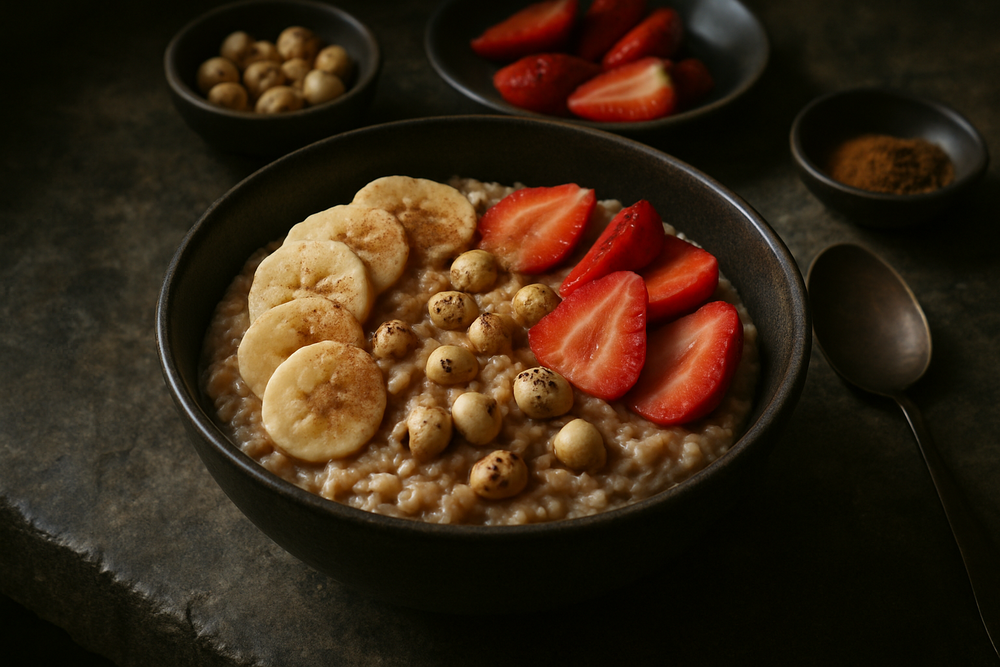
3. Soaked lotus seeds + oats or congee as a breakfast porridge Soaking dried lotus seeds overnight and stirring them into oats or rice congee creates a mineral-rich, slow-digesting breakfast. The resistant starch in lotus seeds pairs with the soluble fibre in oats, supporting satiety and gentle blood-sugar response through the morning.
How Lotus Seeds Compares
| Compared with | What's different |
|---|---|
| Lotus Seeds vs. Popcorn | Higher in fat and calories but lower in magnesium and phosphorus than lotus seeds. |
| Lotus Seeds vs. Cashews | Higher in protein and healthy fats, whereas lotus seeds are starchier and lower in fat. |
Health Benefits
Things to Know
Allergy awareness: Specific lotus seed allergy reports are rare, but lotus is a seed, and theoretical cross-reactivity with tree nuts, other seeds, or legumes is possible. If you have a severe food allergy history, introduce lotus seeds in a small amount and monitor for any reaction.
Kidney disease: Dried lotus seeds are high in potassium (~1,368 mg/100 g). If you have chronic kidney disease or are on a potassium-restricted diet, discuss serving size with your clinician or dietitian before eating them regularly.
Diabetes medications: Lotus seeds are a low-GI starch-rich food. In normal snack portions, the risk of interaction with insulin or oral hypoglycaemic drugs is low, but if you significantly increase intake, mention it to your diabetes care team.
Blood pressure medications: High potassium intake from any food source — including lotus seeds — can theoretically interact with ACE inhibitors, ARBs (two types of blood pressure drugs), or potassium-sparing diuretics. Typical snack servings are unlikely to be clinically significant, but very large or frequent amounts are worth flagging.
Pregnancy: Eating lotus seeds as food in normal culinary amounts is traditional and generally viewed as safe. High-dose extracts or supplements have not been studied in pregnancy and should be avoided without professional guidance.
GI tolerance: Like other starchy, fibre-containing foods, eating a very large amount in one sitting may cause temporary bloating or gas. Starting with a modest half-cup portion is sensible.
Shop This Ingredient
Stock your pantry with quality lotus seeds.
Buy on AmazonAs an Amazon Associate, Plantopedia earns from qualifying purchases. This costs you nothing extra and helps us keep the encyclopedia free.
Frequently Asked Questions
Heart health and blood pressure Lotus seeds are a naturally low-fat, low-sodium, high-potassium food — a combination that aligns well with dietary patterns associated with healthier blood pressure, such as the DASH diet (Dietary Approaches to Stop Hypertension). The high potassium-to-sodium ratio is the most straightforwardly evidence-supported angle here. Animal studies suggest lotus seed components may improve blood lipid profiles (cholesterol and triglycerides), and several reviews highlight promising preclinical data. However, there are currently no controlled human trials specifically testing lotus seed consumption on cardiovascular outcomes. For now, the best honest claim is that lotus seeds can fit comfortably into a heart-conscious eating pattern — they are not a treatment for high blood pressure or heart disease. Digestive health and microbiome Lotus seeds provide complex carbohydrates and some resistant starch — a type of starch that resists digestion in the small intestine, reaching the colon where it can feed beneficial gut bacteria. Traditional medicine systems across Asia have long used lotus seeds for digestive concerns, including chronic loose stools. From a modern evidence standpoint, the fibre and complex carbohydrate content can reasonably support satiety (feeling full) and digestive regularity. There are no high-quality human trials directly studying lotus seeds' effects on the gut microbiome (the community of bacteria in your digestive tract), bowel habits, or conditions like IBS. Treat digestive claims as plausible-but-not-proven. Blood sugar and metabolism Dried lotus seeds have a reported glycemic index of approximately 45, placing them in the low-GI category. For context, white bread is typically around 70–75. The combination of low GI, some protein, and complex carbohydrates means lotus seeds are unlikely to cause sharp blood sugar spikes, making them a sensible snack option for people managing their glucose. Research articles including Healthline's review of makhana note this potential benefit but are clear that supporting evidence is based on nutrient profiles and animal studies rather than direct human trials. People with diabetes should not treat lotus seeds as a therapeutic food — but swapping higher-GI snacks for plain lotus seeds is a reasonable, low-risk dietary move. Inflammation and recovery The gallic acid, ellagic acid, kaempferol, flavonoids, alkaloids, and saponins in lotus seeds all demonstrate antioxidant and anti-inflammatory activity in lab and animal models. Reviews classify lotus seeds as an antioxidant-rich functional food. The real-world translation: eating lotus seeds contributes additional dietary antioxidants within a varied, plant-rich diet. There are no well-designed human trials showing that lotus seed intake specifically reduces inflammatory markers or clinical inflammatory conditions. The anti-inflammatory story is promising but firmly preclinical for now. Hormones and cycle health Traditional systems — including Ayurveda and East Asian medicine — have used lotus seeds for kidney health, reproductive vitality, and sleep support. Modern pharmacological reviews acknowledge broad bioactivity but provide minimal human clinical data on hormonal endpoints such as sex hormones, thyroid function, or menopausal symptoms. Any hormone-related benefit of lotus seeds is currently rooted in tradition and theory rather than clinical evidence.
The answer depends on what you are optimising for. Plain dried lotus seeds are the base form used in most nutrient databases. They can be soaked and cooked into soups, stews, curries, or porridge. Nutrient-dense and minimally processed. Popped / roasted makhana (the crunchy snack form) has a very similar nutrient profile to dried seeds per gram. The key variable is what has been added. Plain air-popped or minimally seasoned makhana is an excellent whole-food snack. Many commercial bags add significant amounts of oil, salt, or flavourings — check the ingredients label. Boiled or fresh lotus seeds have a softer texture and slightly lower calorie density per cup due to higher water content. Widely used in Asian soups and congee. A gentle, easy-to-digest option. Lotus seed paste (used in mooncakes and Asian pastries) retains some minerals and phytochemicals from the seeds but is typically loaded with added sugar and fat. The dessert context dominates the nutritional picture. Lotus seed flour is an emerging ingredient in gluten-free and high-protein food products. Data on this form are mostly from small food-science studies. Concentrated extracts (capsules, tinctures) are discussed in pharmacological reviews and traditional medicine contexts. Dosing, standardisation, and safety data for human use are sparse. These should not be conflated with culinary use.
There is no clinically established therapeutic dose for lotus seeds. The evidence base does not yet support a specific "prescription" amount. A practical food-first framework: Snack serving: Half a cup to one cup of dried or lightly popped seeds (15–32 g) is a realistic and commonly suggested snack portion. At 32 g, that is roughly 106 calories and 4.9 g of protein. Frequency: A few times per week as part of a varied diet is a sensible rhythm. Daily is fine if your overall diet is balanced, but variety across different seeds, nuts, and legumes gives you a broader nutrient spread. Start low: If lotus seeds are new to you, begin with a quarter cup to gauge digestive tolerance. Watch the add
Quick Answers
Common questions, answered in a line.
Lotus seeds are the edible seeds of the Nelumbo nucifera, a sacred lotus plant native to South and East Asia. Often called makhana or fox nuts, they are frequently consumed in their puffed or popped form as a popular global health snack.
Lotus seeds contain several key antioxidants, including gallic acid, ellagic acid, kaempferol, and various other flavonoids. These plant chemicals are associated with free-radical scavenging and anti-inflammatory activity, though most research currently exists at the laboratory and animal study level.
Individuals with chronic kidney disease should consult a clinician before eating lotus seeds due to their high potassium content. Every 100 grams of dried lotus seeds contains approximately 1,368 mg of potassium, which may need to be restricted for those with kidney health concerns.
Lotus seeds are best prepared by soaking them overnight for porridge, tossing popped makhana with turmeric and olive oil, or simmering them with ginger and tofu in a light broth. These methods help maintain a low-fat profile while pairing the seeds with complementary anti-inflammatory ingredients.
Lotus seeds can theoretically interact with blood pressure medications like ACE inhibitors, ARBs, or potassium-sparing diuretics because of their high potassium levels. While typical snack portions are unlikely to be significant, consuming very large amounts should be discussed with a healthcare provider.
Eating lotus seeds in normal culinary amounts during pregnancy is traditional and generally considered safe. However, pregnant individuals should avoid high-dose lotus seed extracts or supplements, as these forms have not been sufficiently studied.
Lotus seeds are considered a low-glycemic (low-GI) starch-rich food that supports a gentle blood-sugar response. When paired with high-fiber foods like oats, their resistant starch can help maintain satiety and steady energy levels throughout the morning.
For Readers in the USA
Local context — sourcing, seasonality, and regional notes.
Popped lotus seeds, often labeled as "Makhana," are now widely available at major U.S. retailers like Whole Foods, Sprouts, and Costco, as well as specialty Indian and Asian grocery stores. You can find them in the snack aisle alongside popcorn or in the bulk sections of international markets.
While the sacred lotus can grow in USDA hardiness zones 4–11, most edible lotus seeds sold in the U.S. are imported from India or China, as large-scale domestic commercial production for food is limited. You may find fresh lotus pods seasonally at specialized farmers markets in warmer regions like California, Florida, or the Gulf Coast.
In U.S. retail, lotus seeds are typically sold as "Makhana" (puffed/popped), "Fox Nuts," or simply "Lotus Seeds" (dried or canned), often found in the "International" or "Natural Foods" aisles. Ensure you check for the USDA Organic seal if you are looking for seeds grown without synthetic pesticides, as many imported brands now seek this certification.
AI Clinical Review
- Accurately presents lotus seeds (makhana) as a low‑fat, low‑sodium, potassium‑rich snack with modest plant protein, aligning with nutrient database reports.
- Notes a low glycemic index (~45) and explains why plain, minimally seasoned forms are reasonable for glucose‑friendly snacking.
- Clearly distinguishes food‑level intake from concentrated extracts and emphasizes that most bioactive findings (polyphenols, saponins, alkaloids) come from preclinical work.
- Gives practical form-by-form guidance and flags how added oils, salt, and sugars can outweigh nutritional benefits.
- Cardiometabolic benefits (blood pressure, cholesterol, glucose/A1c) lack controlled human trials; current support is nutrient-profile logic plus animal/cell studies.
- Anti‑inflammatory, neuroprotective, and hormone/cycle claims are theoretical or traditional; human endpoints have not been tested in rigorous trials.
- Digestive and microbiome effects are plausible via resistant starch/fiber, but fiber content varies by processing and clinical data are sparse.
- Reported GI and mineral values can vary by preparation (boiled vs popped, added fat/salt), so real‑world effects may differ from database estimates.
- Portion guidance: a practical snack is ~1/2–1 cup (15–32 g) of plain dried or popped seeds—about 100 kcal at 32 g; there is no established therapeutic dose.
- Potassium caution: people with chronic kidney disease or those taking ACE inhibitors/ARBs or potassium‑sparing diuretics should review regular intake with a clinician.
- For diabetes: choose plain/unsweetened versions and monitor glucose when changing snacks; lotus seeds complement—do not replace—medical therapy.
- Form and tolerance matter: many commercial makhana add oils/salt; opt for plain or lightly seasoned. Start with a small amount if you have sensitive digestion or food‑allergy history, and avoid high‑dose extracts in pregnancy.
Mention allergy context where appropriate; keep serving size realistic.
References
- PMC, National Library of Medicine — Lotus seeds (Nelumbinis semen) as an emerging therapeutic seed: A comprehensive review (pmc.ncbi.nlm.nih.gov)
- PubMed — Nutritional composition of Zizyphus lotus L. seeds (pubmed.ncbi.nlm.nih.gov)
- PMC, National Library of Medicine — Comparison of Nutritional Quality and Functional Active Substances in Different Parts of Eight Lotus Seed Cultivars (pmc.ncbi.nlm.nih.gov)
- PMC, National Library of Medicine — Lotus Seeds: Current Molecular Biology Insights and Future Perspectives as a Prominent Biological Resource (pmc.ncbi.nlm.nih.gov)
- PubMed — Red-Skin Extracts of Lotus Seeds Alleviate High-Fat-Diet Induced Obesity via Regulating Lipoprotein Lipase Activity (pubmed.ncbi.nlm.nih.gov)
- PubMed — Comparison of Nutritional Quality and Functional Active Substances in Different Parts of Eight Lotus Seed Cultivars (pubmed.ncbi.nlm.nih.gov)
- Springer — Client Challenge (link.springer.com)
- University of Rochester Medical Center — Content - Health Encyclopedia - URochester Medicine (urmc.rochester.edu)
- MDPI — 1424 8247 (mdpi.com)
Know Your Numbers
Eating healthy is a start. Now get to know your biomarkers.
Food changes bloodwork — inflammation, lipids, blood sugar and nutrient status all respond to what you eat. 59 markers from $59.
- Results in 7–10 days at 2,000+ Quest sites
- Licensed provider reviews every result
- One flat price, no membership, HSA/FSA eligible
Educational information only, not medical advice. Panels are ordered and reviewed through our licensed partner; Plantopedia may earn a commission.