Macadamia Nuts — health benefits and uses
Healthy fats, minerals, and texture; small-amount high-leverage add-in
The Short Answer
Macadamia nuts are highly nutritious tree nuts containing 21.5g of total fat and 16.5g of heart-healthy monounsaturated fats per one-ounce serving. They are excellent sources of manganese, copper, and thiamin, supporting metabolic health and providing a rich

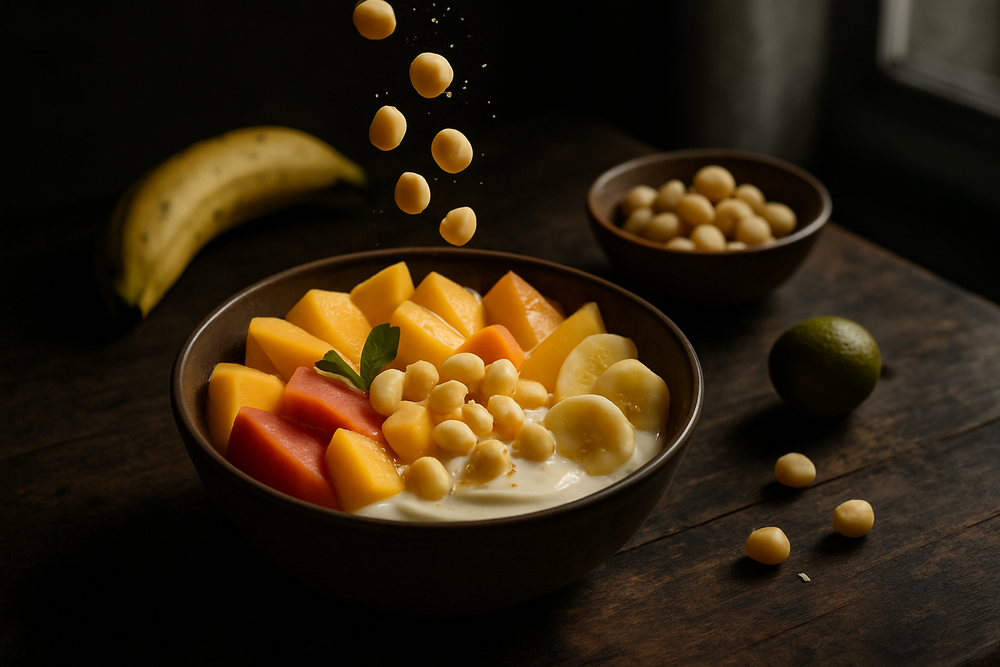
Macadamia Nuts · Photograph
Macadamia nuts (Macadamia integrifolia) are creamy, buttery tree nuts originally from Australia that have gained attention for their unique nutritional profile. Rich in heart-healthy monounsaturated fats and essential minerals, these premium nuts offer several potential health benefits when eaten in appropriate portions as part of a balanced diet.
Key Nutrients
% Daily Value based on 2,000 cal diet
Key active compounds in macadamia nuts
Macadamias contain several bioactive compounds that contribute to their health-promoting properties:
- Monounsaturated fatty acids (MUFAs) - primarily oleic and palmitoleic acids that support heart health
- Omega-7 fatty acids - particularly palmitoleic acid, which may have anti-inflammatory effects
- Polyphenols - plant antioxidants that help protect against cellular damage
- Dietary fiber - supports digestive health and blood sugar stability
- Tocopherols - vitamin E compounds with antioxidant properties
- Phytosterols - plant compounds that may help manage cholesterol levels
Common pairings: How to use macadamia nuts
With fresh fruit: Pair macadamias with sliced apples, pears, or berries for a balanced snack that combines healthy fats with fiber and antioxidants. The nuts' richness complements the natural sweetness and helps slow sugar absorption.
In grain bowls and salads: Chopped macadamias add creamy texture and healthy fats to quinoa bowls, mixed greens, or roasted vegetable salads. They pair particularly well with tropical flavors like mango, avocado, and citrus dressings.
With dark chocolate: A small portion of macadamias with high-quality dark chocolate (70% cacao or higher) creates a satisfying treat that provides antioxidants from both ingredients while keeping portions naturally controlled due to richness.
Bottom line on macadamia nuts health benefits
Macadamia nuts offer a unique nutritional profile rich in heart-healthy monounsaturated fats, essential minerals, and beneficial plant compounds. While research specific to macadamias is somewhat limited, their composition suggests they share many of the cardiovascular and metabolic benefits seen with other tree nuts.
The key to gaining macadamia nuts health benefits lies in appropriate portion control—about 1 ounce daily—and using them to replace less healthy fats rather than simply adding them to your current intake. Their creamy texture and satisfying fat content make them a valuable tool for sustainable, plant-forward eating patterns.
For most people, macadamias can be a nutritious addition to a balanced diet, but those with tree nut allergies, certain medical conditions, or specific medication regimens should consult healthcare providers before adding them to their routine.
How Macadamia Nuts Compares
| Compared with | What's different |
|---|---|
| Macadamia Nuts vs. Almond | Significantly higher in monounsaturated fats and lower in protein than almonds. |
| Macadamia Nuts vs. Walnut | Higher in fat with a creamier texture compared to the earthy, tannic crunch of walnuts. |
| Macadamia Nuts vs. Cashew | Contains higher levels of monounsaturated Omega-7 fatty acids and has a firmer bite. |
Health Benefits
Things to Know
Tree nut allergy warning: Macadamia nuts can cause severe allergic reactions in people with tree nut allergies. Symptoms can range from mild mouth itching to life-threatening anaphylaxis. Avoid if you have known nut allergies.
Medication interactions: The vitamin E and vitamin K content may interact with blood-thinning medications like warfarin. Consult your healthcare provider if you take anticoagulants before significantly increasing intake.
Calorie density: At 200 calories per ounce, macadamias are energy-dense. People managing their weight should account for these calories and consider using them to replace other fats rather than adding them on top of current intake.
Digestive tolerance: The high fat content may cause digestive discomfort in some people, especially when eating large amounts. Start with smaller portions if you're sensitive to high-fat foods.
Choking risk: Whole nuts can pose a choking hazard for young children. Consider nut butters or finely chopped forms for children under 4 years old.
Shop This Ingredient
Stock your pantry with quality macadamia nuts.
Buy on AmazonAs an Amazon Associate, Plantopedia earns from qualifying purchases. This costs you nothing extra and helps us keep the encyclopedia free.
Frequently Asked Questions
Heart and circulation Macadamia nuts may support cardiovascular health through several mechanisms. Their high monounsaturated fat content can help improve blood lipid profiles when they replace saturated fats in the diet. Human studies suggest that macadamia-enriched diets may lower total and LDL (bad) cholesterol levels in people with elevated cholesterol. The nuts' favorable omega-3 to omega-6 fatty acid ratio and omega-7 content may also support healthy inflammation levels and blood vessel function. Large observational studies show that higher nut consumption is associated with reduced risk of coronary heart disease and all-cause mortality. Blood sugar and metabolism With only 4 grams of carbohydrates per serving and a low glycemic load, macadamia nuts may help stabilize blood sugar levels. Their combination of healthy fats, fiber, and protein can slow glucose absorption when eaten with meals, potentially reducing post-meal blood sugar spikes. Observational research links regular nut consumption with reduced risk of type 2 diabetes and metabolic syndrome. The monounsaturated fats in macadamias may also support insulin sensitivity when they replace refined carbohydrates in the diet. Digestive health and microbiome The 2 grams of fiber per serving supports digestive health by promoting regular bowel movements and feeding beneficial gut bacteria. The prebiotic fiber in macadamias may help improve gut microbiota diversity, which is linked to better overall health outcomes. The healthy fats also support the absorption of fat-soluble vitamins (A, D, E, K) and may promote bile flow, supporting efficient digestion. Inflammation and recovery Macadamias provide several compounds that may help manage inflammation. Their high manganese content supports antioxidant enzyme systems that help neutralize free radicals. The monounsaturated fats and polyphenols may also help reduce markers of systemic inflammation. Research suggests that roasting can actually increase the total polyphenol content by about 25%, potentially enhancing the nuts' antioxidant capacity.
Heart health seekers: People looking to improve their cardiovascular risk profile may benefit from replacing saturated fats with macadamias. The nuts' MUFA profile makes them particularly valuable for those following Mediterranean-style or heart-healthy eating patterns. Active individuals: Athletes and physically active people can use macadamias as a concentrated energy source that provides sustained fuel. The combination of healthy fats and minerals supports recovery and energy metabolism during training. Plant-based eaters: Those following vegetarian or vegan diets can use macadamias to add healthy fats, minerals, and plant protein to meals. They're particularly useful for increasing the caloric density of plant-based meals while providing essential nutrients that can be harder to obtain from plants alone.
Both raw and roasted macadamia nuts offer similar nutritional benefits, with some interesting differences: Raw macadamia nuts provide the complete nutrient profile with minimal processing. They have a milder, creamier taste and slightly softer texture. All the beneficial fats, minerals, and fiber remain intact. Dry-roasted macadamia nuts actually show increased polyphenol availability and oxidative stability compared to raw nuts. The roasting process can enhance flavor and aroma while maintaining the beneficial fatty acid profile. Choose unsalted or lightly salted varieties to avoid excess sodium. Oil-roasted or heavily salted varieties may contain added oils or excessive sodium, making them less optimal for health goals. Always read labels and choose products with minimal added ingredients. The choice often comes down to personal preference, as both forms can be part of a healthy diet when eaten in appropriate portions.
Standard serving: About 1 ounce (28 grams) or 10-12 nuts per day is a realistic portion that provides health benefits without excessive calories. This amount delivers the beneficial fats and minerals while fitting into most eating plans. For heart health: Studies showing cardiovascular benefits typically use 1-2 ounces of mixed nuts daily. If macadamias are your primary nut source, aim for the lower end of this range due to their higher calorie density. Start small: If you're new to eating nuts regularly, begin with half a serving (5-6 nuts) and gradually increase to assess tolerance and fit within your overall calorie needs. Timing considerations: Macadamias work well as part of meals or snacks, particularly when paired with lower-calorie, high-fiber foods. Avoid eating them on an empty stomach if you're prone to digestive sensitivity.
Quick Answers
Common questions, answered in a line.
Macadamia nuts are a rich source of monounsaturated fatty acids (MUFAs), specifically oleic and palmitoleic acids, which are known to support heart health. These nuts also contain dietary fiber for digestion, polyphenols and tocopherols for antioxidant protection, and phytosterols which may assist in managing cholesterol levels.
Macadamia nuts contain omega-7 fatty acids, particularly palmitoleic acid, which may have anti-inflammatory effects. This bioactive compound works alongside polyphenols and vitamin E (tocopherols) to help protect the body against cellular damage and inflammation.
Macadamias can support blood sugar stability due to their dietary fiber content and healthy fat profile. When paired with items like fresh fruit, the richness of the nuts' fats helps slow down the absorption of natural sugars.
Macadamia nuts can be a valuable tool for weight management when used as a replacement for less healthy fats rather than as an addition to your current intake. Because they are energy-dense at 200 calories per ounce, practicing strict portion control is essential.
People taking blood-thinning medications like warfarin should consult a healthcare provider before increasing their intake of macadamias. This is because the vitamin E and vitamin K content in the nuts can potentially interact with anticoagulant treatments.
Macadamia nuts are highly versatile and can be added to quinoa bowls, mixed green salads, or roasted vegetables to provide a creamy texture. They also pair well with sliced apples and berries for a balanced snack or with 70% dark chocolate for an antioxidant-rich treat.
Whole macadamia nuts pose a potential choking hazard for children under the age of four. For younger children, the article suggests using finely chopped nuts or nut butters as a safer alternative.
For Readers in the USA
Local context — sourcing, seasonality, and regional notes.
Hawaii is the primary commercial producer of macadamia nuts in the United States, followed by southern California. While they are harvested year-round in Hawaii due to the tropical climate, the peak season typically runs from July through March.
You can find macadamia nuts at major U.S. grocery chains like Costco, Whole Foods Market, and Trader Joe's, often sold in the snack or baking aisles. Specialized retailers and natural food stores usually stock various formats, including raw, dry-roasted, and sea-salted varieties.
The "USDA Organic" seal on macadamia nut packaging ensures the nuts were grown without synthetic fertilizers or prohibited pesticides. American consumers should also look for "Grade A" labels, which indicate high-quality, uniform kernels as defined by USDA standards.
In the United States, macadamia nuts are frequently sold in "Hawaiian Style" mixes or as the star ingredient in chocolate-covered confectionery and white chocolate chip cookies. They are also increasingly popular as a "Keto-friendly" snack due to their high fat and low carbohydrate content.
AI Clinical Review
- Highlights macadamia nuts’ very high monounsaturated fat (MUFA) content and explains how swapping them for saturated fats can improve cholesterol profiles—consistent with nut and heart-health research.
- Accurately notes their nutrient density (manganese, copper, thiamin) and calorie density, encouraging portion awareness around ~1 oz (10–12 nuts).
- Describes their low carbohydrate load and how pairing fats/fiber with meals can blunt post‑meal glucose rises—helpful for blood sugar management.
- Clarifies that both raw and dry‑roasted (unsalted) macadamias can fit a healthy pattern; added oils/salt are the concern, not the nut itself.
- Much of the health narrative for macadamias is inferred from broader tree‑nut studies; macadamia‑specific randomized trials are fewer and smaller, so effect sizes are less certain.
- Proposed benefits of omega‑7 (palmitoleic acid) on inflammation and metabolism are preliminary; human data are limited and not yet definitive.
- The statement that roasting raises polyphenols by ~25% depends on cultivar and roast conditions; antioxidant changes with roasting are variable.
- Inflammation claims tied to an “omega‑3:omega‑6 ratio” can oversimplify biology; macadamias are low in omega‑6 but are not a meaningful omega‑3 source.
- Dose and calories: A practical range is 0.5–1 oz/day (5–12 nuts). They’re satiating but energy‑dense; use them to replace, not add to, other fats/snacks.
- Protein/fiber expectations: Compared with many nuts, macadamias are lower in protein (~2 g/oz) and have modest fiber (~2 g/oz). Pair with fiber‑rich foods if using as a snack.
- Safety: Avoid if you have a tree‑nut allergy; whole nuts are a choking risk for young children. Macadamia nuts are toxic to dogs—keep out of pets’ reach.
- Medications: Macadamias contain vitamin E (and small amounts of vitamin K). If you take anticoagulants (e.g., warfarin) or high‑dose vitamin E, keep intake consistent and check with your clinician.
Mention allergy context where appropriate; keep serving size realistic.
References
- USDA FoodData Central - Macadamia nuts, raw nutritional data (fdc.nal.usda.gov)
- Harvard T.H.
Know Your Numbers
Eating healthy is a start. Now get to know your biomarkers.
Food changes bloodwork — inflammation, lipids, blood sugar and nutrient status all respond to what you eat. 59 markers from $59.
- Results in 7–10 days at 2,000+ Quest sites
- Licensed provider reviews every result
- One flat price, no membership, HSA/FSA eligible
Educational information only, not medical advice. Panels are ordered and reviewed through our licensed partner; Plantopedia may earn a commission.