Melon Seeds — health benefits and uses
Healthy fats, minerals, and texture; small-amount high-leverage add-in
The Short Answer
Melon seeds are nutrient-dense snacks rich in plant protein, unsaturated fats, and minerals like magnesium. While watermelon seeds are most common, seeds from cantaloupe and honeydew are also edible and contain beneficial antioxidants.

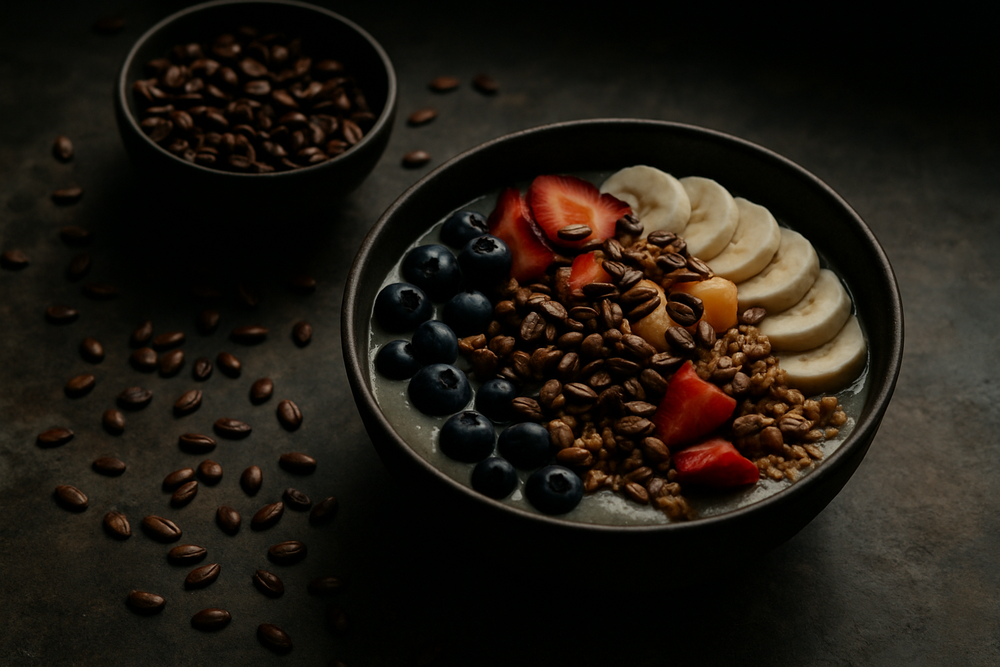
Melon Seeds · Photograph
Most people either swallow melon seeds without thinking or diligently spit them out. It turns out both habits are worth reconsidering. Melon seeds — most commonly from watermelon (Citrullus lanatus), but also from cantaloupe, honeydew, and related species in the Cucurbitaceae family — are small, energy-dense seeds packed with plant protein, unsaturated fats, and an impressive lineup of minerals. They have been eaten deliberately as a snack food across Africa, Asia, and the Middle East for centuries, and food scientists are now catching up with what traditional cooks already knew.
Key Nutrients
% Daily Value based on 2,000 cal diet
Key active plant compounds (phytochemicals)
- Phenolic acids — Plant-derived antioxidants (e.g., ferulic acid, caffeic acid) found in watermelon seed extracts; may help modulate oxidative stress and inflammation at the cellular level.
- Flavonoids — A broad family of polyphenols (plant pigments with antioxidant properties) present in measurable amounts in melon seed extracts; linked in broader research to vascular and immune support.
- Cucurbitacins — Triterpenoids (a class of plant chemicals with complex ring structures) unique to the Cucurbitaceae family; show anti-inflammatory and anti-proliferative effects in lab models, though their relevance at typical snack-sized intakes in humans is not yet established.
- Lanatusosides C and D — Phenolic glycosides (sugar-bound plant compounds) isolated specifically from watermelon seeds; show early anti-tumour activity in cell studies only — not yet studied in people.
- Tannins — Polyphenols that give seeds an astringent quality; have antioxidant properties but can slightly reduce protein and mineral absorption.
- Phytates (phytic acid) — Phosphorus-storage molecules in seeds; act as antioxidants but can bind iron, zinc, and other minerals and limit how much your body absorbs. Soaking, sprouting, or roasting can reduce phytate levels modestly.
- Oxalates — Organic acids that bind calcium; present in watermelon seeds and relevant for people prone to calcium-oxalate kidney stones.
Buying guide: what to look for
Roasted and shelled vs. whole: Shelled (hull removed) seeds are easier to digest, softer to chew, and more suitable for topping dishes. Whole seeds with the hull intact offer more fibre but are quite hard — not suitable for young children.
Salt content: Check the label. Some commercial roasted melon seeds are heavily salted; target products with less than 100 mg sodium per serving (roughly 28 g) if you eat them regularly.
Organic and food-safe sourcing: Oil-rich seeds can absorb contaminants if stored poorly. Buy from reputable suppliers with clear best-before dates. Store in an airtight container in a cool, dry place — or refrigerate after opening to prevent the unsaturated fats from going rancid.
Sprouted products: Increasingly available in health food stores and online. Check that they are fully dried before purchase; residual moisture raises mould risk.
Seed flour: Look for products that disclose the protein content per serving. Watermelon seed flour added at 10–15% of total flour in a recipe gives a measurable protein and mineral boost without dramatically altering texture.
How Melon Seeds Compares
| Compared with | What's different |
|---|---|
| Melon Seeds vs. Pumpkin Seeds | Larger, higher in zinc and iron, and usually eaten whole or sprouted. |
| Melon Seeds vs. Chia Seeds | Higher in fiber and mucilage, used for thickening rather than snacking. |
| Melon Seeds vs. Sunflower Seeds | Rich in Vitamin E and selenium with a softer, nuttier profile. |
Health Benefits
Things to Know
Allergy caution: Seed allergies are real. If you have a known allergy to pumpkin seeds, sunflower seeds, sesame, or melon fruit itself, speak to your doctor or allergist before trying melon seeds. Cross-reactivity is possible even though published case reports are few.
Young children: Whole, hard melon seeds pose a choking risk in children under 4–5 years. Use only finely ground seed flour or well-mashed seeds for young children.
Kidney stones: Watermelon seeds contain oxalates. If you have a history of calcium-oxalate kidney stones, discuss portion sizes with your healthcare provider.
Kidney disease: Melon seeds provide meaningful potassium and phosphorus. If you are on a potassium- or phosphorus-restricted diet due to kidney disease, account for melon seeds in your total daily mineral budget.
Iron or zinc deficiency: Phytates in melon seeds reduce absorption of non-haem iron and zinc. Do not rely on melon seeds as your primary correction strategy if you have a diagnosed deficiency; pair them with vitamin C-rich foods (which enhance non-haem iron absorption) and treat them as one component of a varied diet.
Calorie management: At ~158 kcal per 28 g, melon seeds are calorie-dense. A small handful is satisfying; eating them straight from a large bag can lead to significantly more than intended.
Medications and supplements: No specific drug interactions have been documented at typical dietary amounts. However, if you take potassium-sparing diuretics, ACE inhibitors, or ARBs (blood pressure medications), discuss all dietary potassium sources with your doctor. If you take magnesium, iron, or zinc supplements, count seeds in your total daily intake. As a general precaution, separate high-fibre, high-fat snacks from oral medications by at least one to two hours.
Pregnancy: Melon seeds are a whole food and are not specifically contraindicated in pregnancy, but as with all high-nutrient-density
Shop This Ingredient
Stock your pantry with quality melon seeds.
Buy on AmazonAs an Amazon Associate, Plantopedia earns from qualifying purchases. This costs you nothing extra and helps us keep the encyclopedia free.
Frequently Asked Questions
The evidence base for melon seeds specifically is early-stage. Benefits below are either inferred from their nutrient composition and the broader nuts-and-seeds literature, or come from lab and animal research. Where human trials exist, they are noted. Heart and circulation Melon seeds are high in unsaturated fats — the type the American Heart Association associates with reduced LDL ("bad") cholesterol when they replace saturated fats. A small 4 g handful of roasted watermelon seeds provides roughly 1.4 g of unsaturated fatty acids and 21 mg of magnesium, a mineral linked to healthy blood pressure. The seeds also contain linoleic acid (an essential omega-6 fatty acid) and other polyunsaturated fats in proportions similar to other heart-supportive seeds like pumpkin and sunflower. However, no well-controlled human trial has directly tested melon seed intake against blood lipids, blood pressure, or cardiovascular events. The heart-health case rests on nutrient profile and the general seed literature, not on clinical outcomes specific to melon seeds. Digestive health and gut support Whole, unhulled melon seeds are meaningfully fibrous, and roasted or sprouted versions still contribute some fibre to the diet. Across many cultures, watermelon seeds have been used traditionally to support digestion and ease constipation. In practice, adding fibre-containing seeds to meals can help with stool bulk and gut regularity — but again, no controlled human trial has measured gut outcomes specifically from melon seed intake. If you are new to eating seeds, start with a small amount to give your digestive system time to adjust. Blood sugar and metabolic health Melon seeds are low in carbohydrates and rich in protein, healthy fats, and magnesium — three dietary factors that can help slow carbohydrate absorption and smooth post-meal blood sugar rises when eaten as part of a mixed meal. This effect is well-supported by the broader nuts-and-seeds literature. No randomised controlled trials have tested melon seeds specifically for fasting glucose, insulin sensitivity, or HbA1c (a three-month average blood sugar marker). For now, the most accurate framing is: melon seeds can be a smart swap for high-glycaemic snacks, but they are not a substitute for prescribed diabetes management. Inflammation and oxidative stress Watermelon seeds contain polyphenols, phenolic acids, flavonoids, tannins, and cucurbitacins, all of which show antioxidant and anti-inflammatory activity in cell and animal models. One study even measured meaningful antioxidant capacity in watermelon seed protein concentrate using a standard ABTS assay (a laboratory test that measures how well a substance neutralises free radicals). These are promising signals, but inflammatory benefits — such as reductions in CRP (C-reactive protein, a blood marker of inflammation) — have not yet been tested in human participants eating melon seeds. Mineral density across the board This is the most evidence-solid benefit, supported by consistent compositional data: melon seeds are a concentrated source of magnesium, iron, zinc, phosphorus, potassium, copper, and manganese. For people eating a whole-food plant-based diet who want to cover their mineral bases, a regular small handful of roasted melon seeds is a practical and genuinely effective strategy. Public health guidelines from MyPlate and Harvard's Nutrition Source both highlight nuts and seeds as reliable mineral contributors in plant-forward eating patterns.
Each form has its place, and the "best" one depends on your goal and digestive tolerance. Roasted (whole or shelled): The most common snack form. Roasting improves flavour and crunch, is convenient, and may modestly reduce some antinutrients. Look for lightly salted or unsalted versions — heavily salted commercial roasted seeds can add up in sodium quickly. Sprouted: Soaking seeds for 8–12 hours and allowing them to sprout briefly before drying can lower phytate content, potentially improving how well your body absorbs zinc and iron. Sprouted seeds have a slightly softer texture. Human bioavailability data specific to sprouted melon seeds are limited, but the principle is well-established for seeds in general. Melon seed flour / meal: Ground seeds can be incorporated into baked goods — breads, muffins, protein balls — replacing a portion of wheat flour and boosting protein and mineral content. This is a practical approach for people who do not love eating seeds as a snack. Melon seed oil: Cold-pressed from the seeds; rich in polyunsaturated fatty acids and vitamin E. Most data on the oil are compositional rather than clinical, but it functions similarly to other light, polyunsaturated seed oils in cooking and dressings. Protein concentrate / powder: A research-stage ingredient made by defatting and concentrating the seed protein (achieving 80% protein in dry matter in some studies). Not yet widely available to consumers, but relevant to watch as plant-protein ingredients evolve.
Quick Answers
Common questions, answered in a line.
Melon seeds contain phenolic acids, flavonoids, and cucurbitacins, which act as plant-derived antioxidants to help modulate oxidative stress and inflammation. These compounds, including specific ones like lanatusosides, show early anti-inflammatory and immune-supporting potential in laboratory models.
Yes, you can eat the black seeds in watermelon, as they are energy-dense snacks packed with plant protein, unsaturated fats, and minerals. While many people spit them out, they have been eaten deliberately across Africa, Asia, and the Middle East for centuries.
Melon seeds contain oxalates and significant amounts of potassium and phosphorus, which may require portion control for those with kidney concerns. If you are on a mineral-restricted diet or have a history of calcium-oxalate kidney stones, you should consult a healthcare provider.
Choose shelled seeds if you want a softer texture that is easier to digest, or whole seeds if you prefer higher fiber content. When buying roasted versions, check the label to ensure they contain less than 100 mg of sodium per serving to avoid excessive salt intake.
Whole, hard melon seeds should not be given to children under 4 or 5 years old because they pose a significant choking risk. For young children, it is safer to use finely ground seed flour or well-mashed seeds integrated into other foods.
You should store melon seeds in an airtight container in a cool, dry place, or refrigerate them after opening to keep them fresh. Because they are rich in unsaturated fats, proper storage is essential to prevent the seeds from going rancid.
Melon seeds contain phytates and tannins, which are "anti-nutrients" that can bind to minerals like iron and zinc, slightly reducing their absorption. To improve mineral uptake, you can soak, sprout, or roast the seeds to modestly reduce these phytate levels.
For Readers in the USA
Local context — sourcing, seasonality, and regional notes.
In the U.S., you can find roasted watermelon seeds at national retailers like Whole Foods Market and Sprouts Farmers Market, or at Asian and Middle Eastern grocery stores. They are increasingly available as branded snacks like Go Raw or under store-brand organic labels.
Watermelons are grown primarily in warm U.S. states like Florida, Texas, Georgia, and California, with the peak season for fresh seeds running from May through September. While fresh seeds are seasonal, packaged roasted seeds are available year-round across the country.
When buying melon seeds in the U.S., look for the USDA Organic seal to ensure they were grown without synthetic pesticides and the 'Non-GMO Project Verified' label if you prefer seeds from non-biotechnological sources. The FDA also regulates these seeds as a food product to ensure proper labeling of allergens and sodium content.
AI Clinical Review
- Clearly explains that melon seeds are nutrient-dense (about 8 g protein and ~160 kcal per 1 oz/28 g) with meaningful magnesium, iron, zinc, and mostly unsaturated fats, and it notes that absorption can be limited by phytates/tannins.
- Appropriately separates what’s known (composition data and principles from the wider nuts-and-seeds literature) from what isn’t (few melon-seed–specific human trials), keeping claims measured.
- Offers practical, consumer-friendly guidance on forms (roasted, sprouted, flour, oil), salt awareness, storage to prevent rancidity, and realistic portion ideas.
- Flags relevant safety considerations such as allergy potential, choking risk with whole seeds in young children, kidney stone/CKD cautions, and medication contexts for potassium and minerals.
- Cardiometabolic benefits (cholesterol, blood pressure, glucose control) are inferred from nutrient profiles and broader seed data; randomized human trials with melon seeds themselves are lacking.
- Digestive/gut claims are largely traditional or theoretical; human outcomes (stool patterns, microbiome shifts) haven’t been directly tested with melon seeds.
- Bioactive compounds (cucurbitacins, lanatusosides, polyphenols) show effects mainly in cell/animal models; it’s unclear whether typical snack-sized intakes achieve meaningful levels in people.
- The extent to which sprouting/roasting improves mineral bioavailability in humans for melon seeds specifically remains uncertain, and sodium can vary widely across commercial products.
- Portion guidance: 1–2 tablespoons (10–20 g) as a topping or about 1 oz (28 g) as a snack is a practical range; account for ~160 kcal per ounce and check labels for sodium if salted.
- Form matters: shelled/roasted seeds are easier to chew and digest; whole seeds with hull add fiber but are hard and not appropriate for young children. Store airtight and cool to protect the oils.
- Who should check in with a clinician: anyone with seed/sesame/melon allergies; people with chronic kidney disease or potassium/phosphorus restrictions; those with a history of calcium‑oxalate stones; and individuals on potassium‑sparing diuretics, ACE inhibitors, or ARBs, or taking iron/zinc/magnesium supplements.
- Pregnancy and children: generally food-safe in typical amounts; use ground forms for young children to reduce choking risk. Pregnancy‑specific data are limited—treat as part of a varied diet and watch added sodium.
Mention allergy context where appropriate; keep serving size realistic.
References
- PubMed — Nutritional composition of the seeds of wild melon (Citrullus ecirrhosus) (pubmed.ncbi.nlm.nih.gov)
- PMC, National Library of Medicine — Preliminary Data of the Nutritive, Antioxidative, and Functional Properties of Watermelon (Citrullus lanatus L.) Flour and Seed Protein Concentrate (pmc.ncbi.nlm.nih.gov)
- PubMed — Distribution of fungi and their toxic metabolites in melon and sesame seeds marketed in two major producing states in Nigeria (pubmed.ncbi.nlm.nih.gov)
- PubMed — Preliminary Data of the Nutritive, Antioxidative, and Functional Properties of Watermelon (Citrullus lanatus L.) Flour and Seed Protein Concentrate (pubmed.ncbi.nlm.nih.gov)
- PMC, National Library of Medicine — Nutritional and Health Potential of Edible Seeds: Micronutrient Bioavailability and Mechanistic Insights (pmc.ncbi.nlm.nih.gov)
- ScienceDirect — S2949824423000320 (sciencedirect.com)
- USDA FoodData Central — USDA FoodData Central (fdc.nal.usda.gov)
Know Your Numbers
Eating healthy is a start. Now get to know your biomarkers.
Food changes bloodwork — inflammation, lipids, blood sugar and nutrient status all respond to what you eat. 59 markers from $59.
- Results in 7–10 days at 2,000+ Quest sites
- Licensed provider reviews every result
- One flat price, no membership, HSA/FSA eligible
Educational information only, not medical advice. Panels are ordered and reviewed through our licensed partner; Plantopedia may earn a commission.