Explore the science-backed olive oil health benefits. Learn how this Mediterranean healthy fat supports heart health, prevents LDL oxidation
Use intentionally; compare extracted oil vs whole-food fat alternatives
The Short Answer
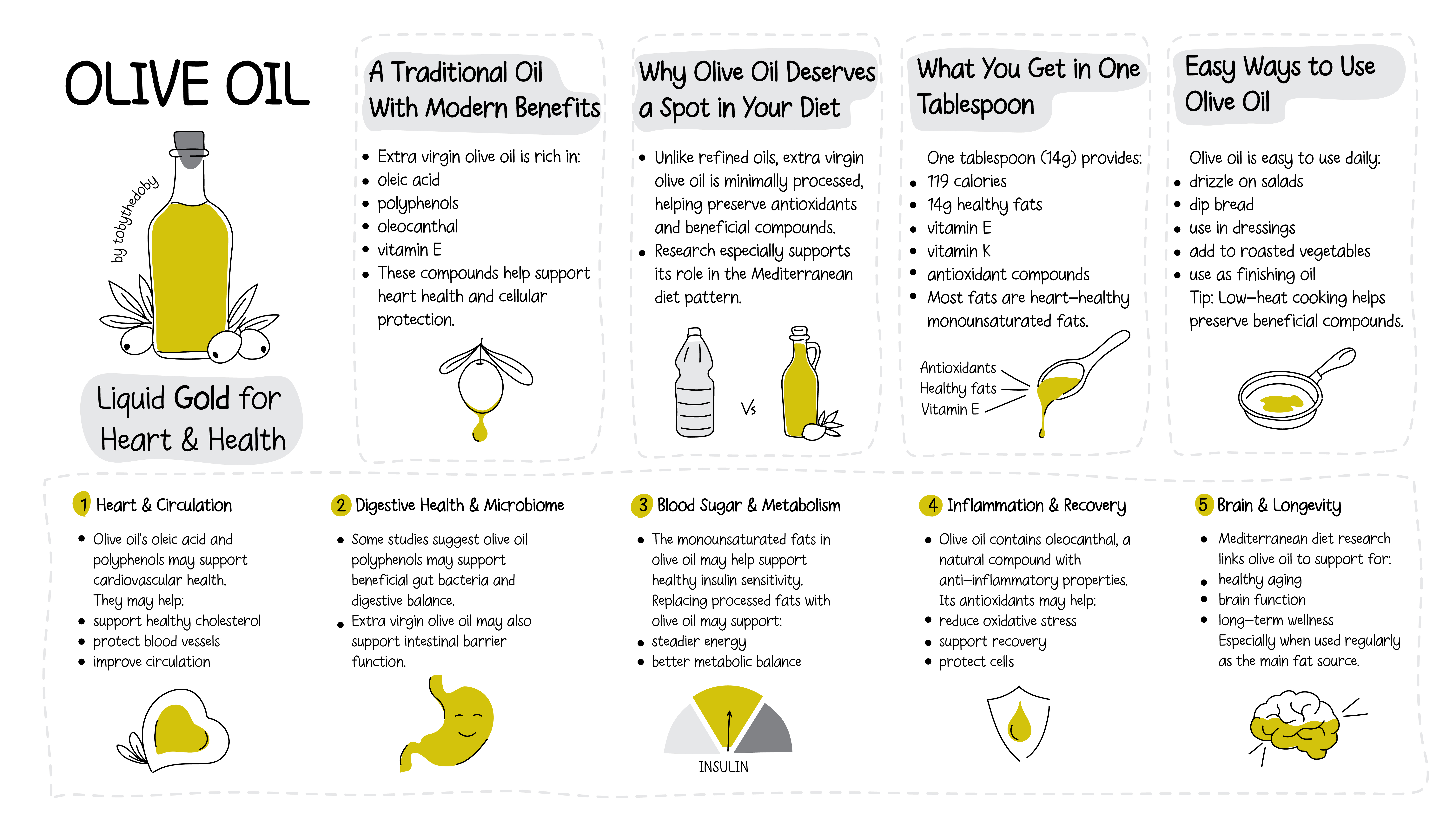
Olive oil is a heart-healthy fat primarily composed of oleic acid (55-83%), which helps reduce inflammation and prevent LDL cholesterol oxidation. It provides 119 calories and 14g of fat per tablespoon, along with Vitamin E and K.
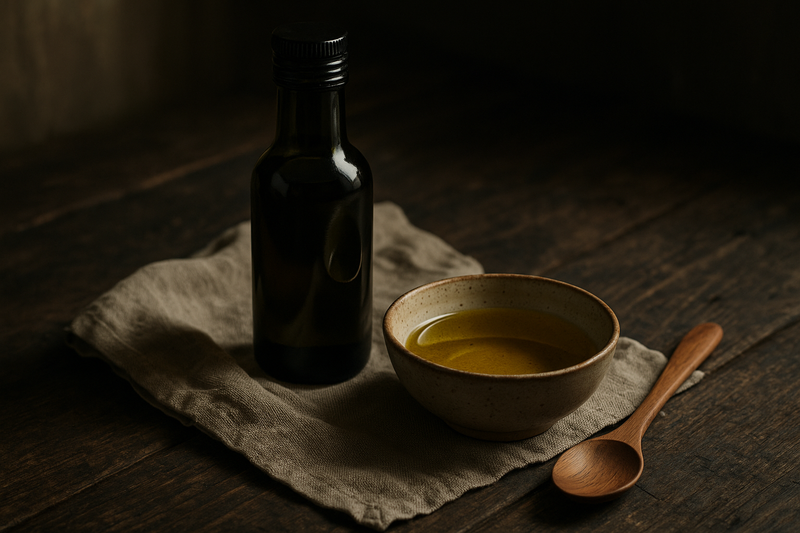
Olive Oil · Photograph
Understanding olive oil health benefits can help you make informed choices about incorporating this healthy fat into your daily routine. Unlike many processed fats, extra virgin olive oil (EVOO) provides both essential fatty acids and bioactive compounds that research suggests may support long-term health. The key lies in choosing the right type and using appropriate amounts.
Key Nutrients
% Daily Value based on 2,000 cal diet
Why Olive Oil Health Benefits Matter for Your Wellness Routine
Understanding olive oil health benefits can help you make informed choices about incorporating this healthy fat into your daily routine. Unlike many processed fats, extra virgin olive oil (EVOO) provides both essential fatty acids and bioactive compounds that research suggests may support long-term health. The key lies in choosing the right type and using appropriate amounts.
Key Active Compounds
Extra virgin olive oil contains numerous bioactive compounds that contribute to its potential health benefits:
- Oleic Acid: A monounsaturated omega-9 fatty acid comprising 55-83% of the oil's profile; it is the primary healthy fat for heart support.
- Oleocanthal: A polyphenolic compound with anti-inflammatory properties similar to ibuprofen.
- Oleuropein: A major polyphenol that acts as a potent antioxidant.
- Hydroxytyrosol: A phenolic compound that may help prevent LDL oxidation (the "rusting" of bad cholesterol).
- Squalene: A triterpene with potential protective effects against oxidative damage.
- Phytosterols: Plant sterols that may help manage and lower cholesterol levels.
- Luteolin: A flavonoid with anti-inflammatory potential.
Main Health Benefits Supported by Research
Heart and Circulation
The strongest evidence for olive oil health benefits relates to cardiovascular health. Studies suggest oleic acid may help reduce blood pressure and improve cholesterol profiles. The polyphenols in EVOO help prevent LDL oxidation, a key step in atherosclerosis (artery hardening) development. Mediterranean diet studies consistently show cardiovascular benefits when olive oil is the primary fat source.
Digestive Health and Microbiome
While research is emerging, some studies suggest olive oil's polyphenols may support beneficial gut bacteria growth. The anti-inflammatory compounds might help maintain intestinal barrier function, though more human research is needed to establish specific digestive benefits.
Blood Sugar and Metabolism
Olive oil's monounsaturated fat profile may support healthy insulin sensitivity compared to diets high in saturated or trans fats. Some research suggests replacing other fats with olive oil might help with blood sugar management, though effects are generally modest.
Inflammation and Recovery
Oleocanthal, found uniquely in extra virgin olive oil, shows anti-inflammatory activity similar to ibuprofen but at much lower concentrations. The antioxidant compounds may help reduce oxidative stress markers, potentially supporting recovery from exercise or daily stressors.
Buying Guide
- Freshness: Choose bottles with harvest dates within 18 months. Fresh oil contains higher polyphenol levels.
- Label Reading: Look for "extra virgin," "cold-pressed," and specific harvest dates. Dark glass bottles protect from light degradation.
- Storage: Keep in cool, dark places. Heat and light break down beneficial compounds rapidly.
- Quality Indicators: Good EVOO should have peppery or bitter notes. Bland oils may be refined or old.
- Supplements vs. Food: While supplements exist, most research uses whole oils consumed with food.
Prep and Pairing Ideas
- Salad Dressings: Combine with vinegar to enhance absorption of fat-soluble vitamins from greens.
- Low-Heat Cooking: Use for gentle sautéing; high heat can damage delicate compounds.
- Finishing Oil: Drizzle over cooked vegetables or grains to preserve maximum polyphenol content.
Conclusion
Olive oil is far more than a simple healthy fat; it is a complex delivery system for life-extending polyphenols. The clinical evidence is clear: prioritizing extra virgin olive oil as your primary fat source can fundamentally shift your cardiovascular and metabolic health markers. By reducing LDL oxidation and providing a unique anti-inflammatory effect via oleocanthal, this Mediterranean staple serves as a foundational element of an evidence-based wellness routine.
For the greatest impact, use it raw as a finishing oil to keep its delicate antioxidant matrix intact. If you are looking to include healthy fat as part of your diet, our meal planner will guide you on how to use olive oil for tastier, healthier meals.
How Olive Oil Compares
| Compared with | What's different |
|---|---|
| Olive Oil vs. Avocado Oil | Higher smoke point and neutral flavor; lacks the antioxidant polyphenols found in olive oil. |
| Olive Oil vs. Coconut Oil | Contains higher saturated fat (around 12g per tbsp) and lacks monounsaturated oleic acid. |
Health Benefits
Things to Know
Allergies: Rare but possible in people with olive tree pollen allergies.
Digestive Sensitivity: Large amounts may cause loose stools in sensitive individuals.
Blood Thinners: Vitamin K content may affect warfarin; maintain consistent intake.
Calorie Density: 119 calories per tablespoon; essential for weight management.
Storage: Becomes rancid with heat/light exposure, losing benefits.

Common Uses
- —Drizzling raw EVOO over cooked vegetables or soups just before serving to preserve the heat-sensitive polyphenols and antioxidants.
- —Using olive oil in salad dressings to significantly increase the absorption of Vitamin K, A, D, and E from leafy greens.
- —Swapping butter or lard for olive oil in baking and cooking to shift the dietary lipid profile toward monounsaturated fats.
- —Using olive oil for gentle cooking (under 375°F/190°C) to maintain stability while adding flavor and nutrients.
- —Incorporating a tablespoon of olive oil into savory yogurt or over whole-grain toast as part of a heart-healthy morning routine.
- —Following a Mediterranean-style diet with olive oil as the primary fat source to support brain health and reduce systemic inflammation.
Best Forms
Offers the highest concentration of beneficial compounds. Cold-pressed and minimally processed, it retains maximum polyphenol content and antioxidants. This is the form used in most health research.
Undergoes slightly more processing but still contains beneficial compounds, though at lower levels than extra virgin.
Highly processed, removing most polyphenols and antioxidants. While it provides oleic acid, it lacks bioactive benefits.
Refers to flavor, not calories; it is highly refined with minimal beneficial compounds.
Prep Ideas
- — Salad Dressings: Combine with vinegar to enhance absorption of fat-soluble vitamins from greens.
- — Low-Heat Cooking: Use for gentle sautéing; high heat can damage delicate compounds.
- — Finishing Oil: Drizzle over cooked vegetables or grains to preserve maximum polyphenol content.
Glossary
Shop This Ingredient
Stock your pantry with quality olive oil.
Buy on AmazonAs an Amazon Associate, Plantopedia earns from qualifying purchases. This costs you nothing extra and helps us keep the encyclopedia free.
Frequently Asked Questions
Olive oil supports heart health by reducing LDL oxidation and inflammation. Research suggests it helps manage cholesterol and blood pressure, largely due to the synergy between its monounsaturated fats and polyphenols.
Clinical studies on the Mediterranean diet show cardiovascular benefits with 1-2 tablespoons daily. It is best used as a replacement for saturated fats (like butter) to maintain a healthy calorie balance.
Yes. Extra virgin olive oil is unrefined, meaning it retains the polyphenols and antioxidants that are stripped away during the refining process of "regular" or "light" olive oils.
Yes. The healthy fat (oleic acid) and phytosterols in olive oil help improve cholesterol profiles by lowering "bad" LDL while protecting it from becoming oxidized and damaging to the arteries.
Olive oil is generally safe, though excessive amounts can cause loose stools. It is calorie-dense, so portion control is necessary for weight goals. Those on blood thinners should monitor Vitamin K intake.
Light cooking is safe, but high heat can degrade delicate antioxidants. To get the maximum olive oil health benefits, use it as a finishing oil or for low-to-medium heat sautéing.
Quick Answers
Common questions, answered in a line.
Hydroxytyrosol is a phenolic compound in olive oil that helps prevent LDL oxidation, often described as the "rusting" of bad cholesterol. This process is a critical factor in supporting heart health and preventing the development of atherosclerosis or hardened arteries.
Oleocanthal is a unique polyphenolic compound found in extra virgin olive oil that exhibits anti-inflammatory properties similar to ibuprofen. Research suggests it may help reduce oxidative stress markers and support recovery from exercise or daily stressors.
Olive oil's polyphenols may support the growth of beneficial gut bacteria and help maintain the function of the intestinal barrier. While research is emerging, these anti-inflammatory compounds are thought to contribute to overall microbiome health.
Using olive oil in salad dressings significantly increases the body's ability to absorb fat-soluble vitamins, specifically vitamins A, D, E, and K, from leafy greens. This makes it an ideal pairing for nutrient-dense vegetables.
Olive oil is a calorie-dense food containing approximately 119 calories per tablespoon. While it is a healthy fat, monitoring portion sizes is essential for individuals focused on weight management.
People taking blood thinners like warfarin should be aware of olive oil's Vitamin K content and maintain a consistent daily intake. While generally safe, dramatic changes in consumption could potentially affect the medication's efficacy.
To maximize health benefits, choose extra virgin olive oil in dark glass bottles with a harvest date within the last 18 months. Fresh oil contains the highest levels of beneficial polyphenols and should be stored in a cool, dark place to prevent heat and light degradation.
For Readers in the USA
Local context — sourcing, seasonality, and regional notes.
In the United States, commercial olive oil production is centered almost exclusively in California, though smaller groves exist in Texas, Georgia, Florida, and Arizona. California produces about 99% of the country's olive oil, benefiting from its Mediterranean-like climate.
You can find high-quality extra virgin olive oil at major US retailers like Costco (Kirkland Signature), Whole Foods, and Trader Joe's, or through specialized domestic brands like California Olive Ranch. Farmers markets in the Sun Belt states also offer fresh, local pressings.
The USDA offers voluntary grading for olive oil, but for stricter quality assurance, US consumers should look for the California Olive Oil Council (COOC) or Applied Sensory seals. These certifications guarantee the oil meets rigorous "extra virgin" standards through laboratory testing.
While the US harvest typically runs from October to December, olive oil is available year-round; for peak health benefits, shop for the current year's harvest date on the label. High-quality domestic oils usually hit grocery shelves in early spring following the fall press.
AI Clinical Review
- The EVOO Distinction: Correctly emphasizes that refined or "light" oils lack the polyphenols (like oleocanthal) responsible for the most significant therapeutic effects.
- Oleocanthal Mechanism: Accurately identifies its ibuprofen-like anti-inflammatory action, which is a hallmark of high-quality, peppery olive oils.
- LDL Oxidation: Properly highlights that preventing the oxidation of cholesterol is as important as lowering the total number for cardiovascular safety.
- Vitamin K Consideration: Rightly notes the importance of consistent intake for patients on blood-thinning medications like Warfarin.
- Stability Nuances: Correctly advises on storage (dark glass, cool places) to prevent the oxidation of the oil itself.
- Cancer Prevention: While the antioxidant profiles are promising, large-scale human longitudinal studies are still refining our understanding of olive oil’s specific role in cancer risk reduction.
- Microbiome Impact: While we know polyphenols interact with gut bacteria, the specific "fingerprint" of how olive oil alters the human microbiome compared to other healthy fats is an active area of research.
- Weight Loss Efficacy: Olive oil is calorie-dense (119 kcal/tbsp). Its role in weight loss is primarily through satiety and as a replacement for less healthy fats, rather than as a metabolic "fat burner."
- Skin Health: While topical and dietary use are popular, clinical dermatology trials are still establishing definitive benchmarks for olive oil in treating specific skin conditions like dermatitis.
- The "Peppery" Test: High-quality EVOO should cause a slight sting or tickle in the throat—this is the oleocanthal at work. If it's bland, it likely lacks therapeutic polyphenols.
- Smoke Point Myth: While EVOO has a lower smoke point than refined oils, it is actually quite stable at medium heat due to its antioxidant content. However, deep-frying is still not recommended.
- Rancidity: Olive oil is a "fresh juice." Unlike wine, it does not improve with age. Use it within a few months of opening for maximum health benefits.
- Calorie Awareness: Even healthy fats can lead to weight gain if not accounted for in total daily energy intake. 1–2 tablespoons is the standard "clinical dose."
- Fake Oil Markets: Adulteration is common in the olive oil industry. Look for third-party certifications (like COOC or DOP) to ensure you are getting genuine extra virgin oil.
Flag strict WFPB limitations for extracted oils and highly processed fat products.
References
- USDA FoodData Central: Primary source for nutritional data and fatty acid profiling.
- PMC Research Review: Bioactive compounds and quality of extra virgin olive oil.
- Olive Wellness Institute: Clinical database for bioactive compound research.
- The BMJ / PREDIMED Trial: Major clinical evidence for Mediterranean diet and heart health.
- American Heart Association: Guidelines on monounsaturated fats and cardiovascular resilience.
- Mayo Clinic: Clinical overview of healthy dietary fats and olive oil safety.
Know Your Numbers
Eating healthy is a start. Now get to know your biomarkers.
Food changes bloodwork — inflammation, lipids, blood sugar and nutrient status all respond to what you eat. 59 markers from $59.
- Results in 7–10 days at 2,000+ Quest sites
- Licensed provider reviews every result
- One flat price, no membership, HSA/FSA eligible
Educational information only, not medical advice. Panels are ordered and reviewed through our licensed partner; Plantopedia may earn a commission.
Filed Under
Health Goals This Supports
Related Ingredients
Blood Sugar Balance for Beginners
Blood sugar balance means keeping your blood glucose from swinging too high or crashing too low after meals, largely by pairing carbohydrates with fiber, protein, and fat, moving your body regularly, and favoring whole foods over refined ones. For most people without diabetes, this is about...
Foods That May Help Joint Stiffness
No single food will fix joint stiffness, and anyone who tells you otherwise is overselling it. But a consistent eating pattern built around vegetables, fruit, whole grains, legumes, nuts, seeds, and olive oil is linked in clinical trials to modest reductions in joint pain and morning stiffness,...